
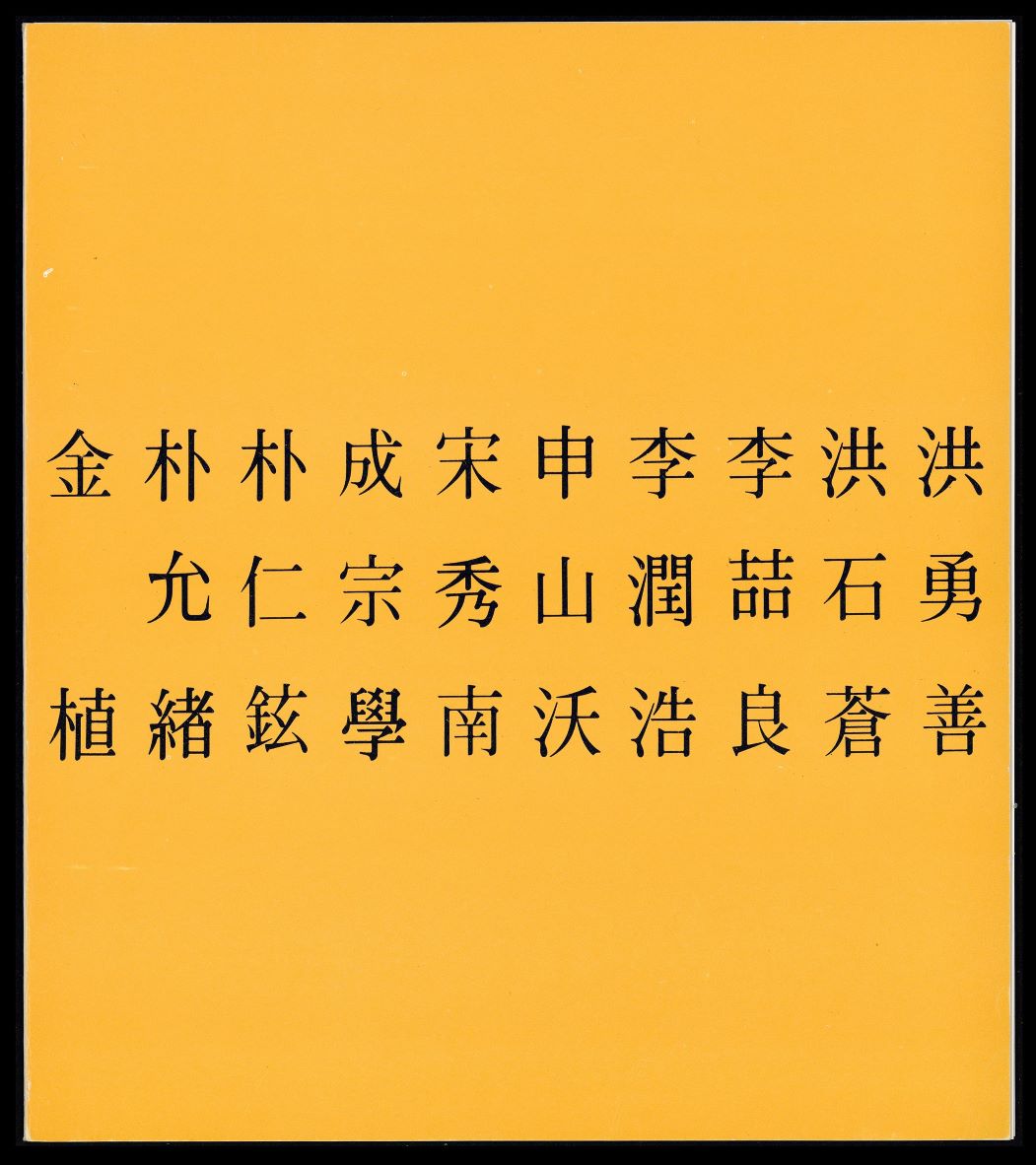
Today’s Ink Wash Painting, Brochure, 1982, MMCA Art Research Center Collection
Today’s Ink Wash Painting


* Source: MMCA
Related
-
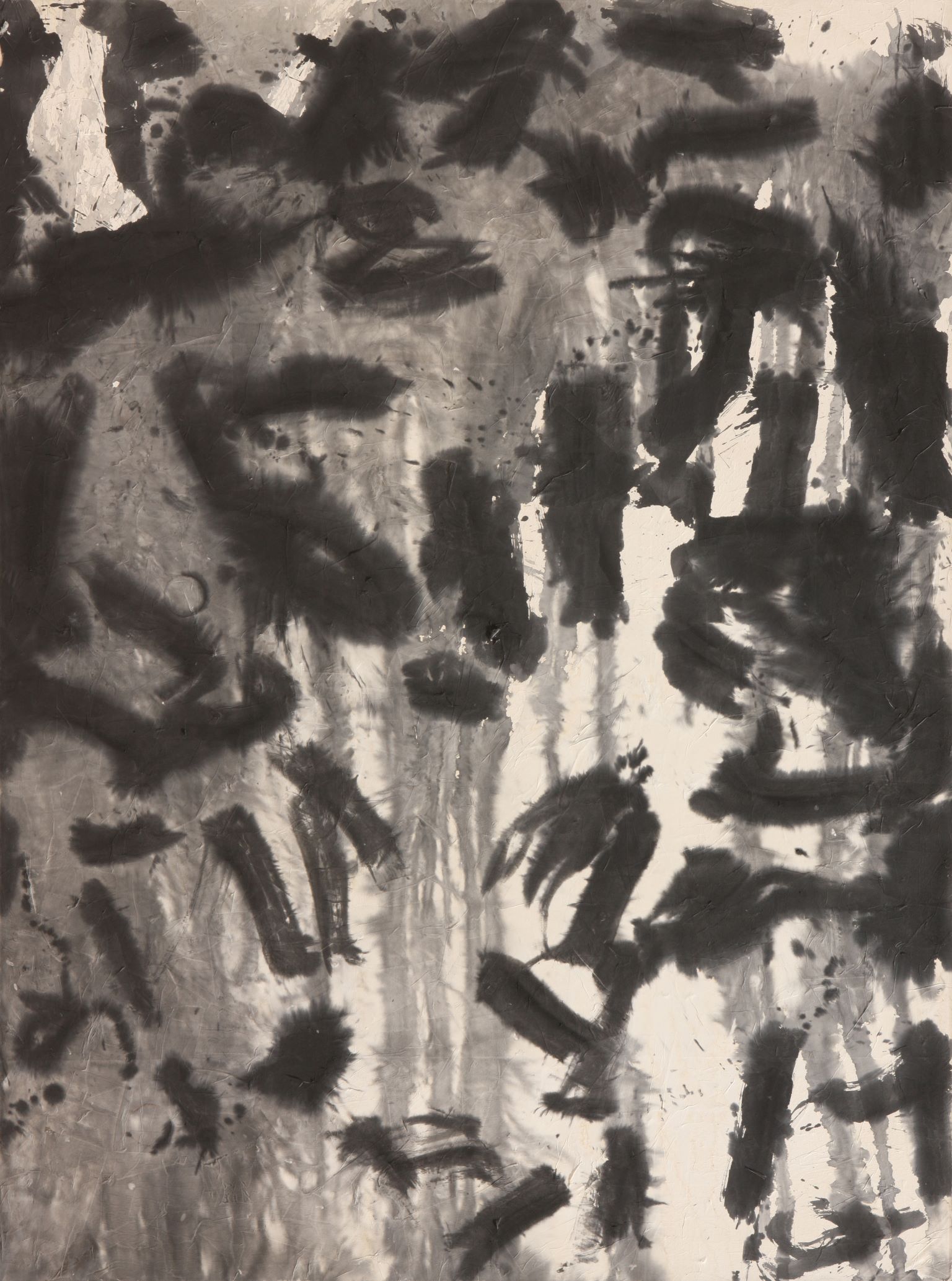
Song Soonam
Song Soonam (1938-2020) is an artist who acted as an ideological leader in the “ink wash movement” that occurred in the Korean Eastern painting circles in the first half of the 1980s. While studying Western-style painting at Hongik University, he switched to Eastern-style painting in 1962. In the same year, his ink and wash abstract painting Fantasy was selected for the National Art Exhibition (Gukjeon). In 1969, he held a solo exhibition entitled Korean Painting Exhibition and presented the Korean Landscape series that emphasized the smearing effect of ink and colors. Around the 1970s, he took part in various international exhibitions, such as the Tokyo Biennale (1967), Triennale-India (1970), and the São Paulo Biennale (1973). After holding his solo exhibition at the Museum of Far Eastern Antiquities (Östasiatiska Museet) in Sweden in 1975, his oeuvre was transformed into landscape painting purely done with ink and wash, excluding colors. Song Soonam’s ink and wash landscapes connected to real scenery landscape painting popular in Korean art in the 1970s were referred to as “landscape by Namcheon.” The Ink Wash Painting Movement began to emerge as Eastern painters gradually united to revisit visual characteristics of traditional materials for Eastern painting (paper, brush, and ink) and to advocate the inheritance of true-view landscape painting from the late Joseon period and modern landscape painting. Song also highlighted cityscape painting as the new nature in his solo exhibition Nature and City 1984–1985 at Dongsanbang Gallery in 1988. From 1975 through 2003, he served as a professor in the Eastern-style Painting Department at Hongik University. He published Ink Wash Painting (Dongwonsa, 1973) as a textbook on Eastern painting. His notable works include Ganadara (1966), Korean Landscape (1968), Landscape (1977), Untitled (1985), Summer Tree (1986), and the Brush Stroke series (1995).
-
Ink Wash Painting Movement
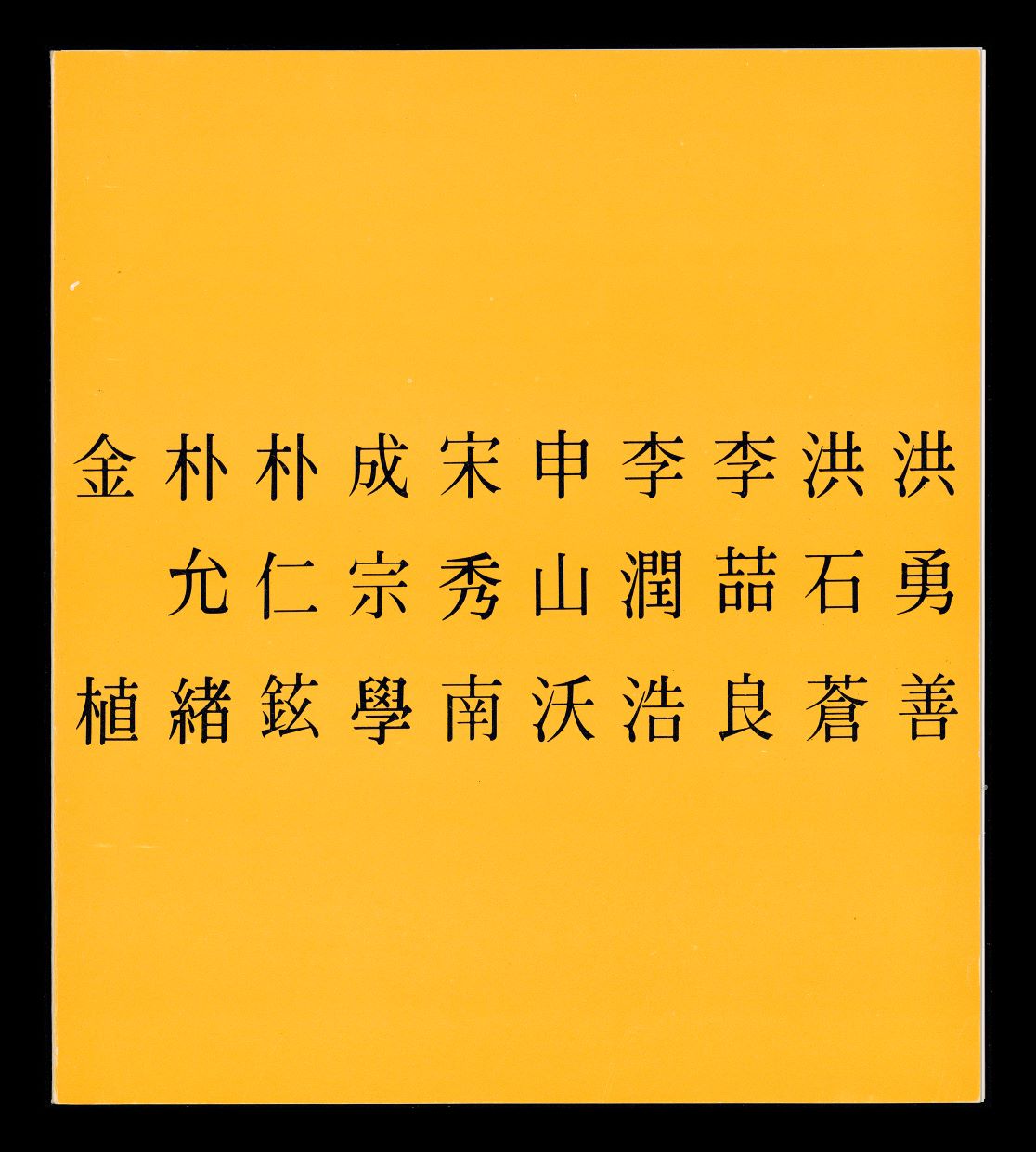
A series of exhibitions and projects from the early to mid-1980s that Song Soonam, a professor of Eastern-style painting at the Hongik University, and his junior colleagues and students planned and participated in. These exhibitions emphasized the formal characteristics and spirituality of ink painting. The group held the Korean Contemporary Ink Painting Exhibition (1981) at the National Museum of Modern Art, Korea (now MMCA) and the Four Masters of Ink Painting (1982) at the Dongsanbang Gallery. The term “Ink Wash Painting Movement” was first used by art critic You Hongjune in the introduction to the Today’s Ink Painting Exhibition (1982) at Songwon Gallery, and exhibition led by Song Soonam, with the participation of 10 of his junior colleagues and students. Song went on to organize numerous other group exhibitions of ink painting until 1985. While there is not a unified style, the movement experimented continuously with the idea of Eastern spirituality as somehow embodied within the traditional format of ink painting, as well as attempting to extend the expressive potential of the medium. The painters under the movement were the people who promoted the term “hangukwa (Korean painting).”
Timelines

Sign Up for Email Updates