Today’s Ink Painting Exhibition, Brochure, MMCA Art Research Center Collection
Ink Wash Painting Movement


* Source: Multilingual Glossary of Korean Art by Korea Arts Management Service
Related
-
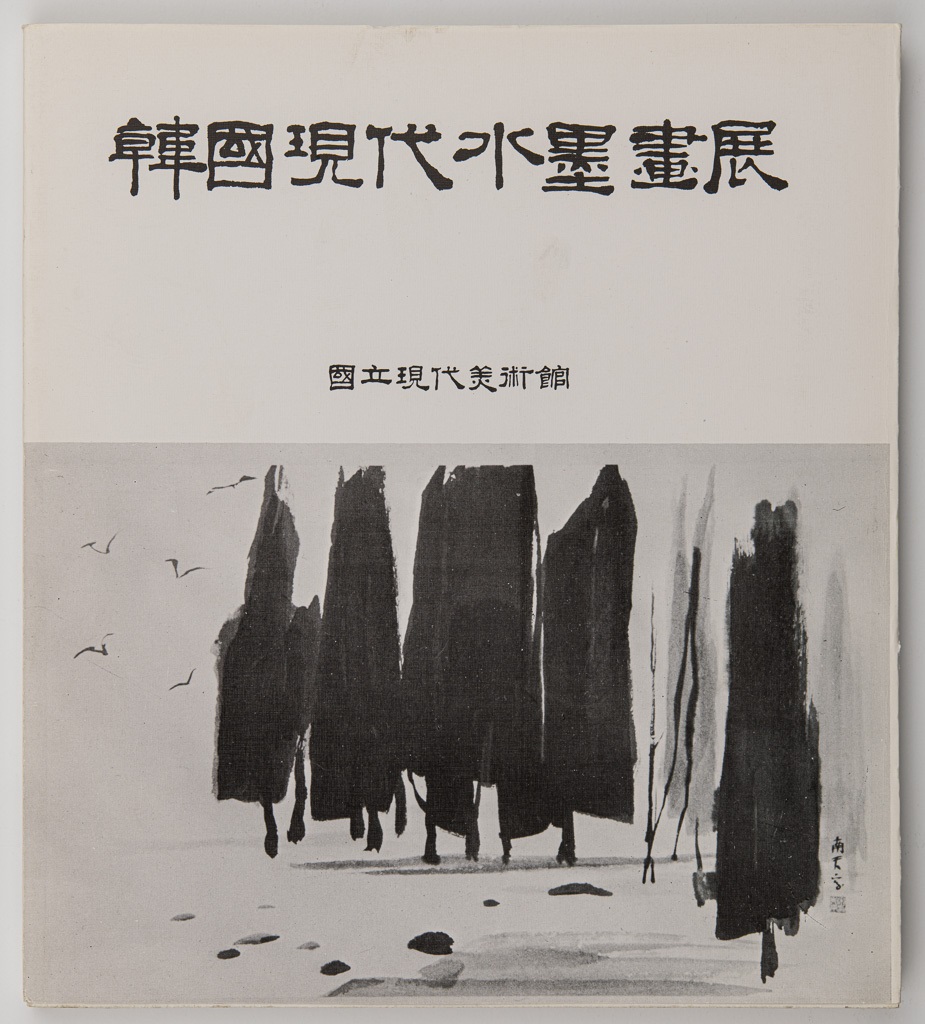
Korean Contemporary Ink Wash Painting
Korean Contemporary Ink Wash Painting was a special exhibition held from August 18 through September 2 in 1981 at the National Museum of Modern Art, Korea (now MMCA). The MMCA declared that the exhibition was intended to overcome the sharp stagnation of Eastern-style painting after the modern era and reinvigorate the Eastern-style painting circles. In particular, it stressed that because the root of Eastern-style painting lies in ink painting, which has developed in Korea since the late Joseon period, ink painting needs to be revisited in order to discover Korea’s distinctive artistic spirit and methods. Accordingly, “ink” was presented as the keyword of the exhibition. The exhibition committee was composed of five people, who were Yoon Tak, the director of the MMCA; the Eastern-style painters Song Soonam, Oh Taehagh, and Lee Jongsang; and the art critic Oh Kwang-su. Only artists under the age of fifty were selected in an attempt to encourage the experimental spirit of rising artists. A total of fifty-four artists participated in the exhibition, including Min Kyoungkap, Song Youngbang, Kim Hosuck, Song Soonam, Shin San-ok, Rhee Chulryang, and others, all of whom become principal members of the ink painting movement in the 1980s. Many young artists in their early thirties, such as Kang Nammi, Kim Ahyoung, Hwang Changbae, Han Jinman, and Jeong Jonghae, took part in the exhibition as well. The organizing a large-scale exhibition on ink by a national institution exerted great impact on the Eastern-style painting circles at the time. Korean Contemporary Ink Wash Painting was followed by several other exhibitions centering around ink and the emergence of the ink painting movement. Thus, it was evaluated as “the exhibition that nurtured the ink wash painting movement,” as argued by Rhee Chulryang.
-
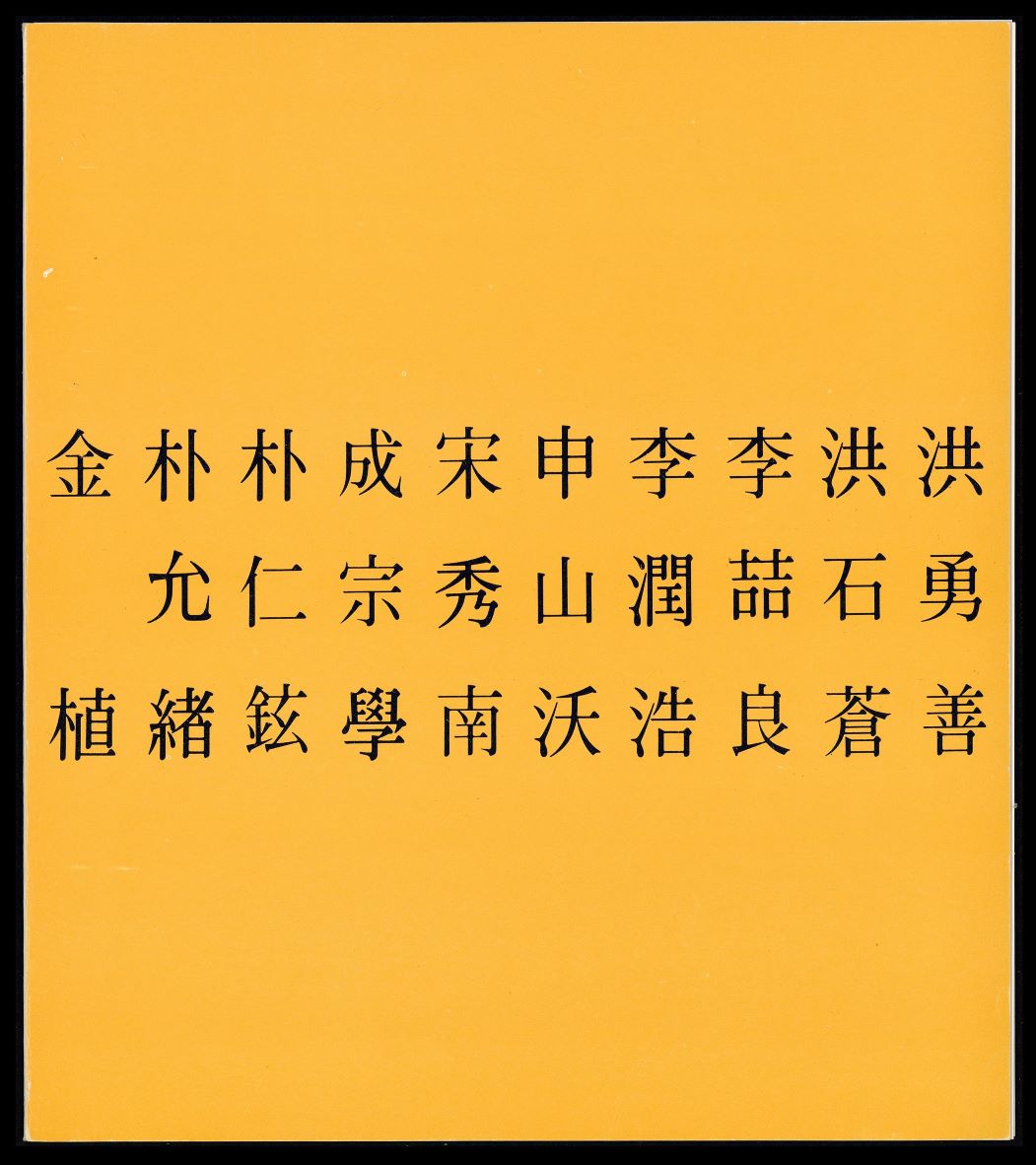
Today’s Ink Wash Painting
Today’s Ink Wash Painting was an exhibition held from October 25 through 31, 1982 at Songwon Gallery. Ten artists participated in the exhibition: Kim Shik, Park Yunseo, Park Inhyun, Seong Jong-hak, Song Soonam, Shin San-ok, Lee Yunho, Rhee Chulryang, Hong Sukchang, and Hong Yongsun. The exhibition featured twenty works, two works by each artist. These works exhibited new modes of expression by depicting previously unseen subject matters such as landscapes of the outskirts of the city and industrial areas and emphasizing the properties of paper, brush, and ink. Before Today’s Ink Painting in 1982, a series of exhibitions themed around ink and wash had been held, including Korean Contemporary Ink Painting at the National Museum of Modern Art, Korea (now MMCA) in 1981, Ink Paintings by Seven Artists; Four Ink Painters; Ink, Dots, and Lines; and Forms of Ink. Such a trend began to be called the “ink painting movement” by being inspired by the preface written by You Hongjune included in the catalogue of Today’s Ink Painting. In his preface “The True Meaning of the Contemporary Ink Wash Painting Movement,” You suggested calling the new movement that emerged in the 1980s by young artists “the ink wash painting movement.” This exhibition concretized the ideology of the ink wash painting movement, which was also adopted as the name of the new movement and served as an opportunity to gain a stronger momentum for the ink painting movement.
-
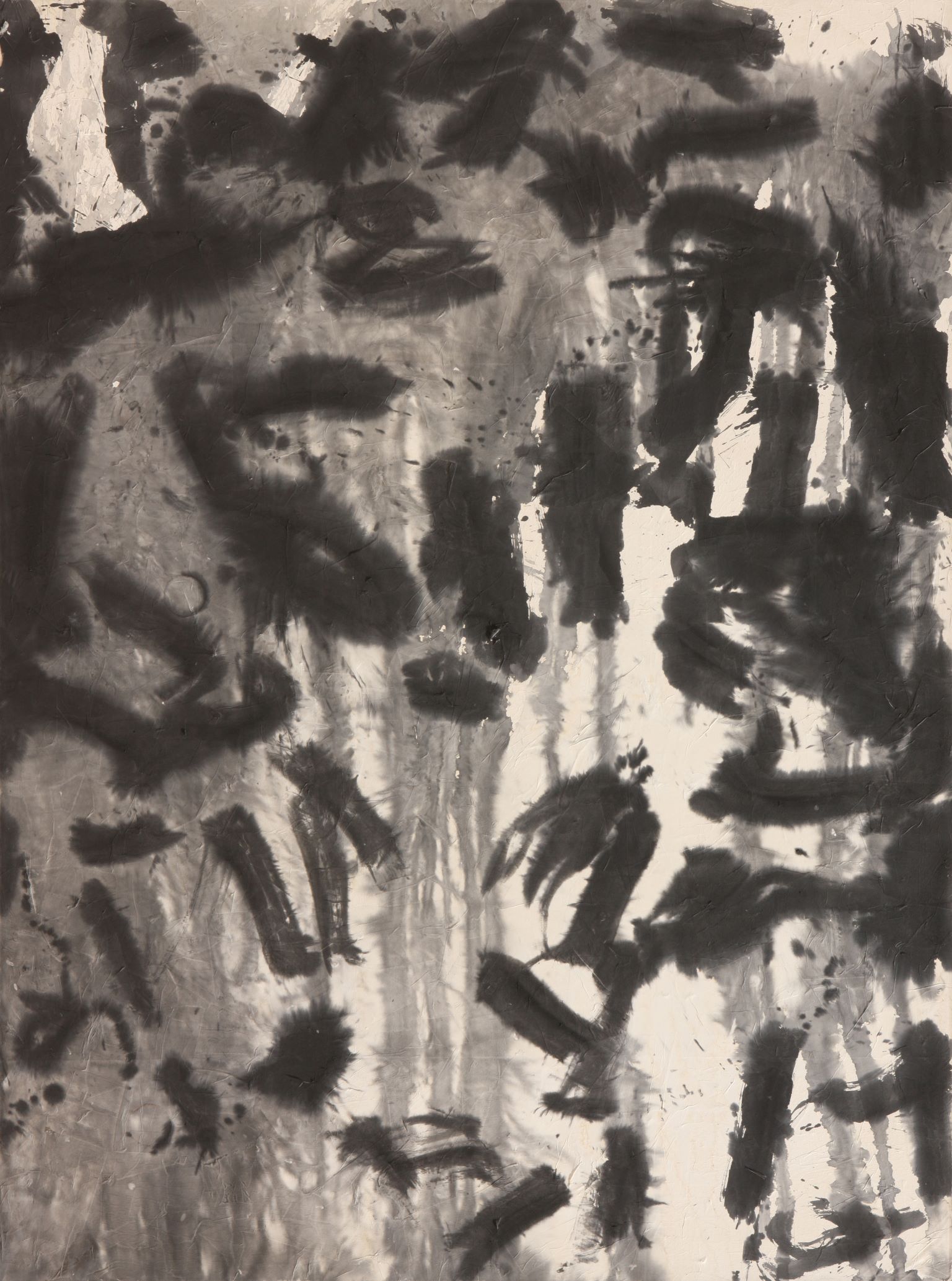
Song Soonam
Song Soonam (1938-2020) is an artist who acted as an ideological leader in the “ink wash movement” that occurred in the Korean Eastern painting circles in the first half of the 1980s. While studying Western-style painting at Hongik University, he switched to Eastern-style painting in 1962. In the same year, his ink and wash abstract painting Fantasy was selected for the National Art Exhibition (Gukjeon). In 1969, he held a solo exhibition entitled Korean Painting Exhibition and presented the Korean Landscape series that emphasized the smearing effect of ink and colors. Around the 1970s, he took part in various international exhibitions, such as the Tokyo Biennale (1967), Triennale-India (1970), and the São Paulo Biennale (1973). After holding his solo exhibition at the Museum of Far Eastern Antiquities (Östasiatiska Museet) in Sweden in 1975, his oeuvre was transformed into landscape painting purely done with ink and wash, excluding colors. Song Soonam’s ink and wash landscapes connected to real scenery landscape painting popular in Korean art in the 1970s were referred to as “landscape by Namcheon.” The Ink Wash Painting Movement began to emerge as Eastern painters gradually united to revisit visual characteristics of traditional materials for Eastern painting (paper, brush, and ink) and to advocate the inheritance of true-view landscape painting from the late Joseon period and modern landscape painting. Song also highlighted cityscape painting as the new nature in his solo exhibition Nature and City 1984–1985 at Dongsanbang Gallery in 1988. From 1975 through 2003, he served as a professor in the Eastern-style Painting Department at Hongik University. He published Ink Wash Painting (Dongwonsa, 1973) as a textbook on Eastern painting. His notable works include Ganadara (1966), Korean Landscape (1968), Landscape (1977), Untitled (1985), Summer Tree (1986), and the Brush Stroke series (1995).
Timelines

Sign Up for Email Updates