Song Soonam, Brush Stoke, 1998, 259.5x194.2cm. MMCA collection
Song Soonam


* Source: MMCA
Related
-
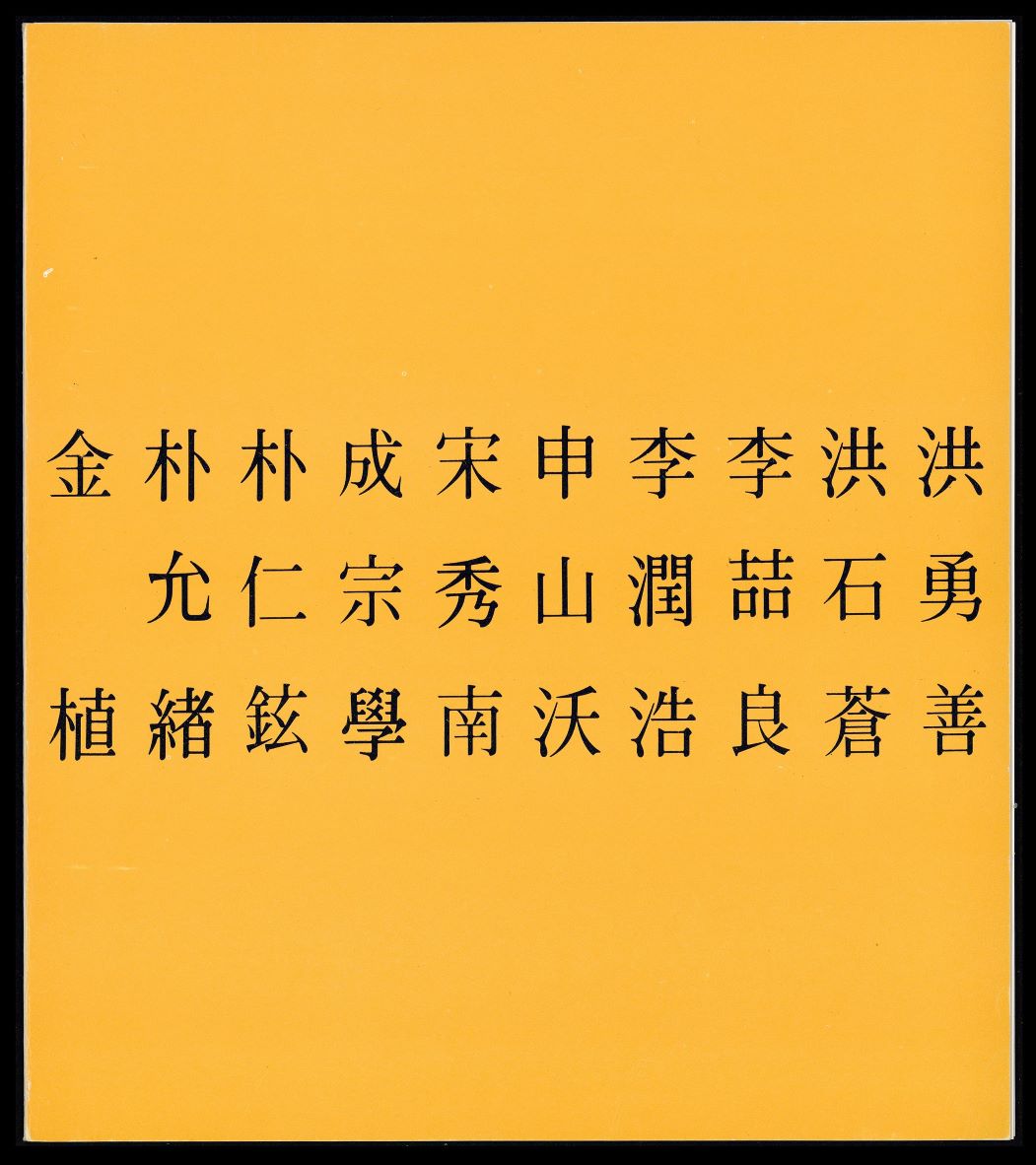
Today’s Ink Wash Painting
Today’s Ink Wash Painting was an exhibition held from October 25 through 31, 1982 at Songwon Gallery. Ten artists participated in the exhibition: Kim Shik, Park Yunseo, Park Inhyun, Seong Jong-hak, Song Soonam, Shin San-ok, Lee Yunho, Rhee Chulryang, Hong Sukchang, and Hong Yongsun. The exhibition featured twenty works, two works by each artist. These works exhibited new modes of expression by depicting previously unseen subject matters such as landscapes of the outskirts of the city and industrial areas and emphasizing the properties of paper, brush, and ink. Before Today’s Ink Painting in 1982, a series of exhibitions themed around ink and wash had been held, including Korean Contemporary Ink Painting at the National Museum of Modern Art, Korea (now MMCA) in 1981, Ink Paintings by Seven Artists; Four Ink Painters; Ink, Dots, and Lines; and Forms of Ink. Such a trend began to be called the “ink painting movement” by being inspired by the preface written by You Hongjune included in the catalogue of Today’s Ink Painting. In his preface “The True Meaning of the Contemporary Ink Wash Painting Movement,” You suggested calling the new movement that emerged in the 1980s by young artists “the ink wash painting movement.” This exhibition concretized the ideology of the ink wash painting movement, which was also adopted as the name of the new movement and served as an opportunity to gain a stronger momentum for the ink painting movement.
-
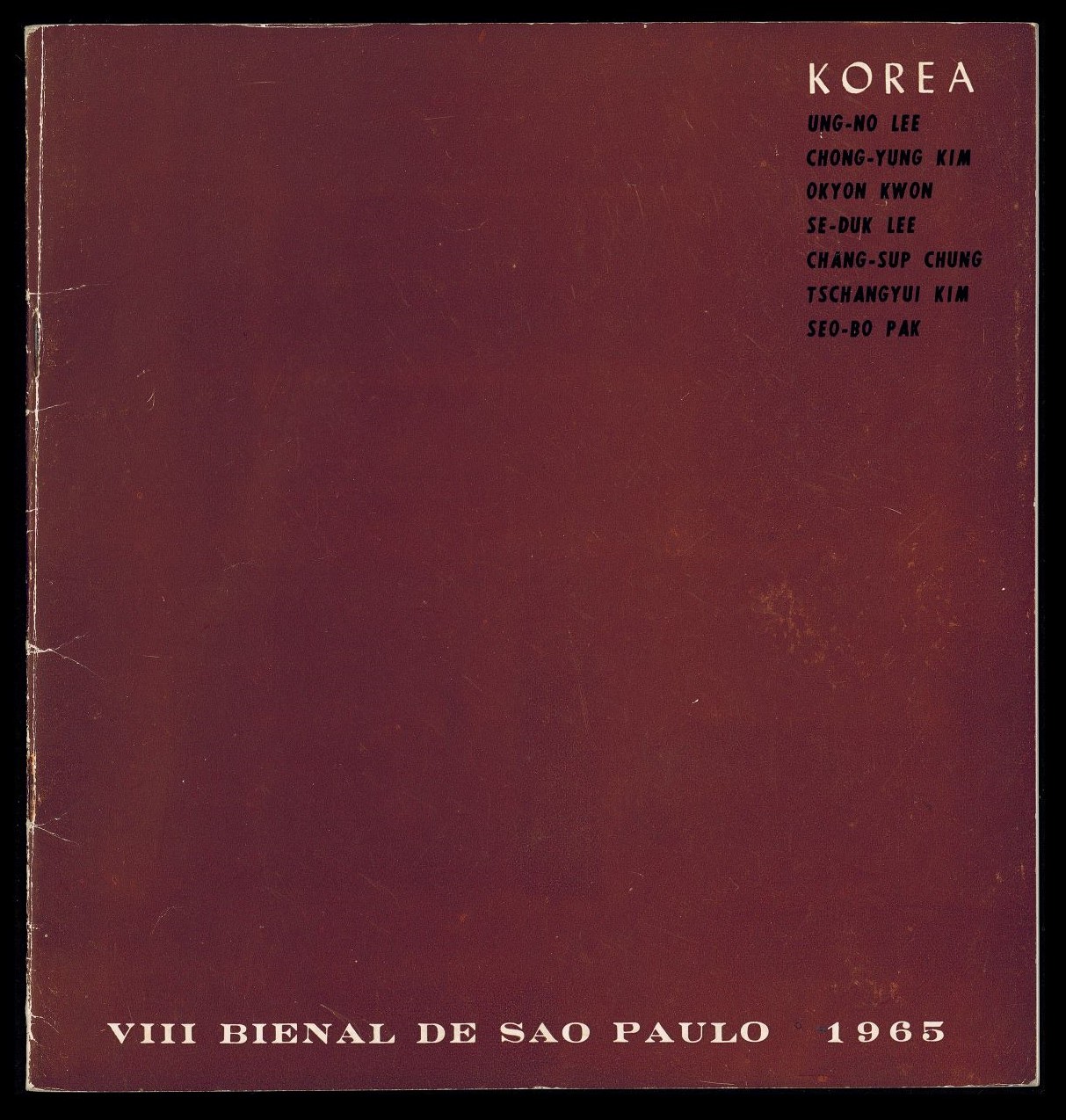
Sao Paulo Art Biennial
The Sao Paulo Art Biennial is an international exposition which started in 1951. The Sao Paulo Museum of Modern Art was the main venue for the event until 1957 when it moved to Ciccillo Matarazzo Pavilion. The exposition has the second longest history next to the Venice Biennale, and shares similar features with Venice, regarding the commissioner system and the use of themed exhibitions. South Korea expanded cultural exchange programs within the program since diplomatic relations were established in 1959 and began to officially participate in the Biennales after 1963. Kim Whanki, the chairman of the board of the Korean Art Association, served as the first commissioner in 1959, and seven artists including Yoo Youngkuk, Kim Youngjoo, Kim Kichang, Yoo Kangyul, Han Yongjin, Suh Seok, and Kim Whanki himself, submitted works to the exhibition. Their art pieces were previewed at the Korean Information Service Gallery in Seoul between June 14 and June 16. Over the last 70 years, Kim Bokyoung, Seo Seong-rok, Kim Youngho, Yoon Jinsup, and Oh Sang-Ghil have all been appointed as commissioners to the Biennale.
-
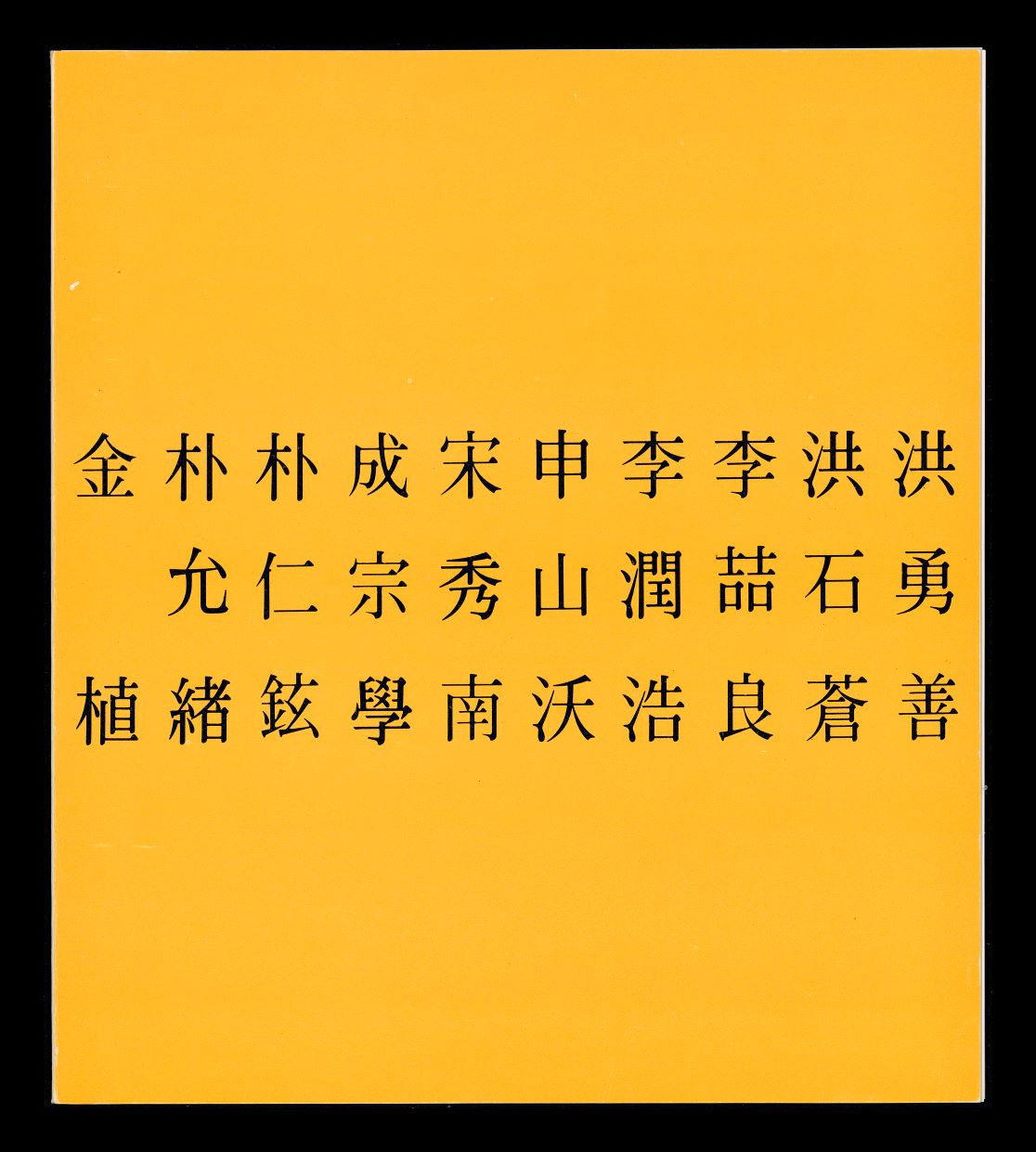
Ink Wash Painting Movement
A series of exhibitions and projects from the early to mid-1980s that Song Soonam, a professor of Eastern-style painting at the Hongik University, and his junior colleagues and students planned and participated in. These exhibitions emphasized the formal characteristics and spirituality of ink painting. The group held the Korean Contemporary Ink Painting Exhibition (1981) at the National Museum of Modern Art, Korea (now MMCA) and the Four Masters of Ink Painting (1982) at the Dongsanbang Gallery. The term “Ink Wash Painting Movement” was first used by art critic You Hongjune in the introduction to the Today’s Ink Painting Exhibition (1982) at Songwon Gallery, and exhibition led by Song Soonam, with the participation of 10 of his junior colleagues and students. Song went on to organize numerous other group exhibitions of ink painting until 1985. While there is not a unified style, the movement experimented continuously with the idea of Eastern spirituality as somehow embodied within the traditional format of ink painting, as well as attempting to extend the expressive potential of the medium. The painters under the movement were the people who promoted the term “hangukwa (Korean painting).”
Timelines

Sign Up for Email Updates