-
January
-
February
Ko Yuseop’s Joseon Tappaui Yeongu (A study of the Joseon pagoda) is published by Eulyoo Publishing. In 1954, the title is changed to Hanguktappaui Yeongu (A study of the Korean pagoda) and reissued by Eulyoo Publishing, and in 1975, the third edition is published by Dong Hwa Publishing Company.
-
March
-
April
The Second Korean Art and Culture Association Exhibition (Dong Hwa Gallery, Seoul, April 10–17) is held. Sixteen artists participate, including Gwak Insik, Kim Byeonggi, Kim Insoong, Kim Haksoo, Nam Kwan, Park Youngseun, Eom Doman, Lee Bongsang, Lee Insung, Lee Chongmoo, Lee Qoede, Lee Haeseong, Lim Wangyu, Choi Jaiduck, Han Junggeun, and Hong Ilpyo. Approximately thirty works are exhibited, including Lee Qoede’s Announcing Liberation (People Ⅰ).
The Department of Education of the United States Army Military Government in Korea (USAMGIK) establishes the Cultural Prize, composed of divisions in science, literature and the arts, and film, in order to promote the cultural advancement and development of the national state.
Kim Youngki’s Joseon Misulsa (History of Joseon Art) is published by Geumryong Doseo. It is a survey of art history from antiquity to the modern period, organized chronologically by era.
Painters from Busan, Masan, Jinju, Jinhae, and Tongyeong form the Gyeongnam Art Research Society [Gyeongnam misul yeonguhoe] and hold its inaugural exhibition (Busan Public Hall, Busan, April 24–30). In 1950, after changing its name to Hyeoktosa, the artist group opens The Second Hyeoktosa Exhibition (American Center (now Busan Modern & Contemporary History Museum), Busan, May 23–31, 1950), exhibiting photographs along with Western paintings.
-
May
-
June
Lee Insung establishes the National Painting Party Painting Research Institute [Gukhwahoe hoehwa yeonguso] in Sogong-dong, Seoul, offering instruction in watercolor and oil painting to the general public.
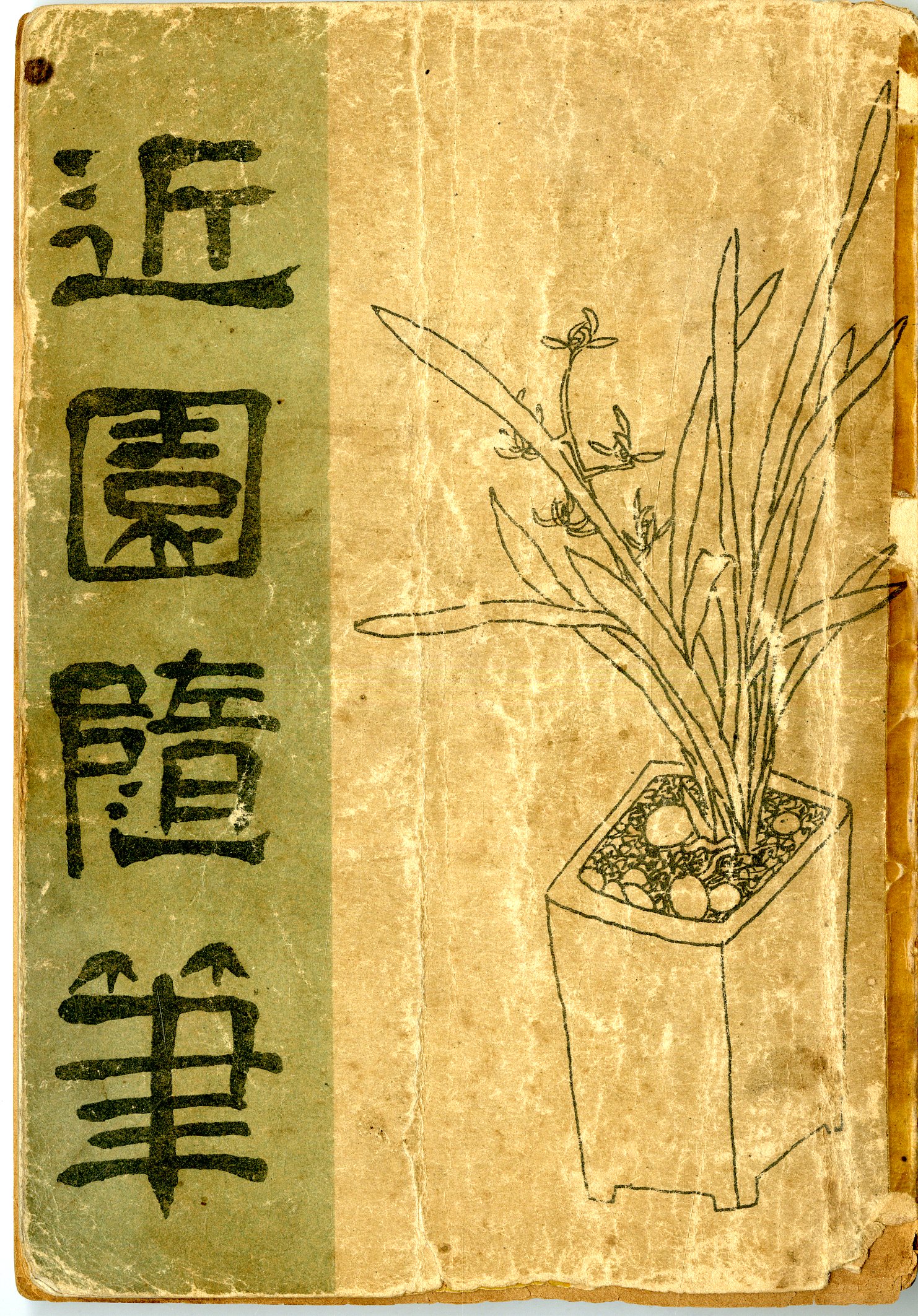
Kim Yongjun’s Geunwon supil (Essays of Kim Yongjun) is published by Eulyoo Publishing. The volume includes a cover illustration and drawings executed by the author himself.
-
July
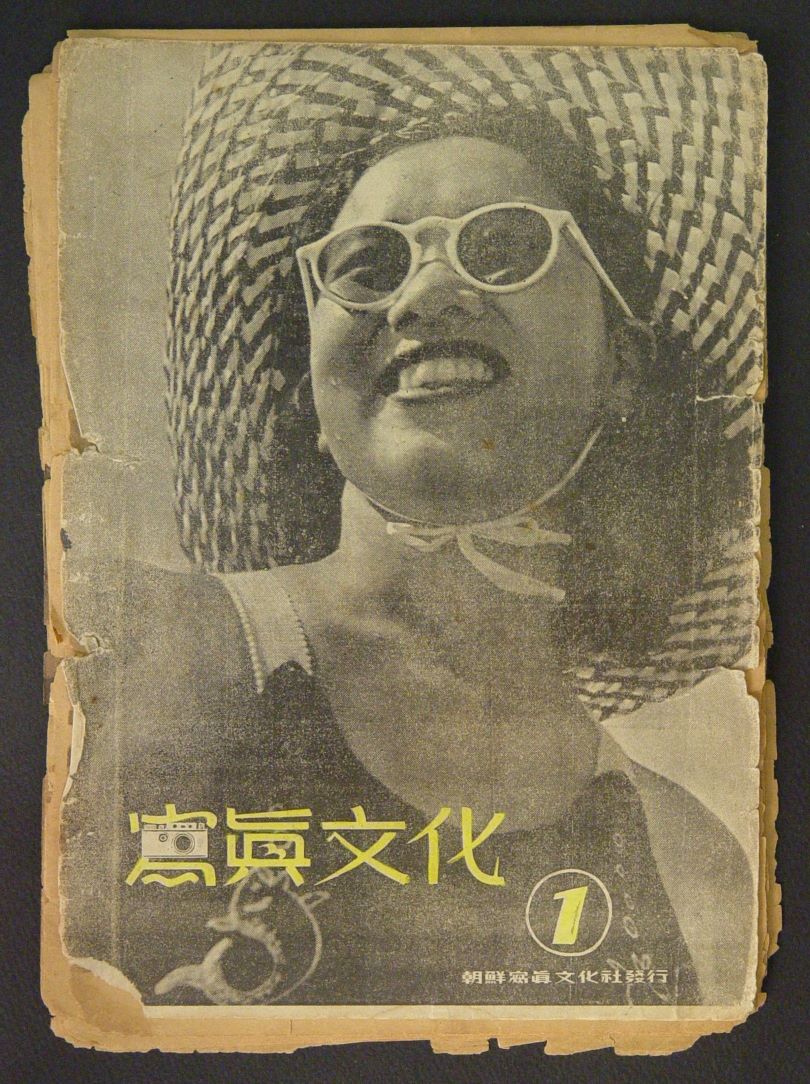
The Korean Photography Culture Company [Joseon sajin munhwasa] launches the nation’s first comprehensive photo magazine, Sajin munhwa (Photography Culture). Lee Gyuwan serves as publisher. As the editor Lee Dongho is abducted during the Korean War, the periodical is discontinued after the twelfth issue in 1950. In 1956, Cho Myeongwon establishes the Korean Photography Culture Company [Hanguk sajin munhwasa] relaunches the magazine under the same title in commemoration of the earlier publication, but is discontinued again after the sixth issue in 1957.
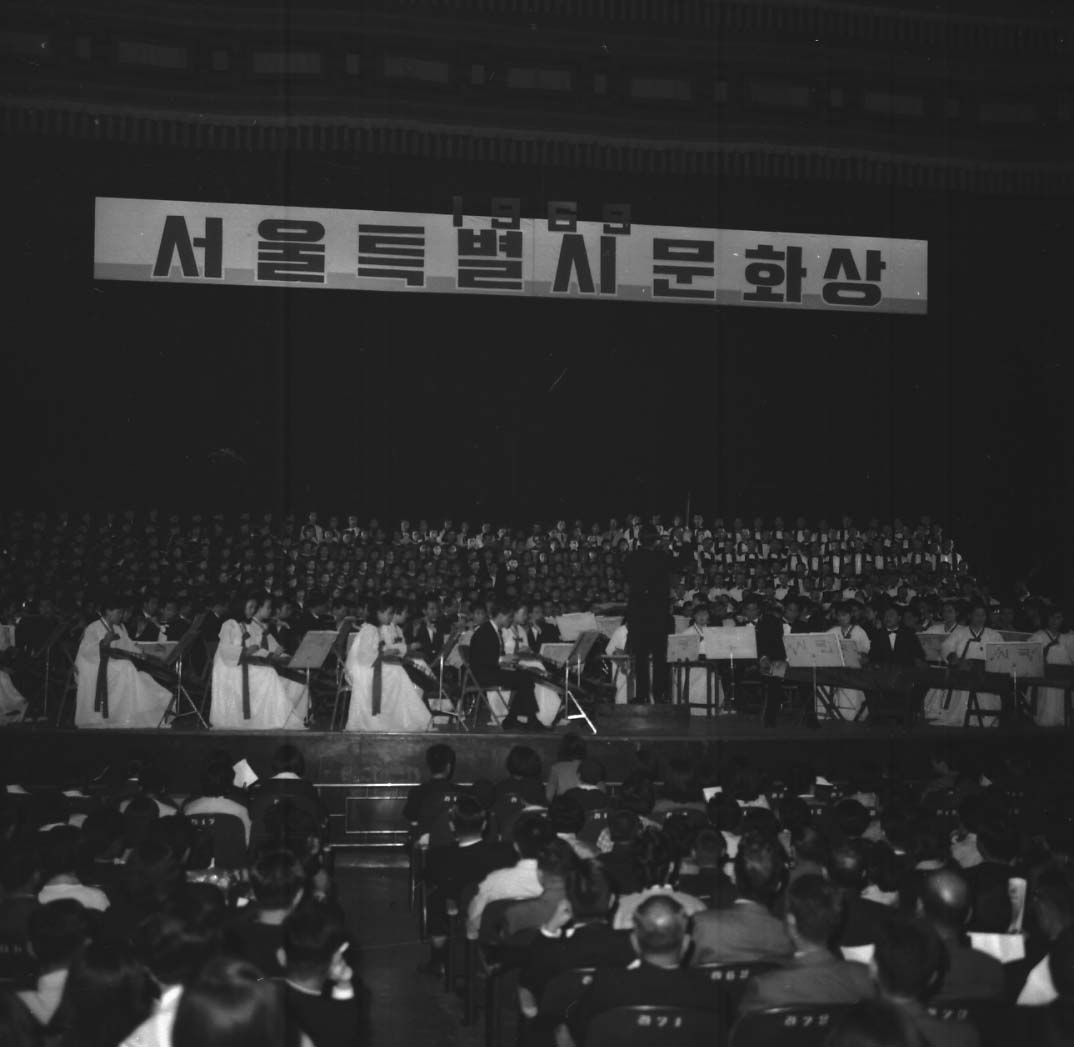
The U.S. Army Military Government in Korea (USAMGIK)’s Seoul City Education Committee organizes the Seoul City Arts Committee, which is dissolved after the establishment of the government. It is reorganized as the Seoul Culture Committee in 1949. The Committee establishes the Seoul City Culture Prize. The first winner in visual art was Ko Huidong, and winner in craft art was Kim Jingap.
-
August
Nam Kwan opens the Nam Kwan Art Research Institute in Heukseok-dong, Seoul, and begins plaster, oil painting, and watercolor painting classes. Kim Sou and Cho Byunghyun attend as established artists, and high school students Moon Woosik, Moon Eunhee, Ha Indoo and Hwang Kyubaik learn practical techniques here to prepare for the art college entrance exam. Sometime after, it is renamed the Changnim Art Research Institute, but its operation is suspended with the outbreak of the Korean War in 1950.
Lim Sukje Art Photography Solo Exhibition (Dong Hwa Gallery, Seoul, August 7-14) opens. This is the first solo exhibition of a photographer belonging to the Korean Photography Alliance [Joseon sajin dongmaeng].
The Gwangju Art Research Society [Gwangju misul yeonguhoe] is formed. The founding members include Kim Po, Kim Wonryong, Yoon Jaewoo, Lee Dongmo, and Choi Yonggap. Oh Chiho later joins the society.
-
September
The Seven Ink Painters Exhibition (Dong Hwa Gallery, Seoul, September 25–October 1) is held. Kim Kichang, Park Rehyun, Lee Geonyeong, Lee Seokho, Lee Palchan, Chung Chong-yuo, and Cho Joonghyun participate.
-
October
-
November
Hosted by the Minju Jungbo Company, The First Busan Art Exhibition (Donggwang Elementary School, Busan, November 5–14) is held.
The Korean Calligraphy and Painting Association of Peers [Joseon seohwa dongyeonhoe] holds The Second Korean Calligraphy and Painting Exhibition (Deoksugung Museum of Art, Seoul, November 5–15). Ko Huidong, Kim Gilseok, Kim Yongjin, Kim Eunho, No Soohyeon, Son Jaehyeong, An Jongwon, Oh Sechang, Lee Kiwoo, Lee Sangbeom, and Lee Ungno participate. Approximately sixty new works by members, fifty old master paintings from private collections, and fifty student works are exhibited.
The Third Korean Art and Culture Association Exhibition (Dong Hwa Gallery, Seoul, November 12–23) is held. Fourteen artists participate, including Kim Sunbae, Kim Jaeseon, Kim Haksoo, Ahn Gipung, Eom Doman, Lee Bongsang, Lee Chongmoo, Lee Qoede, Lee Haeseong, Lim Gunhong, Lim Wangyu, Cho Byungduk, Han Junggeun, and Hong Ilpyo.
-
December
The Eastern Painting Research Institute [Dongyanghwa yeonguso] opens in Hoehyeon-dong, Seoul, in order to contribute to the establishment of national art, and recruits researchers. Kim Kichang, Park Rehyun, Lee Geonyeong, Lee Seokho, Lee Palchan, Chung Chong-yuo, and Cho Joonghyun join as instructors.
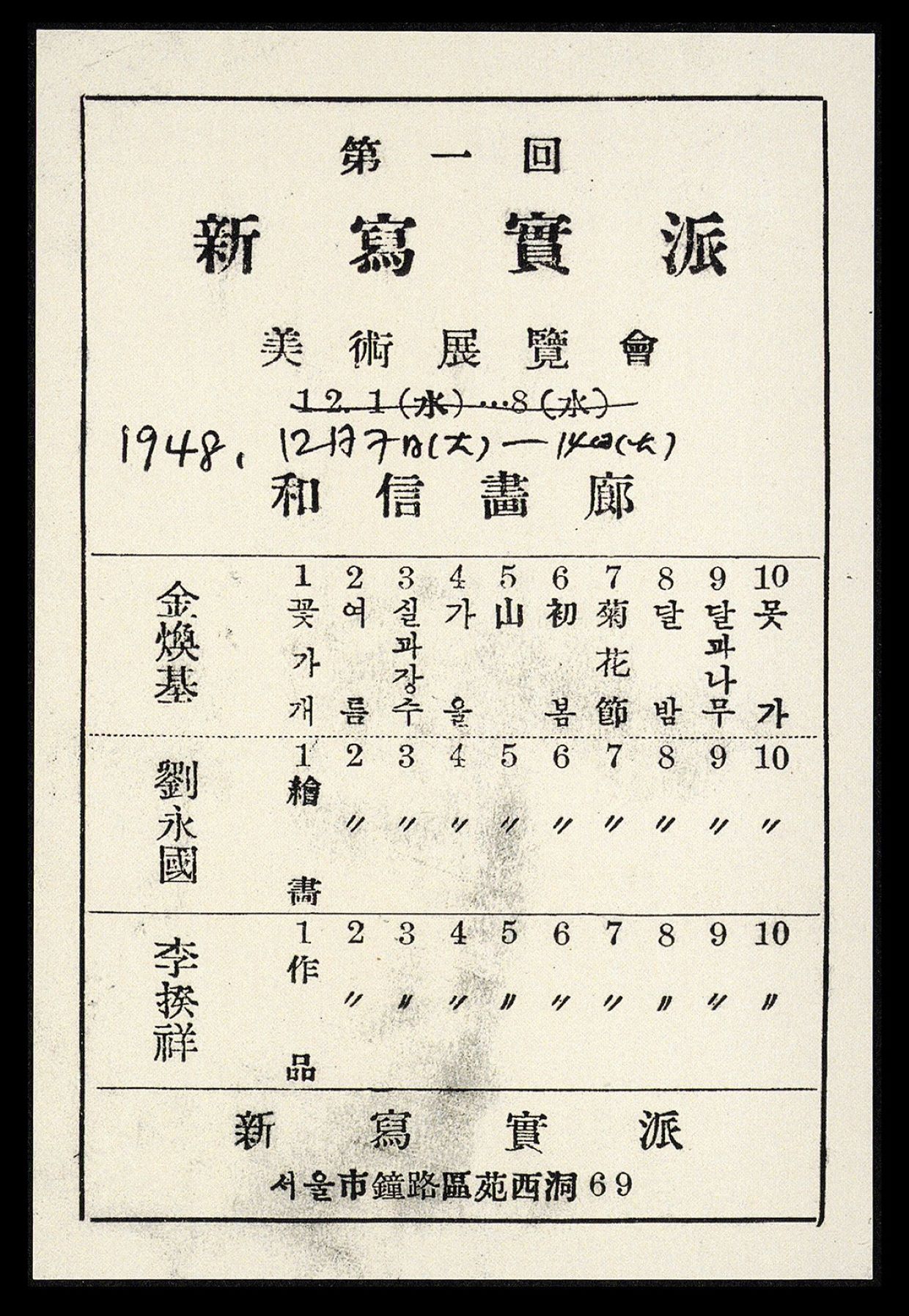
The First New Realism Group Exhibition (Hwasin Gallery, Seoul, December 7-14) is held. Founding members Kim Whanki, Yoo Youngkuk, and Lee Kyusang participate, exhibiting approximately thirty works. Championing fine art in an era of sharp ideological conflict, they attempt formal experiments grounded in modernism. The New Realism Group [Sinsasilpa] is formed by abstract-oriented artists advocating pure formal ideals, and holds a total of three exhibitions.
Related Terms
-
Korean Art and Culture Association
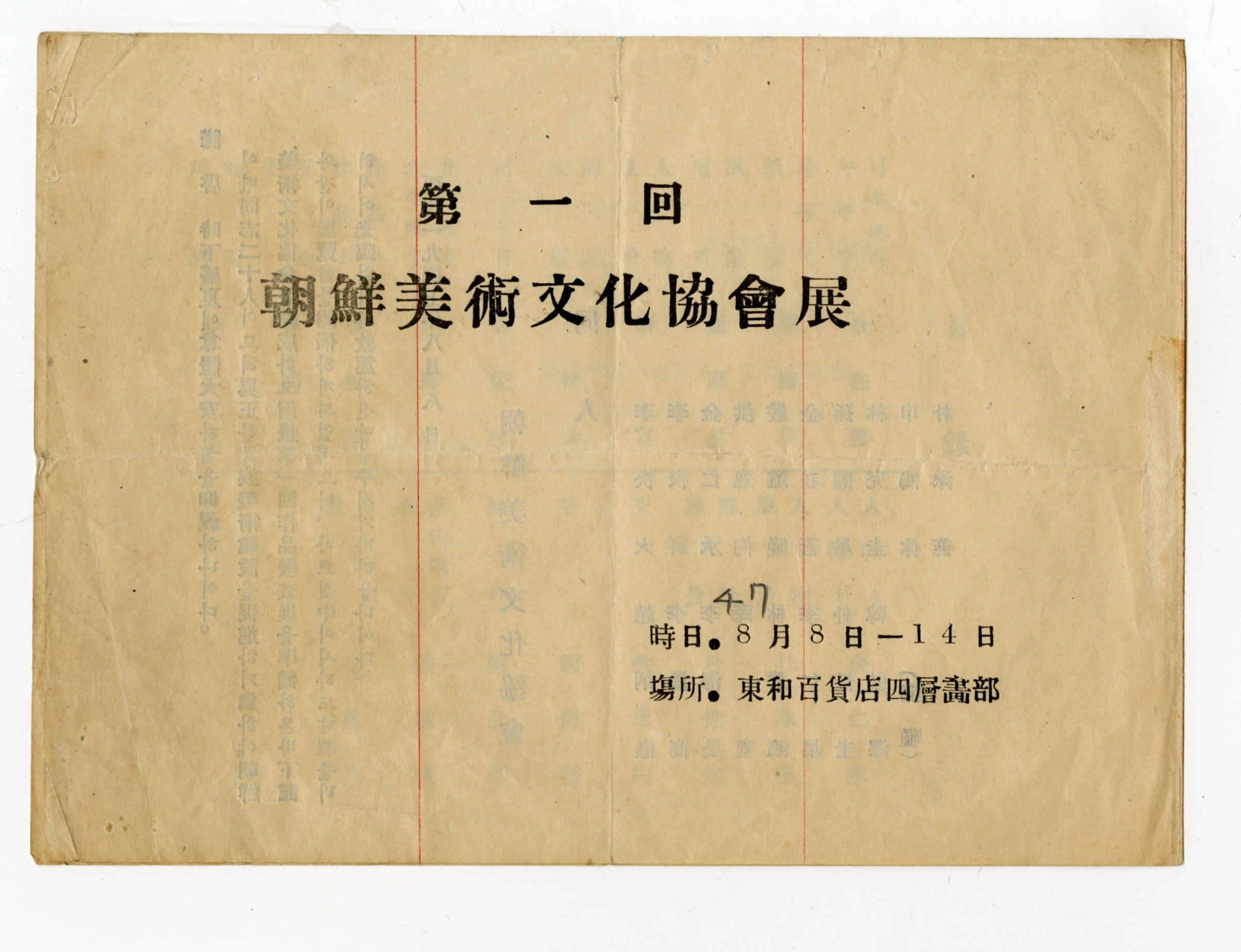
An artist organization formed in June 1947. The chairman was Lee Qoede, and its membership comprised ex-members of the left-wing Korean Artist Federation (Joseon misulga dongmaeng): Lee Kyusang, Kim Insoong, Hong Ilpyo, Eom Doman, Kim Jaeseon, Son Eungsung, Lim Wangyu, Shin Honghyu, Park Youngseun, Cho Byungduk, Lee Bongsang, Lee Haesung, Nam Kwan, Lim Gunhong, Lee Insung, Park Seong-gyu, and Han Hongtaik. The founding of the association caused controversy. Because of its centrist political stance, both the left-wing Korean Art Alliance (Joseon misul dongmaeng) and the right-wing Korean Art Association (Joseon misul hyeophoe) levied criticism. Shortly after its founding, the Korean Art and Culture Association held its first exhibition at the Dong Hwa Gallery in August. The second, third and fourth exhibitions were held at the Dong Hwa Gallery as well: the second in April 1948, the third in November that same year, and the fourth in June 1949.
-

Lee Insung
Lee Insung (1912-1950) was born in Daegu as the second son in a working class family. He graduated Suchang Elemantary School in 1928 and studied water painting at Seo Dongjin’s Daegu Art Studio. He joined a local art group, Hyangtohoe Association, from 1930 to 1934. He was first selected for the eighth Joseon Art Exhibition [Joseon misul jeollamhoe] when he was 17 years old, followed by consecutive special selections from the tenth to fifteenth exhibitions. He won a Changdeokgung Palace award in 1935 and became a Noteworthy Artist in 1937. He moved to Japan in 1931 to attend evening classes at the Taiheiyo Art School and rigorously focused on developing his art. After independence, he worked as an art teacher at Ewha Womans Middle School in 1945 and was a judge of Western painting at the first National Art Exhibition (Gukjeon) in 1949. He died in an accident during the Korean war in 1950. His work often featured vibrant color and free lines, and a creative structure. He pioneered a new style of art that featured the local color of Korea in original new ways.
-
Kim Yongjun
Kim Yongjun (1904-1967, pen name Geunwon) was born in Daegu and first showed his promise as an artist when he was selected for the Joseon Art Exhibition [Joseon misul jeollamhoe] as a high school student. He published art criticism, such as On Reconstruction of Art Circle in Korea and Criticism on Proletarian Art, which demonstrated his potential as an art theorist. He also organized diverse art events, such as Dongmihoe and Baekjman Western Painting Association [Baekmanyanghwahoe] in the 1930s. During his later years, he was more active as an art critic and contributed essays to many newspapers and magazines rather than focusing on creating his own artwork. He participated in creating a magazine, Munjang, in 1939 and published a variety of essays on Eastern painting. After Independence, he contributed to the foundation of the fine arts division at Seoul National University and served as a professor at the Oriental painting department teaching Art History and Theory. He resigned his appointment and moved to Dongkook University because of his involvement in protesting the nationalization of Gyeongseong Imperial University (later Seoul National University). He worked as a dean of the Fine Arts College of Seoul National University for a few months after the outbreak of the Korean War in 1950 but moved to North Korea with his family during the 1950 September 28th restoration of Seoul by US and South Korean forces. He produced several Eastern paintings and published a wide range of art history essays in North Korea. Prior to his migration to North Korea, he wrote a few books such as Geunwonsupil (Essays of Kim Yongjun) (1948) and Joseon misul daeyo (A compendium of Korean art) (1949).
-
Sajin munhwa
As Korea’s first photography magazine, Sajin munhwa (Photography Culture) was first published by the Korean Photography Culture Company [Joseon sajin munhwasa] in July 1948. It was published until its twelfth volume on June 20, 1950 just before the outbreak of the Korean War. Its publisher was Lee Gyuwan, who was a founding member of the Gyeongseong Amateur Camera Club [Gyeongseong amachueo kamera gurakbu] formed in 1937 and engaged in photographic activities of Baekyang Photographers Association [Baegyang sauhoe]. It was published over twenty-four to thirty-two pages and sold for 150 to 200 won. Sajin munhwa introduced the news of photography organizations, the news of domestic and international photography communities, and information about technology and equipment. It also contained a separate section that featured articles articulating authors’ social outlook or their views on photography and articles to aid the understanding of photography theories and technologies. Moreover, the magazine included a section for showcasing prize-winning works at photo contests and competitions. After its chief editor Lee Dongho was abducted to North Korea, Cho Myeongwon, who admired Lee, established the Korean Photography and Culture Publisher (Hanguk sajin munhwasa). He published a total of thirteen volumes of magazines under the same title Sajin munhwa, with the first one issued in May 1956. Sajin munhwa served as the sole photography magazine in the 1950s. Sajin munhwa is viewed to have contributed to the formation of Korean photography circles after Korea’s liberation from Japan by delivering news of the photography community at a time when printing and producing magazines was not easy.
-
Seoul City Cultural Prize
The Seoul City Cultural Prize was established in 1949 by the Board of Education of Seoul after forming the Seoul Culture Committee to select and award individuals who made significant contributions to the development of national art and culture. With the exception of the Korean War period (1951–1953), the prize has been given annually to those who have contributed to the cultural development of Seoul and the promotion of its art and culture. At the time of its establishment, there were five categories: literature, art, theater, music, and craft and architecture. From the second edition (1950), film, academics, and physical education were added, bringing the total to eight. In 1954, it was categorized into literature, art, drama, music, theater, and physical education, and then in 1955 into ten fields of humanities, natural sciences, literature, art, music, theater, film, crafts, physical education, and architecture. In 1961, press and publication were added, and in 1962 dance and broadcasting were added. In 1969, the categories were reduced from fourteen to five (academics, art, press, education, and architecture). Several other changes in these categories were made in the following years. In 1979, the art category was divided into literature, music, art, and entertainment. The winner of the first Seoul City Cultural Prize in the art category was Ko Huidong, and the winner in the craft category was Kim Jingap. The 1950 prize winner in the art category was Chang Louis Pal. The third-edition prize (1954) was awarded to Son Jaehyeong. In 1955, No Soohyeon won the prize in the art category, and Lee Soonsuk won in the craft category. The fifth prize (1956) winners were Kim Yongjin (art) and Kang Changwon (craft); the sixth prize (1957) winners, Ryu Kyungchai (art) and Lee Junrye (craft); the seventh prize (1958) winners, Kim Kyungseung (art) and Paik Taewon (craft); the eighth prize (1959) winners, Chang Woosoung (art) and Jang Gimyeong (craft); the ninth prize (1960) winners, Kim Chongyung (art) and Park Sungsam (craft); the tenth prize (1961) winners, Limb Eungsik (art) and Han Doyong (craft); the 11th prize (1962) winners, Kim Eunho (art) and Yoo Kangyul (craft); the 12th prize (1963) winners, Lee Madong (art) and Paik Taiho (craft); the 13th prize (1964) winners, Lee Byeonggyu (art) and Min Chulhong (craft); the 14th prize (1964) winners, Kim Insoong (art) and Kwon Soonhyung (craft); and the 15th prize (1965) winners, Lee Sangbeom (art) and Lee Shinja (craft). Later prize winners in the art category include Bae Ryeom and Lee Chongwoo, and those in the craft category include Hwang Jonggu and Kim Kyoman. In 1969 and 1970, no artists were recognized, and in 1971 Chun Kyungja was awarded the prize. Among other winners of the subsequent prizes are Byun Chongha, Kim Hyung-geun, Paik Moonki, Kang Taisung, Choi Dukhyu, Kim Kichang, Lee Joon, Kim Youngjung, Choi Jongtae, Oh Seungwoo, and Hwang Yooyup.
-
Nam Kwan
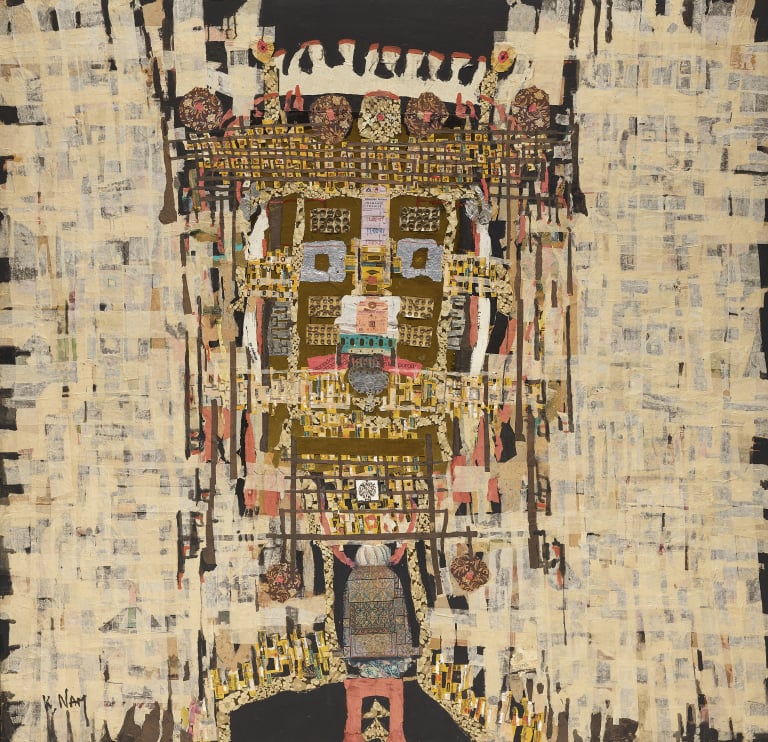
Nam Kwan (1911-1990) graduated from the Taiheiyo Art School in 1935 and performed research for two further years. He submitted his work to the Ministry of Education Fine Arts Exhibition (Munbuseong misul jeollamhoe), Donggwang Group Exhibition, and the Gukhwa Group Exhibition in Tokyo. In 1954, he attended the Académie de la Grande Chaumièrec in Paris and was invited to submit his work to the Avant-Garde Art Exhibition Salon de Mai and Fleuve Art Gallery. After returning to Korea in 1968, he became a professor at Hongik University. Before he went to Paris, he created portrait and landscape paintings, emphasizing lyrical colors and free expression. While Nam Kwan’s early works tended to focus on figuration, he switched to Oriental style of abstraction, influenced by Parisian Art Informel. In 1962, he experimented with abstract works symbolizing ancient letter inscriptions and after his return to Korea in 1968 he developed a style based on mask abstraction. He liked to utilize abstract letters, lines, and figures using blue as an organising palette. Nam Kwan became a leading figure in the abstract art movement in Korea after independence, and he is particularly well-known for reconfiguring ancient inscriptions as abstract idioms within his work.
-

Lim Sukje
Lim Sukje (1918–1994) was an important modern and contemporary Korean photographer. He joined the Korean Photography Alliance [Joseon sajin dongmaeng], which was founded on June 13 in 1947 in Jongno, Seoul. As a member of the first squad of the cultural operation unit of the Korea Federation of Cultural Organizations [Joseon munhwa danche chongyeonmaeng], a representative left-wing organization, Lim led activities to build a new culture in the newly liberated environment. Together with other members of the Korean Photography Alliance, he participated in a traveling exhibition of the cultural operation unit hosted by the Busan Sinmun newspaper company in June 1947 by submitting press photos of the U.S.–Soviet Joint Committee, documentary photos of the Namsan Mayday event, and photos of left-wing leaders. By doing so, he widely disseminated historical records of the time to the public. From August 7 to 14 in 1948, he held The First Solo Exhibition of Art Photography by Lim Sukje at Dong Hwa Gallery. According to the photographer Hyun Ilyeong, Lim Sukje Art Photography Solo Exhibition is significant as “the first solo photography exhibition held after Korea’s liberation from Japan by overcoming the extreme shortage of photographic materials.” Given that Lee Taeung, a chairman of the Korean Photography Alliance, wrote a recommendation and that other alliance members presented their works in support of him, Lim’s solo exhibition shows the last activity of the alliance members before they were removed from the organization’s roster. The photos displayed in Lim’s solo exhibition featured men engaging in manual labor, including a laborer carrying imported food at the Incheon wharf, another in a workplace, and a tenant farmer. Accordingly, his photography was considered to break away from traditional painterly and romantic styles, pursuing instead stark and hard-edged realism. In 1952, Lim served as president of the Korean Photographic Art Research Association [Daehan sajin yesul yeonguhoe]. He continued to develop his creative oeuvre by holding nine solo exhibitions until 1962.
-

Korean Calligraphy and Painting Association of Peers
An association formed by calligraphers and artists in September 1945, with the calligrapher Son Jaehyeong as chairman. The stated goal of the association was “to become one of the pillars on which to build a nation upon, and to contribute to national culture through social activism.” The association held the first Korean Painters and Calligraphers Exhibition at the Dong Hwa Gallery in April 1946. The second Joseon Painters and Calligraphers Exhibition was held at the Deoksugung Museum of Art in November 1948. Its membership comprised 60 artists including Oh Sechang, Kim Yongjin, An Jongwon, Kim Eunho, No Soohyeon, Lee Ungno, and Lee Sangbeom. Son Jaehyeong, the chairman, was a student of Kim Donhee, a celebrated calligrapher and four-time president of the Calligraphy and Painting Association [Seohwa hyeophoe]; and he served as a panel judge for the Joseon Art Exhibition during the Japanese colonial rule of Korea and once again for the Korean Art Exhibition after independence. He was a leading figure in the field of Korean calligraphy in the 20th century.
-
Eastern Painting Research Institute
The Eastern Painting Research Institute [Dongyanghwa yeonguso] is an Eastern painting education institution located at 23, 2-ga Hoehyeon-dong in Seoul. It was founded in December 1948 by mid-career Eastern-style painters, Kim Kichang, Park Rehyun, Lee Geonyeong, Lee Seokho, Lee Palchan, Chung Chong-yuo, and Cho Joonghyun to contribute to the establishment of national art. Both male and female students were recruited, and the first day of classes was December 5, 1948. Before the establishment of the institute, the seven founding artists held the exhibition Seven Eastern Painters from September 25 through October 1 in the same year at Dong Hwa Gallery. This exhibition led to the opening of the institute. Their activities reflect the time when the growth of aspiring painters and art enthusiasts resulted in the proliferation of private training centers.
-
New Realism Group
The New Realism Group [Sinsasilpa] was a group of abstract artists, such as Kim Whanki, Yoo Youngkuk, and Lee Kyusang, who, through their work sought to represent the conceptualization of a pure Plasticism. One of the most influential groups in Korean modern art, the name “New Realism Group” was created by Kim Whanki. This originated from his foundational idea that the artists of the group should pursue new types of realistic painting. Since they considered that all forms, including abstract ones, ultimately belong to experiential reality, the ambition of the group was to contribute to the perception of a “new formation of reality”. Their inaugural exhibition was held at Hwashin Department Store's gallery from December 7th to 14th, 1948. Chang Ucchin then joined the group for the second exhibition, followed by Lee Jungseop and Paek Youngsu for the third. They disbanded the group after the third exhibition, which was staged at the temporarily relocated National Museum in Busan from May 26th to June 4th, 1953. The works of the New Realism Group navigated a path between figuration and non-figuration through the deployment of abstract expressionist idioms, while also making use of visual elements taken from nature, everyday life, and real-life materials. The New Realism Group were pioneers of a new style of Korean abstract art, one which they realized as an attempt to create a new artistic perspective that could exist outside the pervasive right-left ideological struggle that defined the politically, economically, socially, and culturally unstable Cold War period of Korea. A retrospective exhibition for the group was held at the Won Gallery from September 23rd to 30th, 1978, and a sixtieth commemorative exhibition was held at the Whanki Museum from November 9th in 2007 to January 13th, 2008.

Sign Up for Email Updates