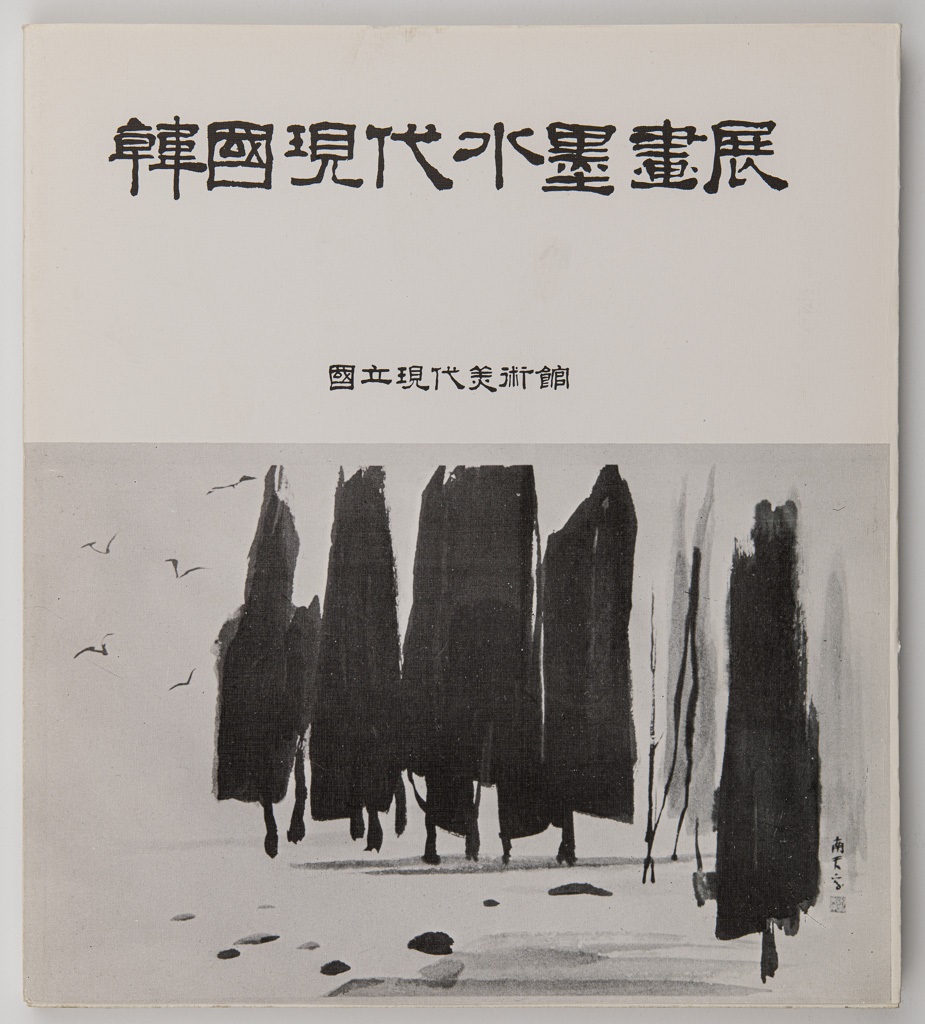
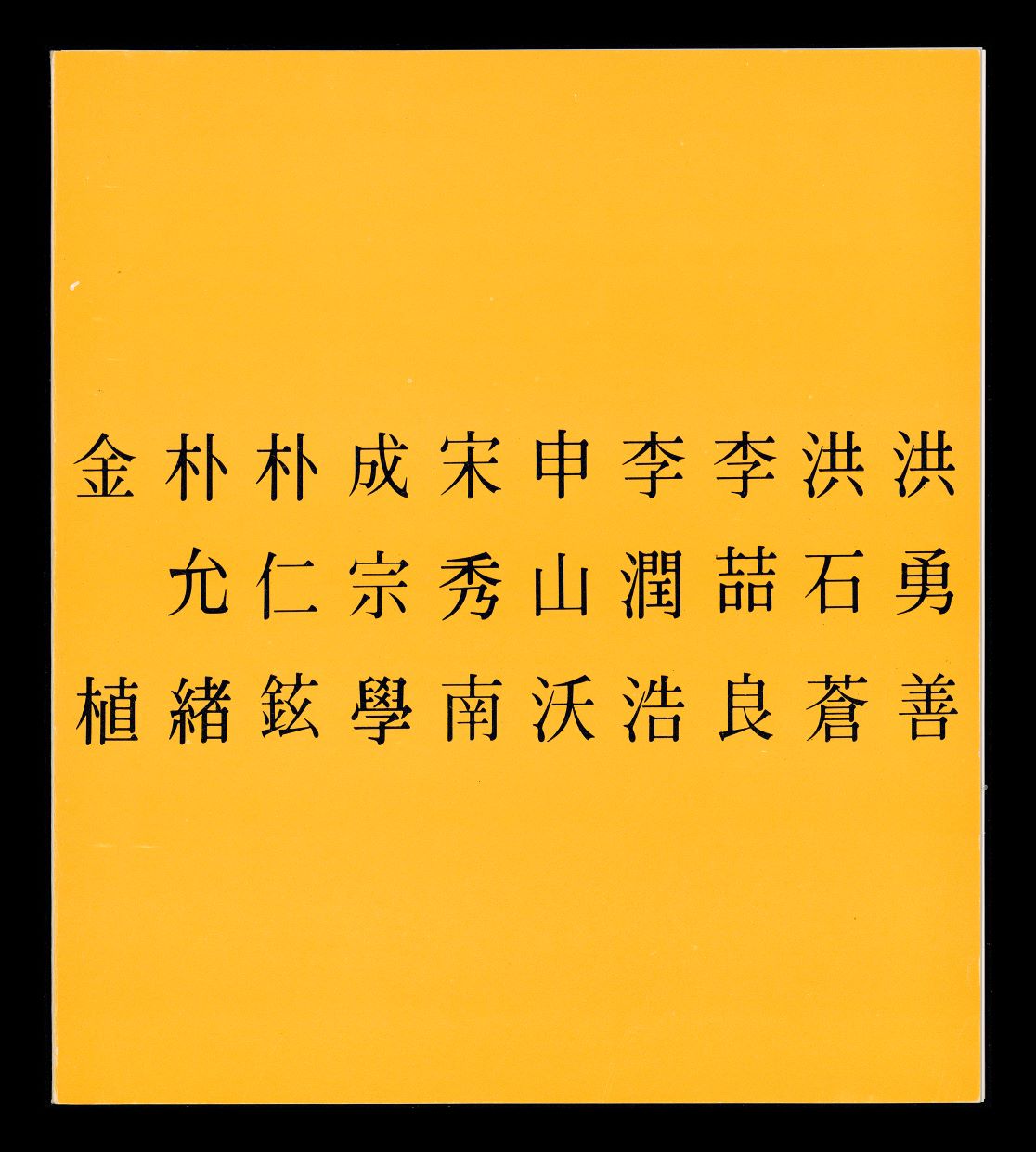
Korean Contemporary Ink Wash Painting, Catalog, 1981, MMCA Art Library
Korean Contemporary Ink Wash Painting


* Source: MMCA
Related
-
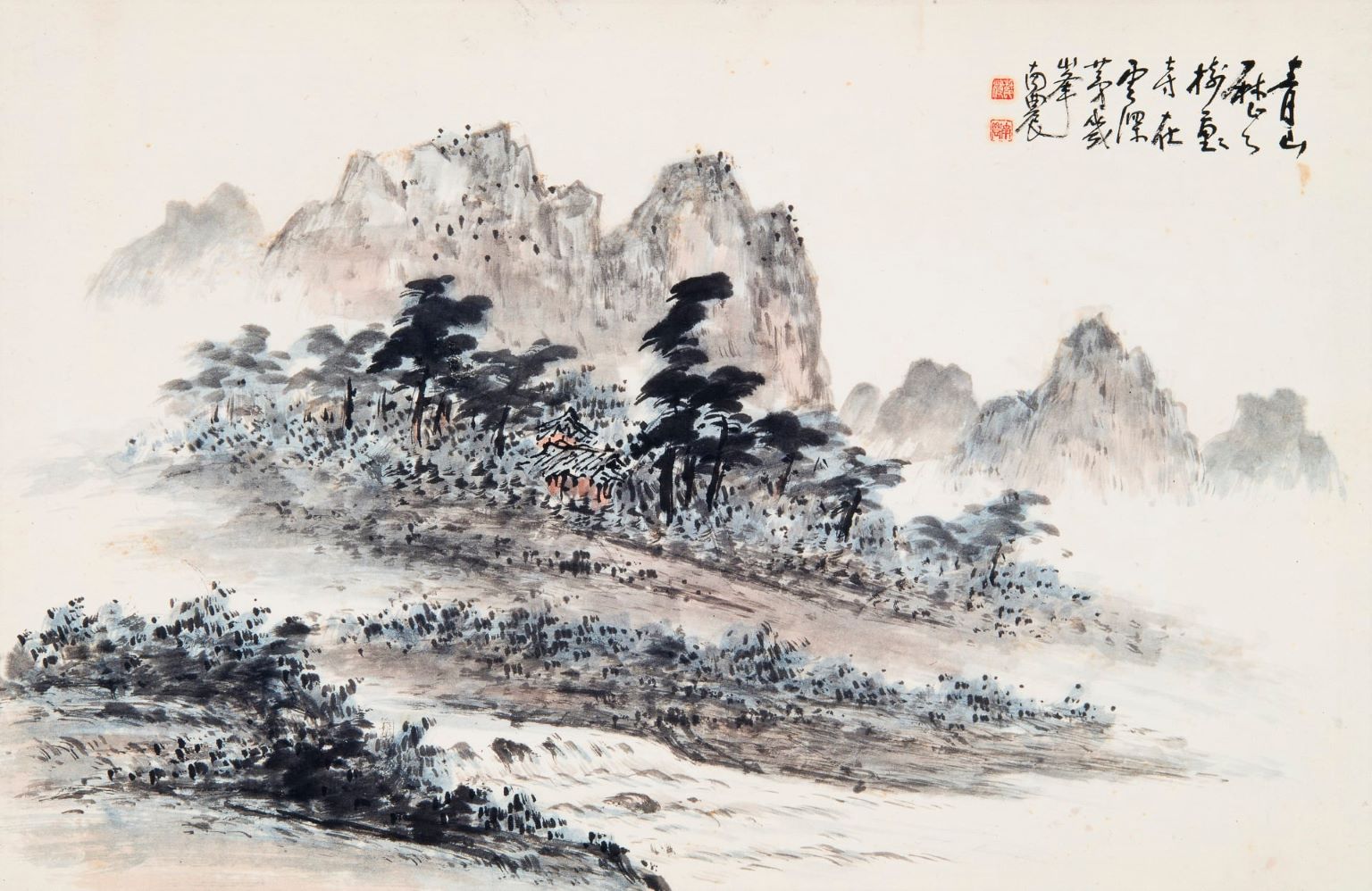
Eastern painting
Eastern painting (dongyanghwa) refers to the overall body of works created using traditional East Asian materials and methods, in contrast to Western painting. In Korea, Byeon Yeongro’s essay “On Eastern Painting” published in Dong-A Ilbo on 7th, July, 1920 was the first use of the term. The term then began to be used in Japan first to distinguish Oriental style paintings from Western ones. Until the late Joseon era, both calligraphy and painting were categorized under the term seohwa, but during the Japanese occupation of Korea in 1922, the first Joseon Art Exhibition [Joseon misul jeollamhoe] divided the painting section into Western and Eastern styles. Thereafter, the term Eastern-style painting entered official use in the country. After independence, the National Art Exhibition (Gukjeon) continued to use the term “Eastern painting,” but since 1970, numerous arguments were made to replace it with "Korean painting," because the term was imposed unilaterally during the Japanese colonial era.
-
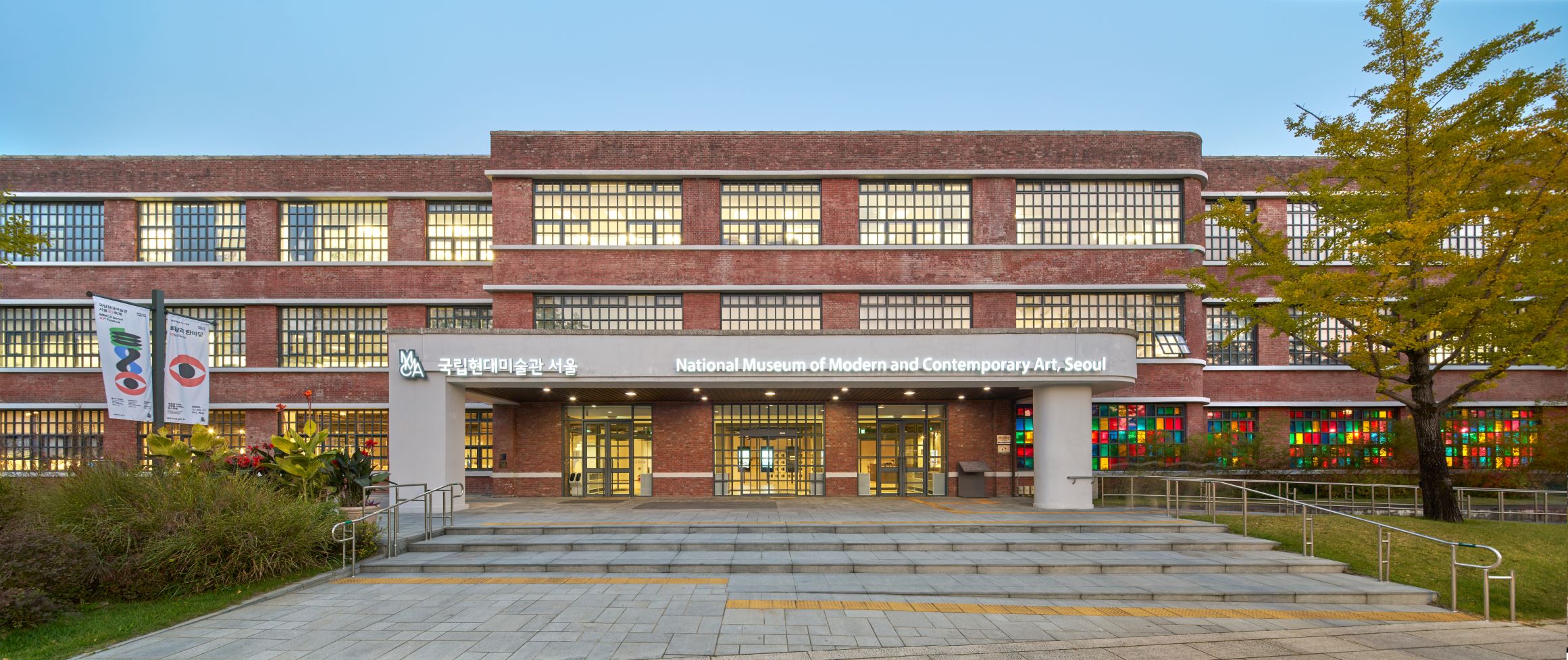
National Museum of Modern and Contemporary Art, Korea (MMCA)
A national museum established in 1969 that researches, collects, and exhibits modern and contemporary art. As of 2018, there are branches in Gwacheon, Deoksugung, Seoul, and Cheongju. When first established, the National Museum of Modern Art (now MMCA) was located within Gyeongbokgung palace. In 1973, the museum moved to the East Wing of the Deoksugung Seokjojeon building. Then, in 1986, the museum moved to its current location in Gwacheon, to occupy a new building equipped with an outdoor sculpture exhibition space, and has since opened a new chapter in Korean art. The perceived need for a space to focus specifically on Korean contemporary art led to the establishment of further site, the National Museum of Contemporary Art, Deoksugung in 1998. In November 2013, a further demand for contemporary art exhibitions led to the establishment of another Seoul branch being created in the Defense Security Command building in Sogyeok-dong, Jongno-gu, which has since its inception engaged in multifaceted exhibitions of both domestic and overseas contemporary art. Also, as a further component of the MMCA complex, a disused tobacco factory in Cheongju was remodeled to provide a home to the National Art Storage Center.
-
Ink Wash Painting Movement
A series of exhibitions and projects from the early to mid-1980s that Song Soonam, a professor of Eastern-style painting at the Hongik University, and his junior colleagues and students planned and participated in. These exhibitions emphasized the formal characteristics and spirituality of ink painting. The group held the Korean Contemporary Ink Painting Exhibition (1981) at the National Museum of Modern Art, Korea (now MMCA) and the Four Masters of Ink Painting (1982) at the Dongsanbang Gallery. The term “Ink Wash Painting Movement” was first used by art critic You Hongjune in the introduction to the Today’s Ink Painting Exhibition (1982) at Songwon Gallery, and exhibition led by Song Soonam, with the participation of 10 of his junior colleagues and students. Song went on to organize numerous other group exhibitions of ink painting until 1985. While there is not a unified style, the movement experimented continuously with the idea of Eastern spirituality as somehow embodied within the traditional format of ink painting, as well as attempting to extend the expressive potential of the medium. The painters under the movement were the people who promoted the term “hangukwa (Korean painting).”
Timelines

Sign Up for Email Updates