
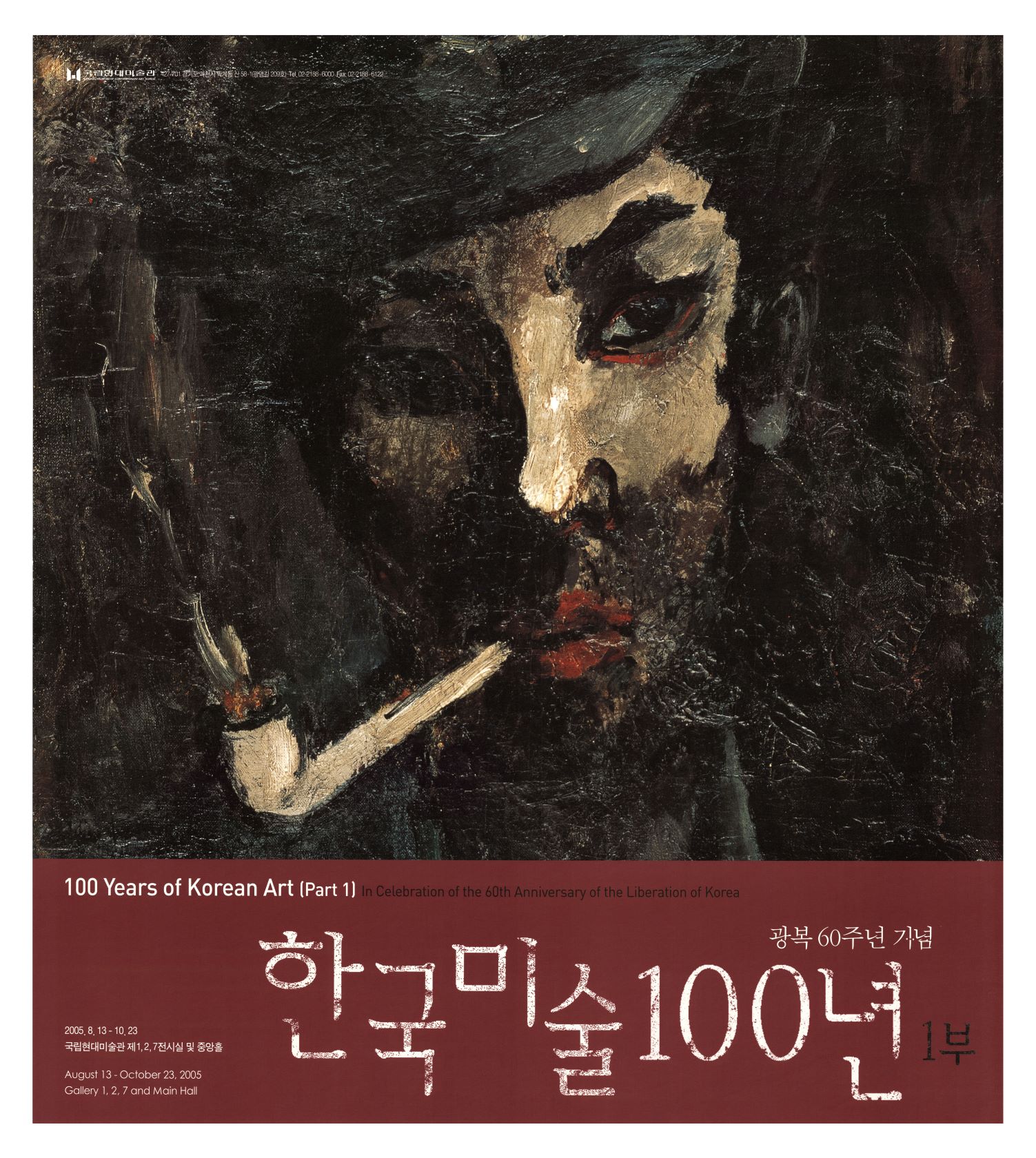
100 years of Korean art Part 1, In Celebration of the 60th Anniversary of the Liberation of Korea, Poster, 2005, MMCA Art Research Center Collection
100 years of Korean art


* Source: MMCA
Related
-
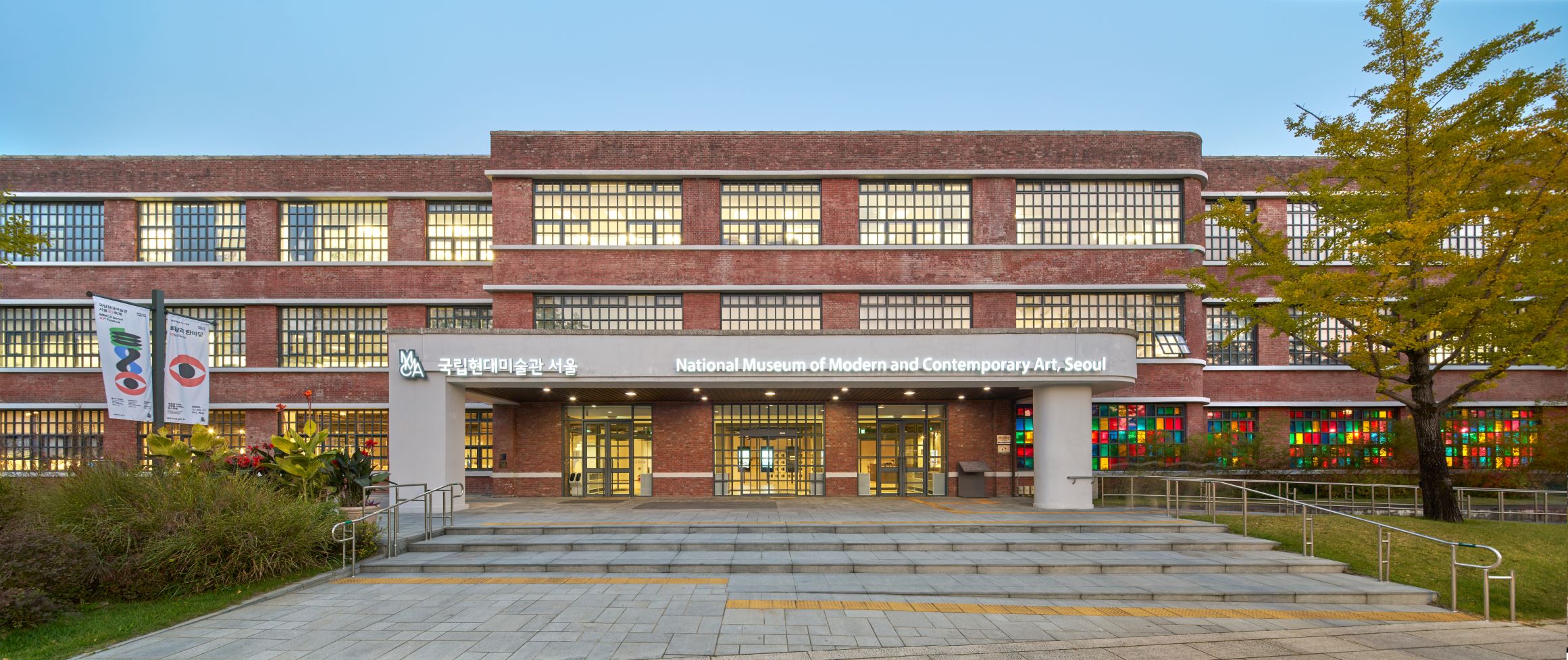
National Museum of Modern and Contemporary Art, Korea (MMCA)
A national museum established in 1969 that researches, collects, and exhibits modern and contemporary art. As of 2018, there are branches in Gwacheon, Deoksugung, Seoul, and Cheongju. When first established, the National Museum of Modern Art (now MMCA) was located within Gyeongbokgung palace. In 1973, the museum moved to the East Wing of the Deoksugung Seokjojeon building. Then, in 1986, the museum moved to its current location in Gwacheon, to occupy a new building equipped with an outdoor sculpture exhibition space, and has since opened a new chapter in Korean art. The perceived need for a space to focus specifically on Korean contemporary art led to the establishment of further site, the National Museum of Contemporary Art, Deoksugung in 1998. In November 2013, a further demand for contemporary art exhibitions led to the establishment of another Seoul branch being created in the Defense Security Command building in Sogyeok-dong, Jongno-gu, which has since its inception engaged in multifaceted exhibitions of both domestic and overseas contemporary art. Also, as a further component of the MMCA complex, a disused tobacco factory in Cheongju was remodeled to provide a home to the National Art Storage Center.
-
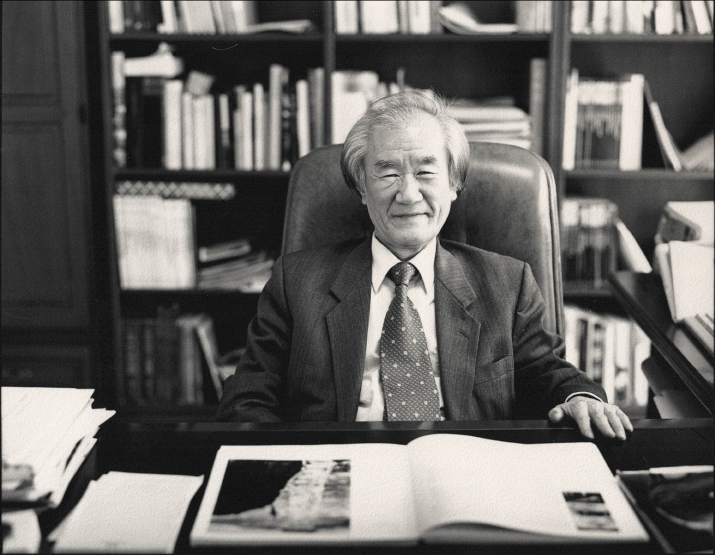
Kim Yoon-Soo
Kim Yoon-Soo (1936-2018) belongs to the first generation of Korean art critics. In the 1970s when his contemporaries centered their criticism on modernist art, he gave a critical voice to Korean modernity from the perspective of realist aesthetics. In the 1980s, he began to actively engage himself in criticism while aligning himself with Minjung artists. Born in Yeongil, Gyeongsangbuk-do Province in 1936, Kim Yoon-Soo graduated from the Department of Aesthetics in the College of Humanities at Seoul National University and from the same graduate school. In 1969, Kim participated in the formation of the Reality Group [Hyeonsil dongin]. Following “Art and Alienation” in Changjak gwa bipyeong (Creation and Criticism) in the spring of 1971, he published articles on Korean modern and contemporary artists, such as Ko Huidong, Lee Jungseop, Park Sookeun, Kim Whanki, and Oh Chiho. In 1975, he published his only book, Hanguk hyeongdae hoehwasa (The History of Korean Contemporary Painting; Hanguk Ilbo newspaper company). In the 1980s, he presented his critical writings that supported new figurative artists mainly in Gyegan misool (Art Quarterly), serving as a spiritual anchor for Minjung art movement. After his death, Kim Yoon-Soo jeojakjip (Collected Writings by Kim Yoon-Soo) (Changbi, 2019), a collection of his writings, was published. In addition to criticism, Kim wrote Geundae hoehwa sosa (A Short History of Modern Painting) (Iljisa, 1972) and translated several publications, including Bauhaus (Mijinsa, 1978), Geojangdeurui jahwasang (Self-Portraits of Masters) (Jiinsa, 1978), Hyeongdae misurui wolli (The Philosophy of Modern Art) (Youlhwadang, 1981), Pikasoui seonggonggwa silpae (The Success and Failure of Picasso) (Mijinsa, 1984), and Hyeondae misulsaron (Modern Art: Nineteenth and Twentieth Centuries) (Kkachi, 1989). He was an art educator and worked as the head or director of major art organizations and art museums. For example, he served as a professor at Ewha Womans University (1973–1976) and Yeungnam University (1980–1981), a publisher of Changjakgwa bipyeong, the president of Changbi Publishers (1983–1988), the director of the Seoul Museum (1981–1982), the board chairman of the Korean People's Artist Federation (2000–2008), and the director of the MMCA (2003–2008).
Timelines

Sign Up for Email Updates