

Lee Insung, Calla, 1932, Watercolor on paper, 72.5×53.5cm. MMCA collection
Lee Insung


* Source: Multilingual Glossary of Korean Art. Korea Arts Management Service
Related
-
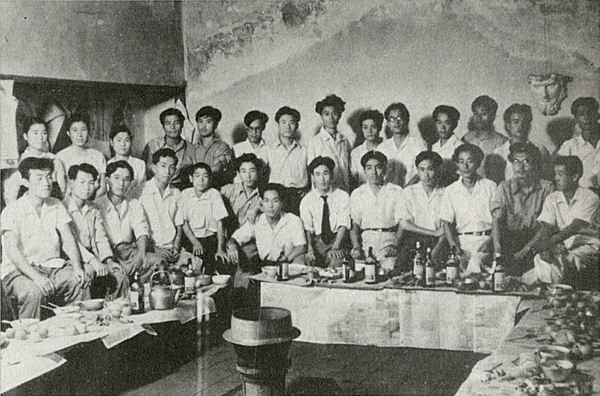
Seongbuk Painting Academy
The Seongbuk Painting Academy is an art research institute founded by Western-style oil painter Lee Qoede in 1947. From 1946 to 1947, the institute was located within a forty-meter square space in Donam-dong rented by Lee Qoede. In 1948, the institute moved to Myeongnyun-dong, where it stayed until 1949. The institute recruited students to teach various subjects including anatomy, art theory, croquis, and figure drawing. Students also participated in Lee Qoede's masterpiece A Crowd series. Kim Suhbohng, Kim Souckchin, Kim Tschang-Yeul, Nam Kyungsuk, Shim Chookcha, Lee Youngeun, Lee Yonghwan, Chang Seongsoun, Jeun Loijin, Jeong Jeonghui were all educated at the institute. In 1950, Lee Qoede co-founded the Seoul City Art Research Institute with Lee Haesung to continue his pedagogical method.
-
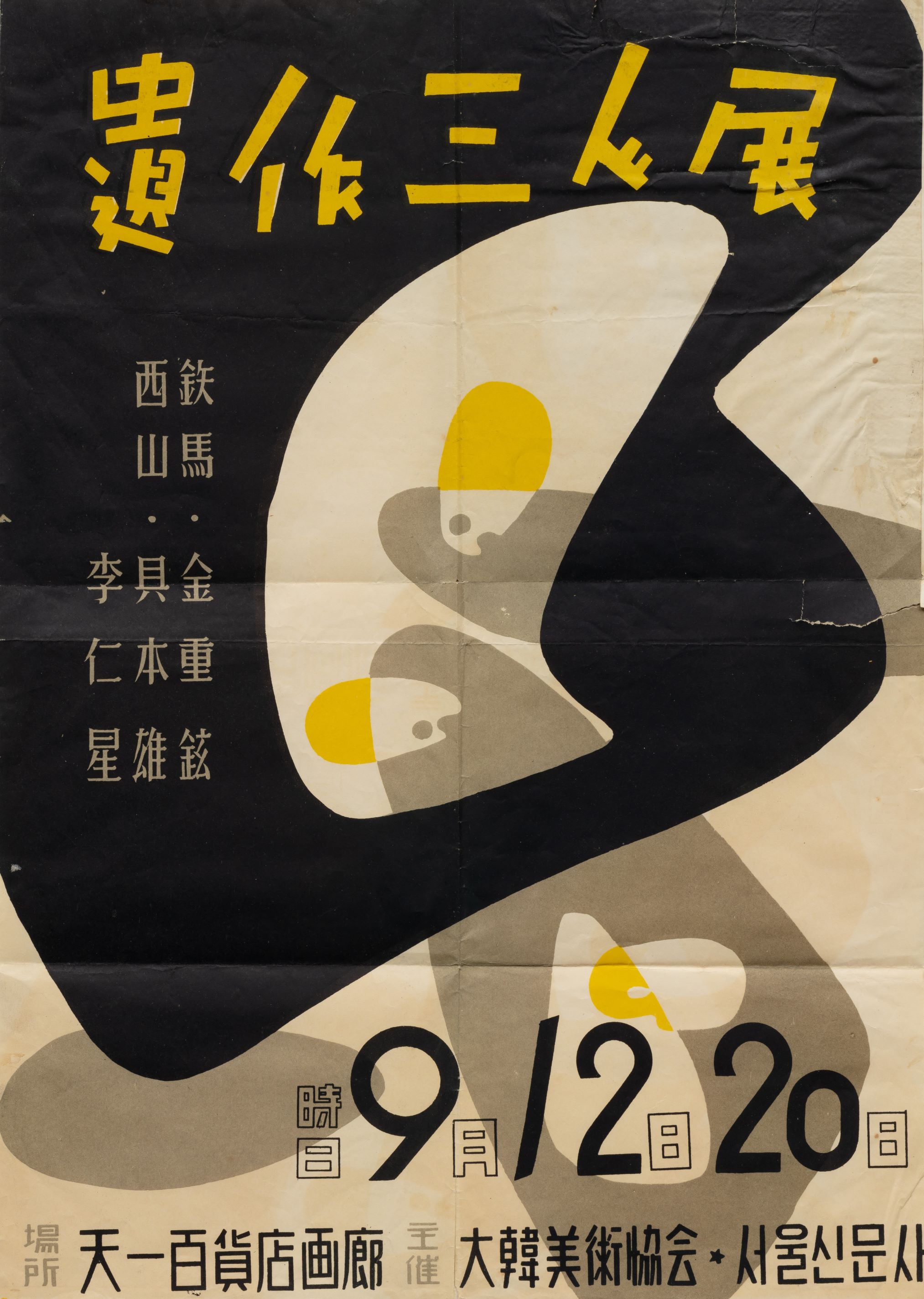
Cheonil Gallery
A gallery that opened in July 1954 on the fourth floor of the Cheonil Department Store, which was located in Jongno 4-ga, Seoul. The gallery was established by Lee Wansuk, an alumnus of the Department of Design at the Taiheiyo Art School of Tokyo, for the purpose popularizing art culture. The gallery engaged in a wide range of activities: art sales, art loaning, appraisal, introducing Korean art overseas, holding lectures on art, and mounting artwork. The inaugural exhibition was the Contemporary Artists Exhibition, which featured 40 artists active in Eastern art, Western art, and sculpture. The 2nd exhibition drew attention for featuring the posthumous work of Kim Junghyun, Gu Bonung, and Lee Insung, but the gallery closed after about six months.
-

Korean Artist Federation
An organization formed in February 1946 under the leadership of Kim Jukyung, Lee Insung, and Oh Chiho, who had recently left the Korean Art Association (Joseon misul hyeophoe). Additionally, numerous members of the Korean Art Alliance (Joseon misul dongmaeng) also joined the organization. The president of the Korean Art Association, Ko Huidong, became a member of the Citizens Emergency Council, a group closely aligned with Rhee Syngman, despite his claims to political neutrality. This drew criticism from the artists of the Korean Artists Association and provided the impetus for the establishment of the Korean Artist Federation (Joseon misulga dongmaeng). The governing body was the Central Executive Committee, which oversaw seven departments: the Painting Department, Art Critique Department, Children’s Art Department, Art Education Department, Performing Arts Department, Sculpture Department, and Crafts Department. The organization followed a five-point doctrine: First, eliminate the remnant influences of the Japanese Empire; second, reject all nationalistic and decadent artistic trends; third, establish a new movement of national art; fourth, form a partnership with the international art community; and fifth, attempt to achieve enlightenment of the general population through art and the education of future artists. The inaugural exhibition was from June 24 to June 31, 1946, at the Hwasin Gallery. In addition to exhibitions, the group also engaged in the production of promotional art, such as posters for the Democratic People’s Front.
Timelines

Sign Up for Email Updates