Search Results
Timeline
-
2009
Gyeonggi Creation Center (Ansan, Gyeonggi-do, October 29) opens. Established by remodeling the former Gyeonggi Provincial Vocational Training School, it is a large-scale art residency supporting the creative and research activities of Korean and international artists. Sixteen Korean artists move...
-
2009
Sindang Art Arcade (basement of Jungang Market, Seoul, October 16) opens as a craft and design-focused residency space under the Seoul Foundation for Arts and Culture. The space consists of thirty-five studios created by remodeling vacant shops, along with shared workshops. Centered on craft and...
-
2009
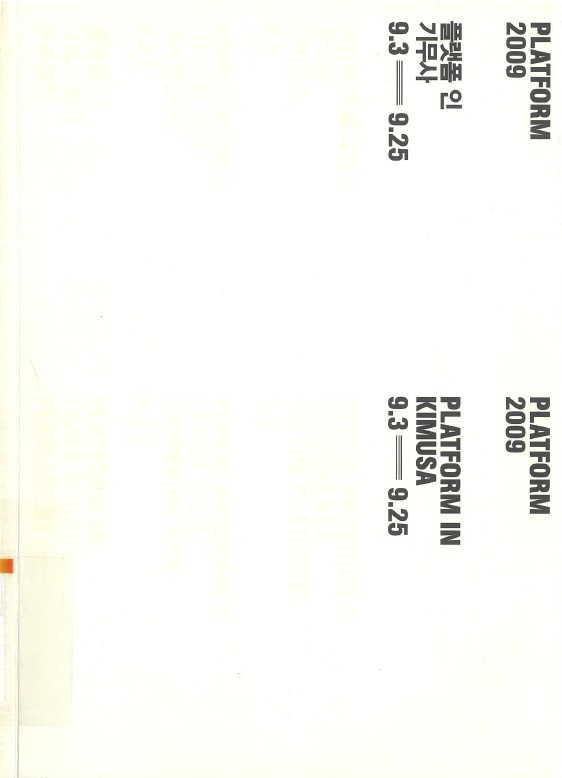
Platform Seoul 2009 Platform in Kimusa (Art Sonje Center and Kimusa, the former Defense Security Command site, Seoul, September 3–25) is held. The project seeks to narrow the gap between art and life and to expand the meaning of public art into architectural projects. Site-specific...
-
2009
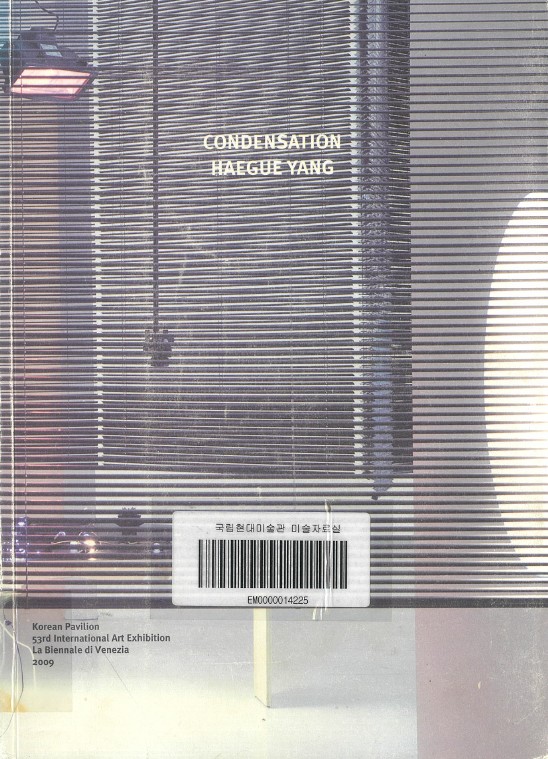
The Fifty-Third Venice Biennale (June 7–November 22) is held. Directed by Daniel Birnbaum under the theme “Making Worlds,” the exhibition brings together artists from seventy-seven countries. Joo Eungie serves as commissioner of the Korean Pavilion, which is presented as a solo...
-
2008
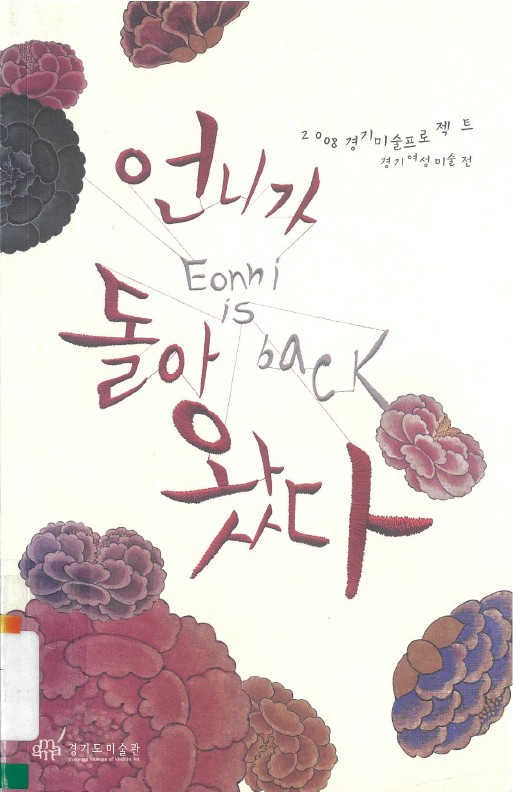
Eonni Is Back (Gyeonggi Museum of Modern Art, Ansan, Gyeonggi-do Province, October 1–January 4, 2009) is held. Highlighting Korean women’s art, the exhibition is organized into four themes: “Womad,” “Herstory,” “Sister Act,” and “Femme...
-
2008
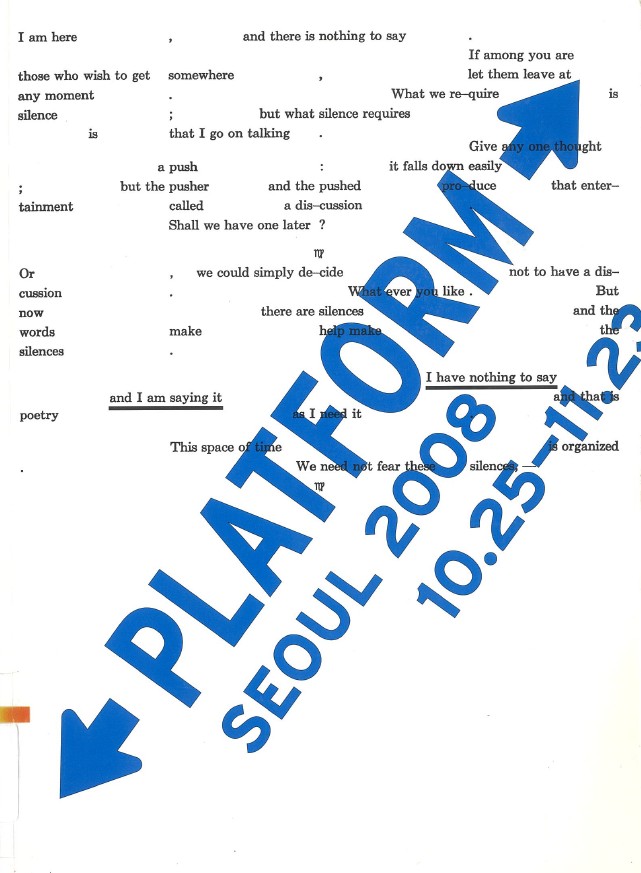
Platform Seoul 2008 I Have Nothing to Say and I Am Saying It (Art Sonje Center, the former Seoul Station, and galleries across Jongno-gu, Seoul, October 25–November 23) is held across twelve venues. Taking its title from a statement by John Cage, the exhibition presents works that...
-
2007
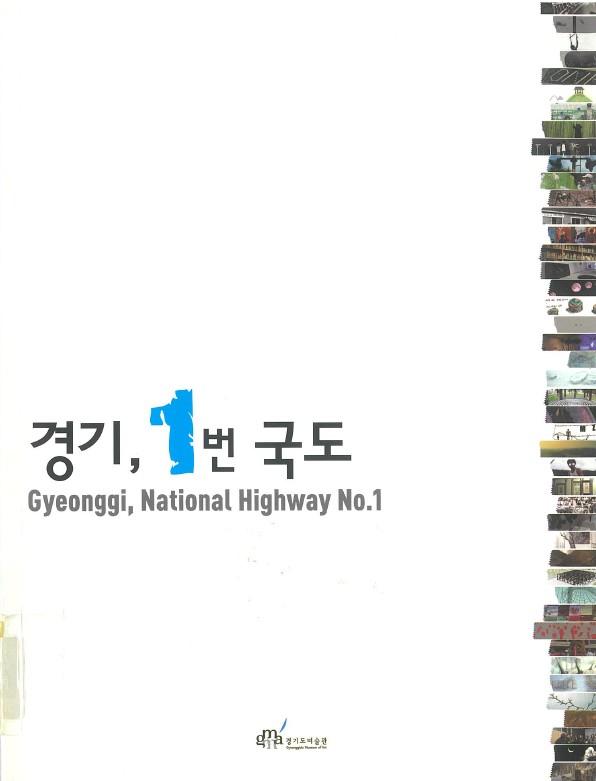
Gyeonggi, National Highway No. 1 (Gyeonggi Museum of Modern Art, Danwon-gu, Ansan, Gyeonggi-do Province, November 10–January 23, 2008) is held. The exhibition addresses contemporary issues facing Gyeonggi-do Province, including urbanization, division following the Korean War, and...
-
2007
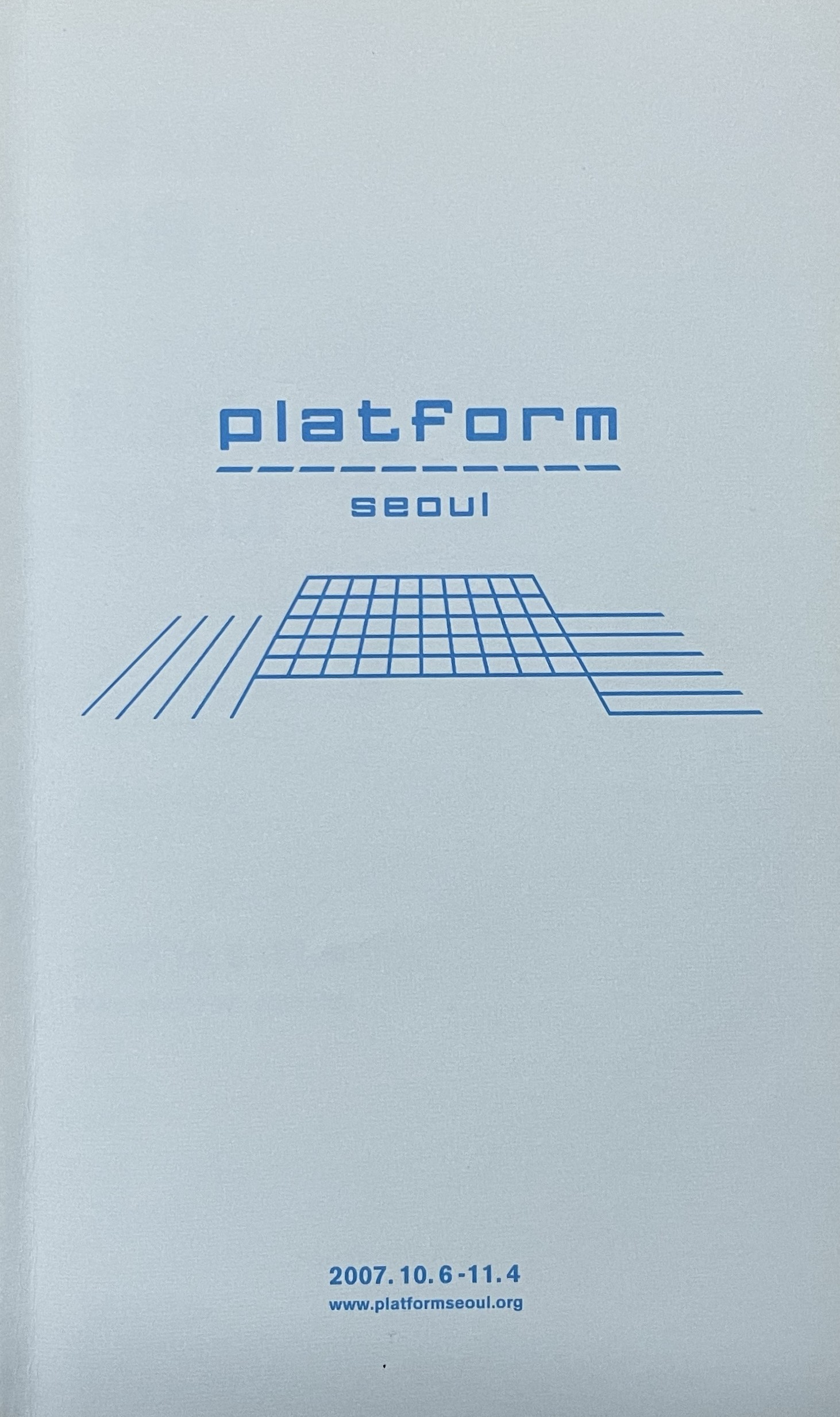
Platform Seoul 2007 (Kumho Museum of Art, Art Sonje Center, and seventeen galleries in Bukchon, Seoul, October 6–December 2) is held. Co-curated by Kim Sunjung and David Ross and organized by SAMUSO, it is a citywide exhibition platform. The exhibition Tomorrow is held at Kumho Museum of Art...
-
2007
The First Spring Wave Festival (May 4–30) is held. Directed by Kim Sungwon and Kim Seonghee (b. 1967), the international arts festival encompasses contemporary dance, theater, visual art, music, and performance. Performances and programs take place at ARKO Arts Theater, Seoul Arts Center, LIG...
-
2006
Platform Seoul 2006 Somewhere in Time (Art Sonje Center, Seoul, December 4, 2006–April 1, 2007) is held. Under the theme of the relationship between society and art, nineteen Korean and international artists participate, including Koh Sankeum, Kim Beom, Kim Sora, Kim Youngeun, Kim...
-
2006
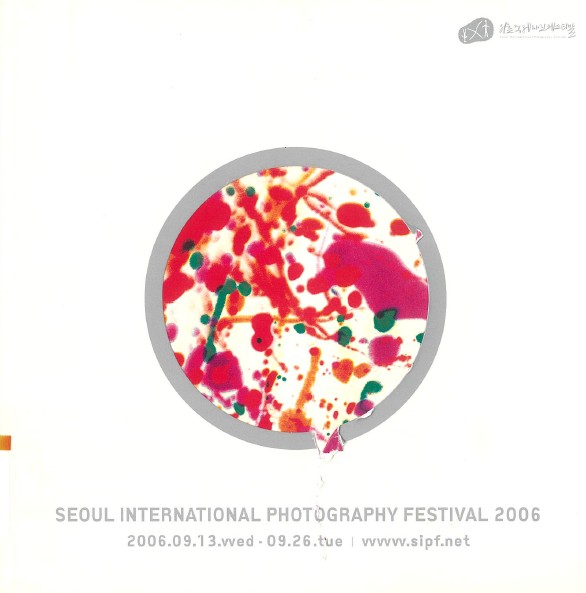
The First Seoul International Photography Festival (Insadong, Jongno-gu, Seoul, September 13–26) is held. Chaired by Sung Wan-kyung, the festival consists of the main exhibition Ultra Sense, special exhibitions, and public programs. Thirty Korean and international artists participate,...
-
2006
Nanji Residency Seoul Museum of Art opens in Seoul. Established through the renovation of a former leachate treatment facility at Nanjido, the residency includes studios and exhibition spaces. Seventeen artists are selected for the first residency program, including Kim Yunsu, Kim Hojun, Noh...
-
2006
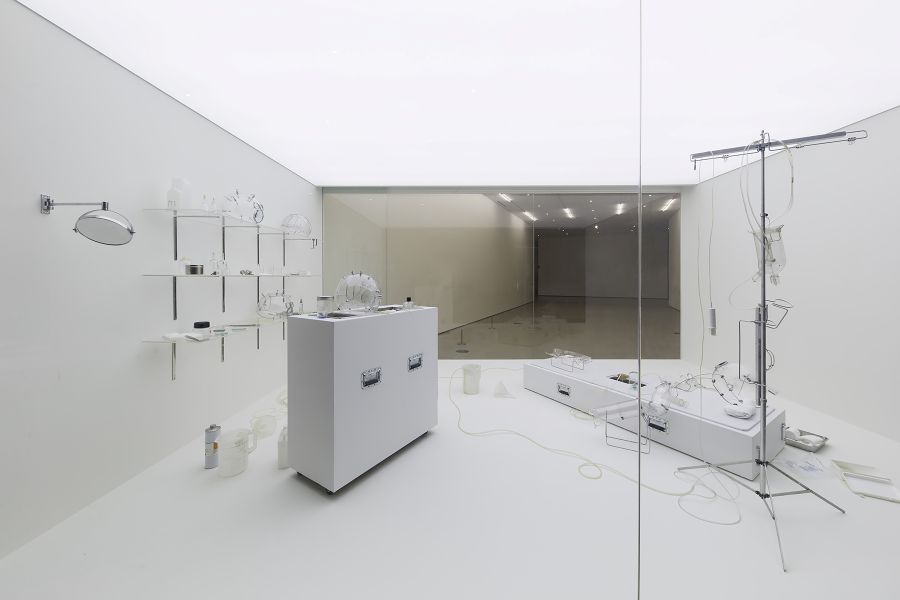
Art Spectrum 2006 (Leeum, Samsung Museum of Art, Seoul, February 16–May 14) is held. Fourteen artists and artist groups participate, including Sung Hwan Kim and A Lady from the Sea (Nina Yuen), Park Sanghyun, Park Yoonyoung, Son Jungeun, Song Sanghee, Lee Zune + Chang Jaeho, Lee...
-
2005
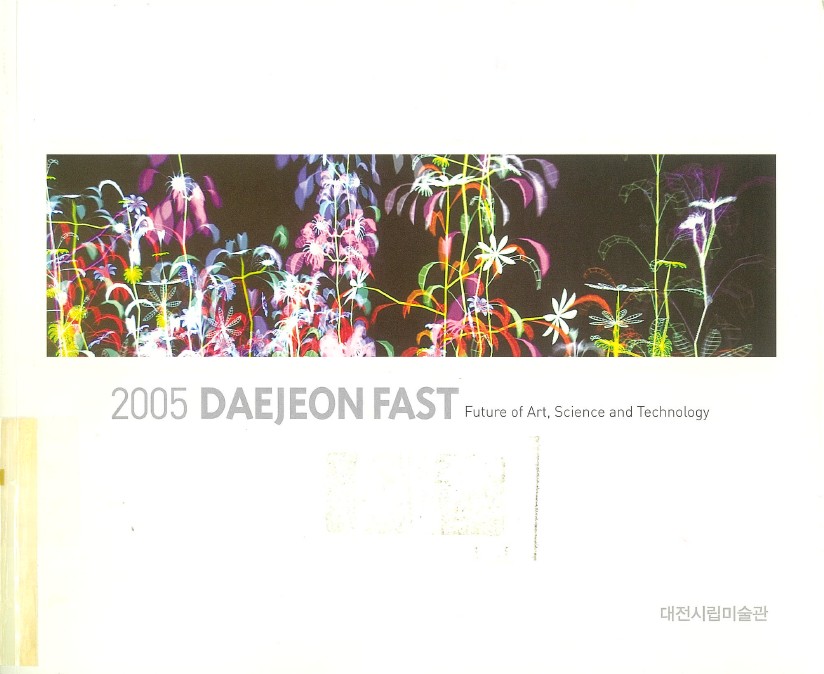
Daejeon FAST: Future of Art, Science and Technology (Daejeon Museum of Art, KBS Daejeon Broadcasting Center, Alternative Space Banjihwa, Yuseong Cultural Center, and Hanbat Library, Daejeon) is held. Based on the Innopolis Daedeok, the exhibition highlights Daejeon’s identity as a city of...
-
2005
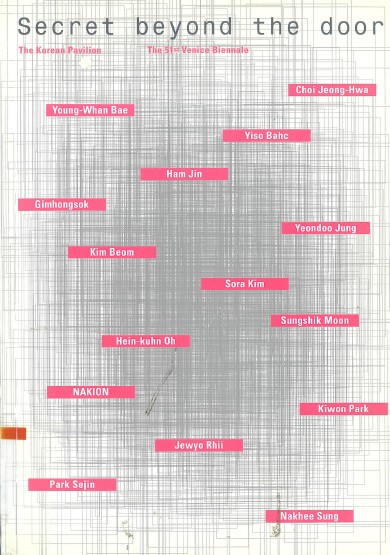
The Fifty-First Venice Biennale (June 12–November 6) is held. Directed by Maria de Corral and Rosa Martínez under the themes The Experience of Art and Always a Little Further, the exhibition brings together more than three hundred artists from seventy-three countries....
-
2004
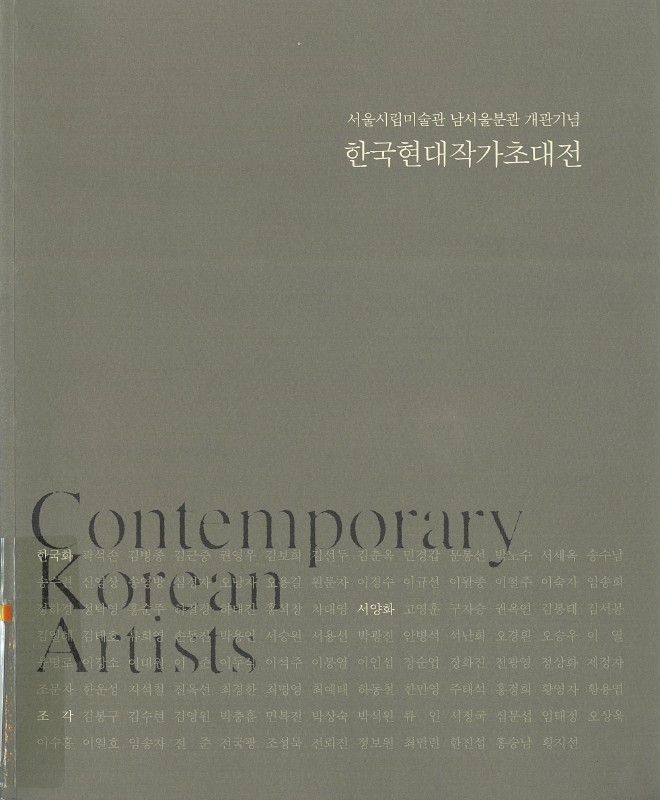
You Are My Sunshine: Korean Contemporary Art 1960-2004 (Total Museum of Contemporary Art, Seoul, October 15-December 5) is held, curated by Lee Youngchul. The exhibition surveys the development of Korean contemporary art since the 1960s. A total of forty-eight artists participate, including...

-
2004
Songhee, Chung Takyoung, Chung Hakyung, Cha Daeyoung, Ha Chulkyung, Ha Taejin, Hong Sukchang, Hong Soonjoo (Korean style painting); Ko Younghoon, Koo Chasoong, Kwon Okyon, Kim Bongtae, Kim Seobong, Kim Il-Hae, Kim Taeho, Ryu Heeyoung, Park Kwangjin, Park Yongin, Suh Seungwon, Suh Yongsun, Suk Ranhi,...
-
2004
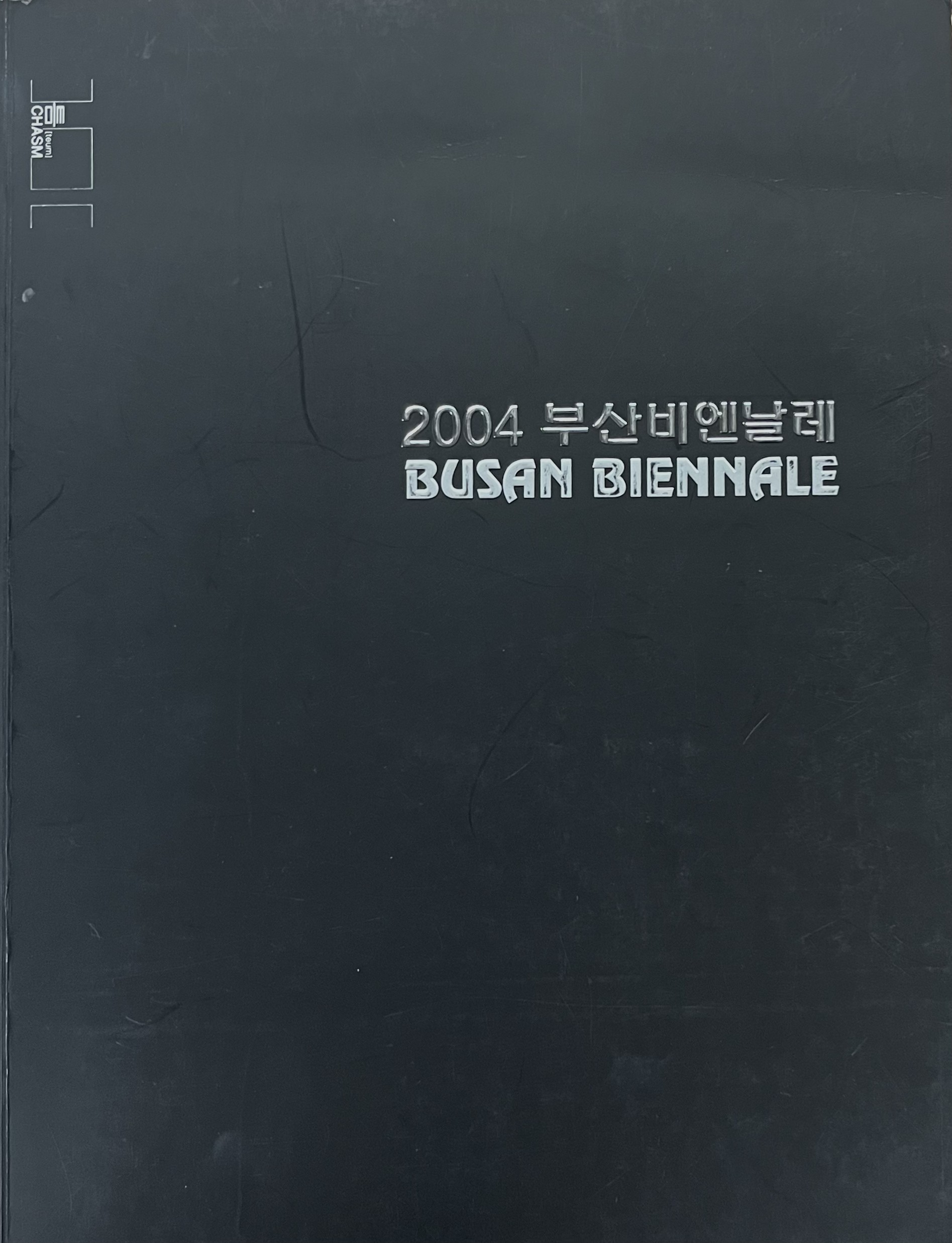
Busan Biennale 2004 Chasm (Busan Metropolitan Art Museum, Haeundae Beach, Eulsuk Island Sculpture Park, and other venues, August 21-October 31) is held. Under the theme 'Chasm,' the biennale examines fractures embedded in modern and contemporary history and culture. The biennale consists of...
-
2003
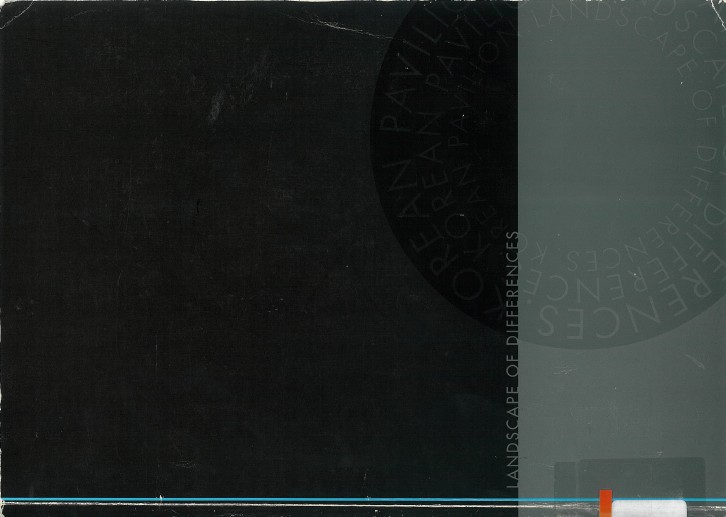
The Fiftieth Venice Biennale (June 15–November 2) is directed by Francesco Bonami and held under the theme "Dreams and Conflicts", with one hundred twenty artists from forty-nine countries participating. Kim Hong-hee serves as commissioner of the Korean Pavilion, which is organized...
-
2002
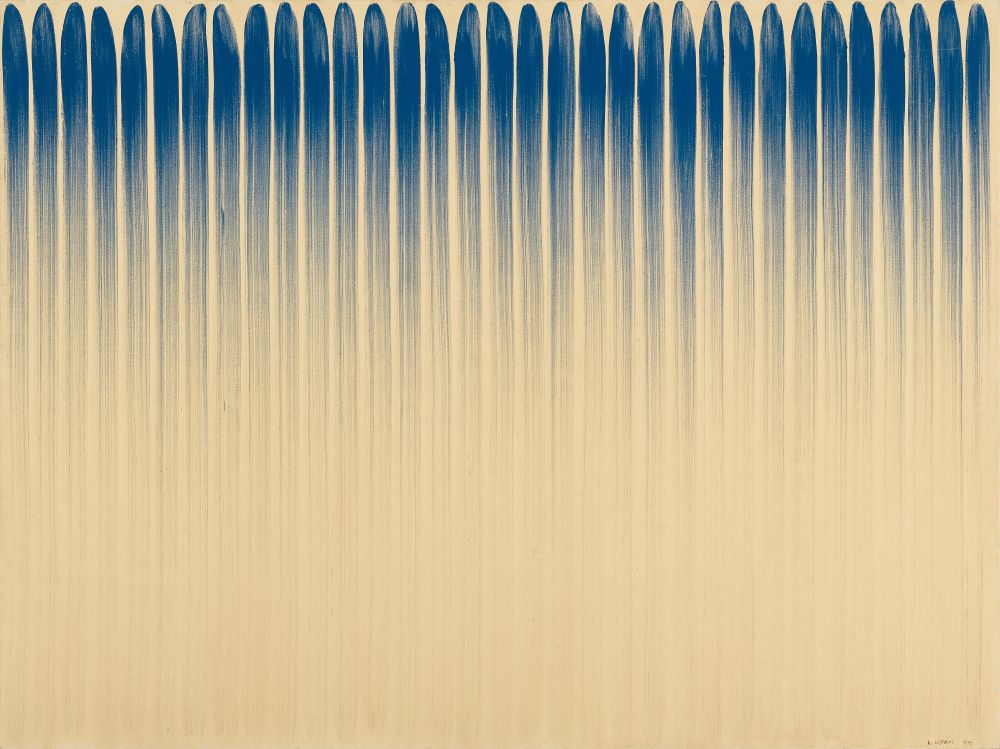
Korean Contemporary Art from the mid-1970s to mid-1980s: Age of Philosophy and Aesthetics (National Museum of Contemporary Art, Gwacheon (now MMCA), November 21-February 2, 2003) is held. It is the third in-house curated exhibition surveying the history of Korean contemporary art, following...
Essays
-
Lee Eunjoo
Korean Art Exhibition History Re-reading Project: Artist of the Year
The exhibition history of the National Museum of Modern and Contemporary Art, Korea (MMCA) dates back to 1969, when the museum opened in the Gyeongbokgung Art Museum building to host the Eighteenth National Art Exhibition (Gukjeon). It began without a curatorial staff or even a single work in its...
-
Jeong Junmo
Artist of the Year: The Exhibition That Shaped MMCA’s Future
The Birth of Artist of the Year When the National Museum of Modern and Contemporary Art, Korea (MMCA) launched its Artist of the Year program in 1995, the initiative represented more than the introduction of a new exhibition program. It was the result of institutional reform that the national...
-
Ryu Hanseung
Artist of the Year 2007 Jung Yeondoo "The Star of the Stage"
begins with Borame Dance Hall (2001). Upon entering the gallery, visitors are met by lighting and music for the waltz, cha-cha, tango, and other dances. The walls are filled with images of men and women dancing. “Borame” refers to Borame Park in Sindaebang-dong, Seoul, where there is a...
-
Ryu Hanseung
Artist of the Year 2005 Lee Jonggu "Lee Jonggu, Painter of Rural Korea"
Rural Korea The theme of this exhibition is “our countryside.” Over the past three decades, rural Korea has been weathering the rough waves of industrialization, urbanization, and globalization and undergoing a devastating collapse. Particularly since the 1980s, plummeting government...
-
Park Soo-Jin
A Story of 23 Artists: Artist of the Year 1995–2010
I It has been 16 years since the exhibition of Artist of the Year started. The National Museum of Contemporary Art, Korea (now MMCA) had already been holding the Special Exhibition for Senior Artists and Artist of the Month.1 As part of the museum’s efforts to revamp both exhibitions, the...
-
Kim Kyoung-woon
Artist of the Year 2009 Suh Yongsun "The Discreet Charm of Suh Yongsun’s Art"
Here, you see people. These people seem to be enduring their lives rather than enjoying them. The eyes of some of them do not have pupils so that their expressions are hard to read, but all of them have seemingly blank faces on the surface behind which the burning flames in each mind are gushing out...
-
Kang Soo-jung
Artist of the Year 2003 Kwak Duckjun "The Life and Art of Kwak Duckjun"
Kwak Duckjun was born in Japan. His parents went to Japan during the Joseon Dynasty, which was under Japanese colonial rule, settled in Kyoto and had six children, including him. Although Kwak was born in Japan, he grew up as a Korean. It is an irony to which he was destined that he perceived Korea...
-
Kim In-Hye
Artist of the Year 2005 Suh Seok
After the Liberation from Japanese occupation, he attended the newly established Art Department at Seoul National University. He states that he was taught art and its concepts by his “one and only teacher,” Geunwon Kim Yong-Joon (1904-1967). He became a professor there as soon as he...
-
Lee Chu-Young
Artist of the Year 2002 Seung H-Sang
In 2002, during the height of the World Cup frenzy, the National Museum of Contemporary Art, Korea (now MMCA) awarded Artist of the Year to its first architect, Seung H-Sang. Prior to this, the NMCA had drawn public attention through exhibitions such as Architect Kim Sooguen (1990), Ando Tadao...
-
MMCA Curatorial Office
Artist of the Year 2000 Noh Sangkyoon · Lee Bae "Searching for the True Character of Identity"
This year is the first year of the 21st century, attracting people with a curious sense of hope and excitement. Although our everyday lives have not changed significantly, the enthusiasm was really great at the beginning of the year. We had to put some significance on something new and also were...
-
Jeong Junmo
Artist of the Year 1998 Kwon Youngwoo "The Subtle Scent of Ink and Luminous Whiteness"
Artist of the Year—Kwon Youngwoo An interest in our own and the pursuit for the new possess contrasting values, thus, seeking these goals simultaneously could be an excessive desire to grasp both at once. However, we, stepping on the threshold of the twenty-first century, encounter the...
-
Choi Eun-ju
Artist of the Year 1995 Jheon Soocheon
Organizing the Exhibition for Artist of the Year: Jheon Soocheon Artist Jheon Soocheon has been invited to show at the Artist of the Year exhibition because he satisfies the criteria that this special exhibition is committed to. Transcending genre, age and academic and professional backgrounds,...
-
Won Dong suk
New Currents in 1980s Art —Beyond the Art of the 1970s
Won Dong suk Professor, Mokpo National University New Currents in 1980s Art —Beyond the Art of the 1970s 1 The currents of Korean art in the 1980s emerged from a movement that sought to understand life in its totality, and from this foundation they generated a powerful and far-reaching...
-
Lim Dae Geun
Traces of Being and Expanded Possibilities: The Last 20 Years of Contemporary Korean Printmaking
Lim Dae Geun Traces of Being and Expanded Possibilities: The Last 20 Years of Contemporary Korean Printmaking Source: Exhibition catalogue of Korean Contemporary Prints: A Reflection of a Culture, 37–47. (National Chalcography, The Royal Academy of Fine Arts, Madrid, Spain,...
-
Lim Geun-jun
Contemporaneity and Generational Shifts in Korean Contemporary Art: 1987–2008
Lim Geun-jun (a.k.a. Lee Chungwoo) Contemporaneity and Generational Shifts in Korean Contemporary Art: 1987–20081, 2 When did contemporary art first emerge in South Korea, and when did the foundation for its driving force—contemporaneity—begin to take shape? Is it valid to adopt...
-
Lee Yil
Thinking White?
Lee Yil Thinking White? It has been not long since contemporary Korean art was introduced to Japan. The first exhibition of modern Korean art in Japan which reflected the general situation and broad aspects of recent trends was the one held in 1968 at the Kyoto National Museum of Modern Art under...
-
Lee Yil
Contemporary Art as an Art of Participation Rather than of Resistance
Lee Yil Contemporary Art as an Art of Participation Rather than of Resistance The dazzling outpouring of vitality—referred to as “Hot Abstraction” or “Lyrical Abstraction”—entered a critical juncture in the 1960s, confronting history with its summation....
-
Kim Inhwan, Oh Kwang-su, Lee Yil
The Dynamics of Expansion and Reduction
Kim Inhwan, Oh Kwang-su, Lee Yil The Dynamics of Expansion and Reduction The Dynamics of Expansion and Reduction: On the Occasion of the 1970 AG Exhibition From the most basic forms to events unfolding as extensions of everyday life, or from the most primal and direct experiences to objects...
-
Lee Yil
Toward a New Perspective
Toward a New Perspective Lee Yil From a purely art-world standpoint, it can be said that in recent times a series of highly encouraging phenomena has appeared. In short, this may be described as a historical consciousness of solidarity binding the younger generation together, and, through that...
-
Lee Yil
Change, Search, and Experiment: Ten Years of Korean Contemporary Painting
Painting ’68 Exhibition, held in March. Its founding members were Kwak Hoon, Kim Kulim, Kim Tchahsup, Park Heeja, Yu Bukang, Li Jagyong, Cha Myeonghui, Ha Dongchul, and Han Gisu. Rather than presenting stylistic or ideological homogeneity as a group, the participating artists pursued the...
Art Terms
-
Women's art [yeoseong misul]
Yeoseong misul, or "women's art," is a term that distinguishes artworks that are produced by women from those of men. It is also an umbrella term for "yeoryu misul" and feminist art that emerged in the history of Korean art in the twentieth century. In modern Korea,...

-
Traveling Art Museum
“Traveling Art Museum” was a cultural project undertaken by the National Museum of Contemporary Art, Korea (now MMCA) to provide opportunities for the public to actively engage with art and culture. It involved exhibiting artworks from the MMCA collection at various existing cultural...
-
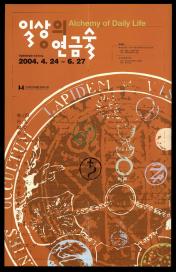
Alchemy of Daily Life
Alchemy of Daily Life was an exhibition held from April 24 to June 27 in 2004 in Gallery 2 of the National Museum of Contemporary Art, Korea (now MMCA). In the exhibition's preface, Kim Kyung-woon, the curator of the exhibition at the MMCA, said that "alchemy" is the process...
-
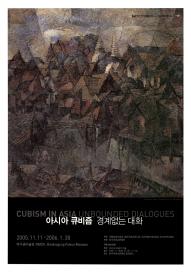
Cubism in Asia: Unbounded Dialogue
Cubism in Asia: Unbounded Dialogues was a touring exhibition co-organized by the National Museum of Contemporary Art, Korea (now MMCA); the Japan Foundation; the National Museum of Modern Art, Tokyo; and the Singapore Art Museum, and held in Japan, Korea, and Singapore between 2005 and...
-
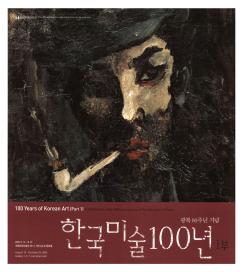
100 years of Korean art
100 Years of Korean Art was a special exhibition held at the National Museum of Contemporary Art, Korea (now MMCA) to commemorate the sixtieth anniversary of Korea's independence. It offered an overview of Korean art from 1905 to 2005 in two parts. Art historian Kim Hyunsook...
-
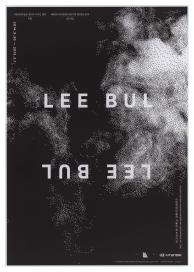
MMCA Hyundai Motor Series
MMCA Hyundai Motor Series is an annual exhibition event that has been organized by the MMCA and sponsored by Hyundai Motor Company for ten years since 2014, featuring large-scale solo exhibitions of mid-career Korean artists. It began in November 2013, when Hyundai Motor Company announced a ten-year...
-
National Folk Museum of Korea
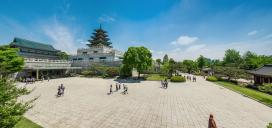
The National Folk Museum of Korea is located within the precincts of Gyeongbokgung Palace on Samcheong-ro, Jongno-gu, Seoul. Its predecessor was the National Museum of Ethnology (first director Song Seokha) established on November 8, 1945 at 2 Yejang-dong, Jung-gu, Seoul. In December 1950, it was...
-
Federation of Artistic and Cultural Organization o
The Federation of Artistic and Cultural Organization of Korea [Hanguk yesul munhwa dance chongyeonhaphoe; FACO] was established on January 5, 1961 in an effort to contribute to the development and international exchange of Korean art and culture and to promote the rights and interests of artists....
-
Portrait Photography Research Society of Seoul
Portrait Photography Research Society of Seoul [Seoul insang sajin yeonguhoe; PPRSS] is an organization of photographers founded in October 1946 in Seoul. Hyun Ilyeong served as its president, and other members include Lim Sukje, Han Sanghui, Kim Jinhae, Lee Changgyu, Kim Gwangbae, and Park Pilho....
-
Korean Photography Alliance
The Korean Photography Alliance [Joseon sajin dongmaeng; KPA] was a leftist photography organization founded on June 13, 1947 at the Young Men’s Christian Association (YMCA) Hall in Jongno-gu, Seoul. Kim Jinsu, Lee Tae-ung, Lee Yongmin, and twenty other promoters gathered, held a founding...
-
Korean Applied Artists Association
The Korean Applied Artists Association [Hanguk eungyong misulga hyeophoe; KAAA] is a private crafts and design organization formed by members primarily from the Department of Applied Arts at Seoul National University. It was founded in February 1960 and held two exhibitions in 1961 and 1964. Its...
-
Hwang Jonggu
Hwang Jonggu (1919–2003) was a ceramist active from the second-half of the 1950s through the second-half of the 1990s. He was born as the son of the celadon master Hwang Inchun (1894–1950) in Seoul in 1919. He took a course at the annex of the Seto Institute of Ceramics in Japan in 1939....

-
Lee Seokho
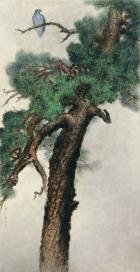
Lee Seokho (1904-1971, pen name Ilgwan) learned Chinese classics and calligraphy at a young age and then studied painting under Kim Eunho. He received an honorable mention for his calligraphy at the sixth Joseon Art Exhibition [Joseon misul jeollamhoe] in 1927. He then made his presence known in...
-
Nature Art
Nature art refers to artistic activities where artists use natural objects or become a part of nature preferably in a desolate natural setting. The members of the YATOO Outdoor Field Art Research Association [Yaoe hyeonjang misul yeonguhoe; YATOO] founded in 1981 refused to present (exhibit) their...

-
Asian Art Show
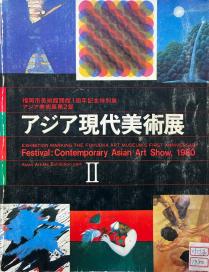
The Asian Art Show, Fukuoka was an international exhibition held every four to five years from 1980 through 1994 at Fukuoka Art Museum in Japan to introduce modern and contemporary art from Asia. The first edition of the exhibition presented 417 works by 417 artists and was divided into two...
-
Modern Women’s Eastern Paintings Exhibition
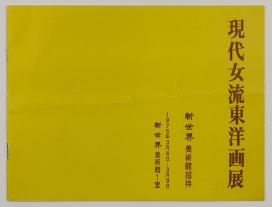
The Modern Women’s Eastern Paintings Exhibition was an invitational exhibition held from March 4 through 9, 1975 at Shinsegae Gallery. The Shinsagae Gallery stated that this exhibition was not just an exhibition simply intended to promote friendship among women artists, but an...
-
Korean Calligrapher Association
The Korean Calligrapher Association Exhibition is a regular exhibition of the Korean Calligrapher Association [Hanguk seoyega hyeophoe] founded at the end of 1964 to advocate for the rights of calligraphers and develop calligraphy. Its inaugural exhibition was held from June 29 through July...

-
Masterpieces of Korean Art
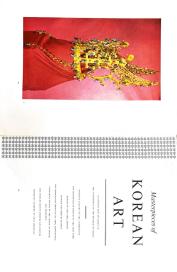
Masterpieces of Korean Art was the first overseas exhibition of Korean art organized by the National Museum in eight U.S. cities from December 15, 1957 through June 7, 1959 in an effort to rebuild the reputation of the country ruined after the Korean War and promote its cultural heritage...
-
5000 Years of Korean Art
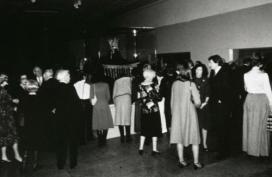
5000 Years of Korean Art was an overseas exhibition organized by the National Museum of Korea to introduce Korean cultural heritage to Japan, marking the beginning of cultural exchanges between Korea and Japan. It was held from February 24 through July 25, 1976 at the Kyoto National Museum,...
-
Korean Contemporary Ink Wash Painting
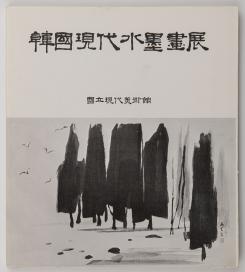
Korean Contemporary Ink Wash Painting was a special exhibition held from August 18 through September 2 in 1981 at the National Museum of Modern Art, Korea (now MMCA). The MMCA declared that the exhibition was intended to overcome the sharp stagnation of Eastern-style painting after the...
Features
-
Korean Art Exhibition History Re-reading Project: Artist of the Year
Choi Eun-ju, Artist of the Year 1995 Jheon Soocheon
Jeong Junmo, Artist of the Year 1998 Kwon Youngwoo "The Subtle Scent of Ink and Luminous Whiteness"
MMCA Curatorial Office, Artist of the Year 2000 Noh Sangkyoon · Lee Bae "Searching for the True Character of Identity"
Lee Chu-Young, Artist of the Year 2002 Seung H-Sang
Park Soo-jin, Artist of the Year 2006 Chung Hyun
Kim Kyoung-woon, Artist of the Year 2009 Suh Yongsun "The Discreet Charm of Suh Yongsun’s Art"
Park Soo-Jin, A Story of 23 Artists: Artist of the Year 1995–2010
Kang Soo-jung, Artist of the Year 2003 Kwak Duckjun "The Life and Art of Kwak Duckjun"
Ryu Hanseung, Artist of the Year 2005 Lee Jonggu "Lee Jonggu, Painter of Rural Korea"
Ryu Hanseung, Artist of the Year 2007 Jung Yeondoo "The Star of the Stage"
Jeong Junmo, Artist of the Year: The Exhibition That Shaped MMCA’s Future
Lee Eunjoo, Korean Art Exhibition History Re-reading Project: Artist of the Year
-
Korean Art and Exhibition Histories: The Modern / Contemporary
Kim Yujin, Mok Soohyun, Shin Chunghoon, Study Group 2 │ Korean Art and Exhibition Histories: The Modern / Contemporary
Mok Soohyun, Defining the Period and Scope of “Modern Art”: Glimpse Into Korean Modern Exhibition Series (1997–2000)
Mok Soohyun, 60 Years of Modern Korean Art (1972): Categorizing Modern Art in Korea
Mok Soohyun, “Modern Art” in the Context of Korean Art The Posthumous Exhibition of Three Artists — Kim Junghyun, Gu Bonung and Lee Insung (1954) and Special Exhibition of Modern Korean Painting (1954)
Shin Chunghoon, Korean Art after the “Contemporary Art System”: Rebellion of Space (1995), Global Conceptualism (1999), You Are My Sunshine (2004)
Shin Chunghoon, Toward ‘Korean Contemporary Art’: Korea: The Trend for the Past 20 Years of Contemporary Arts (1978), Korea: Five Artists, Five Hinsek—White (1975), Korea: Facet of Contemporary Art (1977)
Shin Chunghoon, Toward Contemporary Art: Hyundae Fine Artists Association Exhibition (1957), Union Exhibition of Korean Young Artists (1967)
Kim Yujin, From Gwacheon to Seoul: MMCA Seoul’s Beginning of New Era (2009)
Kim Yujin, From Gwacheon to Seoul: Commemorative Exhibition of the Opening of the New Museum at MMCA Gwacheon (1986)
Kim Yujin, The Expansion of the MMCA Venues: Inaugural Exhibition(s) Commemorating Each Opening
-
Korean Art and Exhibition Histories: Globalization
Bae Myungji, Jeon Yushin, Kim Hong-Ki, Tiffany Yeon Chae, Study Group 2 │ Korean Art and Exhibition Histories: Globalization
Kim Hong-Ki, The Korean Pavilion at the Venice Biennale (1995–1997): Globalizing the Aesthetic Traditions of Korea
Kim Hong-Ki, A Study of the Korean Pavilion at the Venice Biennale (1999–2001): Particularity and Universality in Contemporary Era
Kim Hong-Ki, A Study of Korean Pavilion at the Venice Biennale (2003–2005): ‘Site-Specificity’ and articulating the ‘Here and Now’
Jeon Yushin, Reflection of Socio-Political Realities: Across the Pacific (1993), Facing Korea (2003), The Battle of Visions (2005), Activating Korea (2007)
Jeon Yushin, Naturalism and Eastern Tradition: Working with Nature (1992), The Tiger’s Tail (1995), and Leaning Forward, Looking Back (2003)
Jeon Yushin, Korea’s First Generation of Curators and the Overseas Exhibitions of Contemporary Korean Art
Tiffany Yeon Chae, What Can a Biennial Become Here and Now? Two Curatorial Experiments: MAN + SPACE (2000) and P_A_U_S_E_止 (2002)
Tiffany Yeon Chae, Postcolonial Subjects in the Age of Globalisation: Unmapping the Earth (1997) and Annual Report (2008)
Tiffany Yeon Chae, From a Site of Memory to a Global Platform: The Founding of the Gwangju Biennale and Beyond the Borders (1995)
-
Korean Art and Exhibition Histories: Diversification of Media and Formats
Jang Seungyoun, Rethinking the Everyday Objects, Materials, and the Expansion of Media: This Kind of Art: Dishwashing (1994) and This Kind of Art: Nostalgia (1994)
Jang Seungyoun, The Emergence of “Image Producers” Who Perceive the Everyday and Interpret Reality: Apgujeong-dong: Utopia / Dystopia (1992) and Sub Document (1992)
Jang Seungyoun, The Sharp Emergence of Visual Culture — Memory, and History: Korean Art and Visual Culture After 1945 (1997)
Mun Hye Jin, From BlindSound to 404 Object not found: A Brief but Intense History of Korean Web Art
Mun Hye Jin, The Face of Hybridity: TEUM: Single Channel Video Show vs The Cross: Exhibition for Videography
Mun Hye Jin, Shifting from Technology Art to Video Art: The Early-to-Mid 1990s Video Landscape through the Work of Hong Sungmin
Jung Hyun, Daejeon as a Hub of Art and Science: The Daejeon Art and Science Biennale (2014)
Jung Hyun, Media and Technology in Korean Art of the 1990s
-
On Writing Timelines of Korean Art
Kang Min-gi, 1945–1953: Independence and “National Art” (Minjok Misul)
Kwon Heangga, 1953-1959: The Post-war Formation of Contemporary Art
Cho Soojin, 1960–1969: Avant-garde Activities and Development of the Art System
Kim Yisoon, 1970-1979: Transformation of the Art World and the Growth of “Korean” Art
Lim Shan, 1980–1989: Expanding Art Practices and the Narrative of the Times
Shin Chunghoon, 1990-1999: Korean Contemporary Art in Globalization
Cho Soojin, Kang Min-gi, Kim Yisoon, Kwon Heangga, Lim Shan, Shin Chunghoon, On Writing Timelines of Korean Art: The Roundtable
Cho Soojin, Kang Min-gi, Kim Yisoon, Kwon Heangga, Lim Shan, Shin Chunghoon, Study Group 1 │ On Writing Timelines of Korean Art: The Keyword

Sign Up for Email Updates