
-
January
-
February
The Ministry of Education announces the list of members of the Arts Committee, established to advise on cultural and arts policy. The Arts Committee members are Kang Changwon, Ko Huidong, Kim Kyongseung, Kim Jaeseok, Kim Choonghyun, Kim Whanki, No Soohyeon, To Sangbong, Bae Ryeom, Son Jaehyeong, Sim Hyungkoo, Lee Gukjeon, Lee Yongwoo, Lee Chongwoo, Chang Louis Pal, and Jeong Hong-geo.
Joseon Misul Munhwasa Nonchong (Collected writings on the history of Joseon art and culture), a posthumous compilation of Ko Yuseop’s works is published by Seoul Shinmun newspaper company. In 1966, the collection is republished by Tongmunkwan under the new title Hanguk misul munhwasa nonchong (Collected writings on the history of Korean art and culture).
-
March
The Pyongyang Art School, established in September 1947, is upgraded to the National Art School. As one of fifteen universities newly established in North Korea after liberation and before 1950, it is composed of three departments at the time of its founding: painting, sculpture, and drafting. In October 1952, it is renamed Pyongyang Art University.
-
April
As a follow-up measure to the National Security Act enacted in December 1948, the National Guidance League is established. It is organized under the pretext of enlightening and guiding former leftists. Many artists who had previously been active in left-leaning art organizations before the establishment of the government join the League. In November of the same year, the National Guidance League Art Alliance is established under its auspices. Led by Kim Yonghwan, artists including Kim Man-hyeong, Pai Unsoung, Lee Qoede, Chung Chong-yuo, Jeong Hyeonung, and Choi Jaiduck join the organization.
-
May
The Department of Fine Arts of the College of Arts at Seoul National University is equipped with five departments: Department of Aesthetics, the First Department of Painting, the Second Department of Painting, Department of Sculpture, and Department of Design.
Hosted by the Everyday Art Research Society [Saenghwal misul yeonguhoe], the Lee Soonsuk Design Exhibition (Dong Hwa Gallery, Seoul, May 3–9) is held. Approximately ten design works, including wallpaper designs, trademarks, and illustrations of Korean classical poems reflecting a distinctly Korean aesthetic, are exhibited.
With support from the Rockefeller Foundation, the National Museum establishes an art research group and operates a lecture program on Korean art history. It is the first full-scale museum education program encompassing Eastern and Western art and culture. Kim Youngki, Kim Youngjoo, Kim Yongjun, Kim Wonryong, Lee Kyungsung, Han Sangjin, and Hwang Suyeong, among others, take part as lecturers.
-
June
The Ministry of Education decides to hold the National Art Exhibition (Gukjeon) and establishes an arts committee under its authority. Ko Huidong, No Soohyeon, Son Jaehyeong, Lee Byeonggyu, Lee Chongwoo, and Chang Louis Pal, among others, are appointed as members of the Arts Committee to select recommended artists and judges.
The Fourth Korean Art and Culture Association Exhibition (Dong Hwa Gallery, Seoul, June 11–17) is held. Twelve artists participate, including Kim Sunbae, Kim Jaeseon, Kim Haksoo, Ahn Gipung, Eom Doman, Lee Bongsang, Lee Qoede, Lim Gunhong, Lim Wangyu, Cho Byungduk, Han Junggeun, and Hong Ilpyo.
-
July
The Exhibition of Five Female Painters (Dong Hwa Gallery, Seoul, July 16–22) is held. Park Rehyun, Bae Jeongrye, Lee Hyunok, Jeong Onnyeo, and Chun Kyungja are invited, but Chun Kyungja does not exhibit.
-
August
Kim Yongjun’s Joseon Misul Daeyo (A Compendium of Korean Art) is published. It describes in chronological order Goguryeo tomb murals and Joseon-period painting, ceramics, sculpture, and architecture.
Hongik University is authorized as a four-year university, and the Department of Fine Arts is established.
-
September
-
October
-
November
The First National Art Exhibition (Gukjeon) (Gyeongbokgung Palace Museum, Seoul, November 21–December 11) opens. As a government-organized exhibition, it is the most prestigious art institution since independence and functions as a battleground of the art world. It is structured into five parts: Section One (Eastern painting), Section Two (Western painting), Section Three (Sculpture), Section Four (Crafts), and Section Five (Calligraphy). Ryu Kyungchai’s Neighborhood of a Bare Mountain wins the top prize (Presidential Award), and Suh Seok’s Flower Seller receives the Prime Minister’s Award.
The Second New Realism Group Exhibition (Dong Hwa Gallery, Seoul, November 28–December 3) is held. Chang Ucchin participates as a new member alongside the existing members Kim Whanki, Yoo Youngkuk, and Lee Kyusang, and thirty-four works are exhibited.
-
December
Related Terms
-

Ko Yuseop
Ko Yuseop (1905-1944, pen name Uhyeon, nom de plume Geubwoldang) is widely considered the first Korean art historian to receive a Western style tertiary education. He studied Aesthetics and Art History at the department of philosophy, Keijo Imperial University. He served as a director of the Kaesong City Museum from 1933 to 1944. He studied Korean pagodas and Goryeo celadons based on Positivism and Formalism. He was a foundational contributor to the creation of a modern academic Korean history of art that featured Buddhist art and Korean painting. He described the aesthetic consciousness of Korean art as “a great savory flavor” or “technique without technique.” His thoughts strongly influenced later generations of Korean artists. His major books include Goryeo Celadon, Studies on Korean Pagodas, The Collected Volume of Korean Art History, Studies on Korean Art History and Aesthetics, and Historical Sites in Songdo.
-
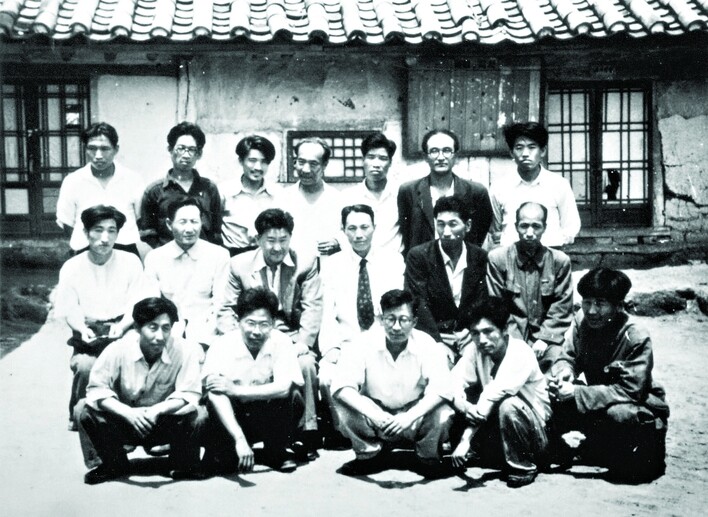
Pyongyang Art University
An art education institute established in 1947 in Pyongyang to educate professional artists with a foundation in the methods and practice of realism. The university was first established in September 10, 1947 under the name Pyongyang School of Fine Arts, and in September 16, 1949 it was elevated to the position of National University of Fine Arts. The university consisted of three departments: the painting department, sculpture department, and design department. The curriculum was divided into a three-year main program and two-year research program. The name of the institute was changed to the Pyongyang University of Fine Arts in 1952. At present, the school consists of the Joseon art department, which consists of a Joseon art major and calligraphy major; the painting department, which consists of a painting major and a mural major; sculpture department; crafts department; industrial arts department; and a publishing and art theory department. A specialized middle-school level education program, and a Juche Art Institute also exist, the latter of which consists of a two-year research division, equivalent to a Master’s program, and a three-year research division, equivalent to a doctoral program. Alumni have participated in the creation of North Korean memorials such as the Chollima Monument, Mansudae Grand Monument, and Bocheonbo Victory Monument. Celebrated alumni include; Chung Chang-mo, a Joseon artist; Shin Bong-hwa, a pioneer of boseokhwa (paintings using figments made of natural stone powders) and the head of the Mansudae Changjaksa Joseon Boseokhwa Changjakdan; Hwang Byeong-ho, painter of Geumnihwa; and Yun Ryong-suk, who is known as the “Unification Sculptor.”
-
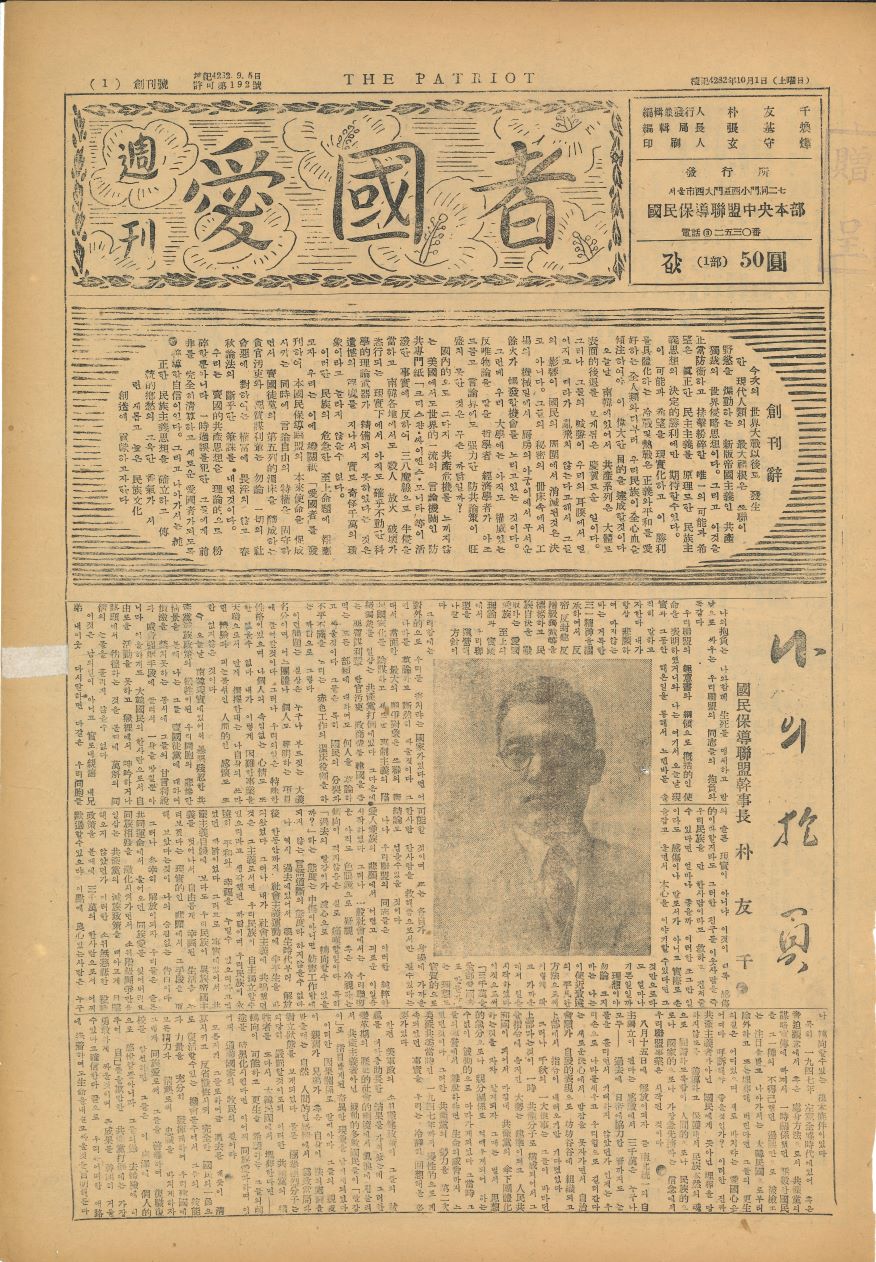
National Guidance League Art Alliance
An organization formed by the National Guidance League in April 1949 to convert socialists. According to testimonies, the organization registered and educated artists with socialist tendencies such as Kim Man-hyeong, Jung Hyunwoong, Lee Qoede, Pai Unsoung and Chung Chong-yuo. These artists were made to paint anti-communist posters and street exhibitions were held. The organization was established as part of the anti-communist cultural policies of the government, and it was intended to convert socialist artists and regulate their ideological and creative activities.
-

College of Arts at Seoul National University
The College of Fine Arts of Seoul National University is located in Sillim-dong, Gwanak-gu, Seoul. According to the Decree on the Establishment of Seoul National University, the College of Art including the Department of Fine Arts and the Department of Music was founded in August 1946 at Seoul National University. The Department of Fine Arts consisted of sub-departments of Painting I, Painting II, Sculpture, and Design. It was organized by Chang Louis Pal and Lee Soonsuk. Chang Louis Pal had served as head of the Education and Management Bureau in the U.S. Army Military Government in Korea (USAMGIK) in Korea since December 1945. Lee Soonsuk assumed practical tasks as an advisor to the art section of the USAMGIK from 1946 when the Education and Management Bureau was changed to the Ministry of Culture and Education. In 1946, there were nine faculty members at the Department of Fine Arts in the College of Art: Chang Louis Pal, Kim Yongjun, Gil Jinseop, and Lee Jaehun as professors; Yun Seung-uk and Lee Soonsuk as associate professors; and Kim Whanki, Chang Woosoung, and Lee Byeonghyeon as assistant professors. However, after the incident of Korean students and professors’ protest against the U.S.’s attempt to merge several colleges and universities into a single university, Kim Yongjun, Gil Jinseop, and Kim Whanki resigned. In 1954, the College of Art was reorganized into the College of Fine Arts with three departments of painting, sculpture, and applied art. The Department of Aesthetics, which had temporarily belonged to the College of Fine Arts since 1948, was transferred to the College of Liberal Arts and Sciences in 1960. In 1963, according to the relocation plan of the Seoul National University main school building, the College of Fine Arts was moved to the former veterinary department building in Yeongeon-dong, Jongno-gu. In 1972, it was moved to the liberal arts department building in Hagye-dong, Seongbuk-gu, and then in 1976, to the current Gwanak campus. In 1981, the three departments of painting, sculpture, and applied art were reorganized into the five departments of Eastern painting, Western painting, sculpture, crafts, and industrial art. In 1989, the Department of Industrial Art was renamed the Department of Industrial Design, and in 1999, the Department of Crafts and the Department of Industrial Design were merged into the School of Design. Currently, the College of Fine Arts consists of the Department of Oriental Painting, Department of Painting, Department of Sculpture, Department of Craft, Department of Design, and Interdisciplinary Programs.
-
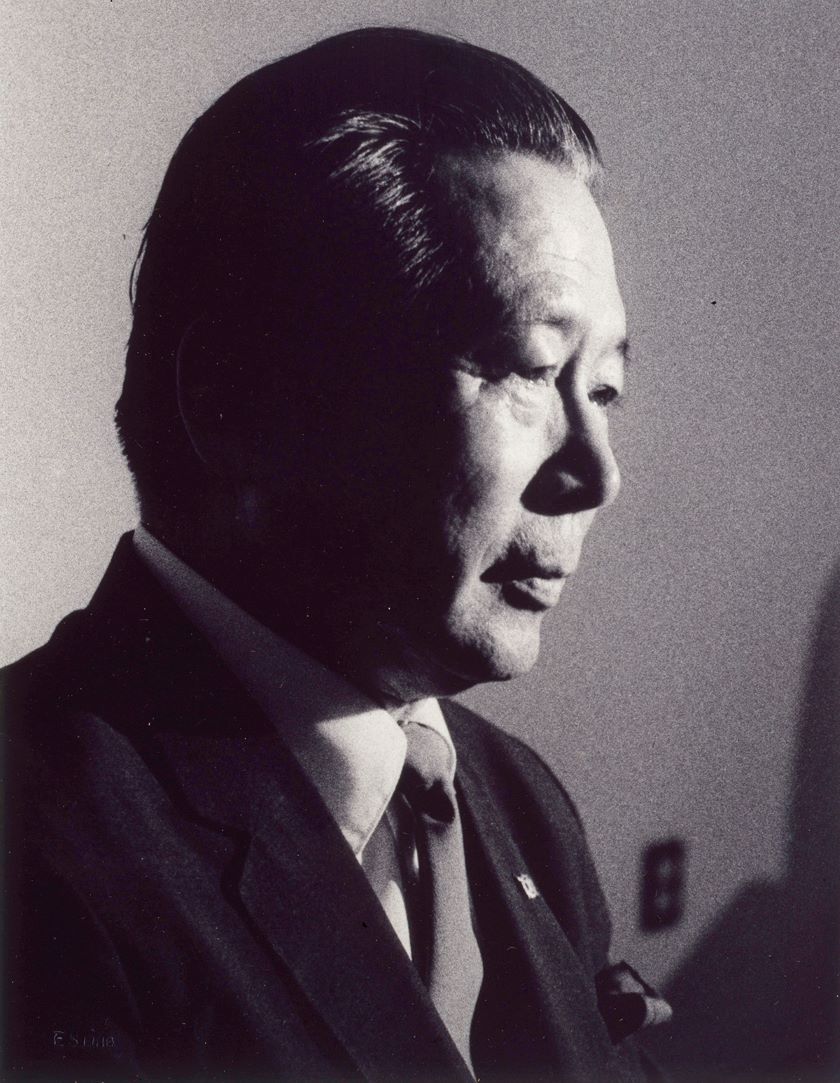
Lee Soonsuk
Lee Soonsuk (1905-1986, pen name Hara) was a pioneer of Korean craft design. He attended the design and craft department at the Tokyo School of Fine Arts in 1926 and graduated in 1931. He hosted the first solo design exhibition in Korea. He served on the council at the cultural division under the U.S Military Government in 1946 and taught applied arts at the fine arts college of Seoul National University. He also contributed to Korean craft design at the National Art Exhibition (Gukjeon). In 1971, he served as an executive advisor at the Korea Design and Packaging Center (KDPC) and was elected as a member of the National Academy of Arts, Republic of Korea. Lee Soonsuk’s graduation period work was influenced by the flat surface planes of art nouveau and Bauhaus style. He later attempted to maintain and reinterpret traditional Korean craft techniques through his stone craftwork that dealt with a folk painting motif or natural objects.
-

Department of Art at Hongik University
Established in 1949, the Department of Art at Hongik University consists of one art theory department and eleven practice-based departments, including painting, Oriental painting, printmaking, sculpture, woodworking and furniture design, metal art and design, ceramics and glass, textile art and fashion design, visual communication design, and industrial design. In 1955, it moved from Jongro-gu, Seoul to the current location in Sangsu-dong, Mapo-gu, Seoul. The history of the College of Fine Arts can be largely divided into the period of the Department of Fine Arts from 1949 through 1953, the period of the School of Fine Arts from 1954 through 1971, and the period of the College of Fine Arts from 1972 until now. In March 1953, the Department of Fine Arts produced the first six graduates, and in the following year the School of Fine Arts with three departments was established. In December 1971, it was upgraded to a college, which exists up to the present. Several exhibitions organized by its graduates are notable, including the Four Artists Exhibition held in 1956 as the first anti-National Art Exhibition (Daehanminguk misul jeollamhoe or Gukjeon) by the third and fourth classes of graduates and the Union Exhibition of Korean Young Artists held in 1967 by graduates from the 1960s as an effort to realize experimental art.
-
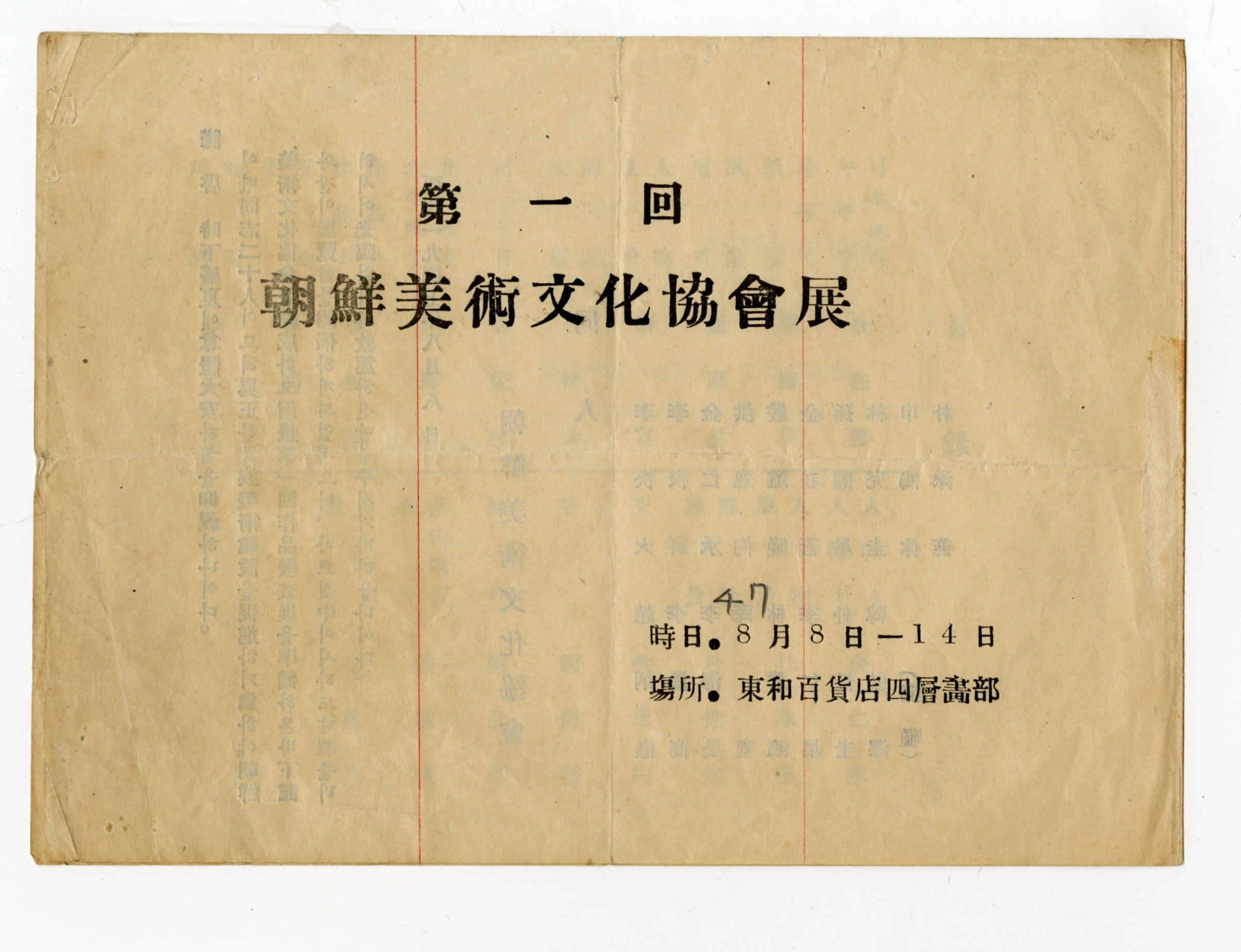
Korean Art and Culture Association
An artist organization formed in June 1947. The chairman was Lee Qoede, and its membership comprised ex-members of the left-wing Korean Artist Federation (Joseon misulga dongmaeng): Lee Kyusang, Kim Insoong, Hong Ilpyo, Eom Doman, Kim Jaeseon, Son Eungsung, Lim Wangyu, Shin Honghyu, Park Youngseun, Cho Byungduk, Lee Bongsang, Lee Haesung, Nam Kwan, Lim Gunhong, Lee Insung, Park Seong-gyu, and Han Hongtaik. The founding of the association caused controversy. Because of its centrist political stance, both the left-wing Korean Art Alliance (Joseon misul dongmaeng) and the right-wing Korean Art Association (Joseon misul hyeophoe) levied criticism. Shortly after its founding, the Korean Art and Culture Association held its first exhibition at the Dong Hwa Gallery in August. The second, third and fourth exhibitions were held at the Dong Hwa Gallery as well: the second in April 1948, the third in November that same year, and the fourth in June 1949.
-
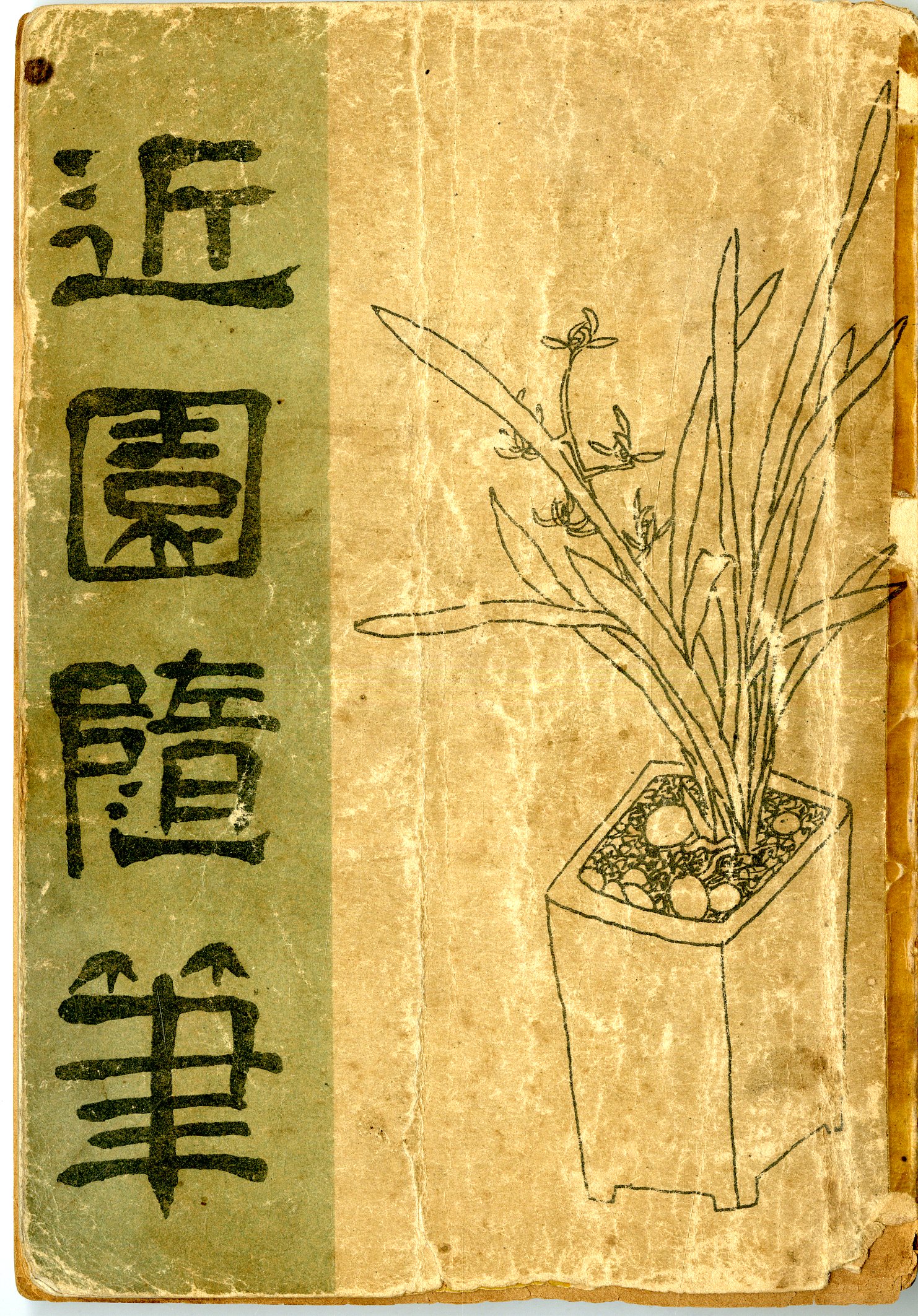
Kim Yongjun
Kim Yongjun (1904-1967, pen name Geunwon) was born in Daegu and first showed his promise as an artist when he was selected for the Joseon Art Exhibition [Joseon misul jeollamhoe] as a high school student. He published art criticism, such as On Reconstruction of Art Circle in Korea and Criticism on Proletarian Art, which demonstrated his potential as an art theorist. He also organized diverse art events, such as Dongmihoe and Baekjman Western Painting Association [Baekmanyanghwahoe] in the 1930s. During his later years, he was more active as an art critic and contributed essays to many newspapers and magazines rather than focusing on creating his own artwork. He participated in creating a magazine, Munjang, in 1939 and published a variety of essays on Eastern painting. After Independence, he contributed to the foundation of the fine arts division at Seoul National University and served as a professor at the Oriental painting department teaching Art History and Theory. He resigned his appointment and moved to Dongkook University because of his involvement in protesting the nationalization of Gyeongseong Imperial University (later Seoul National University). He worked as a dean of the Fine Arts College of Seoul National University for a few months after the outbreak of the Korean War in 1950 but moved to North Korea with his family during the 1950 September 28th restoration of Seoul by US and South Korean forces. He produced several Eastern paintings and published a wide range of art history essays in North Korea. Prior to his migration to North Korea, he wrote a few books such as Geunwonsupil (Essays of Kim Yongjun) (1948) and Joseon misul daeyo (A compendium of Korean art) (1949).
-
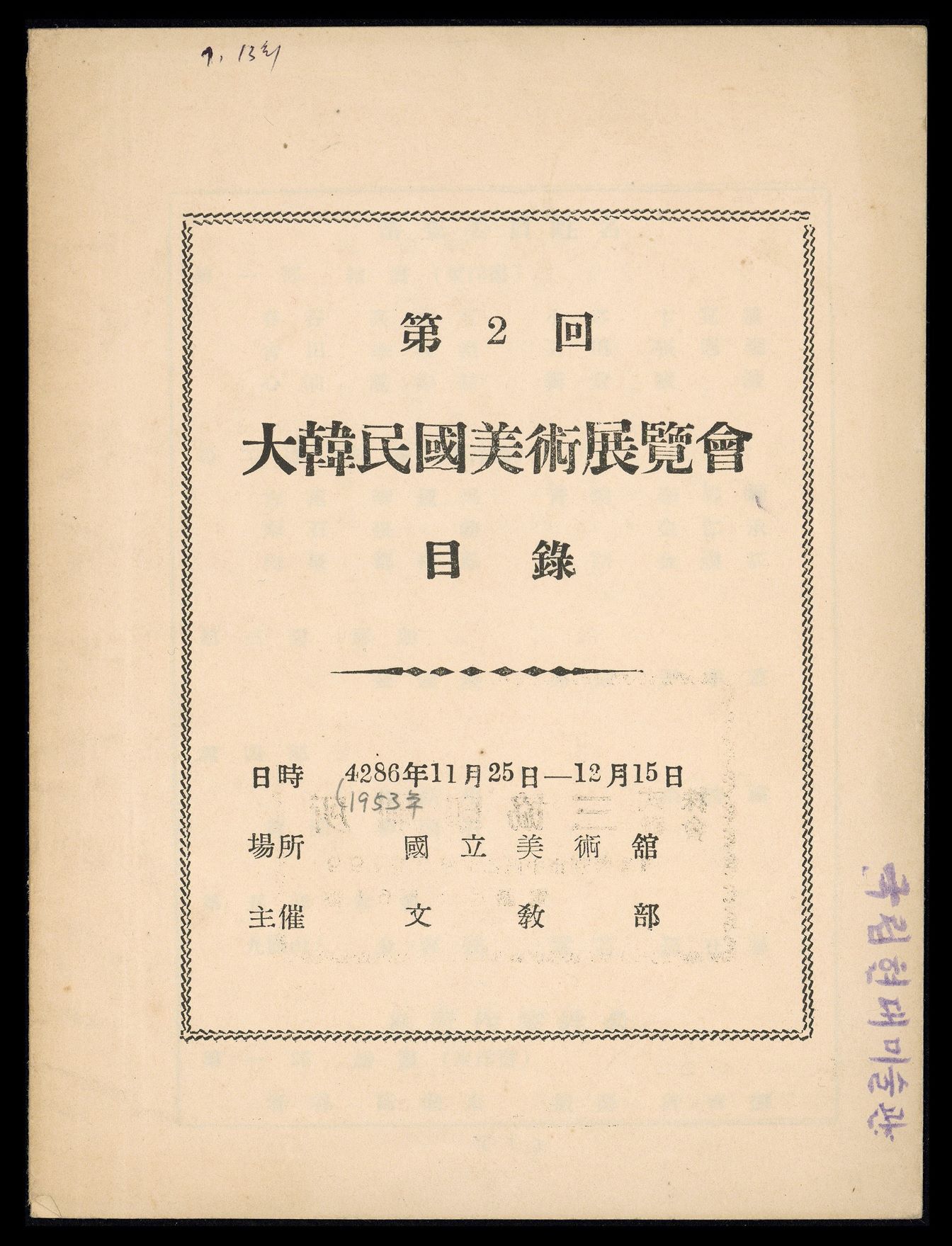
National Art Exhibition
A government-hosted exhibition held 30 times from 1949 to 1981, also known by the shorter name Gukjeon. Following national independence, the exhibition was the primary means for young and emergent Korean artists to achieve recognition. The influence of the exhibition declined as a result of the emergence of non-figurative art during the 1970s, the increased opportunities for artists to participate in overseas exhibitions, and the rise of private exhibitions and galleries.
-
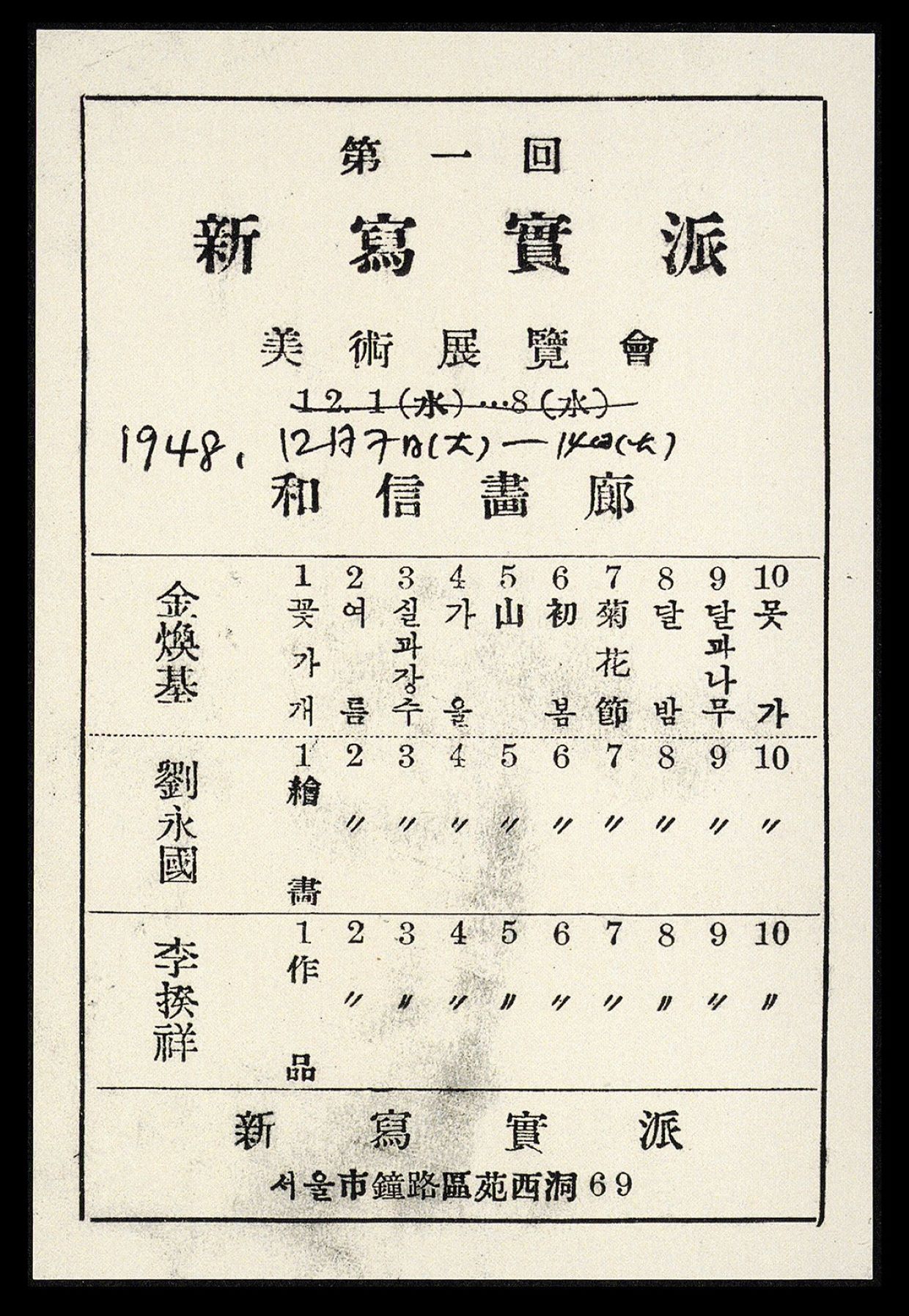
New Realism Group
The New Realism Group [Sinsasilpa] was a group of abstract artists, such as Kim Whanki, Yoo Youngkuk, and Lee Kyusang, who, through their work sought to represent the conceptualization of a pure Plasticism. One of the most influential groups in Korean modern art, the name “New Realism Group” was created by Kim Whanki. This originated from his foundational idea that the artists of the group should pursue new types of realistic painting. Since they considered that all forms, including abstract ones, ultimately belong to experiential reality, the ambition of the group was to contribute to the perception of a “new formation of reality”. Their inaugural exhibition was held at Hwashin Department Store's gallery from December 7th to 14th, 1948. Chang Ucchin then joined the group for the second exhibition, followed by Lee Jungseop and Paek Youngsu for the third. They disbanded the group after the third exhibition, which was staged at the temporarily relocated National Museum in Busan from May 26th to June 4th, 1953. The works of the New Realism Group navigated a path between figuration and non-figuration through the deployment of abstract expressionist idioms, while also making use of visual elements taken from nature, everyday life, and real-life materials. The New Realism Group were pioneers of a new style of Korean abstract art, one which they realized as an attempt to create a new artistic perspective that could exist outside the pervasive right-left ideological struggle that defined the politically, economically, socially, and culturally unstable Cold War period of Korea. A retrospective exhibition for the group was held at the Won Gallery from September 23rd to 30th, 1978, and a sixtieth commemorative exhibition was held at the Whanki Museum from November 9th in 2007 to January 13th, 2008.

Sign Up for Email Updates