Masterpieces of Korean Art (Boston, Metcalf, 1957), National Library of Korea Collection
Masterpieces of Korean Art


* Source: MMCA
Related
-
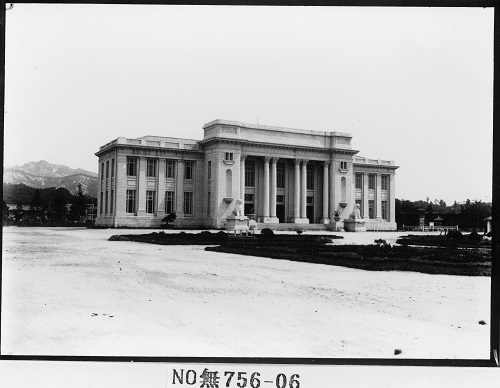
National Museum
The National Museum was established by the Korean government in 1945 after Independence. It consists of a general museum and a special museum. The National Museum of Korea as a general museum took over the Museum of the Japanese Government-General of Korea and opened at Gyeongbokgung Palace in 1945. It annexed the Gyeongju, Buyeo, Gongju, and Kaesong museums. It also annexed Song Seokha’s National Museum of Anthropology and accepted the collection of Deoksugung Museum of Art (former Yi Royal Family Museum) in 1969. The museum was called “National Museum” from 1945 to 1972, and the “National Museum, of Korea” after the reorganization in 1972. Meanwhile, local annex museums were upgraded to local national museums, such as Gyeongju National Museum and Buyeo National Museum. Since Independence, national museums have been constructed in many local cities, including Gyeongju, Buyeo, Gongju, Gwangju, Jinju, Cheongju, Jeonju, Daegu, Gimhae, Jeju, Chuncheon, Naju, and Iksan. These museums play pivotal roles in maintaining local histories and cultures. Special museums within the National Museum of Korea include the National Palace Museum (the history and culture of the Joseon Dynasty), the Maritime Museum (maritime culture), the Forest Museum, the Diplomatic Museum, the Police Museum, the Custom Museum, the Lighthouse Museum, the Postal Museum, and the Museum of Korean Traditional Music.
-
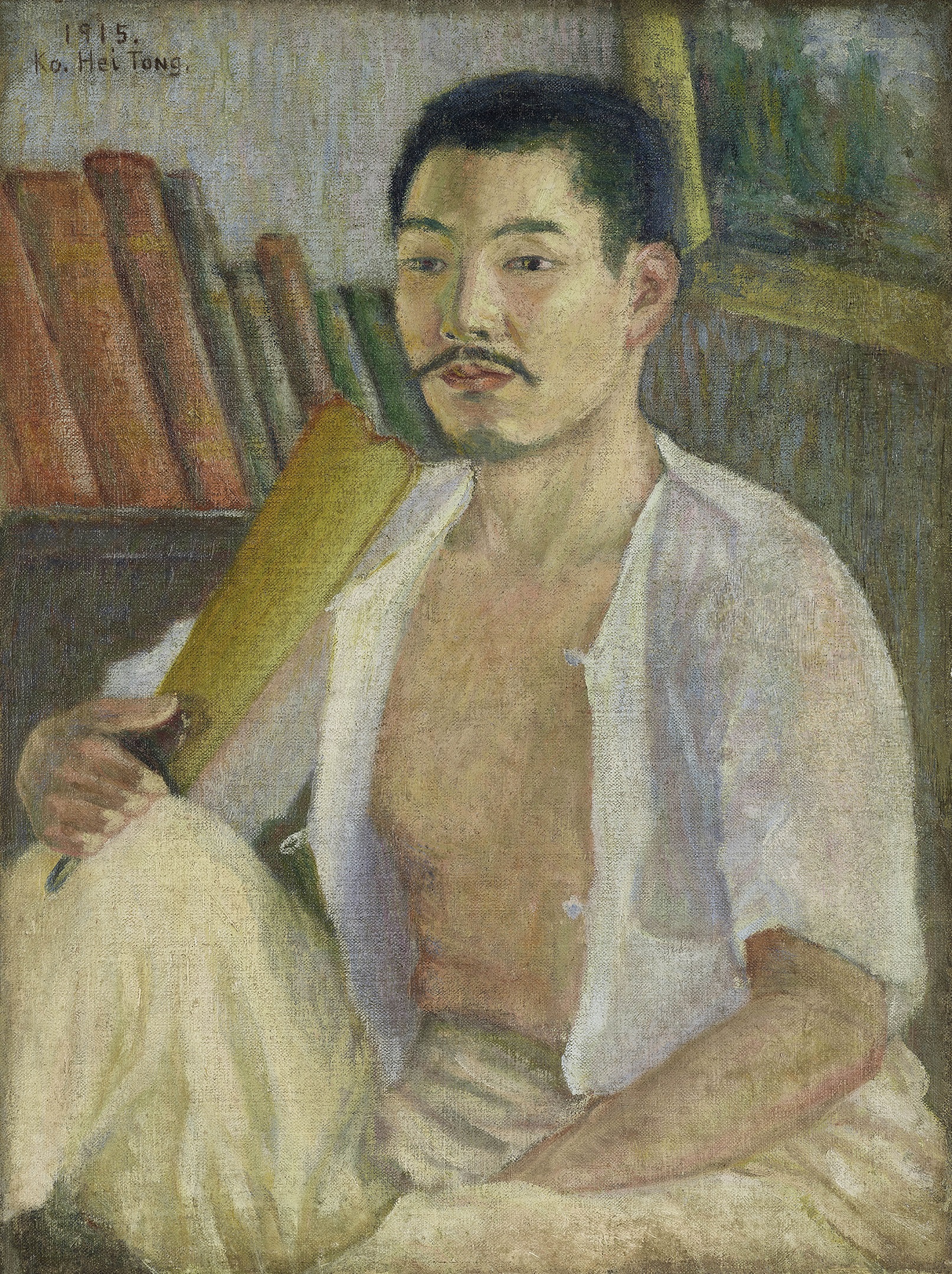
Ko Huidong
Ko Huidong (1886-1965, pen name Chungok) was born in Seoul and graduated from Hanseong French Language School. He worked as an interpreter and was appointed as a government official of the Korean empire. In 1907, he began to learn painting from An Jungsik and Cho Seokjin. He visited Japan to study art in 1909 and later attended Tokyo School of Fine Arts where he studied oil painting. The advent of Japanese colonization in 1910 caused him to lose his position as a government official and he became a student. He graduated in 1915. A Self-portrait with Jungjakwan (traditional Korean hat for government officials) reflected his self-consciousness of his former role as a government official of the Korean empire. His oil paintings, such as A Self-portrait with Durumagi (traditional Korean overcoat) or A Self-portrait Holding a Fan, are currently owned by the MMCA in Gwacheon. In the 1920s, he stopped creating Western paintings due to the lack of understanding of people around him. After this period, he focused on Eastern paintings depicting subjects such as Geumgangsan Mountain or other nativist landscape themes. He organized the Calligraphy and Painting Association [Seohwa hyeophoe] with An Jungsik, Cho Seokjin, and Lee Doyoung and worked as a secretary of that Association's exhibitions. He was acquainted with numerous other artists and he actively participated in political activism in the modern painter’s circle in Korea. Following the example of his father Ko Yeongcheol, a member of Yukgyo Poetic Gathering [Yukgyo sisa], he also interacted with other artists, such as Oh Sechang. He helped to organise artists as a chair of the Great Korean Art Association [Daehan misul hyeophoe] and later was appointed as a senator. In 1954, He was selected as the first chairman of the National Academy of Arts. His universal significance can be seen in his crucial contribution to the establishment of the first association of Western painting artists and modern artists in Korea.
-
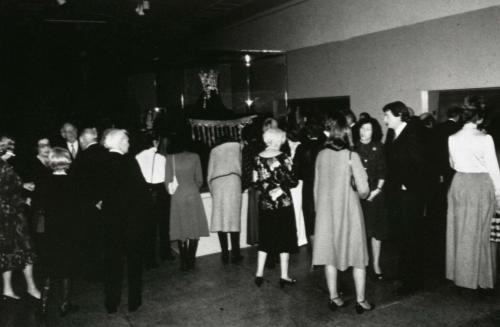
5000 Years of Korean Art
5000 Years of Korean Art was an overseas exhibition organized by the National Museum of Korea to introduce Korean cultural heritage to Japan, marking the beginning of cultural exchanges between Korea and Japan. It was held from February 24 through July 25, 1976 at the Kyoto National Museum, Fukuoka Prefectural Cultural Center, and Tokyo National Museum. It was a monumental exhibition that attracted 600,000 visitors for 120 days in Japan. This exhibition allowed Japanese people, who had become aware of Korea’s influence upon Japanese culture after the discovery of Takamatsuzuka Tumulus in 1972, to reconsider Korean culture. After the exhibition 5000 Years of Korean Art terminated in Japan, the National Museum of Korea presented a return exhibition at home with 348 objects selected from among the works displayed at the Japan exhibition. The oversea exhibition of Korean cultural heritage began with Masterpieces of Korean Art held in 1957 in the U.S. It was followed by The National Art Treasure of Korea presented at the Victoria and Albert Museum in London, England from March 21 through May 7, 1961. The National Art Treasure of Korea traveled to the Hague in the Netherlands, France, and Germany. This traveling exhibition, held until the end of June 1962 in Europe, aroused great interest. After the 1976 Japanese exhibition of 5000 Years of Korean Art, an exhibition under the same title was held from May 1, 1979 through September 30, 1981 at museums in seven U.S. cities. They were the Asian Art Museum in San Francisco, Seattle Art Museum, The Art Institute of Chicago, the Cleveland Museum of Art, Museum of Fine Arts Boston, The Metropolitan Museum of Art in New York, and The Nelson-Atkins Museum of Art in Kansas City. The exhibition featured 354 national treasure-class cultural heritage items. It contributed to the rediscovery of Korea as a country with an outstanding culture full of unique beauty, humor, and liveliness rather than a tragic country of war and division. From February 16, 1984 through January 13, 1985, the National Museum of Korea held a large-scale overseas exhibition at the British Museum as well as at the Museum für Kunst und Gewerbe (The Museum of Arts and Crafts) in Hamburg, and the Museum für Ostasiatische Kunst (Museum of East Asian Art) in Cologne in Germany.
Timelines

Sign Up for Email Updates