Chung Chong-yuo, Landscape of Keum-Kang Mountain, 1942, Ink and color on paper; ten-panel folding screen, 135×350cm. MMCA collection
Chung Chong-yuo


* Source: MMCA
Related
-
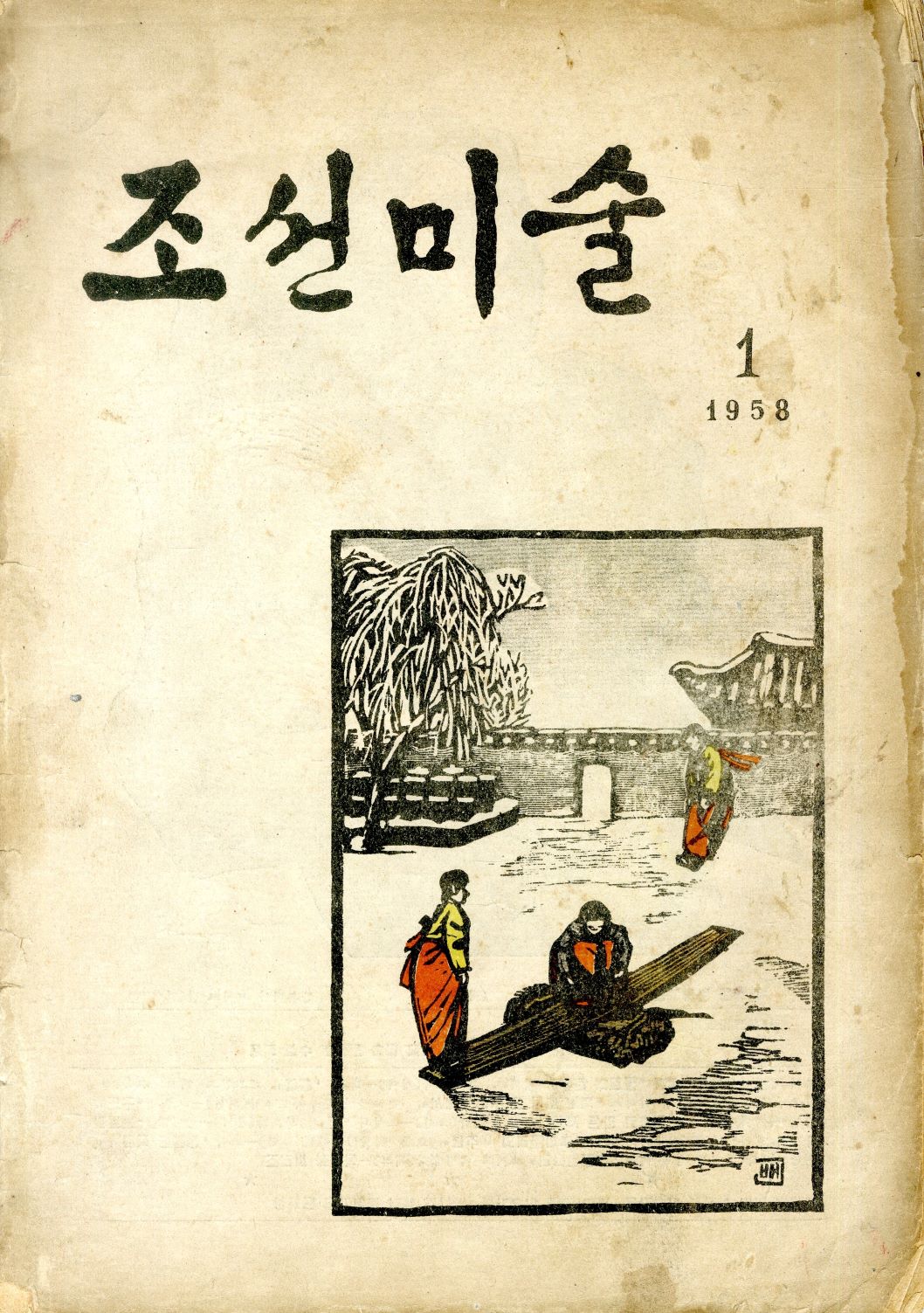
Korean Artist Federation
An organization formed in February 1946 under the leadership of Kim Jukyung, Lee Insung, and Oh Chiho, who had recently left the Korean Art Association (Joseon misul hyeophoe). Additionally, numerous members of the Korean Art Alliance (Joseon misul dongmaeng) also joined the organization. The president of the Korean Art Association, Ko Huidong, became a member of the Citizens Emergency Council, a group closely aligned with Rhee Syngman, despite his claims to political neutrality. This drew criticism from the artists of the Korean Artists Association and provided the impetus for the establishment of the Korean Artist Federation (Joseon misulga dongmaeng). The governing body was the Central Executive Committee, which oversaw seven departments: the Painting Department, Art Critique Department, Children’s Art Department, Art Education Department, Performing Arts Department, Sculpture Department, and Crafts Department. The organization followed a five-point doctrine: First, eliminate the remnant influences of the Japanese Empire; second, reject all nationalistic and decadent artistic trends; third, establish a new movement of national art; fourth, form a partnership with the international art community; and fifth, attempt to achieve enlightenment of the general population through art and the education of future artists. The inaugural exhibition was from June 24 to June 31, 1946, at the Hwasin Gallery. In addition to exhibitions, the group also engaged in the production of promotional art, such as posters for the Democratic People’s Front.
-
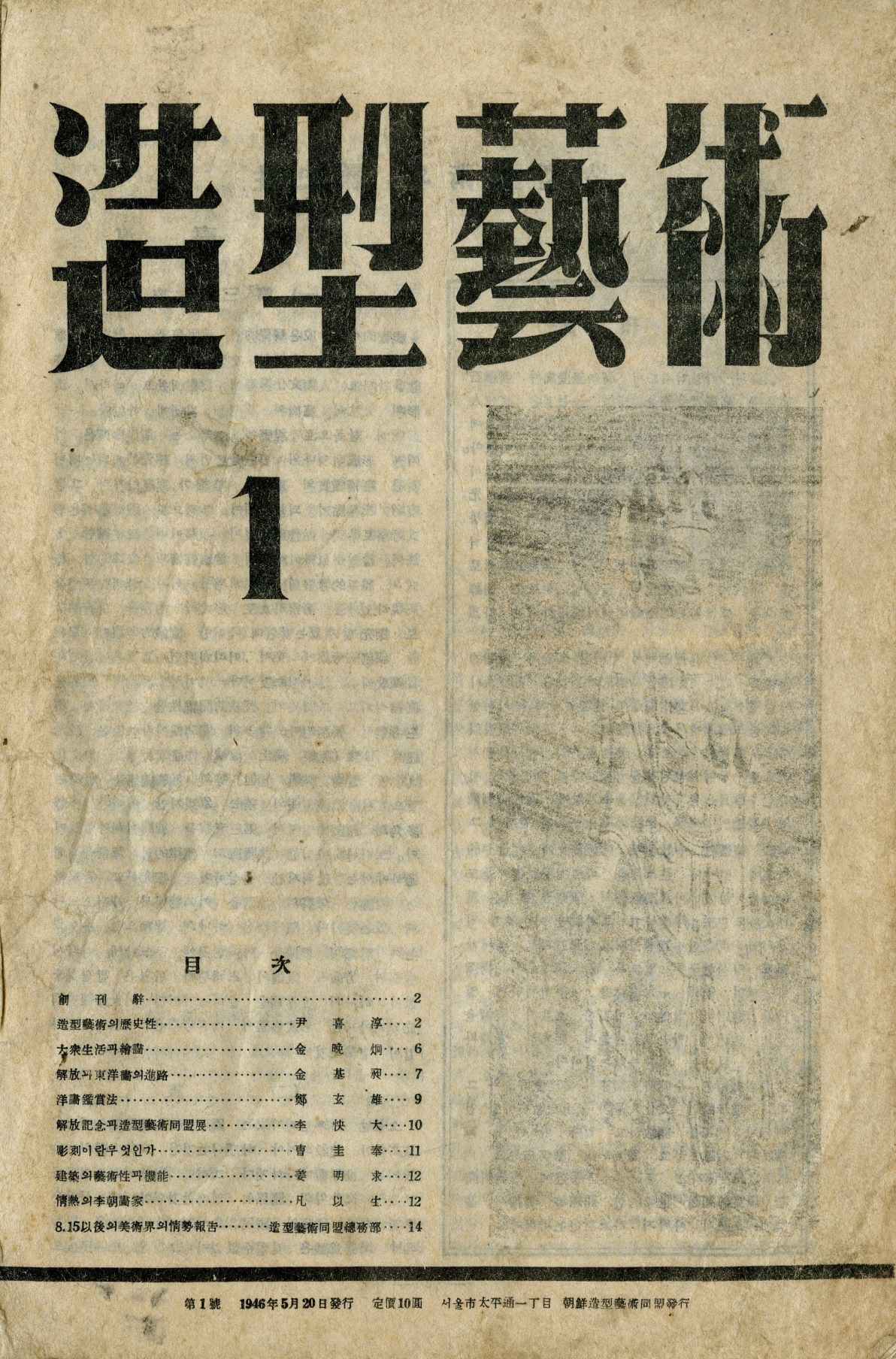
Korean Plastic Arts Federation
An organization formed in 1946 by numerous established artists. The core membership included Jeong Hyeonung, Gil Jinseop, Kim Kichang, Kim Man-hyeong, Lee Qoede, and Yoon Hee-soon, who left the Korean Art Association (Joseon misul hyeophoe) because of their opposition to the right-wing beliefs of Ko Huidong. The association was the parent organization of the Independent Art Association, Dangu Art Academy, Cheongahoe, Joseon Sculptors Association, and Korean Craftspersons Association (Joseon gongyega hyeophoe). The alliance held exhibitions and published bulletins, but about eight months after its establishment, it merged with the Korean Artist Federation (Joseon misulga dongmaeng) to form the Korean Art Alliance (Joseon misul dongmaeng). The Korean Plastic Arts Federation (Joseon johyeong yesul dongmaeng) was a rare politically moderate organization that accepted many artists in a national art community that was sharply divided along right-wing and left-wing divisions.
-
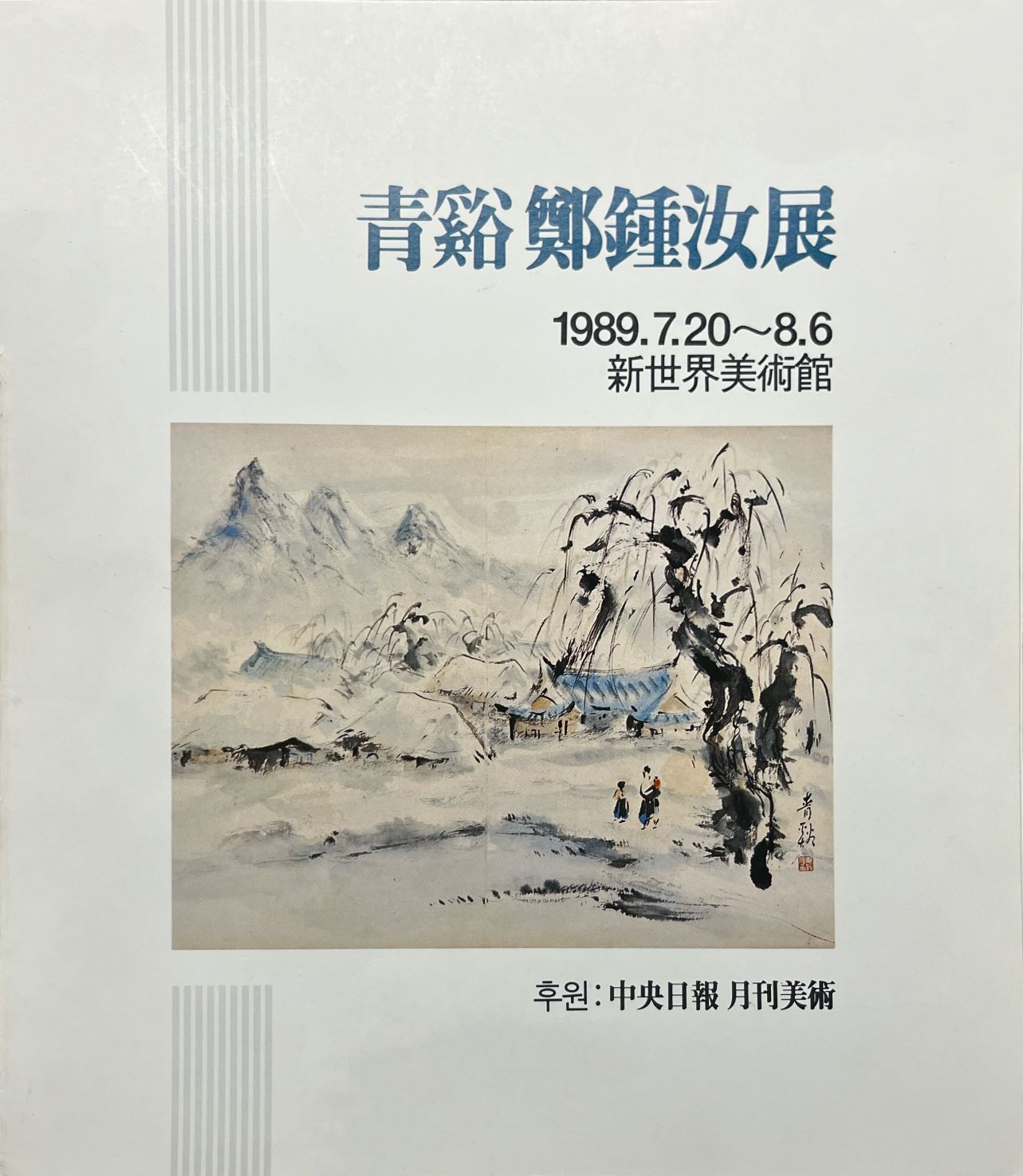
Cheonggye Chung Chong-yuo Exhibition
Cheonggye Chung Chong-yuo Exhibition was an exhibition held at Shinsegae Gallery from July 20 to August 6 in 1989, introducing paintings and sketches by Chung Chong-yuo before his defection to North Korea ahead of South Korea’s recapture of Seoul on September 28, 1950. Chung Chong-yuo was born in Geochang, Gyeongsangnam-do Province. While attending the Osaka Art School, he earned the first honorable mention at the Joseon Art Exhibition [Joseon misul jeollamhoe] with Autumn Field. He continued to receive honorable mentions and win special prizes at the Joseon Art Exhibition until 1944. Winning a Changdeokgung Palace Award at the Joseon Art Exhibition for his Snow in March in 1939, he was recognized for his skills. After Korea’s liberation from Japan, he held two solo exhibitions while serving as the chairman of the Eastern Painting Department of the Korean Plastic Arts Federation [Joseon johyeong yesul dongmaeng] and the Korean Art Alliance [Joseon misul dongmaeng]. In North Korea, he was recognized as a master of Korean painting, serving as the head of the Korean painting course at the Pyongyang Art School and the vice chairman of the Korean Artists Alliance [Joseon misulga dongmaeng]. Until his death at the age of seventy, Chung Chong-yuo worked both in ink-and-wash and color, producing a variety of works such as landscape, figure, bird-and-flower, and Buddhist paintings. Sponsored by the JoongAng Ilbo newspaper company and Wolgan Misool (Monthly Art) magazine, Cheonggye Chung Chong-yuo Exhibition featured forty works collected with the cooperation of private collectors, including two folding screens owned by the bereaved family, three bird-and-flower paintings, a portrait of his friend Yu Ijun’s mother, and sketches. The exhibition was largely comprised of landscape paintings depicting the natural beauty of Korea based on sketching from nature and works illustrating the simple lives and customs of common people. In particular, the sketches showing everyday life and the masterpiece Eagle (in the collection of the Yonsei University Museum), painted on gold leaf paper in 1948, attracted public’s attention. Along with the images of these works, the exhibition catalogue for Cheonggye Chung Chong-yuo Exhibition contained writings: “Friendship Built through Competition in Good Faith” by Kim Kichang (pen name Unbo), a close friend of Chung; “The Artistic Soul and Warm Humanity of the Brother Cheonggye” by Yoon Jaewoo (pen name Gyulwon), who was Chung’s junior colleague at the Osaka Art School; and “Jiyong and Cheonggye’s Trip to Namhae” by the novelist Lee Byeonggyu. This exhibition is significant in that it is the first solo exhibition of an artist who defected to North Korea after the ban on artists who defected to or were abducted to North Korea was lifted in October 1988.
Timelines

Sign Up for Email Updates