1988 Korean Contemporary Painting, Leaflet, 1988, MMCA Art Research Center Collection
1988 Korean Contemporary Painting


* Source: MMCA
Related
-
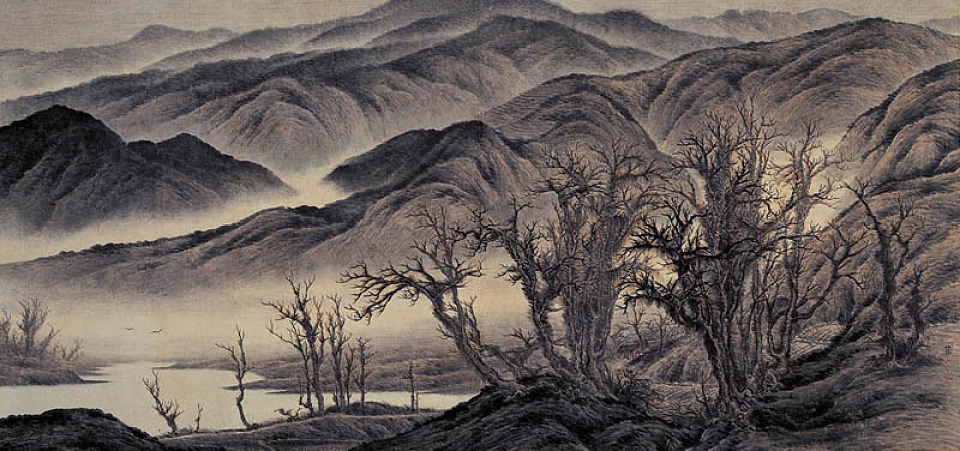
hangukhwa
A type of painting created during the 20th century that uses traditional Korean materials, techniques, and styles. The term emerged from the criticism that traditional-style paintings were called Eastern paintings in Korea, in contrast to China, where they were called national-style paintings, and Japan, where they were called Japanese-style paintings. The term hangukhwa (Korean Painting) entered official use following the overhaul of the educational curriculum in December 1981, and the appearance of the term Korean painting, with the subcategories ink wash painting [sumukhwa] and ink and light-colored painting [damchaehwa] were listed in art textbooks from 1983. The Grand Art Exhibition of Korea also began using the term hangukhwa (Korean Painting), as opposed to Eastern painting, in 1982. Prior to this, Hankukhwahui (Korean Painter’s Association) was used as a collective term for such Korean painters in 1964 and Kim Youngki (pen name Chunggang) argued to use the term Korean painting to define national identity in his essay “On hangukhwa (Korean Painting) and Criticism.” Criticism that Korean paintings, unlike the national paintings of China and Japan, do not have a narrative theme, and that the use of such a term was contrary to contemporary artistic trends, resulted in the term “hangukhwa (Korean Painting)” failing to achieve mainstream use. Hangukhwa (Korean Painting) is currently used interchangeably with the term Eastern painting.
-
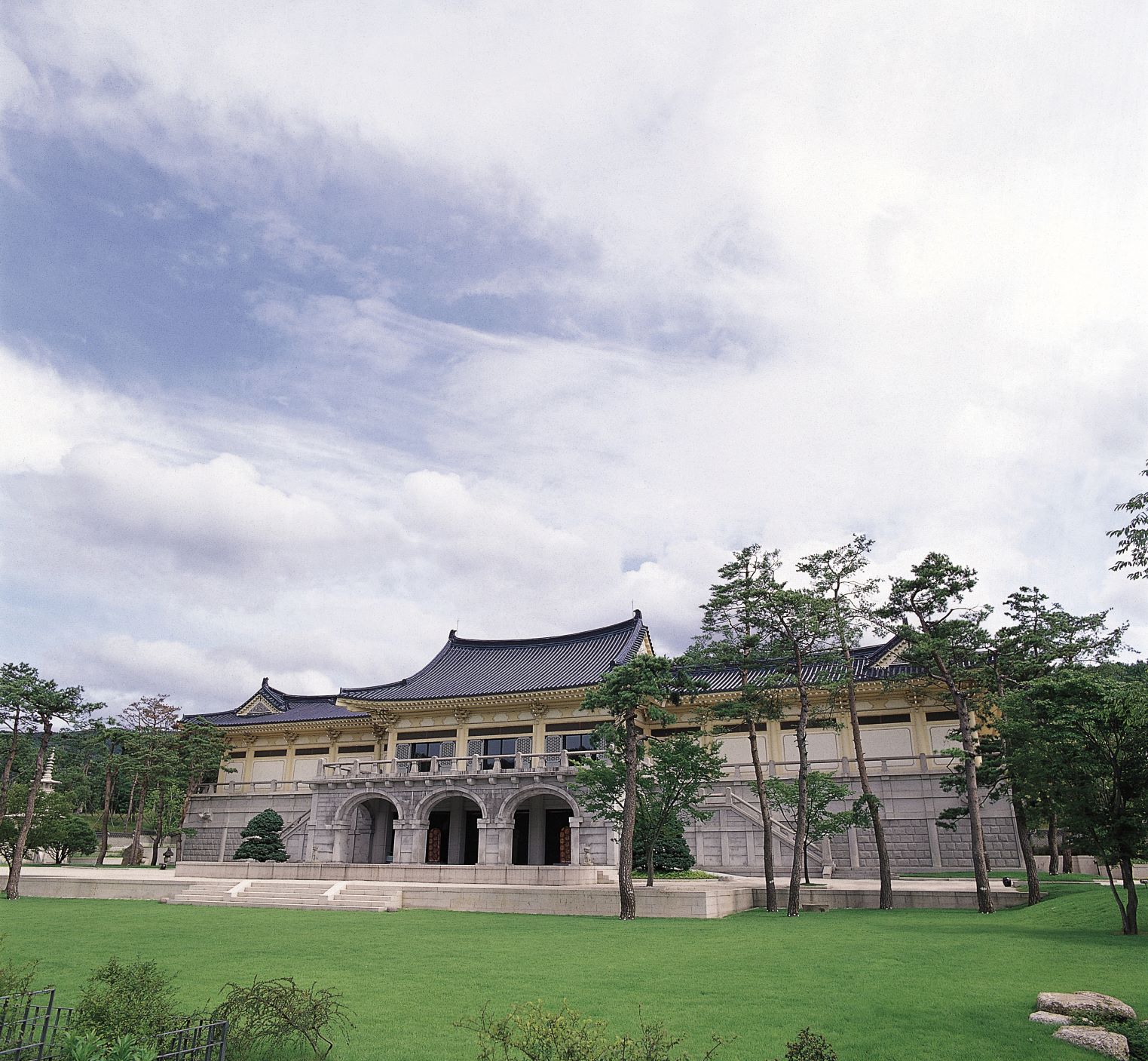
Hoam Art Museum
A private art museum established in 1982. The museum’s collection is based on a foundation of 1,200 antique art pieces collected by Lee Byung-chul, the founder of the Samsung Group, and its collection includes paintings, wooden furniture, Buddhist artworks, and ceramics from the past to the modern era. Ho-Am is the literati sobriquet of Lee Byung-chul, and the museum was originally situated in Cheoin-gu Yongin, Gyeonggi-do. Notable exhibitions held at the museum include the Masterpieces of Korean Folk Painting Exhibition in 1983, the three Joseon White Porcelain Exhibitions in 1983, 1985, and 1987, the National Treasures of Goryeo Exhibition in 1995, and the Masterpieces of Korean Art Exhibition in 2002. The Hoam Art Gallery moved to Sunhwa-dong, Jung-gu, Seoul in 1992. iIn 2004 it moved once again to Hannam-dong in Seoul, and its name was changed to the Leeum.
Timelines

Sign Up for Email Updates