Korean Craftspersons Association


The Korean Craftspeople Association (Joseon gongyega hyeophoe, KCA) is an organization of craftspeople founded shortly after Korea’s liberation from Japan with the goal of purifying the crafts community and producing outstanding craftworks. It was established on March 10, 1946 by the chairman Kim Jeasuk, the vice chairman Kang Changwon, and fourteen other craftspeople and designers, such as Kim Bong-ryong, Park Cheolju, Paik Taewon, and Lee Wanseok. Later, as its membership grew to more than fifty, the KCA came to be equipped with various divisions, including design, lacquering, goldsmithing, ceramics, embroidery, dyeing, woodworking, and ox-horn inlaying. It was formed as a unified organization that encompassed craftspeople and designers from all across the country. It aimed to cooperate with the government for the establishment of craft policies, to preserve, foster, and enhance traditional crafts, and to promote the cultural development of people’s lives by winning recognition for Korean culture through overseas exports. The KCA advertised a call for entries for the National Art and Craft Exhibition (Jeonguk misul gongye jeollamhoe) held at the Gyeongbokgung Palace Museum from May 20 to 30, 1946 through the sponsorship of the U.S. military government. From June 21 to 30, 1946, it held the first Art and Craft Exhibition (Misul gongye jeollamhoe) at the Deoksugung Museum of Art. The KCA joined the National Federation of Cultural Organizations, which was formed in February 1947 when thirty cultural organizations came together. It also took part in the Korean Comprehensive Arts Exhibition in 1947 in Geunjeongjeon Hall at Gyeongbokgung Palace organized by the Ministry of Education. Nothing is known about its subsequent activities.
* Source: MMCA
Related
-
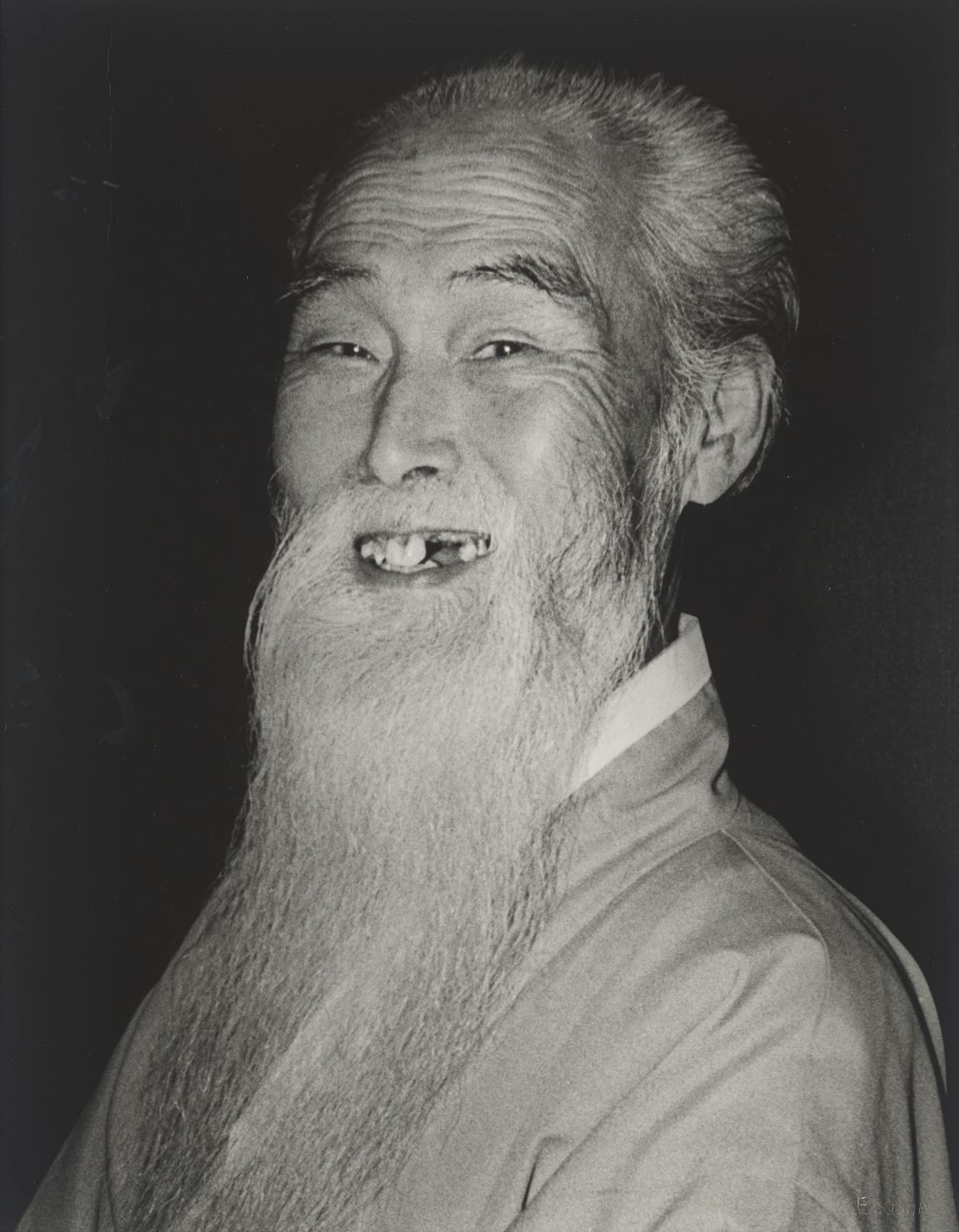
Kim Bongryong
Kim Bongryong (1902-1994) was a craftsman of mother-of-pearl lacquerware. Born in Tongyeong, Gyeongsangnam-do Province, Kim graduated from primary school and learned the basics of mother-of-pearl lacquerware from Park Jeongsu, the master of the field. Later, he entered the Tongyeong County Industrial Training Center and received full-time guidance from Jeon Seonggyu. He received attention as Bookcase submitted to the 1924 Kyoto World Exposition and Large Flower Vase submitted to the 1925 International Exhibition of Modern Decorative and Industrial Arts in Paris won awards. He firmly secured his position as a craftsman by actively participating in the crafts section of the Joseon Art Exhibitions (Joseon misul jeollamhoe), which was established in 1932. After Korea’s liberation from Japan, Kim taught as a part time lecturer at the Lacquerware Inlaid with Mother-of-Pearl Training School in Tongyeong and served as an assistant director at the same center which was later renamed Gyeongsangnam-do Provincial Lacquerware Inlaid with Mother-of-Pearl Training Center. He also taught mother-of-pearl inlaying and lacquering techniques at the Seorabeol University of Arts. In 1967, he was designated as the holder of the National Important Intangible Cultural Heritage No. 10 (Mother-of-pearl inlaying). In 1969, he founded the Mother-of-Pearl Inaly Lacquerware and Yi Dynasty Woodenware Research Institute in Wonju, Gangwon-do Province and devoted himself to fostering younger generations and creating works. Kim Bongryong revolutionized Korean mother-of-pearl inlay lacquerware by refining the jureumjil technique of cutting the mother-of-pearl using a motif pattern and creating detailed yet vibrant designs.
-

Lee Wansuk
Lee Wansuk (1915-1969) was involved in diverse activities in the art and design fields and ran Cheonil Gallery and the Korean Folk Crafts Research Institute [Hanguk minyepum yeonguso]. Born in 1915 in Gongju, Chungcheongnam-do Province, Lee spent his childhood in Seoul. In the 1930s, he studied abroad in Tokyo, Japan, where he attended Taisei Middle School and Taiheiyo Art School. After returning to Korea, he worked as a designer for advertisement and product packages at Cheonil Pharmaceuticals. He also participated in the exhibition held by the Geukhyeonsa oil painters’ group in 1937, along with Son Eungsung, Jo Woosik, Lee Gyusang, and Chae Wonhui. As the demand for propaganda art and printed materials increased right after Korea’s liberation from Japan, he produced works in a variety of mediums, including posters, book covers, and newspaper illustrations. In November 1945, he joined the Korean Art Association [Joseon misul hyeophoe] as a founding member, but he withdrew from the association in February of the following year and joined the Korean Plastic Arts Federation [Joseon johyeong yesul dongmaeng]. In December 1945, he founded the Korean Industrial Artists Association [Hanguk saneop misulga hyeophoe] along with Han Hongtaik, Jo Neungsik, Yu Yunsang, Kwon Yeonghyu, and others. Later, he submitted posters to the exhibitions hosted by the association almost every year. In 1946, he took part in the founding of the Korean Craftspeople Association [Joseon gongyega hyeophoe]. Many of his surviving posters feature lyrical renderings of traditional symbols and motifs of rich local color with a painterly touch. Lee opened Cheonil Gallery in 1954 and organized exhibitions such as Contemporary Artists and Posthumous Works by Kim Junghyun, Gu Bonung, and Lee Insung. However, the gallery closed after half a year due to financial difficulties. While serving as president of Cheonil Department Store, he took the lead in sponsoring artists. He assumed charge of practical matters for the exhibition Contemporary Art of the Republic of Korea that traveled to Southeast Asia (Hong Kong, Singapore, Taiwan, Thailand, Vietnam, and Cambodia) from 1960 through 1961. Lee endeavored to earn foreign currency by exporting Korean crafts overseas. As a case in point, in 1964, Lee opened the Korean Folk Crafts Research Institute at Cheonil Department Store. Moreover, he held the Contemporary Korean Crafts exhibition at the Nihonbashi Main Branch of Mitsukoshi Department Store in Tokyo in collaboration with the Japan Folk Crafts Museum. Unfortunately, he passed away at the age of fifty-four. Cheonil Gallery is the predecessor of Gallery YEH (currently in Sinsa-dong, Gangnam-gu), which opened in Insa-dong in May 1978.
-
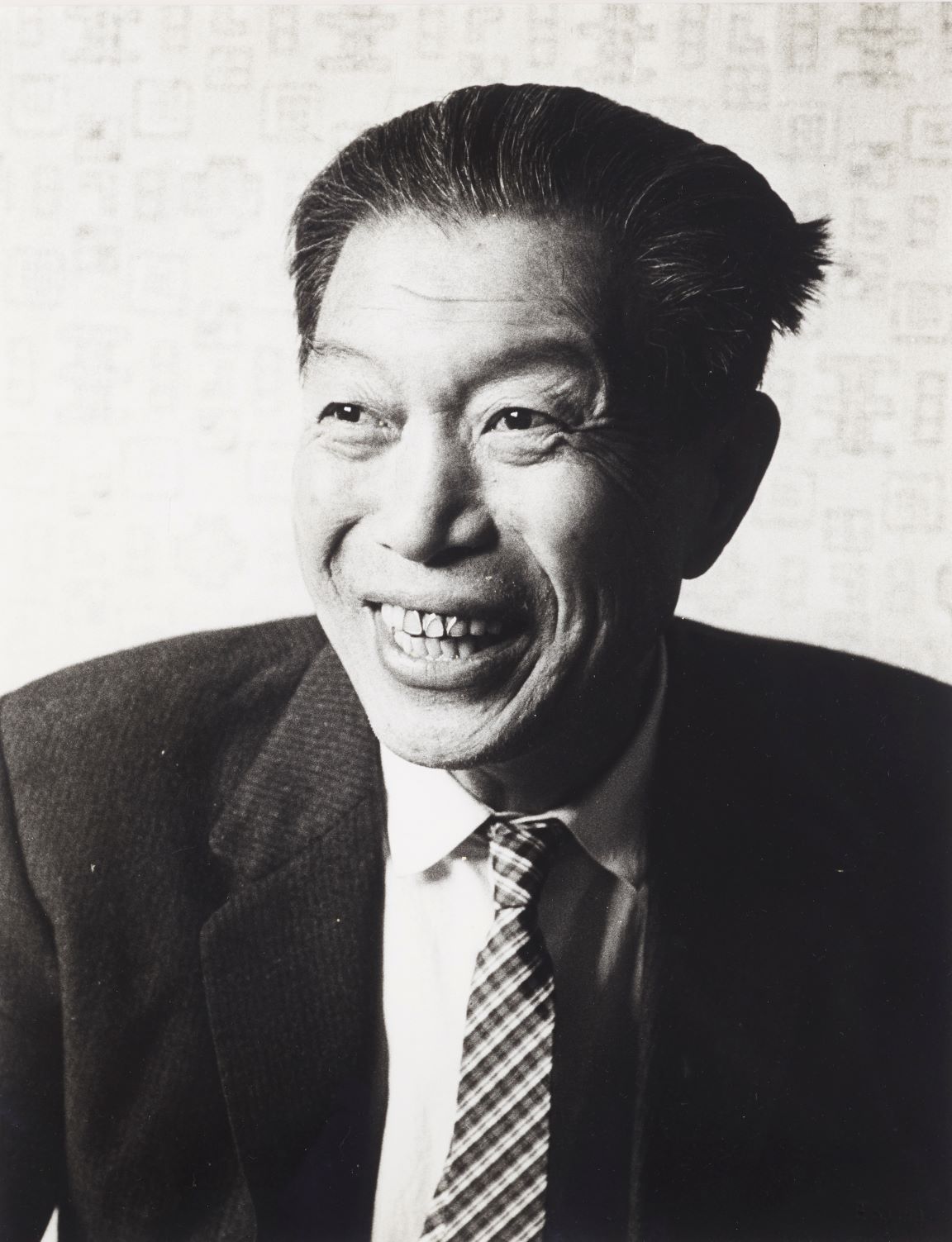
Kang Changwon
Kang Changwon (1906-1977) was a dry-lacquer artist who was active from the Japanese colonial era through the 1970s. His real name is Kang Changgyu and his sobriquet is Changwon. Born in 1906 in Haman, Gyeongsangnam-do Province, Kang graduated from the Haman Common School in 1920 and studied at Okayama Institute of Technology. In 1929, he enrolled as a second-year student at the Lacquering Department in the Tokyo Fine Arts School (present-day Tokyo University of the Arts) and graduated in 1933. In April of the same year, he was admitted to the research department, which is equivalent to today’s graduate school, but dropped out in November due to overdue tuition. It has been commonly believed that he used his real name “Kang Changgyu” before Korea’s liberation from Japan and after liberation he used his sobriquet “Changwon.” However, catalogues for national exhibitions show that his sobriquet had been used since at least 1934. He submitted his dry-lacquered vessels for snack and flower vases to the fourteenth and fifteenth Imperial Art Academy Exhibition in 1933 and 1934, the Ministry of Education Art Exhibition in 1936, and the second New Ministry of Education Art Exhibition in 1938. Kang was the first Korean whose work was accepted for the crafts section of these Japanese national exhibitions. He won a special prize at the Joseon Art Exhibitions [Joseon misul jeollamhoe] six times, starting in 1933. In 1941, he was awarded the Achievement Award, and he became a recommended artist in the 21st edition. In the 23rd edition, he was given a position to assist judges, making him the only Korean to be appointed to an honorary position in the crafts section. Soon after Korea’s liberation from Japan, Kang joined the Korean Plastic Arts Federation [Joseon johyeong yesul dongmaeng], served as vice chairman of Korean Craftspeople Association [Joseon gongyega hyeophoe], and was a member of the Seoul Arts Committee and of the art council of the Ministry of Education. In 1946, he established Changwon Craft Center. He also taught students at Ewha Womans University and Seorabeol Art College, but his teaching career did not last long. He participated in the first National Art Exhibition (Gukjeon) as a judge and invited artist, but he began to actively engage with the National Art Exhibition from 1966. Particularly in 1973, he won a prize as an invited artist. In December of 1974, his first solo exhibition was held at Midopa Art Gallery. He held several solo exhibitions since then. After he passed away, a retrospective exhibition entitled Special Exhibition on Dry-lacquer Works by Kang Changwon was held at the National Museum of Modern and Contemporary Art, Korea (now MMCA). Kang Changwon established dry-lacquer craft as an art form. His works take on strictly proportional and sculptural forms that exclude surface decoration in favor of layers of paint over hemp cloths. They were highly regarded by contemporaneous artists and critics. Dry-lacquered Try (1933) by Kang in the collection of the National Museum of Korea was designated as a registered cultural heritage.
Timelines

Sign Up for Email Updates