Image provided by GALLERY YEH
Lee Wansuk


* Source: MMCA
Related
-
Korean Craftspersons Association
The Korean Craftspeople Association (Joseon gongyega hyeophoe, KCA) is an organization of craftspeople founded shortly after Korea’s liberation from Japan with the goal of purifying the crafts community and producing outstanding craftworks. It was established on March 10, 1946 by the chairman Kim Jeasuk, the vice chairman Kang Changwon, and fourteen other craftspeople and designers, such as Kim Bong-ryong, Park Cheolju, Paik Taewon, and Lee Wanseok. Later, as its membership grew to more than fifty, the KCA came to be equipped with various divisions, including design, lacquering, goldsmithing, ceramics, embroidery, dyeing, woodworking, and ox-horn inlaying. It was formed as a unified organization that encompassed craftspeople and designers from all across the country. It aimed to cooperate with the government for the establishment of craft policies, to preserve, foster, and enhance traditional crafts, and to promote the cultural development of people’s lives by winning recognition for Korean culture through overseas exports. The KCA advertised a call for entries for the National Art and Craft Exhibition (Jeonguk misul gongye jeollamhoe) held at the Gyeongbokgung Palace Museum from May 20 to 30, 1946 through the sponsorship of the U.S. military government. From June 21 to 30, 1946, it held the first Art and Craft Exhibition (Misul gongye jeollamhoe) at the Deoksugung Museum of Art. The KCA joined the National Federation of Cultural Organizations, which was formed in February 1947 when thirty cultural organizations came together. It also took part in the Korean Comprehensive Arts Exhibition in 1947 in Geunjeongjeon Hall at Gyeongbokgung Palace organized by the Ministry of Education. Nothing is known about its subsequent activities. -
Cheonil Gallery
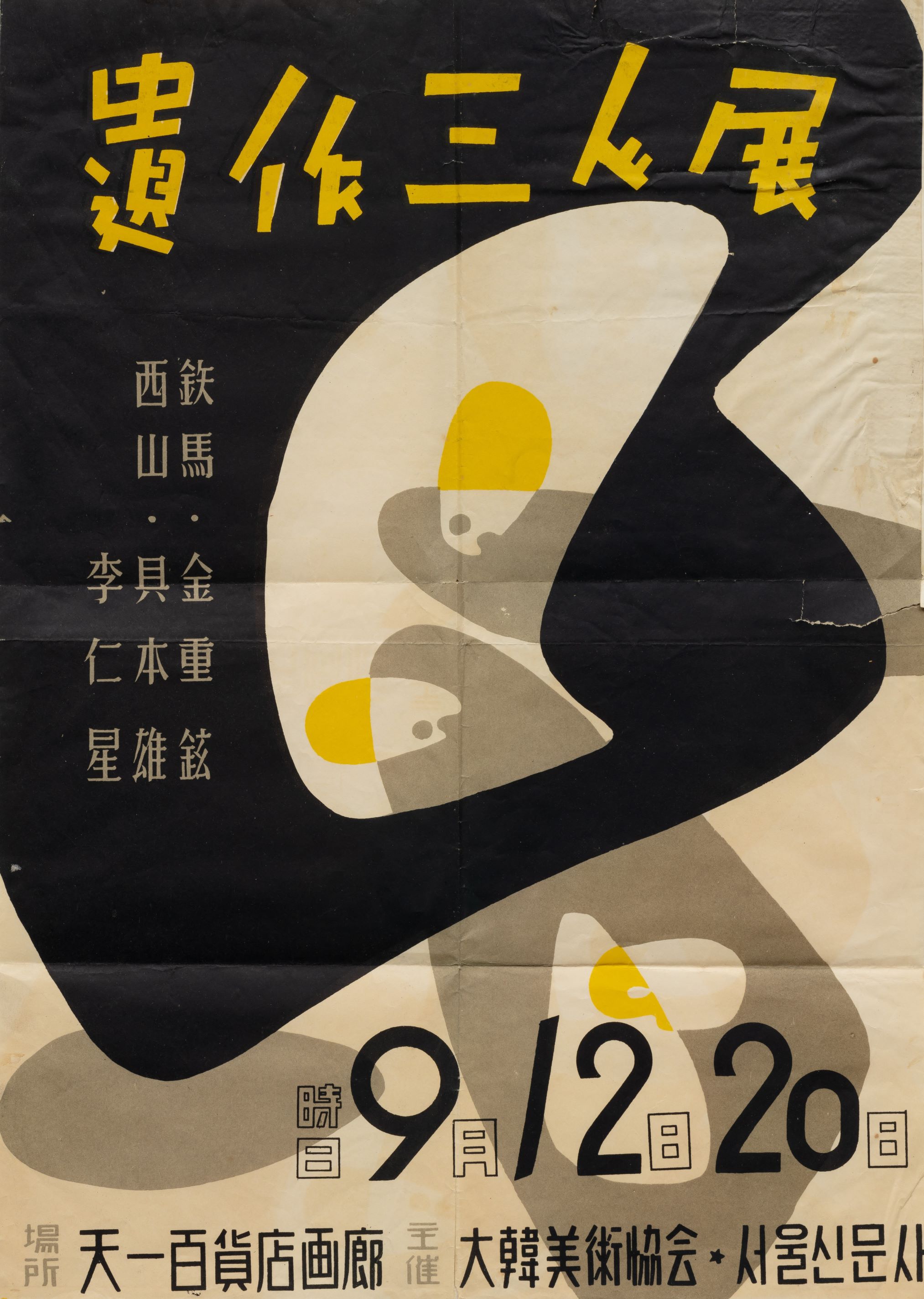
A gallery that opened in July 1954 on the fourth floor of the Cheonil Department Store, which was located in Jongno 4-ga, Seoul. The gallery was established by Lee Wansuk, an alumnus of the Department of Design at the Taiheiyo Art School of Tokyo, for the purpose popularizing art culture. The gallery engaged in a wide range of activities: art sales, art loaning, appraisal, introducing Korean art overseas, holding lectures on art, and mounting artwork. The inaugural exhibition was the Contemporary Artists Exhibition, which featured 40 artists active in Eastern art, Western art, and sculpture. The 2nd exhibition drew attention for featuring the posthumous work of Kim Junghyun, Gu Bonung, and Lee Insung, but the gallery closed after about six months.
-
Korean Plastic Arts Federation
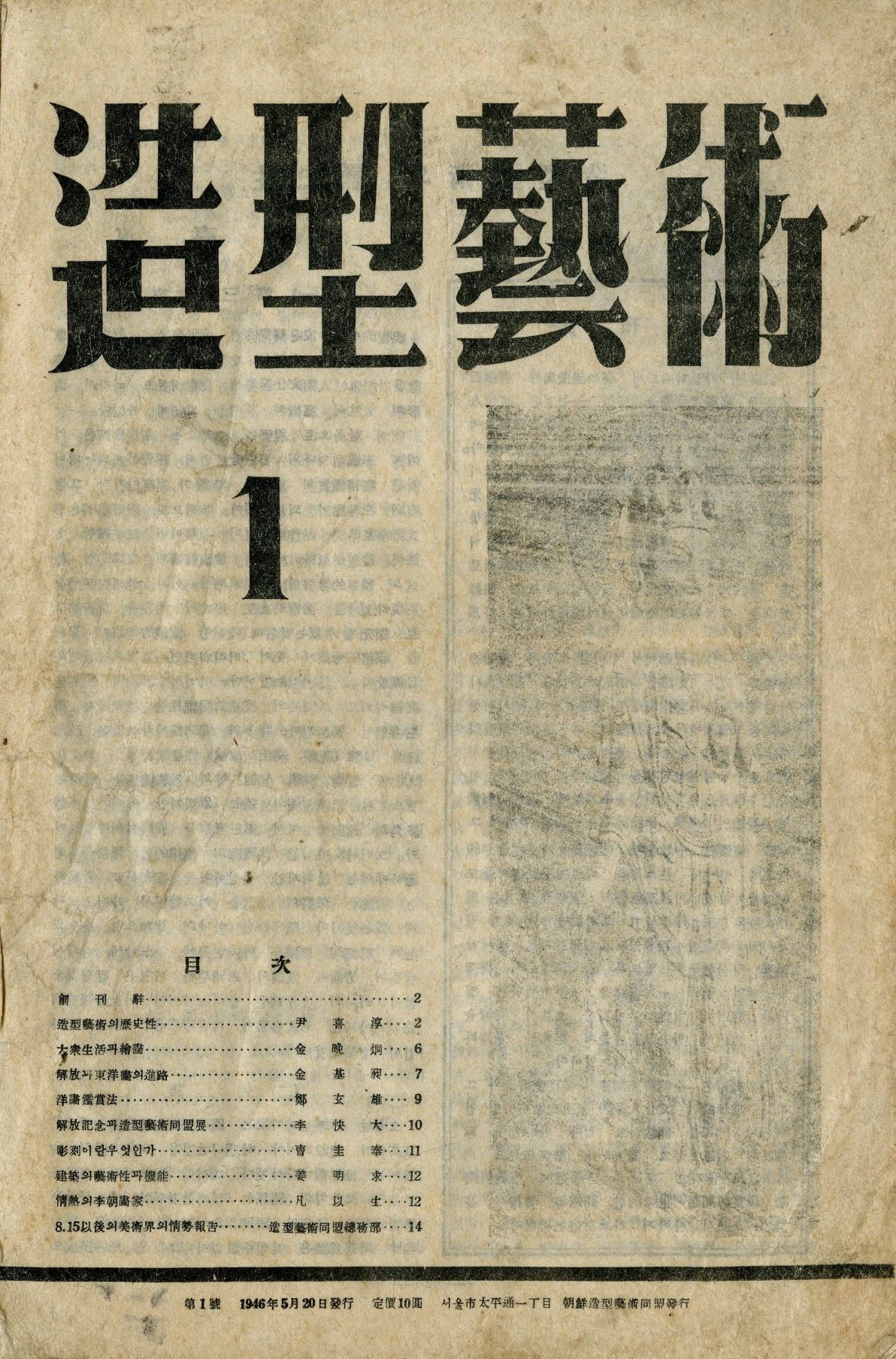
An organization formed in 1946 by numerous established artists. The core membership included Jeong Hyeonung, Gil Jinseop, Kim Kichang, Kim Man-hyeong, Lee Qoede, and Yoon Hee-soon, who left the Korean Art Association (Joseon misul hyeophoe) because of their opposition to the right-wing beliefs of Ko Huidong. The association was the parent organization of the Independent Art Association, Dangu Art Academy, Cheongahoe, Joseon Sculptors Association, and Korean Craftspersons Association (Joseon gongyega hyeophoe). The alliance held exhibitions and published bulletins, but about eight months after its establishment, it merged with the Korean Artist Federation (Joseon misulga dongmaeng) to form the Korean Art Alliance (Joseon misul dongmaeng). The Korean Plastic Arts Federation (Joseon johyeong yesul dongmaeng) was a rare politically moderate organization that accepted many artists in a national art community that was sharply divided along right-wing and left-wing divisions.
Timelines

Sign Up for Email Updates