Pai Mansil, Dancer, Wool yarn; tapestry, 204x142cm. MMCA collection
Pai Mansil


* Source: MMCA
Related
-
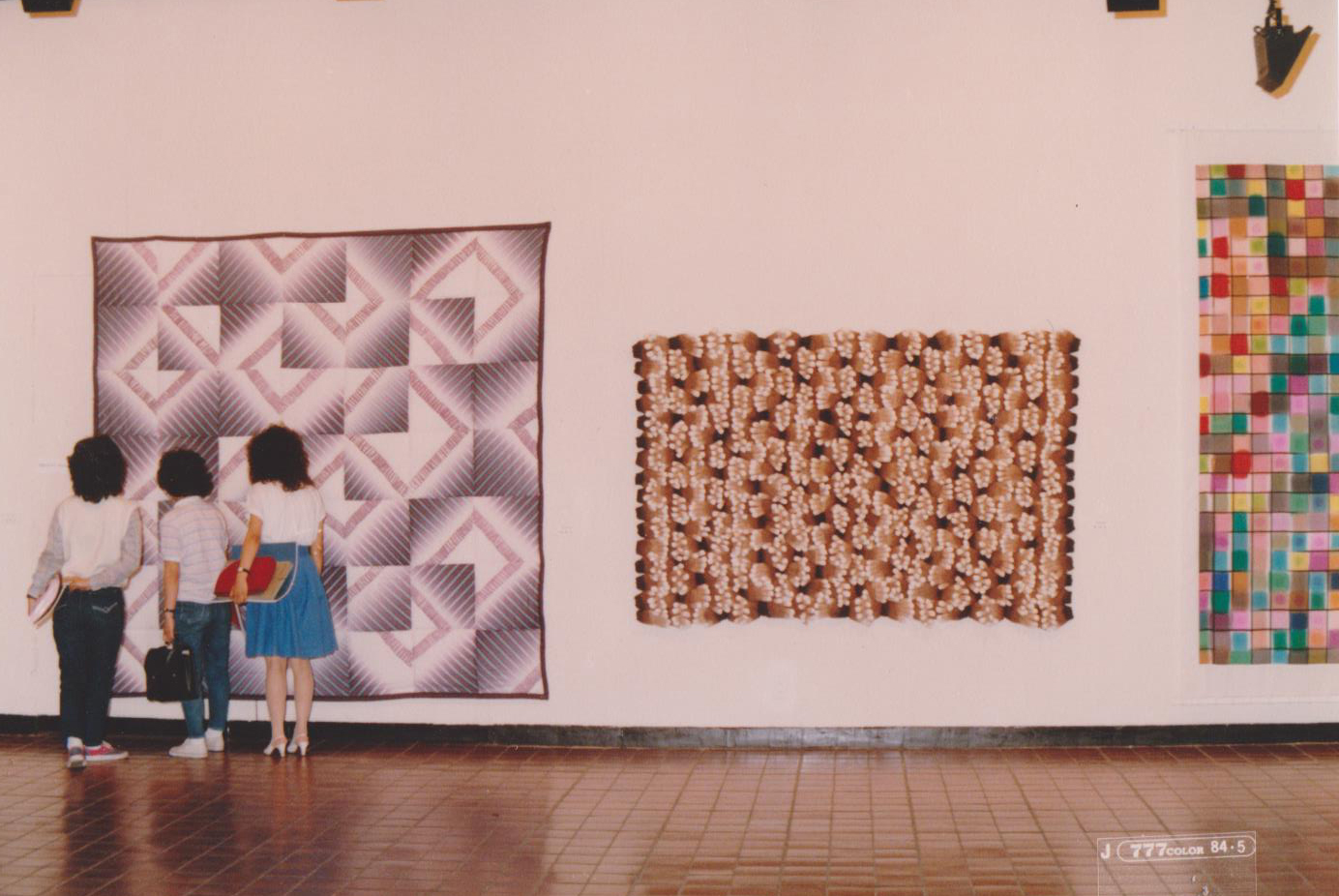
Korea Fiber Artists’ Association
The Korea Fiber Artists’ Association (Hanguk seomyu misulgahoe, KFAA) was founded in 1984 by a group of artists who played a leading role in fiber art. Its first president was Pai Mansil, a professor in the Decorative Arts Department at Ewha Womans University. The inaugural exhibition was held in May 1984 at the Korea Culture and Arts Foundation Art Center. Since its founding, the KFAA has been hosting the Korean Fiber Art Biennale, an international exhibition event, every two years. The biennale began with the participation of artists who have led the Korean fiber art scene, including Lee Shinja, Kim Jihee, Park Sookhee, Jeong Jeonghui, and Lee Sungsoon. Every year, it has expanded to include about 100 members including current university professors and rising artists. In the KFAA exhibitions, various attempts to showcase expanded modes of expression of contemporary fiber art, ranging from the two-dimensional approach to three-dimensional approach and installation, have been made. Moreover, the KFAA holds international textile exchange exhibitions with Indonesia, Japan, and other countries and endeavors to preserve the Korean fiber art tradition and modernize it while focusing on developing creative cultural contents for fiber artists. -
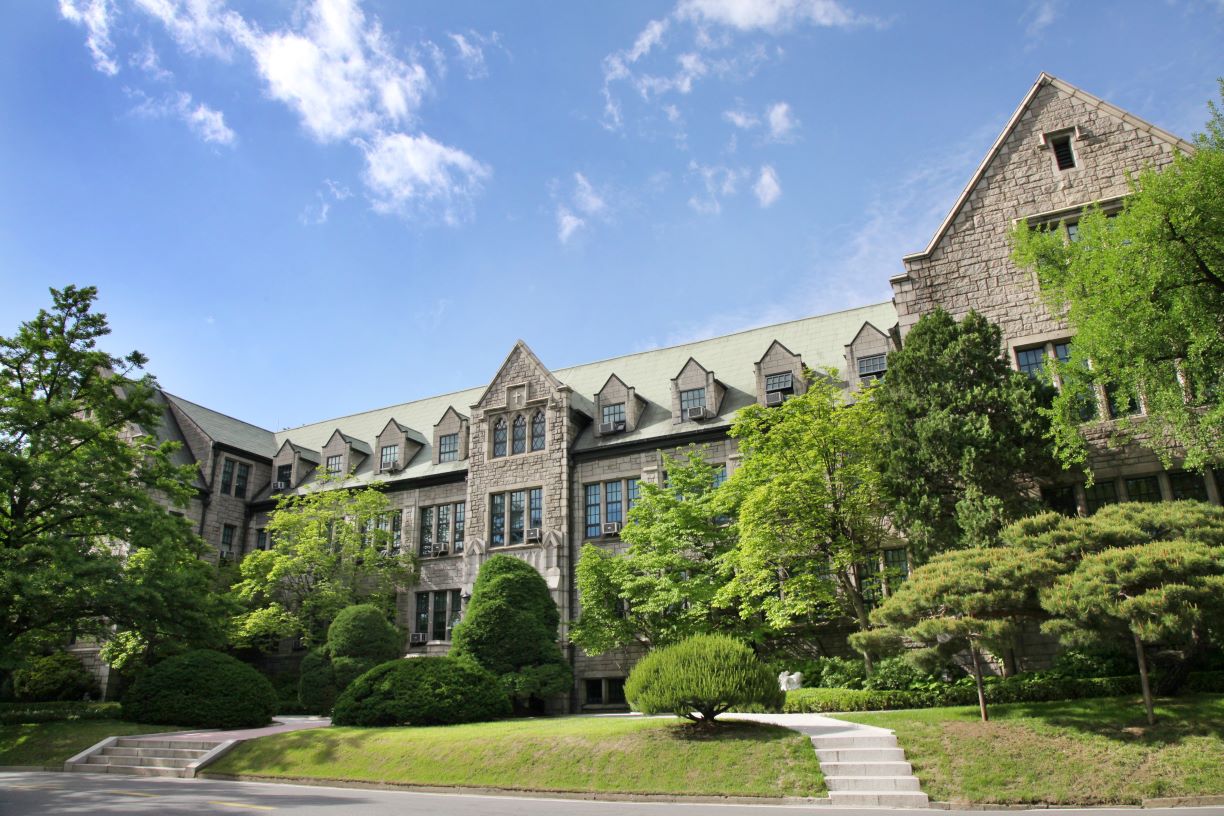
Ewha Womans University
Ewha Womans University is a private university located in Daehyeon-dong, Seodaemun-gu, Seoul. Its parent institution was the College courses at Ewha Hakdang (Ewha Girl’s School), Korea’s first women’s school that the American missionary Mary Scranton founded in Jeong-dong, Jung-gu, Seoul. During the Japanese colonial era, it became Ewha College that functioned as a relief vocational school. In 1945, it was accredited as Korea’s first university. In 1946, it was renamed the Ewha Womans University. The College of Art and Design at Ewha Womans University was the first four-year university institution specializing in fine arts in South Korea. In October 1945, the Ewha Womans University had Hallimwon, Yerimwon, and Haengnimwon. Yerimwon was like an art college with a fine arts department and a music department. In 1946, the art department in Yerimwon was reorganized into the School of Fine Arts, and in September 1947 four major departments of Eastern-style painting, Western-style painting, embroidery, and design were established in the School of Fine Arts at Yerimwon. In October 1949, the graduation exhibition Nongmihoe of the first class was held at Daewon Gallery through the sponsorship of the Kyunghyang Shinmun newspaper company. In December 1951, the Department of Fine Arts in the College of Art came to be equipped with eight majors of Eastern painting, Western painting, sculpture, embroidery, design, photography, interior design, and dyeing. The Department of Fine Arts was installed in the graduate school as well. In 1967, the Department of Painting was divided into Eastern painting and Western painting departments, and the Department of Decorative Art was newly established. The school system, reformed in March 1998. It consists of three faculties and nine majors: School of Fine Arts (Korean painting, painting · printmaking, and sculpture), School of Design (environmental design, visual communication design, industrial design, and fashion design), and School of Crafts (textile art and ceramic art). Currently, the College of Art and Design consists of the Fine Art Division, Design Division, and Fiber/Fashion Division.
-
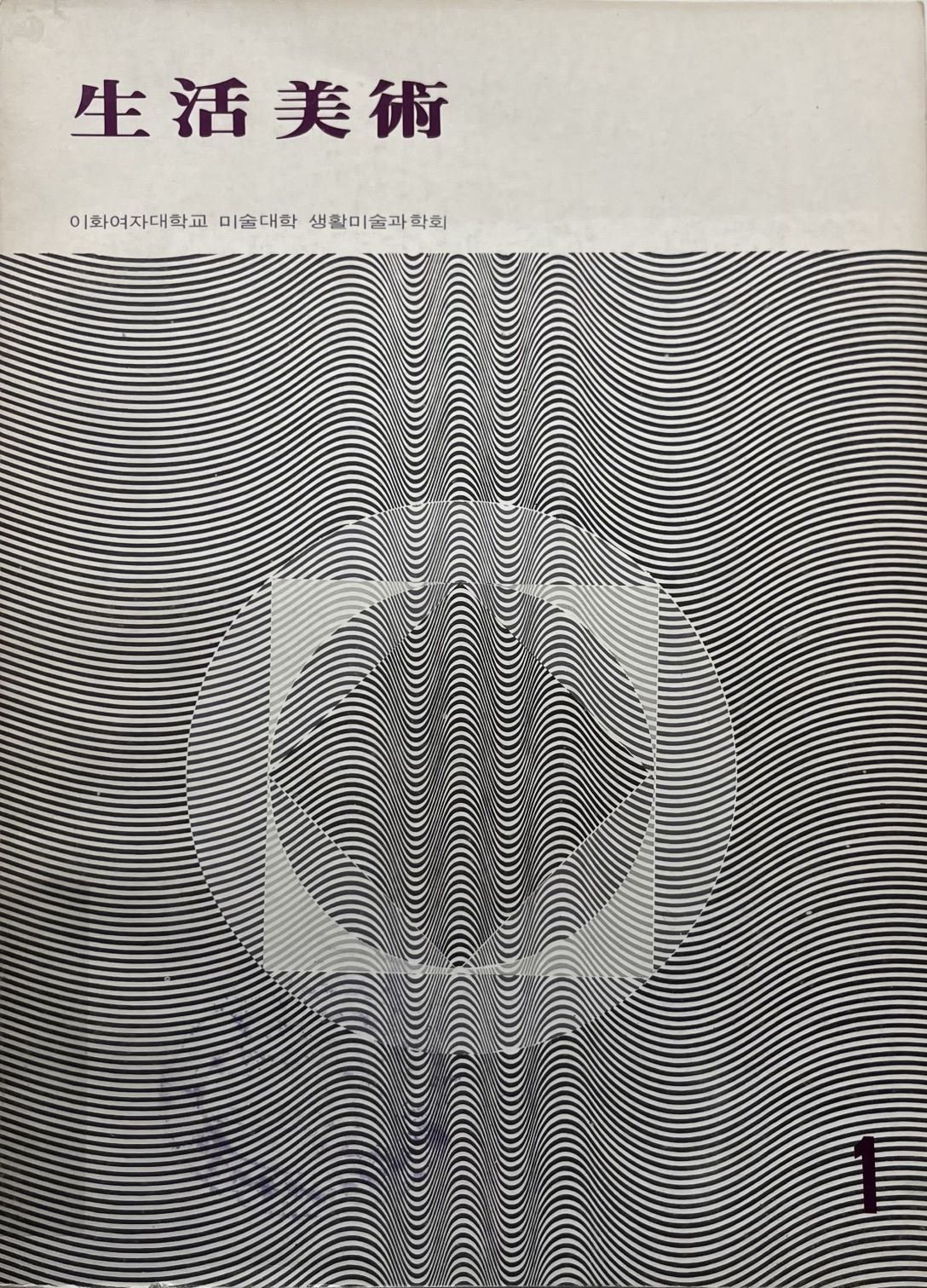
Living Art Department
The name of a department in universities that teaches living arts, the Living Art Department is the successor of the Department of Drawing and the predecessor of the Department of Design. Living art is a field that encompasses crafts and design, mainly ceramics, textile art, and interior art, in response to fine arts. It can be defined as an aesthetic field related to human living culture. After Ewha Womans University promoted the School of Fine Arts to the College of Fine Arts in 1960, it established the Department of Painting, the Department of Living Art, the Department of Sculpture, and the Department of Embroidery. The College of Education at Sungshin Women’s University installed majors in art education and living art in 1965, and in 1972 a living art major was established in the Department of Fine Arts in its graduate school. Kookmin University began teaching ceramics by establishing the Living Art Department in 1968, and in 1971 it installed the Living Art Department, the predecessor of the Department of Crafts, within the School of Home Economics. When the School of Design was newly established by merging the Department of Costume, the Department of Living Art, the Department of Decorative Arts, and Department of Architecture in 1974, the Living Art Department was separated from the School of Home Economics. When Kookmin University was promoted to a four-year university in 1981, the School of Design was renamed the College of Design, the Department of Living Art was renamed the Department of Craft Arts, and the majors of ceramics and metalwork were separated. In many cases, the Living Art Department was installed not in the College of Fine Arts but in the College of Home Economics, as seen in Sungkyunkwan University and Kookmin University. Yonsei University has had the Department of Living Design in the College of Life Sciences since 1996.
Timelines

Sign Up for Email Updates