Limb Eungsik, Portrait of Kang Changwon, 1971, Gelatin silver print on paper, 33x26cm. MMCA collection
Kang Changwon


* Source: MMCA
Related
-
Korean Craftspersons Association
The Korean Craftspeople Association (Joseon gongyega hyeophoe, KCA) is an organization of craftspeople founded shortly after Korea’s liberation from Japan with the goal of purifying the crafts community and producing outstanding craftworks. It was established on March 10, 1946 by the chairman Kim Jeasuk, the vice chairman Kang Changwon, and fourteen other craftspeople and designers, such as Kim Bong-ryong, Park Cheolju, Paik Taewon, and Lee Wanseok. Later, as its membership grew to more than fifty, the KCA came to be equipped with various divisions, including design, lacquering, goldsmithing, ceramics, embroidery, dyeing, woodworking, and ox-horn inlaying. It was formed as a unified organization that encompassed craftspeople and designers from all across the country. It aimed to cooperate with the government for the establishment of craft policies, to preserve, foster, and enhance traditional crafts, and to promote the cultural development of people’s lives by winning recognition for Korean culture through overseas exports. The KCA advertised a call for entries for the National Art and Craft Exhibition (Jeonguk misul gongye jeollamhoe) held at the Gyeongbokgung Palace Museum from May 20 to 30, 1946 through the sponsorship of the U.S. military government. From June 21 to 30, 1946, it held the first Art and Craft Exhibition (Misul gongye jeollamhoe) at the Deoksugung Museum of Art. The KCA joined the National Federation of Cultural Organizations, which was formed in February 1947 when thirty cultural organizations came together. It also took part in the Korean Comprehensive Arts Exhibition in 1947 in Geunjeongjeon Hall at Gyeongbokgung Palace organized by the Ministry of Education. Nothing is known about its subsequent activities. -
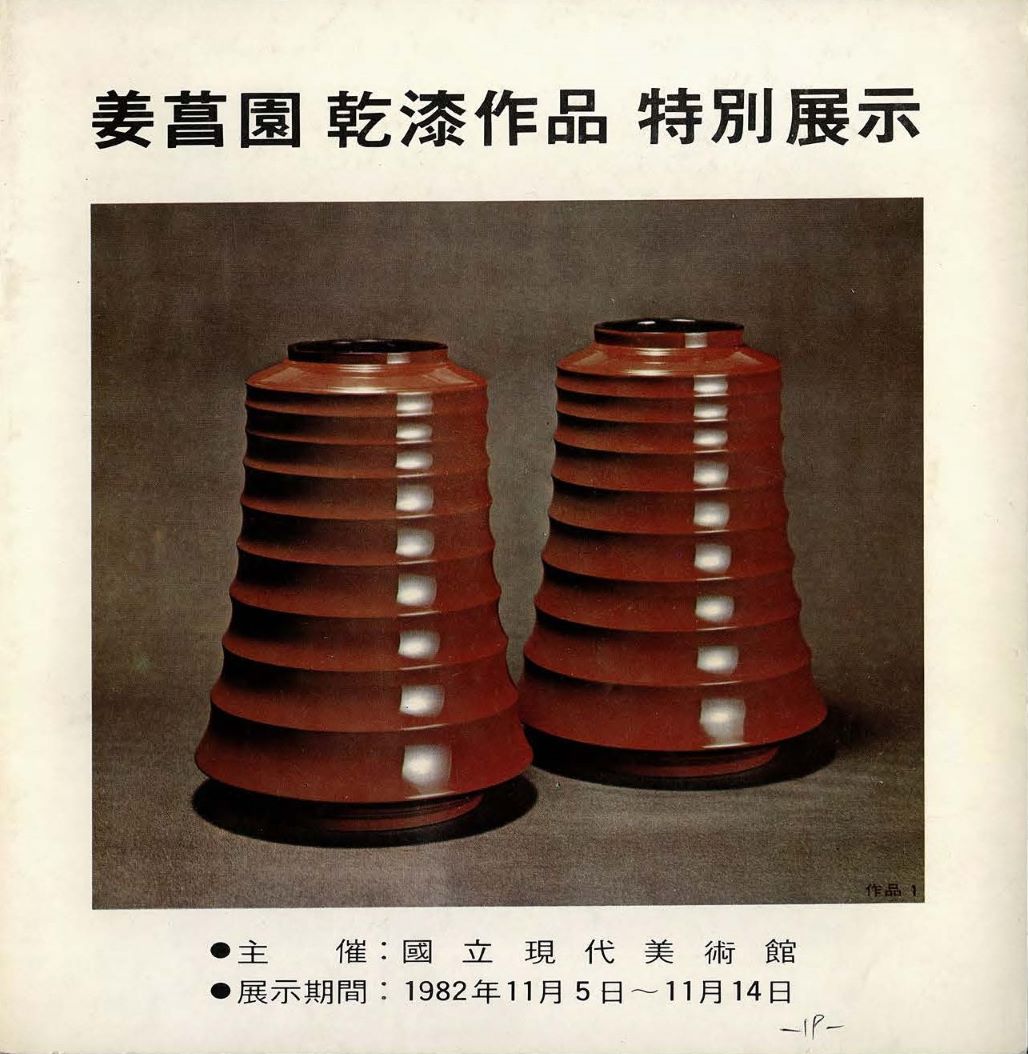
Dry lacquering
A sculptural modelling technique in which lacquer is applied to cloth such as ramie or hemp fabric to create a base form, without the use of a wooden core. The technique is also known as hyeopjeo. Different sub-categories of the technique include talgeonchil , moksimgeonchil, and mokjogeonchil. The artist Kang Changgyu and sculptor Kwon Jinkyu have revived the technique, which had not been in use since the late Joseon era, as a contemporary approach.
-
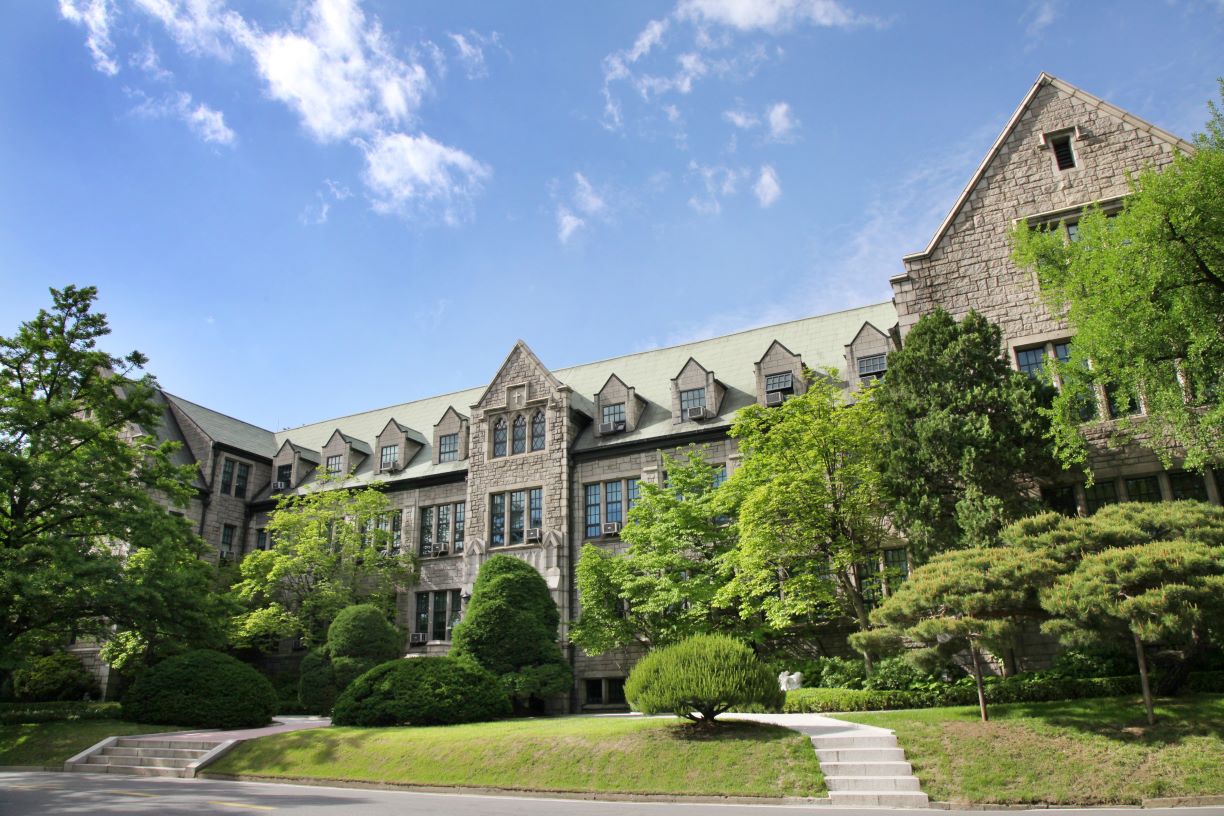
Ewha Womans University
Ewha Womans University is a private university located in Daehyeon-dong, Seodaemun-gu, Seoul. Its parent institution was the College courses at Ewha Hakdang (Ewha Girl’s School), Korea’s first women’s school that the American missionary Mary Scranton founded in Jeong-dong, Jung-gu, Seoul. During the Japanese colonial era, it became Ewha College that functioned as a relief vocational school. In 1945, it was accredited as Korea’s first university. In 1946, it was renamed the Ewha Womans University. The College of Art and Design at Ewha Womans University was the first four-year university institution specializing in fine arts in South Korea. In October 1945, the Ewha Womans University had Hallimwon, Yerimwon, and Haengnimwon. Yerimwon was like an art college with a fine arts department and a music department. In 1946, the art department in Yerimwon was reorganized into the School of Fine Arts, and in September 1947 four major departments of Eastern-style painting, Western-style painting, embroidery, and design were established in the School of Fine Arts at Yerimwon. In October 1949, the graduation exhibition Nongmihoe of the first class was held at Daewon Gallery through the sponsorship of the Kyunghyang Shinmun newspaper company. In December 1951, the Department of Fine Arts in the College of Art came to be equipped with eight majors of Eastern painting, Western painting, sculpture, embroidery, design, photography, interior design, and dyeing. The Department of Fine Arts was installed in the graduate school as well. In 1967, the Department of Painting was divided into Eastern painting and Western painting departments, and the Department of Decorative Art was newly established. The school system, reformed in March 1998. It consists of three faculties and nine majors: School of Fine Arts (Korean painting, painting · printmaking, and sculpture), School of Design (environmental design, visual communication design, industrial design, and fashion design), and School of Crafts (textile art and ceramic art). Currently, the College of Art and Design consists of the Fine Art Division, Design Division, and Fiber/Fashion Division.
Timelines

Sign Up for Email Updates