Yun Hyojoong, Statue of Choe Songseoldang, Bronze, 173x79x66㎝. Song Seol History Museum
Yun Hyojoong


* Source: Multilingual Glossary of Korean Art by Korea Arts Management Service
Related
-
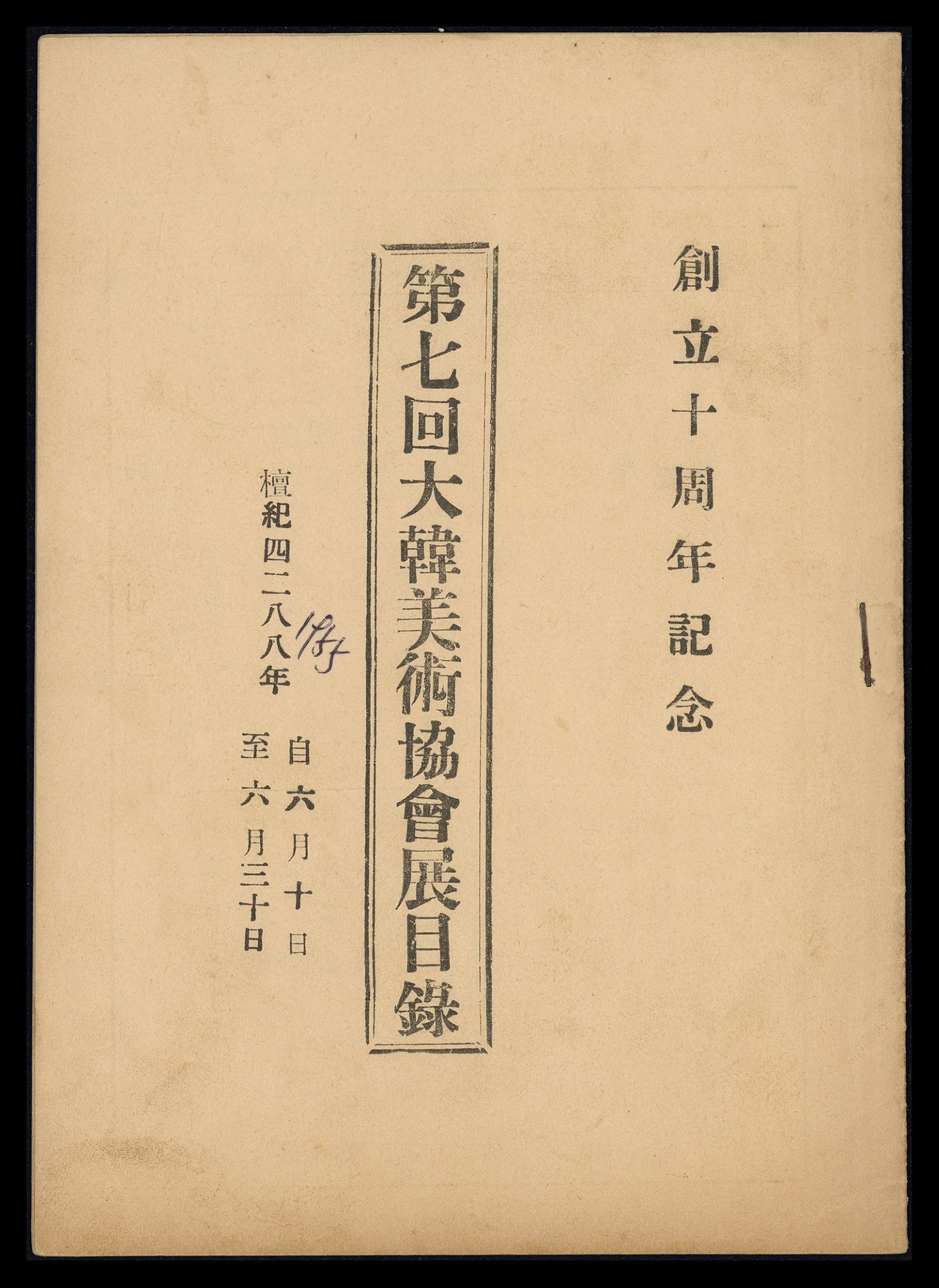
Great Korean Art Association
An art association that formed in 1948, when the Korean Art Association [Joseon misul hyeophoe], which was established in 1945, reformed in parallel with the establishment of the new Korean government. Following independence, the organization reformed and expanded primarily to foster solidarity and anti-communist sentiment in artists, and held the inaugural Great Korean Art Association Exhibition. In June 1961, the association closed officially with the government's comprehensive art institute reformation policy, and in December that year, the association merged into the Korean Fine Arts Association [Hanguk misul hyeopoe].
-
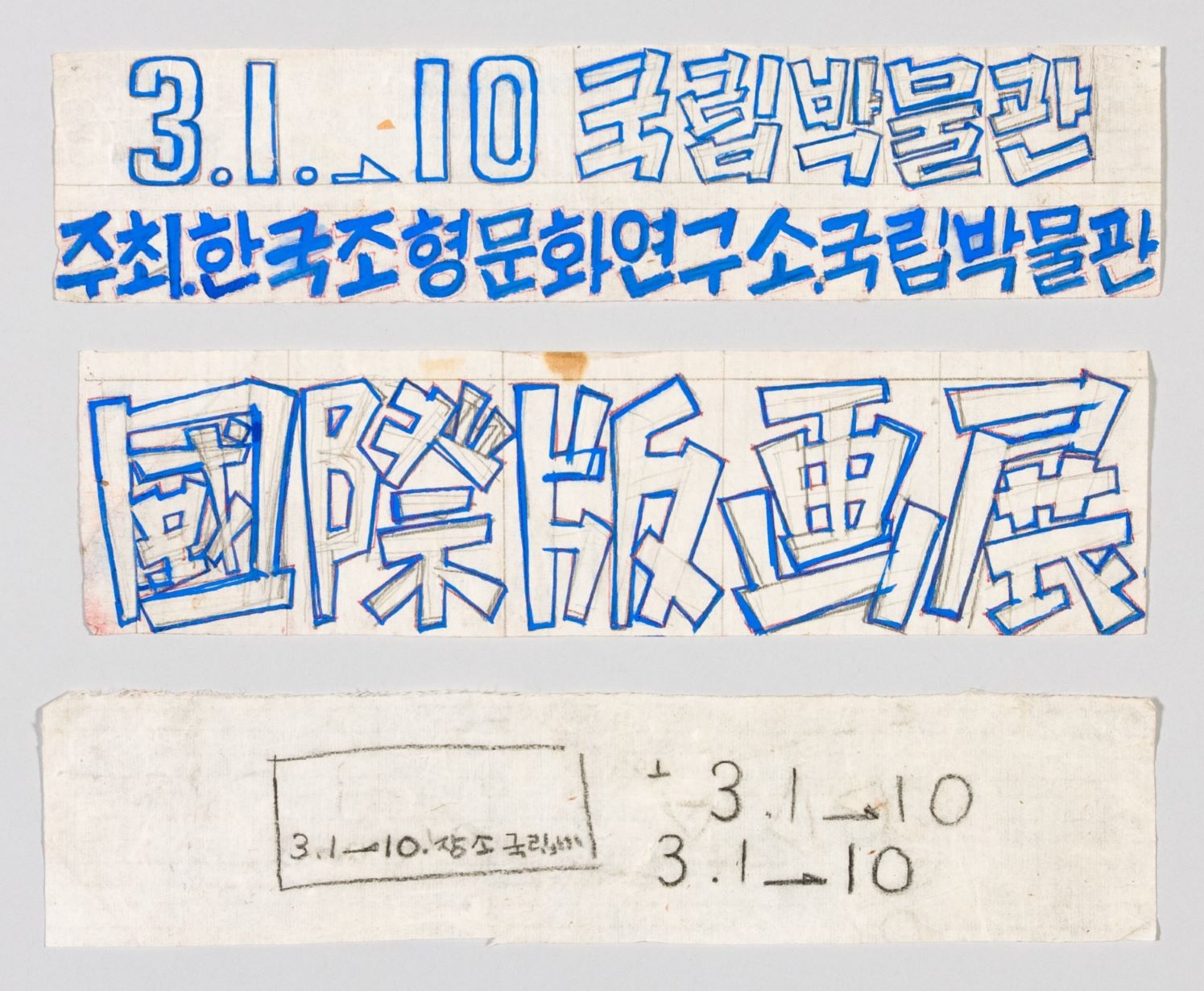
Korean Plastic Arts and Culture Research Institute
The Korean Plastic Arts and Culture Research Institute (Hanguk johyeong munhwa yeonguso) was an artistic and cultural institution that operated from 1955 to 1962 under the auspices of the U.S. Rockefeller Foundation. The institute was established as part of a support program of national museums, and its purpose was to explore product development and the advancement of Korean crafts and printmaking. As it carried out actual projects, its productivity was proved to have improved and its sales volume increased, raising the possibility of its self-reliance. The workforce was fostered around creative activities that combined modernity and practicality. The institute took a step closer to training younger generations and popularizing Korean crafts and printmaking by holding research presentations and lectures. Particularly in conjunction with the Korean Artwork Research Institute, which opened around the same time, it strove to inherit and modernize traditional ceramics. Among representative artists active at the institute are Chung Kyu, who studied ceramics at the Rochester Institute of Technology in the U.S.; Yoo Kangyul, who studied at the Tokyo School of Fine Arts and worked as a dye craftsman in the 1950s and as a printmaker in the 1960s; Yun Hyojoong, a sculptor from the Tokyo School of Fine Arts, and his recruits, including Yu Geunhyeong, Kim Wanbae, Choe Inhwan, and Ji Suntaek. The institute was shut down after three years of operation due to the Rockefeller Foundation’s withdrawal of financial support and other private reasons.
-
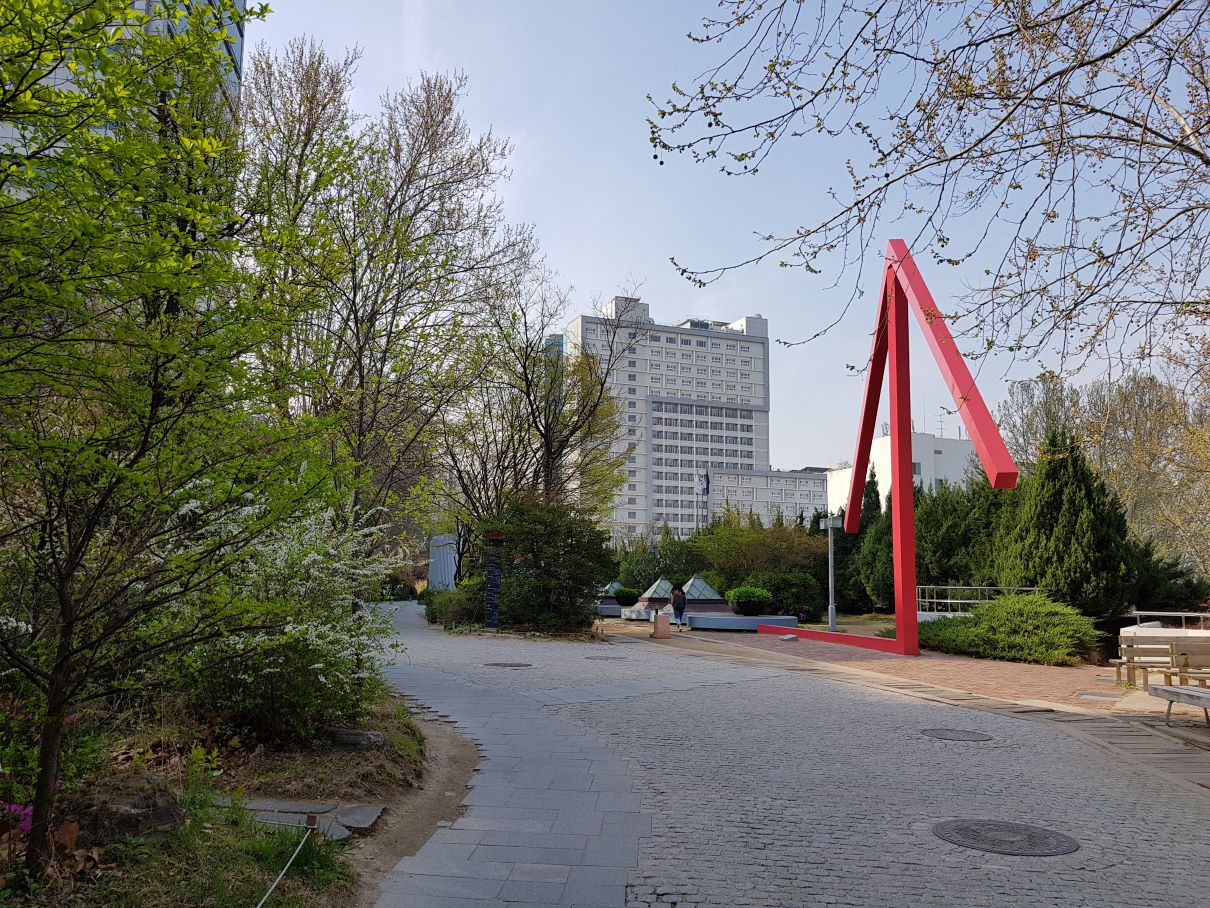
Department of Art at Hongik University
Established in 1949, the Department of Art at Hongik University consists of one art theory department and eleven practice-based departments, including painting, Oriental painting, printmaking, sculpture, woodworking and furniture design, metal art and design, ceramics and glass, textile art and fashion design, visual communication design, and industrial design. In 1955, it moved from Jongro-gu, Seoul to the current location in Sangsu-dong, Mapo-gu, Seoul. The history of the College of Fine Arts can be largely divided into the period of the Department of Fine Arts from 1949 through 1953, the period of the School of Fine Arts from 1954 through 1971, and the period of the College of Fine Arts from 1972 until now. In March 1953, the Department of Fine Arts produced the first six graduates, and in the following year the School of Fine Arts with three departments was established. In December 1971, it was upgraded to a college, which exists up to the present. Several exhibitions organized by its graduates are notable, including the Four Artists Exhibition held in 1956 as the first anti-National Art Exhibition (Daehanminguk misul jeollamhoe or Gukjeon) by the third and fourth classes of graduates and the Union Exhibition of Korean Young Artists held in 1967 by graduates from the 1960s as an effort to realize experimental art.
Timelines

Sign Up for Email Updates