Seeping In-Chung Seoyoung and Choi Jeonghwa, Leaflet. Image provided by Kim Daljin Art Research and Consulting
Art Space Pool


* Source: Multilingual Glossary of Korean Art. Korea Arts Management Service
Related
-
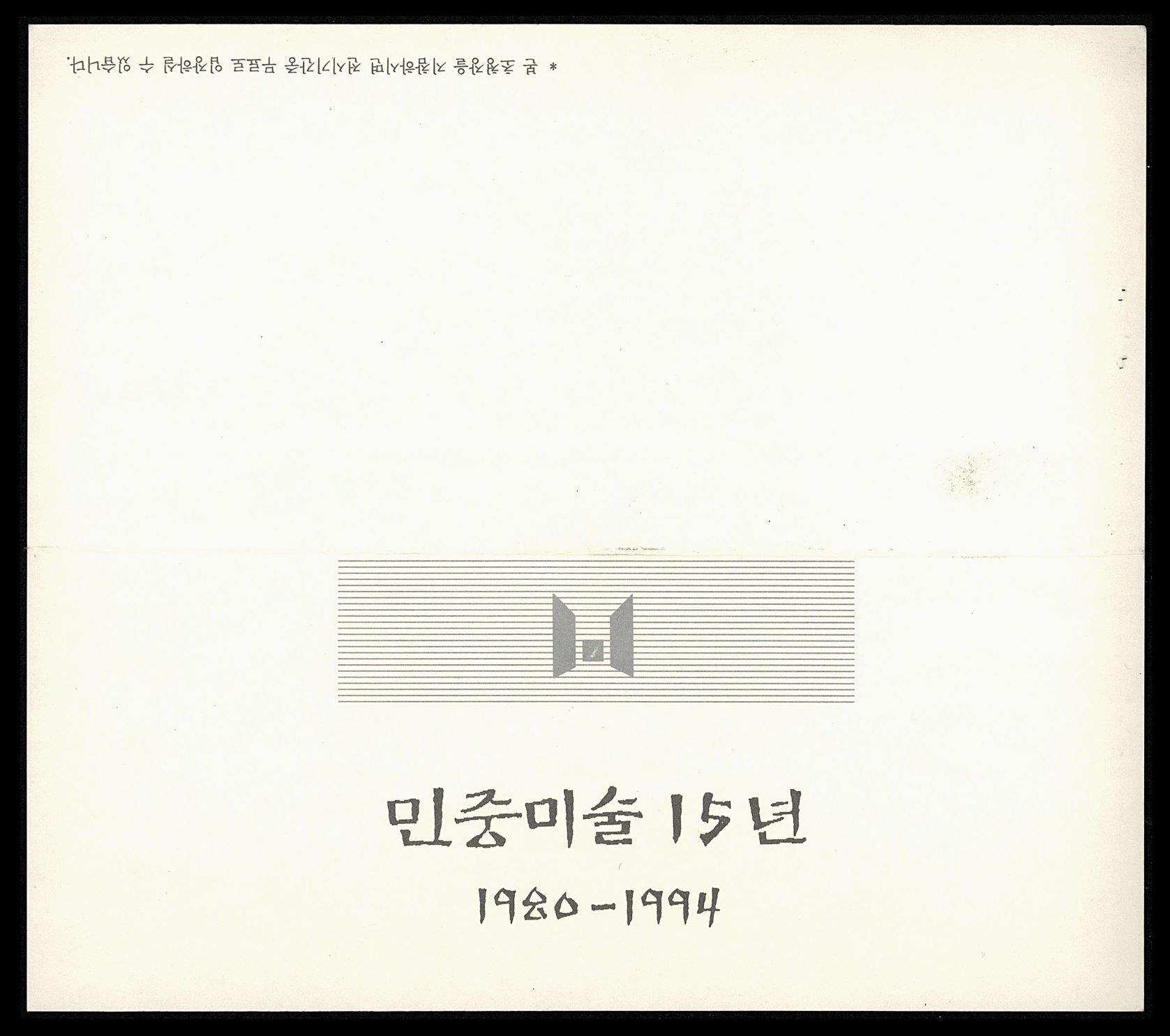
Minjung Art
An artistic movement that came to prominence alongside Korea’s democratization movement in the 1980s. Minjung artists often sought to critically portray the violent repression and corruption of the military dictatorship, to represent the experiences of laborers and farmers, and to achieve social change through art. In contrast to abstraction, which constituted the mainstream of 1970s art in Korea, Minjung Art is notable for the use of representational and figurative forms. One possible point of origin for Minjung Art is Oh Yoon’s work in the Reality Group (Hyeonsil dongin). The group was formed in 1969 by Kim Ji-ha, Oh Yoon, and Lim Se-taek. A variety of Minjung art groups were established, including the Reality and Utterance (Hyunsilgwa bareon) in 1979 by Kim Jungheun, Oh Yoon, Joo Jae-hwan, art critic Sung Wan-kyung, and Choi Min, the Gwangju Freedom Artist Association (Gwangju jayu misulin hyeopuihoe) in 1979 by Hong Sungdam and Choi Youl, the Imsulnyeon (The Year Imsul) in 1982, and the Dureong in 1983. These groups all commonly critiqued Western capitalism. In terms of form, Minjung artists adopted traditional and ethnic folk modes of expression using diverse media such as collage, printmaking, oil painting, and photography. Following the 15 Years of Korean Minjoong Arts: 1980-1994 Exhibition at the National Museum of Modern and Contemporary Art, Minjung Art became an accepted part of Korean art history. Overseas, Minjung Art has also become a recognized term that describes this genre and its unique focus on the political and social history of Korea.
-
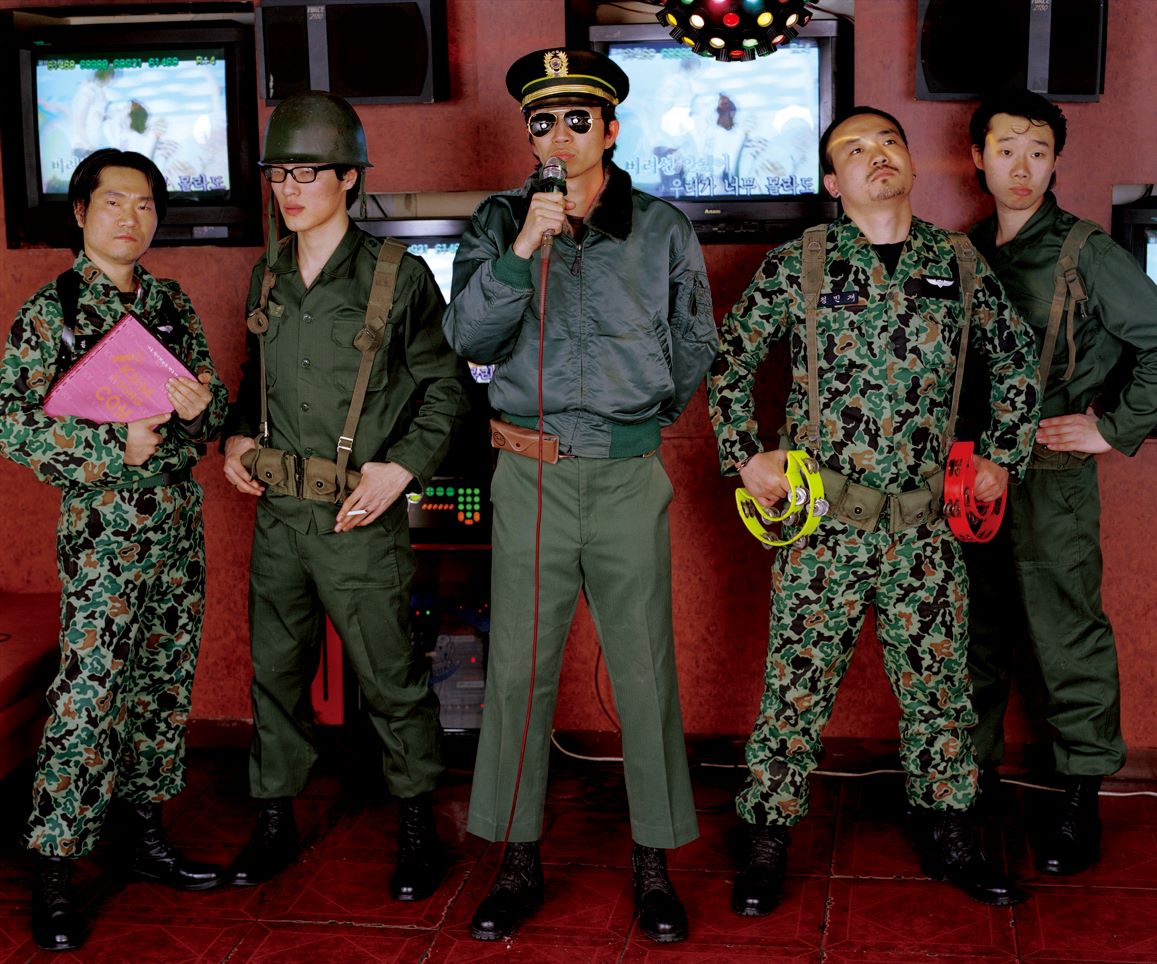
Post-Minjung art
A Korean artistic movement characterized by participation, which emerged following the decline of Minjung Art in the 1980s. The term and concept were particularly discussed in light of the attempts toward a critical restoration of Minjung Art during the late 1990s. Notable examples of the exponents of this concern include; Art groups such as the Seongnam Project, flyingCity, and Mixrice; and artists such as Park Chan-kyong, Cho Seub, Koh Seungwook, and Lim Minouk. These Post-Minjung artists criticized the theory-based reconstruction of political meaning within artistic production, use of class-based perspectives, and the Modernist anti-dialectic abandonment that characterized Minjung art. The movement adopted the pluralist rhetoric of the Western art community that was developed after the 1960s concerning conceptual art, site-specificity and institutional critique, identity politics, and installation practice. Post-Minjung artists also speculated on the use of new modes of realism that responded to the changed social, political, and economic conditions of Korea after the 1990s. Due to the influence of these artists, there has been substantial debate on whether all participatory art in 21st century Korea should be directly linked to the tradition of Minjung Art.
-
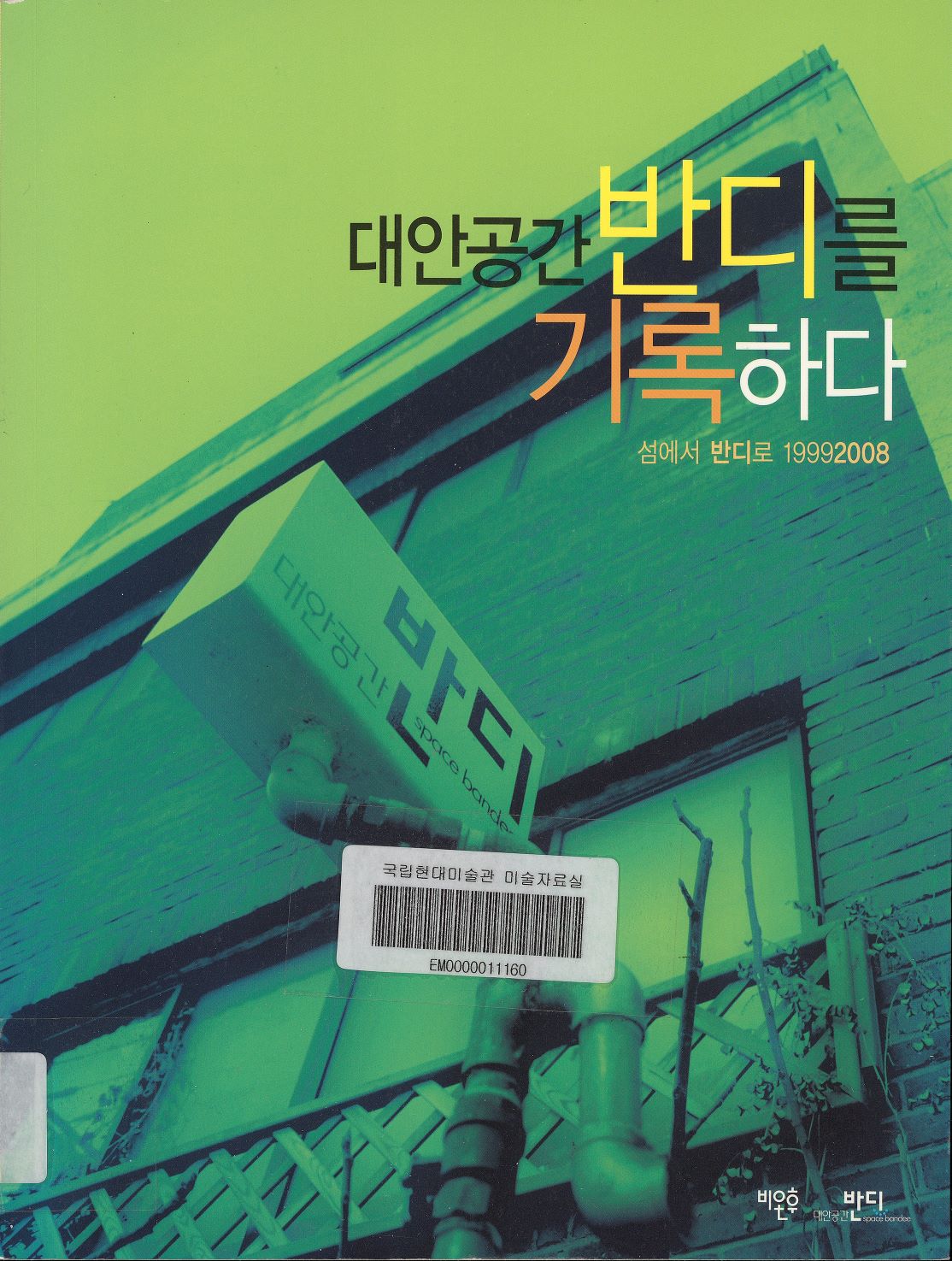
Alternative space
A non-profit exhibition space, intended to be free from the elitist authoritarianism and rigid traditionalism of art museums, and the naked commercialism of sales galleries. Numerous alternative spaces emerged in Korea between the 1990s and the early 2000s and contributed to the development of a vibrant national contemporary scene that supported diverse experimental innovative approaches to art making. The number of spaces disappeared drastically around 2010 as many closed due to financial difficulties, or lost their initial focus on experimentation and became bureaucratically institutionalized. Spaces that have appeared since 2010 and the increased institutionalization of the original wave of alternative spaces are called “neo-spaces” for purposes of distinction.
Timelines

Sign Up for Email Updates