The First Sinsuhoe Exhibition, Leaflet, 1963. Image provided by MMCA Art Research center
Sinsuhoe


* Source: Multilingual Glossary of Korean Art. Korea Arts Management Service
Related
-
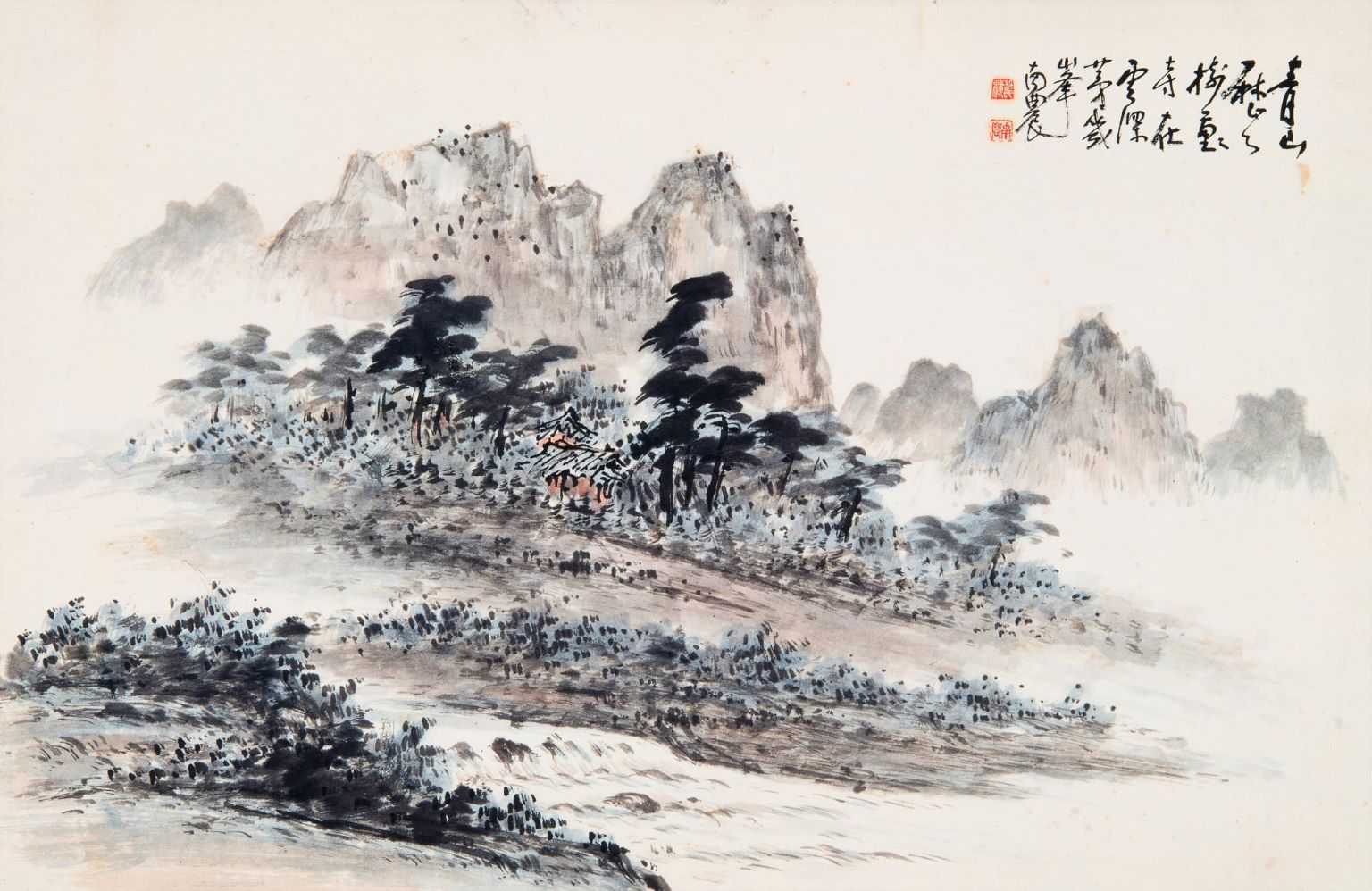
Eastern painting
Eastern painting (dongyanghwa) refers to the overall body of works created using traditional East Asian materials and methods, in contrast to Western painting. In Korea, Byeon Yeongro’s essay “On Eastern Painting” published in Dong-A Ilbo on 7th, July, 1920 was the first use of the term. The term then began to be used in Japan first to distinguish Oriental style paintings from Western ones. Until the late Joseon era, both calligraphy and painting were categorized under the term seohwa, but during the Japanese occupation of Korea in 1922, the first Joseon Art Exhibition [Joseon misul jeollamhoe] divided the painting section into Western and Eastern styles. Thereafter, the term Eastern-style painting entered official use in the country. After independence, the National Art Exhibition (Gukjeon) continued to use the term “Eastern painting,” but since 1970, numerous arguments were made to replace it with "Korean painting," because the term was imposed unilaterally during the Japanese colonial era.
-
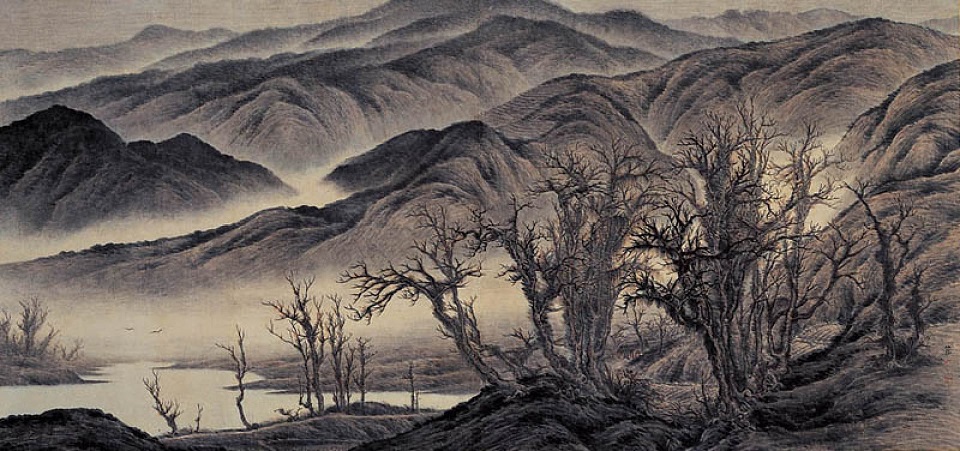
hangukhwa
A type of painting created during the 20th century that uses traditional Korean materials, techniques, and styles. The term emerged from the criticism that traditional-style paintings were called Eastern paintings in Korea, in contrast to China, where they were called national-style paintings, and Japan, where they were called Japanese-style paintings. The term hangukhwa (Korean Painting) entered official use following the overhaul of the educational curriculum in December 1981, and the appearance of the term Korean painting, with the subcategories ink wash painting [sumukhwa] and ink and light-colored painting [damchaehwa] were listed in art textbooks from 1983. The Grand Art Exhibition of Korea also began using the term hangukhwa (Korean Painting), as opposed to Eastern painting, in 1982. Prior to this, Hankukhwahui (Korean Painter’s Association) was used as a collective term for such Korean painters in 1964 and Kim Youngki (pen name Chunggang) argued to use the term Korean painting to define national identity in his essay “On hangukhwa (Korean Painting) and Criticism.” Criticism that Korean paintings, unlike the national paintings of China and Japan, do not have a narrative theme, and that the use of such a term was contrary to contemporary artistic trends, resulted in the term “hangukhwa (Korean Painting)” failing to achieve mainstream use. Hangukhwa (Korean Painting) is currently used interchangeably with the term Eastern painting.
-
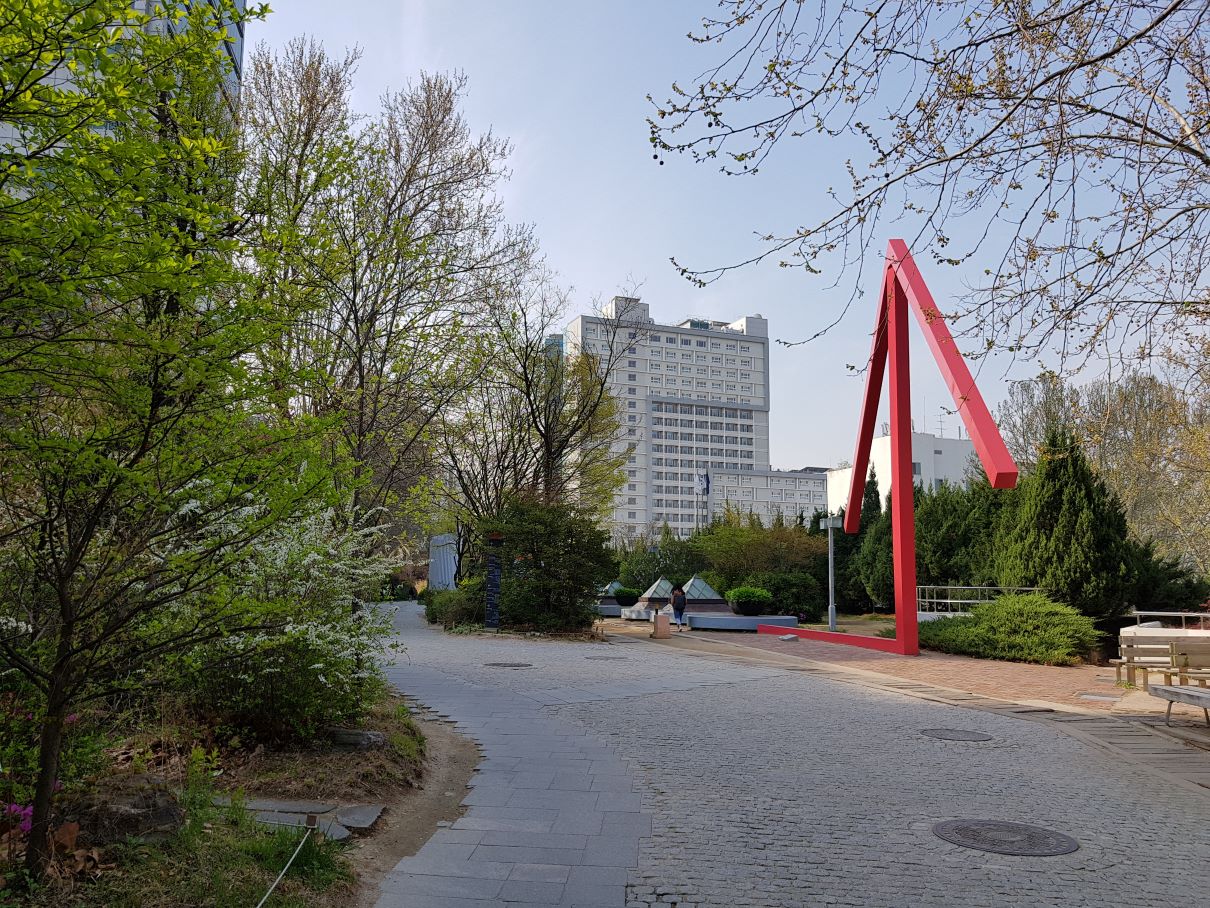
Department of Art at Hongik University
Established in 1949, the Department of Art at Hongik University consists of one art theory department and eleven practice-based departments, including painting, Oriental painting, printmaking, sculpture, woodworking and furniture design, metal art and design, ceramics and glass, textile art and fashion design, visual communication design, and industrial design. In 1955, it moved from Jongro-gu, Seoul to the current location in Sangsu-dong, Mapo-gu, Seoul. The history of the College of Fine Arts can be largely divided into the period of the Department of Fine Arts from 1949 through 1953, the period of the School of Fine Arts from 1954 through 1971, and the period of the College of Fine Arts from 1972 until now. In March 1953, the Department of Fine Arts produced the first six graduates, and in the following year the School of Fine Arts with three departments was established. In December 1971, it was upgraded to a college, which exists up to the present. Several exhibitions organized by its graduates are notable, including the Four Artists Exhibition held in 1956 as the first anti-National Art Exhibition (Daehanminguk misul jeollamhoe or Gukjeon) by the third and fourth classes of graduates and the Union Exhibition of Korean Young Artists held in 1967 by graduates from the 1960s as an effort to realize experimental art.
Timelines

Sign Up for Email Updates