Non Col Art, Coterie Magazine, 1965. Image provided by MMCA Art Research Center, Donated by Hwang Yangja
Non Col


* Source: Multilingual Glossary of Korean Art. Korea Arts Management Service
Related
-
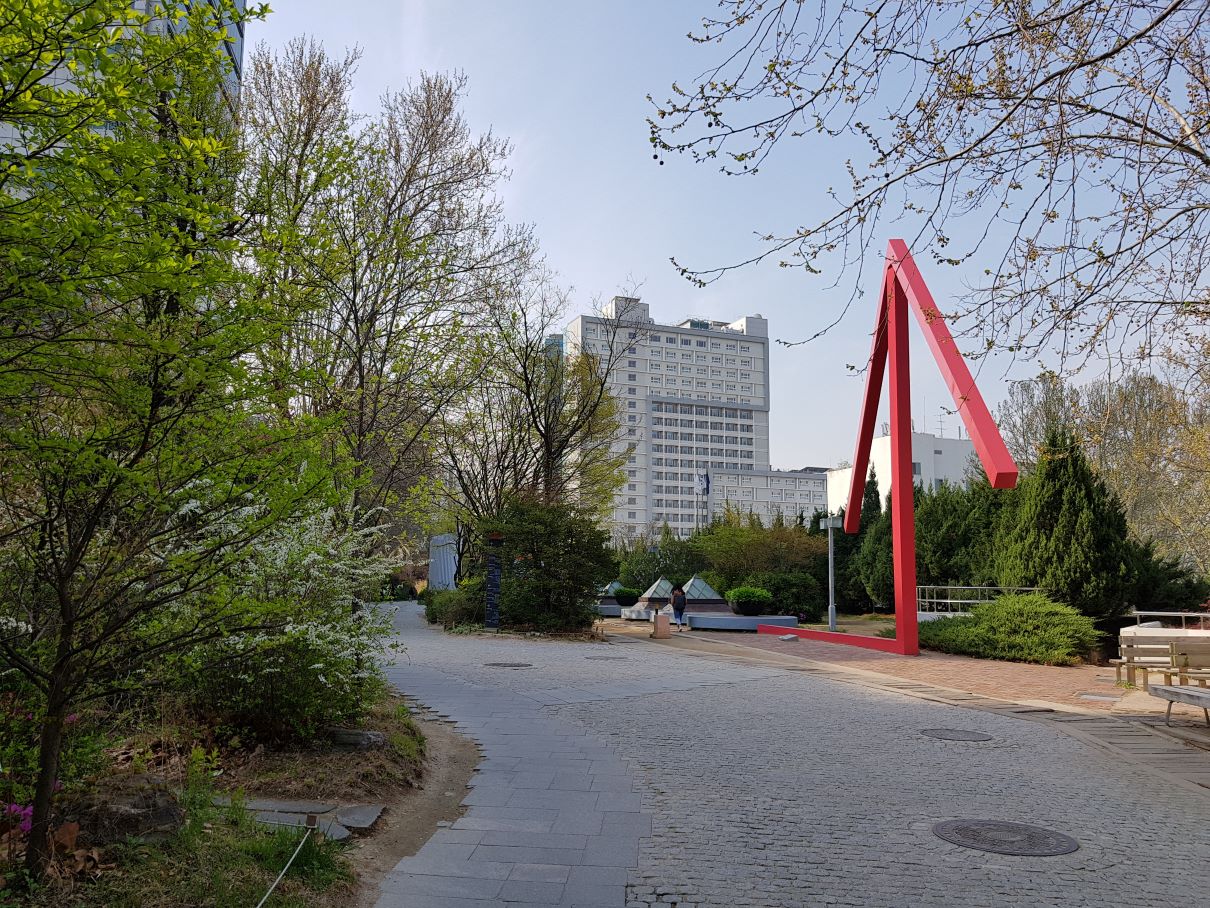
Department of Art at Hongik University
Established in 1949, the Department of Art at Hongik University consists of one art theory department and eleven practice-based departments, including painting, Oriental painting, printmaking, sculpture, woodworking and furniture design, metal art and design, ceramics and glass, textile art and fashion design, visual communication design, and industrial design. In 1955, it moved from Jongro-gu, Seoul to the current location in Sangsu-dong, Mapo-gu, Seoul. The history of the College of Fine Arts can be largely divided into the period of the Department of Fine Arts from 1949 through 1953, the period of the School of Fine Arts from 1954 through 1971, and the period of the College of Fine Arts from 1972 until now. In March 1953, the Department of Fine Arts produced the first six graduates, and in the following year the School of Fine Arts with three departments was established. In December 1971, it was upgraded to a college, which exists up to the present. Several exhibitions organized by its graduates are notable, including the Four Artists Exhibition held in 1956 as the first anti-National Art Exhibition (Daehanminguk misul jeollamhoe or Gukjeon) by the third and fourth classes of graduates and the Union Exhibition of Korean Young Artists held in 1967 by graduates from the 1960s as an effort to realize experimental art.
-
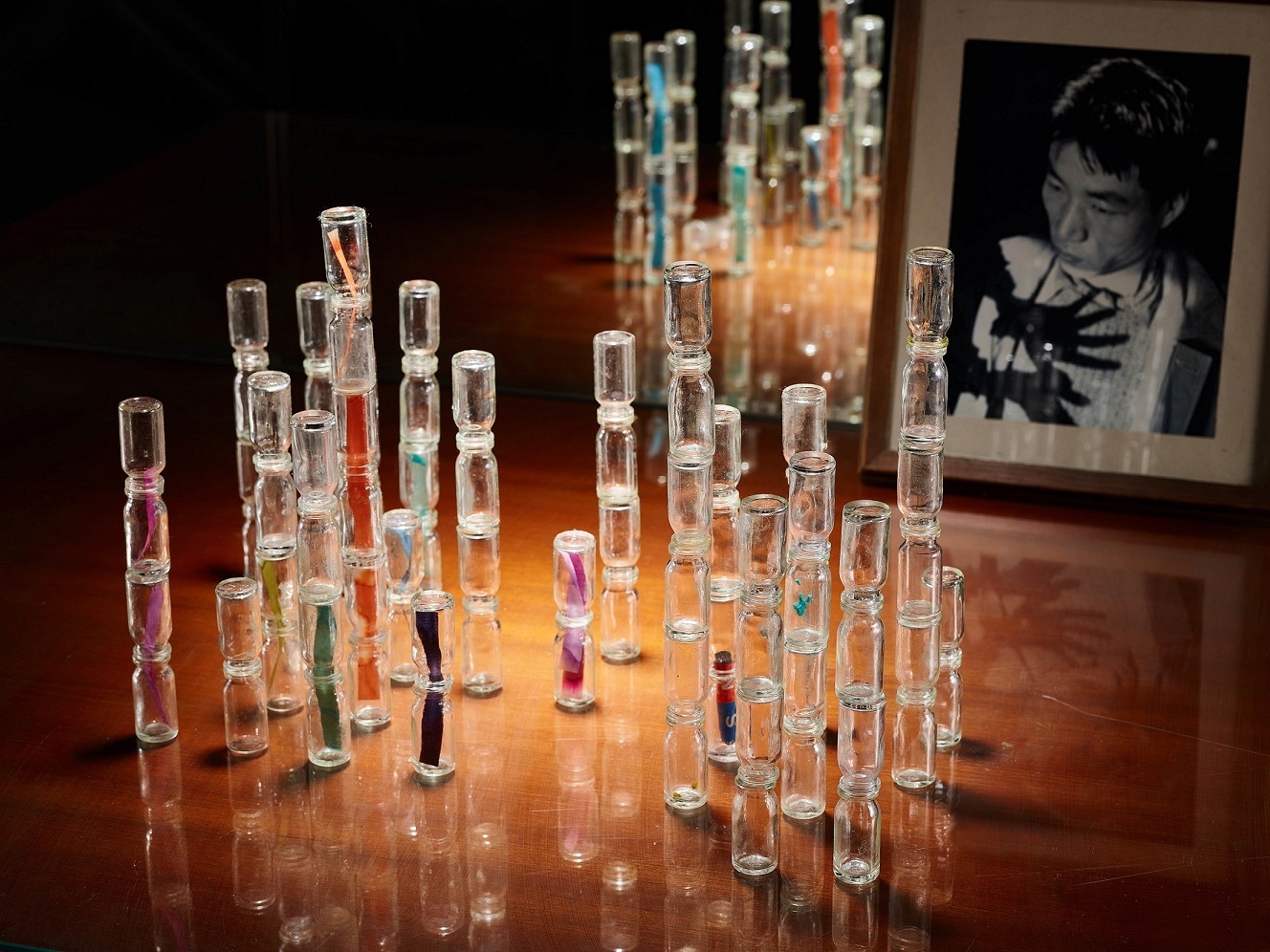
Kang Kukjin
Kang Kukjin (1939-1992) was a leading artist in experimental art that emerged in Korean art scene from the late 1960s through the 1970s. In 1965, he graduated from the College of Fine Arts at Hongik University. In 1964, Kang Kukjin founded the Non Col, advocating a break with the established generation. He joined the Sinjeong Group in 1967 and worked in experimental art with objets, installations, and happenings. Participating in the Union Exhibition of Korean Young Artists held in 1967 along with Chung Chanseung, Jung Kangja, and others, Kang staged Happening with Vinyl Umbrella and Candle, the first performance art in Korea. In the following year, he performed Transparent Balloon and Nude and Murder at the Han Riverside. Later, Kang expanded the scope of his contemporary art by devoting himself to three-dimensional works and installations. He also led the popularization of printmaking by opening the first printmaking workshop in 1971. In the mid-1970s, he resumed painting. From then on, he produced the Rhythm series (1985) that explored Korean sentiments through repeated line drawings and the Light of History series (1989) that sought the original form of Korean beauty in historical artifacts like ancient clay figurines and Buddhist images. In 2019, the Kang Kukjin Print Award was established by the Kang Kukjin Foundation and Korean Contemporary Printmakers Association [Hanguk hyeondae panhwaga hyeophoe].
-
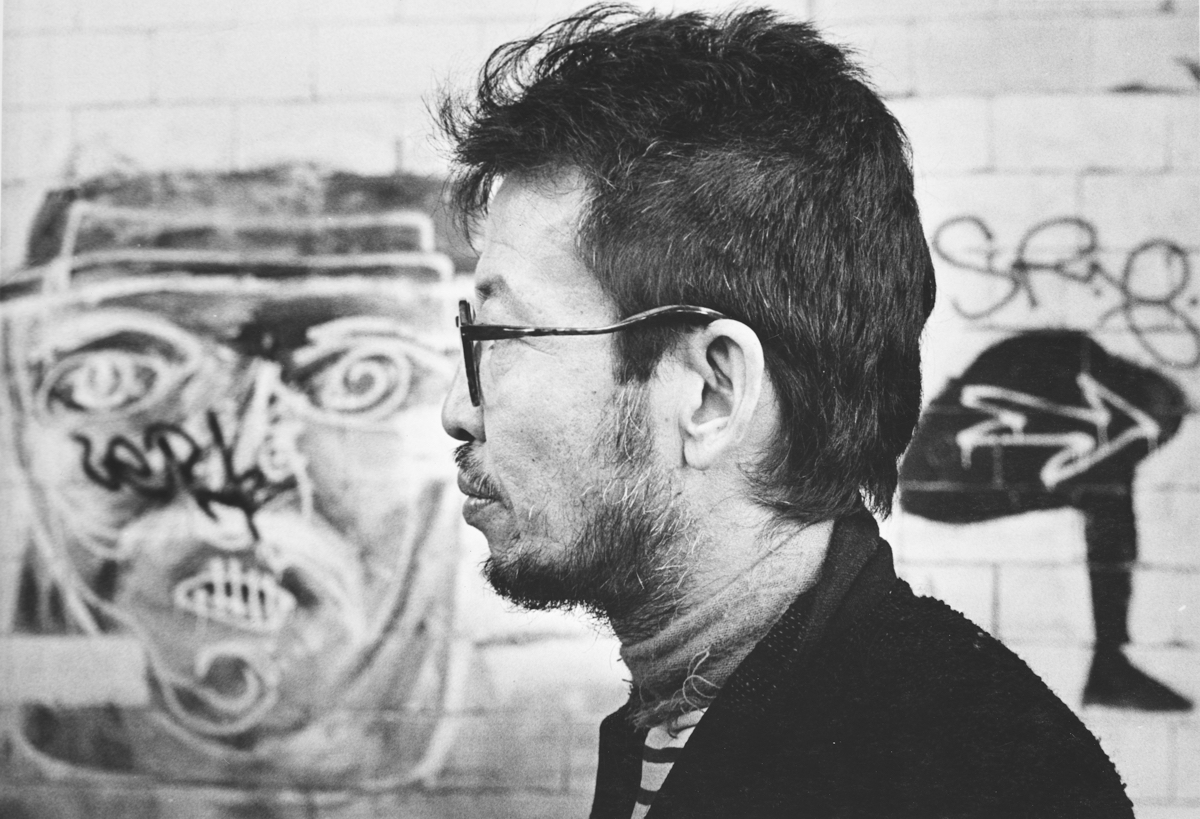
Chung Chanseung
Chung Chanseung (1942-1994) was a painter, performance artist, and installation artist. He was a pioneering figure who led experimental art in Korea in the 1960s and 1970s. He graduated from the Western Painting Department at Hongik University in 1965. After graduation, he was active in the artist collective Non Col, which he founded while still in college along with Kang Kukjin, Kim Inwhan, Nam Yeonghui, Yang Cheolmo, Choi Taeshin, and Han Youngsup. He also presented abstract paintings in the style of Art Informel. In 1967, he formed the Sinjeon Group, a group pursuing anti-art practices, together with Kang Kukjin, Jung Kangja, and others, and with members of Origin Society and Zero Group, he organized the Union Exhibition of Korean Young Artists. In 1968, Chung staged the happenings Transparent Balloon and Nude and Murder at the Han Riverside with Kang Kukjin and Jung Kangja. In 1969, he appeared in the experimental film The Meaning of 1/24 Second directed by Kim Kulim. In June 1970, he formed Korea’s first total art collective The Fourth Group with Kim Kulim, Bang Taesu, Son Ilgwang, and others. They presented the street happenings Street Theatre and Funeral of the Established Culture and Art. As these happenings by The Fourth Group were deemed decadent by government authorities, Chung focused on printmaking and three-dimensional works in and after the 1970s. After participating in the 1980 Paris Biennale, he moved to the U.S. a year later in 1981. Until his illness forced him to return to South Korea in 1994, Chung lived in the Greenpoint and Williamsburg neighborhoods of Brooklyn, New York and was immersed in making his distinctive junk art creations that connected metal scraps and discarded objects in a variety of manners.
Timelines

Sign Up for Email Updates