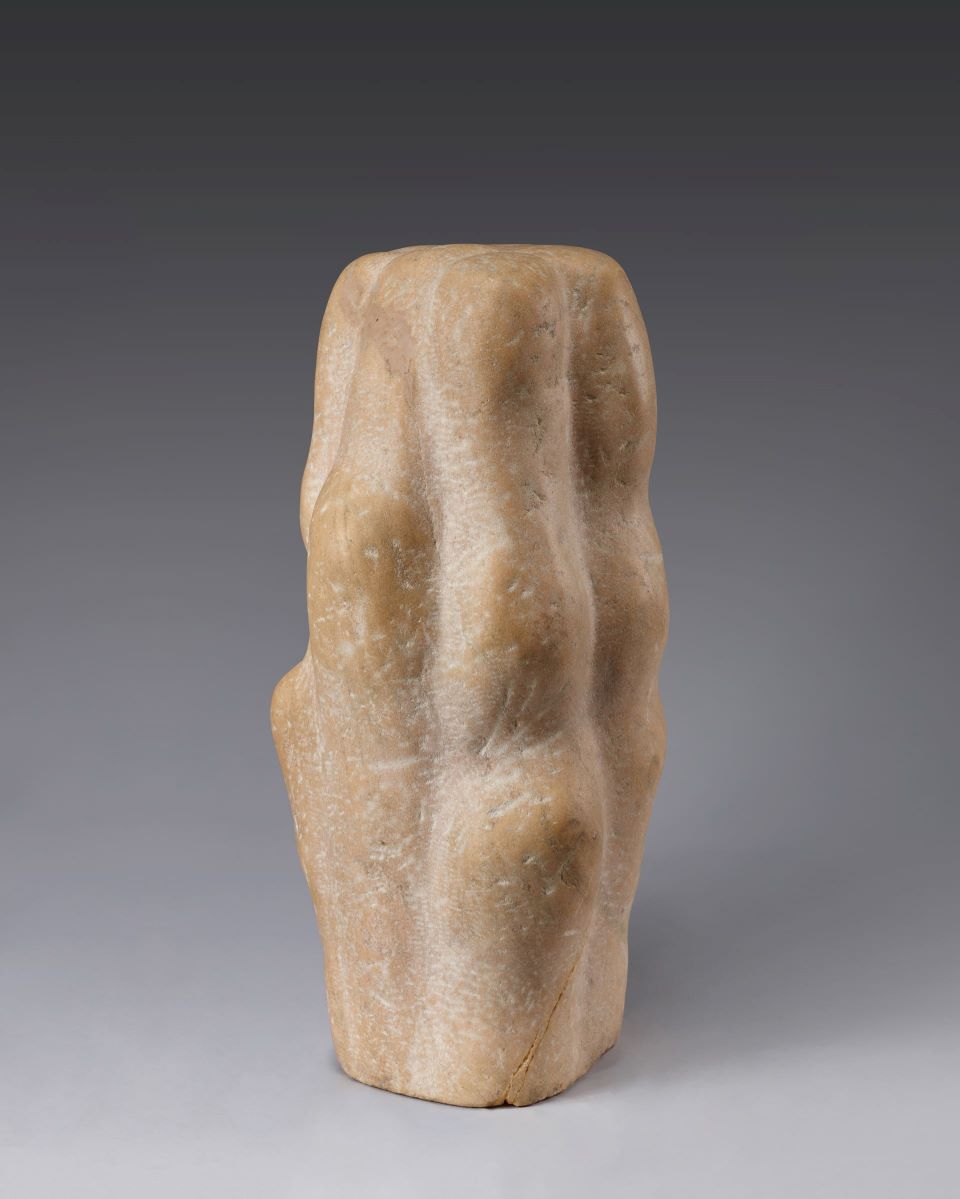
Moon Shin, An ant, 1960s, 130×30×50cm. MMCA collection
Moon Shin


* Source: Multilingual Glossary of Korean Art. Korea Arts Management Service
Related
-
Modern and Contemporary Sculpture
The term “modern and contemporary sculpture” refers to sculptural works that go beyond conventional materials such as wood, marble, and bronze and the materialization of traditional realism, and adopts instead non-figurative representations and new materials from the industrialization era. As the development of Neo-dada, Pop Art, Minimalism, Land Art, and Conceptual Art gradually diminished the importance of genre and medium in the second half of the twentieth century, modern and contemporary sculpture became increasingly marginalized.
-
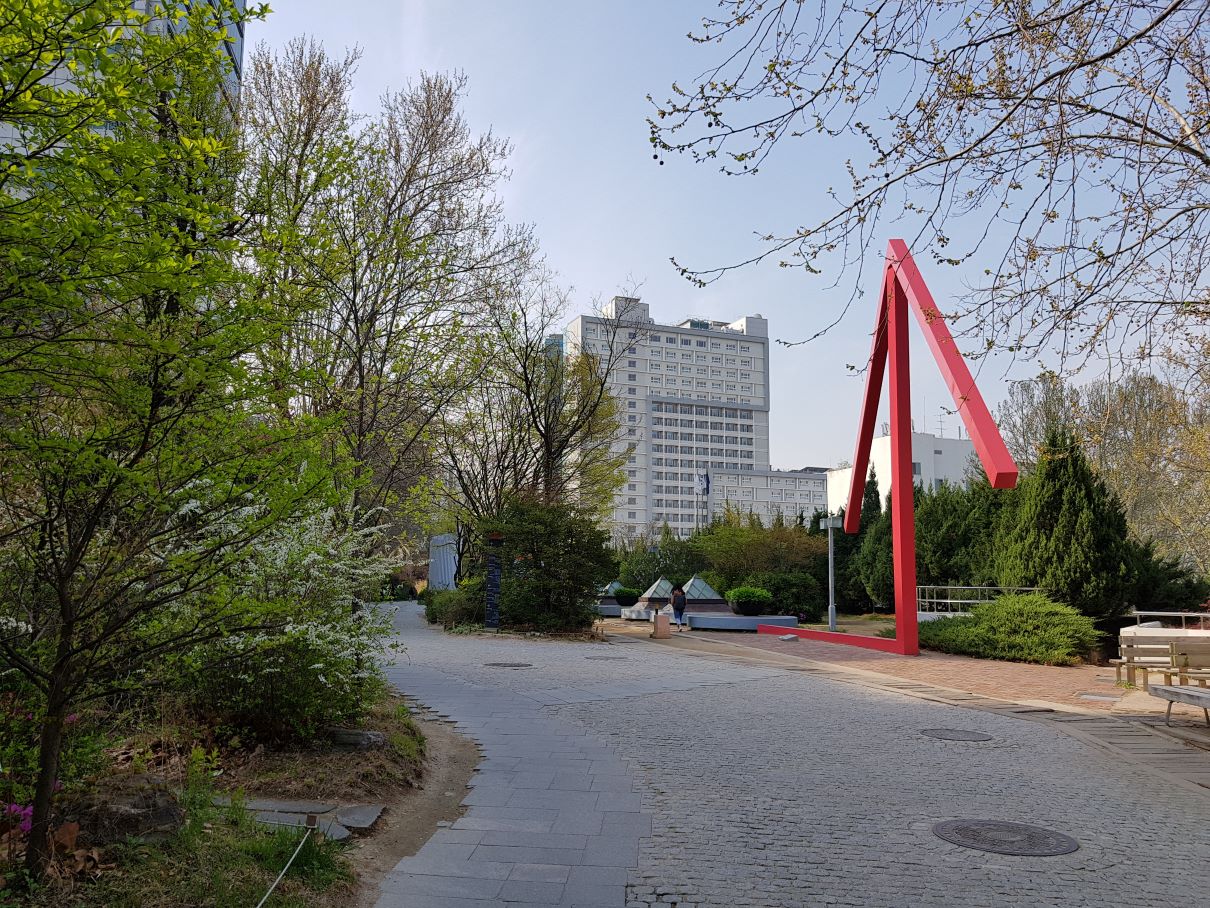
Department of Art at Hongik University
Established in 1949, the Department of Art at Hongik University consists of one art theory department and eleven practice-based departments, including painting, Oriental painting, printmaking, sculpture, woodworking and furniture design, metal art and design, ceramics and glass, textile art and fashion design, visual communication design, and industrial design. In 1955, it moved from Jongro-gu, Seoul to the current location in Sangsu-dong, Mapo-gu, Seoul. The history of the College of Fine Arts can be largely divided into the period of the Department of Fine Arts from 1949 through 1953, the period of the School of Fine Arts from 1954 through 1971, and the period of the College of Fine Arts from 1972 until now. In March 1953, the Department of Fine Arts produced the first six graduates, and in the following year the School of Fine Arts with three departments was established. In December 1971, it was upgraded to a college, which exists up to the present. Several exhibitions organized by its graduates are notable, including the Four Artists Exhibition held in 1956 as the first anti-National Art Exhibition (Daehanminguk misul jeollamhoe or Gukjeon) by the third and fourth classes of graduates and the Union Exhibition of Korean Young Artists held in 1967 by graduates from the 1960s as an effort to realize experimental art.
Timelines

Sign Up for Email Updates