Kim Chongyung, Work, 1965, Marble, 65×33×33cm. MMCA collection
Kim Chongyung


* Source: Multilingual Glossary of Korean Art. Korea Arts Management Service
Related
-
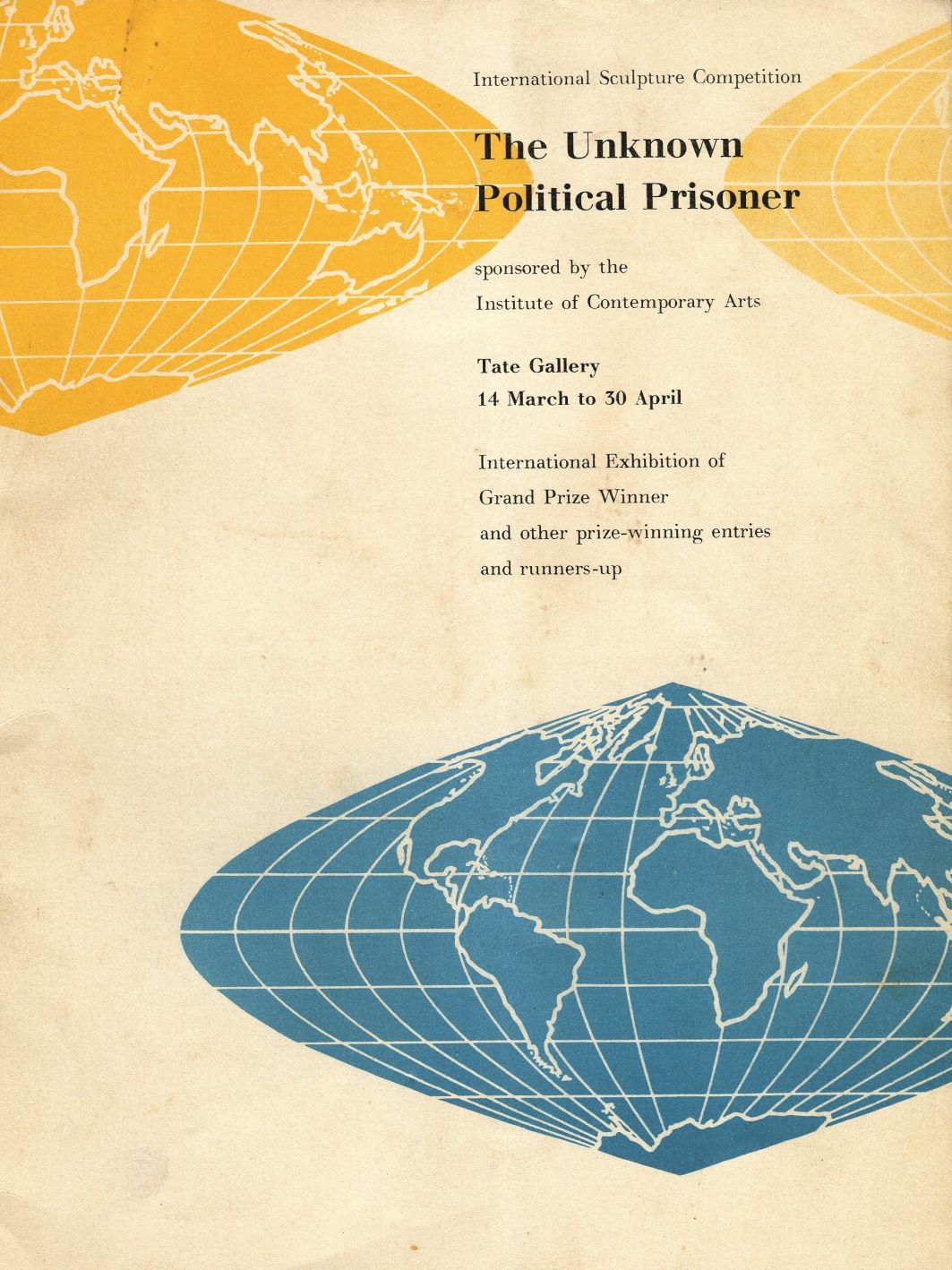
International Sculpture Competition
The International Sculpture Competition was an exhibition curated by Anthony J. T. Kloman and held at the Tate Gallery from March 14 to April 30 in 1953. In 1952, the Institute of Contemporary Arts in London organized an international sculpture competition on the theme of The Unknown Political Prisoner to erect a monument in a public space to honor all those who gave their lives for freedom or lost their freedom without being named during the Second World War. 3,500 sculptors from thirty-five countries entered the competition. Maquettes were selected through a first round of judging and sent to the Tate Gallery. The Tate Gallery then gathered them and presented them at an exhibition, while the Institute of Contemporary Arts formed a team of judges and conducted the main competition. Eighty runners-up were selected and awarded a £25 prize. Eight excellent works out of the eighty were awarded £250. Four out of the remaining eight were selected and awarded a £750 prize. Finally, a grand prize winner was selected from these four and awarded £3,500. Reg Butler from the U.K. won the grand prize for his abstract and symbolic welded sculpture. The total prize money awarded was £4,525. The judging criteria included the sculpture's form and symbolism, as well as the sculptor's professionalism. Since the location of the sculpture was not decided at the time of the competition, the spatiality of the work was not considered. The maquette of the grand prize winner Reg Butler was planned to be revised, enlarged to 400 feet in size, and erected in the Dover Strait or West Berlin, but this plan was not realized. Thus, it was evaluated as a political product of the Cold War. From Korea, Kim Chongyung, Kim Kyongseung, Yun Hyojoong, and Kim Sechoong are known to have entered the competition. Among them, Kim Chongyung’s maquette passed the first round of judging and was sent to London and exhibited at the International Sculpture Competition. The exhibition catalogue includes photographs of the major winners, a list of 146 participating artists, and their prize money. Kim Chongyung is recorded as number 133 on the list of the participating artists, but there is no prize money, suggesting that his work was not selected among the runners-up. The maquettes that have been submitted, such as Standing Woman by Kim Chongyung and Monument for the Unknown Political Prisoner by Yun Hyojoong, currently exist only as images.
-
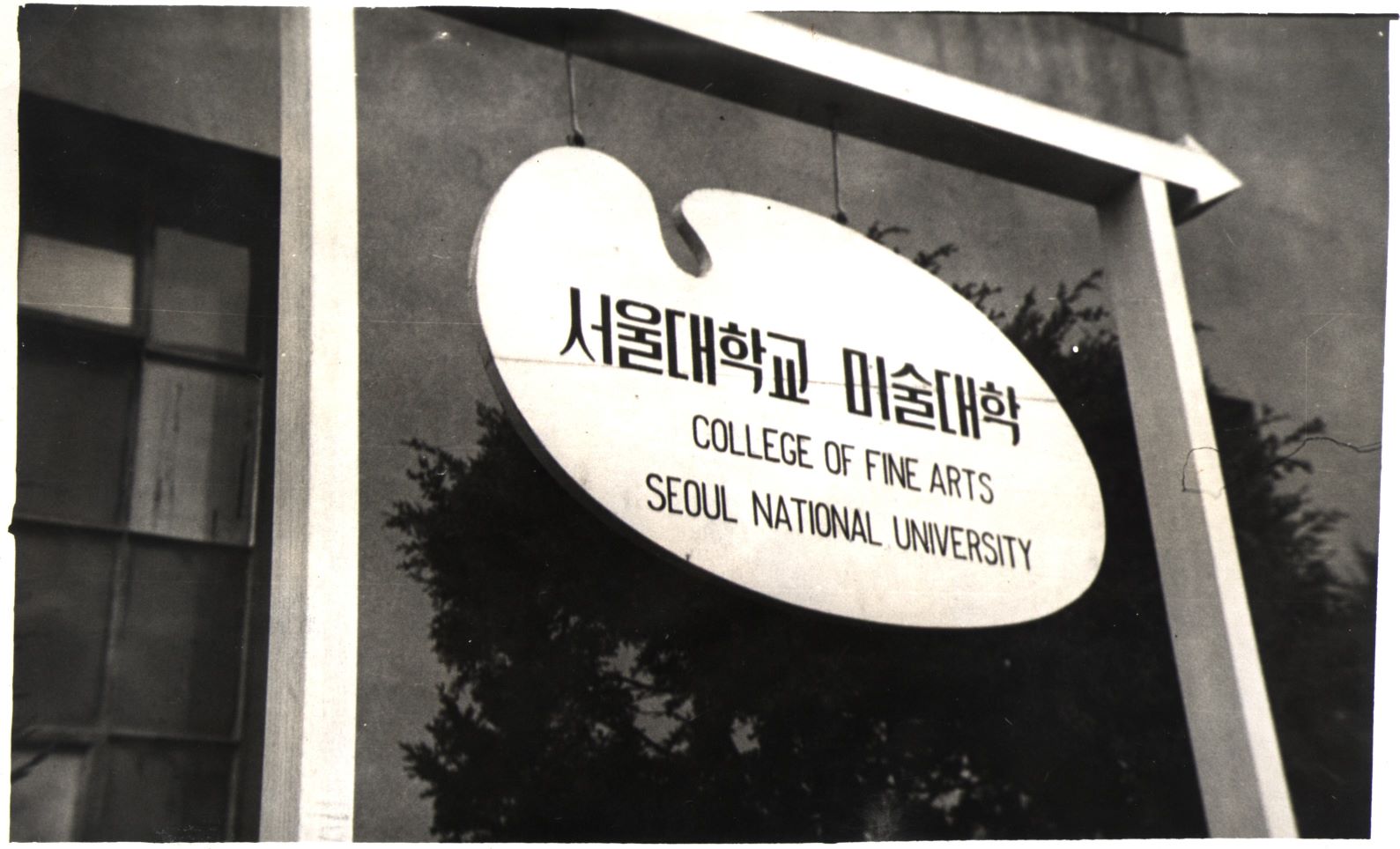
College of Arts at Seoul National University
The College of Fine Arts of Seoul National University is located in Sillim-dong, Gwanak-gu, Seoul. According to the Decree on the Establishment of Seoul National University, the College of Art including the Department of Fine Arts and the Department of Music was founded in August 1946 at Seoul National University. The Department of Fine Arts consisted of sub-departments of Painting I, Painting II, Sculpture, and Design. It was organized by Chang Louis Pal and Lee Soonsuk. Chang Louis Pal had served as head of the Education and Management Bureau in the U.S. Army Military Government in Korea (USAMGIK) in Korea since December 1945. Lee Soonsuk assumed practical tasks as an advisor to the art section of the USAMGIK from 1946 when the Education and Management Bureau was changed to the Ministry of Culture and Education. In 1946, there were nine faculty members at the Department of Fine Arts in the College of Art: Chang Louis Pal, Kim Yongjun, Gil Jinseop, and Lee Jaehun as professors; Yun Seung-uk and Lee Soonsuk as associate professors; and Kim Whanki, Chang Woosoung, and Lee Byeonghyeon as assistant professors. However, after the incident of Korean students and professors’ protest against the U.S.’s attempt to merge several colleges and universities into a single university, Kim Yongjun, Gil Jinseop, and Kim Whanki resigned. In 1954, the College of Art was reorganized into the College of Fine Arts with three departments of painting, sculpture, and applied art. The Department of Aesthetics, which had temporarily belonged to the College of Fine Arts since 1948, was transferred to the College of Liberal Arts and Sciences in 1960. In 1963, according to the relocation plan of the Seoul National University main school building, the College of Fine Arts was moved to the former veterinary department building in Yeongeon-dong, Jongno-gu. In 1972, it was moved to the liberal arts department building in Hagye-dong, Seongbuk-gu, and then in 1976, to the current Gwanak campus. In 1981, the three departments of painting, sculpture, and applied art were reorganized into the five departments of Eastern painting, Western painting, sculpture, crafts, and industrial art. In 1989, the Department of Industrial Art was renamed the Department of Industrial Design, and in 1999, the Department of Crafts and the Department of Industrial Design were merged into the School of Design. Currently, the College of Fine Arts consists of the Department of Oriental Painting, Department of Painting, Department of Sculpture, Department of Craft, Department of Design, and Interdisciplinary Programs.
-
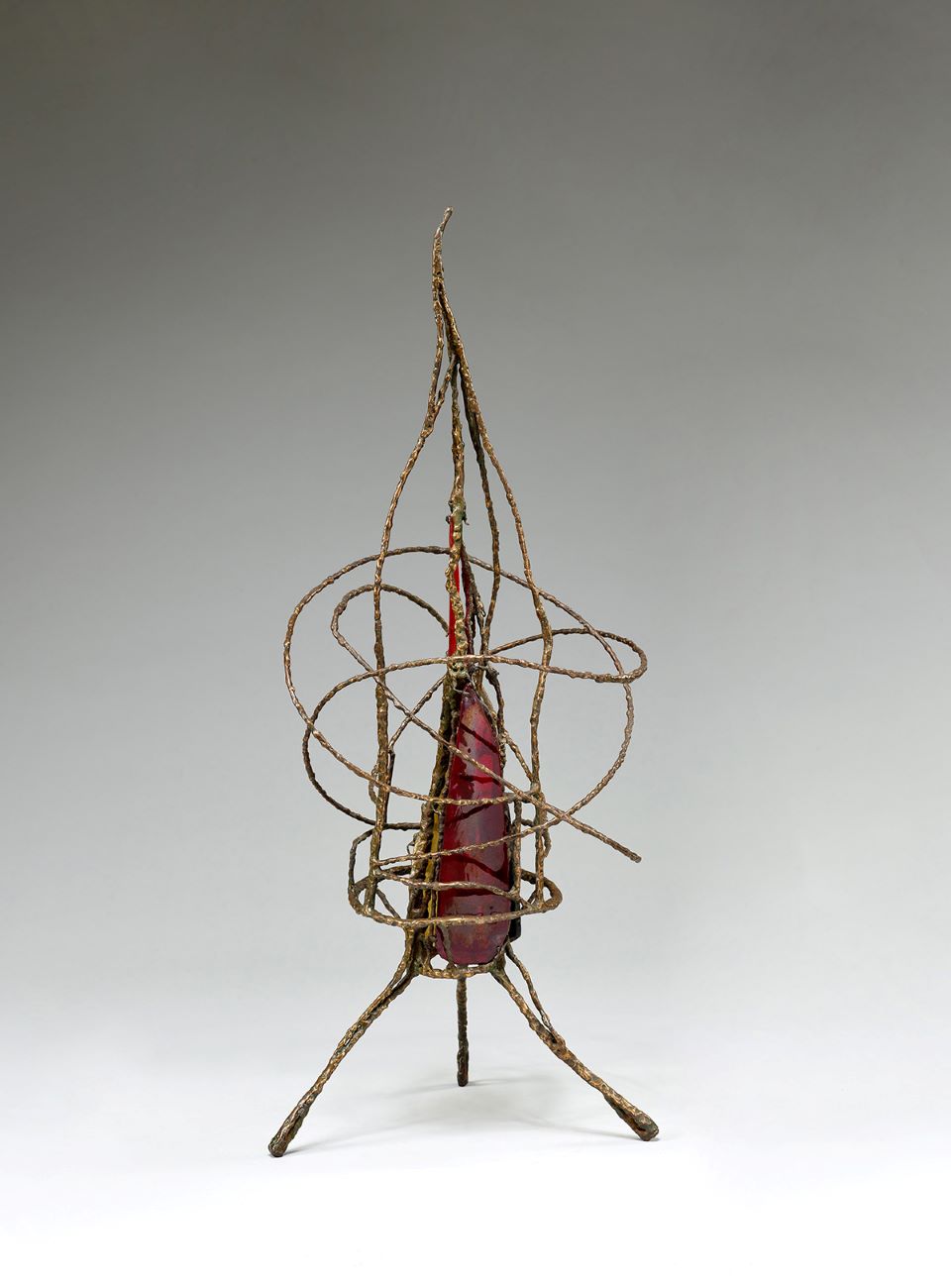
Welded sculpture
A welded sculpture is an art work created through the welding of different structural and material metal elements. Within Western art welded sculptures rose to fashion during World War II and the immediate post-war period, and this style of work was introduced to Korea in the 1950s, with many influential pieces debuting at the National Art Exhibition (Gukjeon) in 1957. These Korean welded sculptures often expressively attempted to highlight the materiality of metal, and dealt with the painful recent history of war and anxiety over contemporary Korean society, expressing political and social rage. The emergence of the experimental art and escape from Art Informel in the late 1960s encouraged artists to search for new and different styles, and welded sculpture as an art genre gradually disappeared. Song Youngsu, Oh Jong-uk, Park Chongbae, and Park Suk-won are representative artists in this welded sculpture genre.
Timelines

Sign Up for Email Updates