MMCA Seoul ⓒKim Taedong
National Museum of Modern and Contemporary Art, Korea (MMCA)


* Source: Multilingual Glossary of Korean Art. Korea Arts Management Service
Related
-
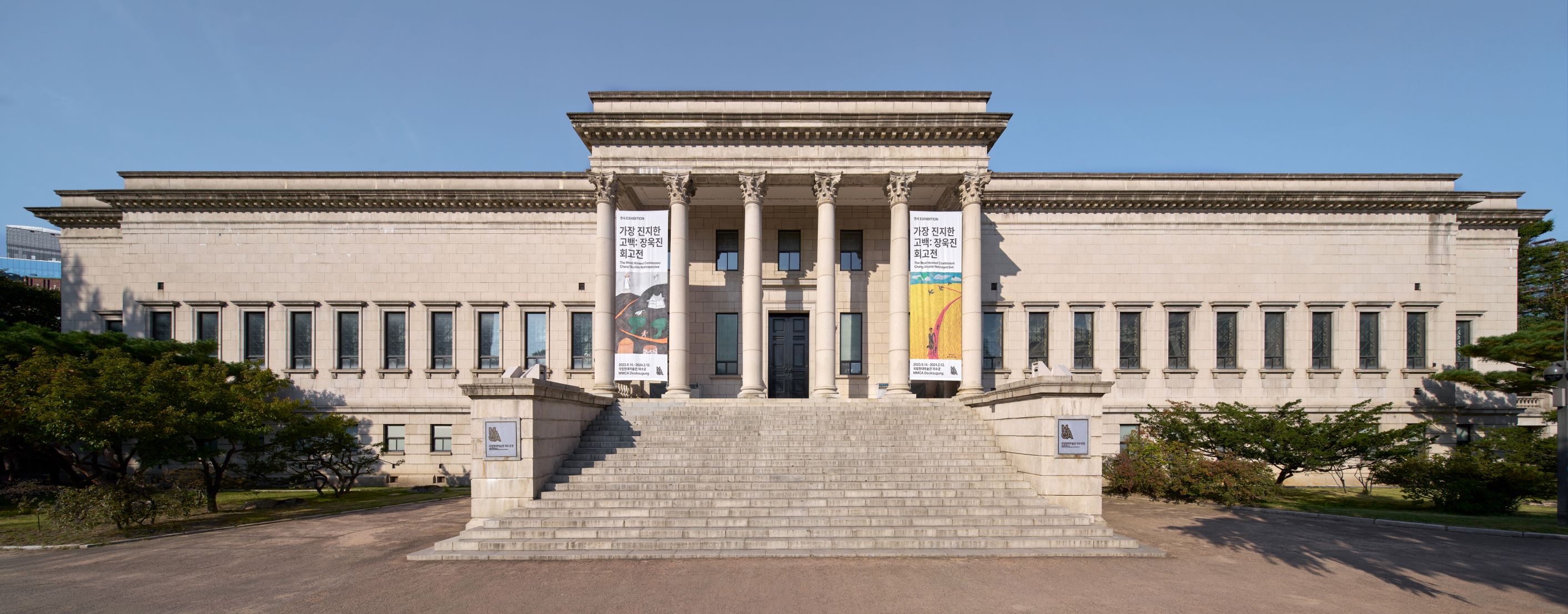
Deoksugung Museum of Art
A term that refers to two separate art museums that have existed in the grounds of Deoksugung palace at different times. First, the Yi Royal Family Museum, which was built in 1938 and renamed the Deoksugung Museum of Art after independence in 1948. This iteration of the Museum was merged with the National Museum of Korea in 1969. Separately, in 1998 a branch of the National Museum of Contemporary Art, Korea (now MMCA) was established at this location, and also named the Deoksugung Museum of Art. In 2013, the official name of the branch was changed to the National Museum of Modern and Contemporary Art, Deoksugung but some people still use the previous name, Deoksugung Museum of Art.
-
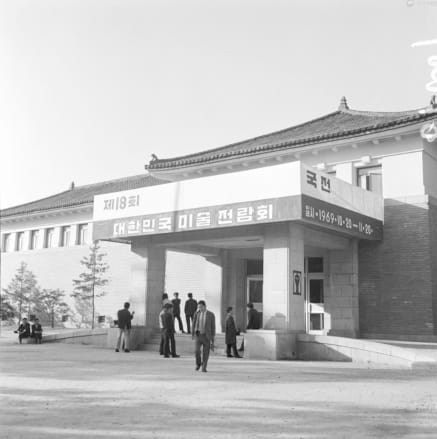
Gyeongbokgung Palace Museum
Gyeongbokgung Palace Museum was a national museum located in Gyeongbokgung Palace from 1949 to 1973. It was used as an exhibition hall for the National Art Exhibition (Gukjeon) of Korea. It became the Museum of the Japanese Government-General of Korea in 1939, then was used as a venue of the Joseon Art Exhibition until 1944 and became the Gyeongbokgung Palace Museum after Independence. In 1949, it was used for the first National Art Exhibition of Korea. It also hosted large scale exhibitions, such as the Science Exhibition, the National Middle and High School Student Art Exhibition, the International Children’s Art Exhibition, and the National Commercial and Industry Art Exhibition from the 1950s to the 1960s, especially when there were few public museums. In 1957, it hosted The Family of Man, a photographic exhibition which travelled around the world starting at the Museum of Modern Art in New York City. The Gyeongbokgung Palace Museum was also the base of the National Museum of Contemporary Art from 1969 until its relocation to Deoksugung Palace in 1973. It was used as the National Folk Museum of Korea from 1975 to 1993 and was demolished during the restoration project of Gyeongbokgung Palace in 1998.
-
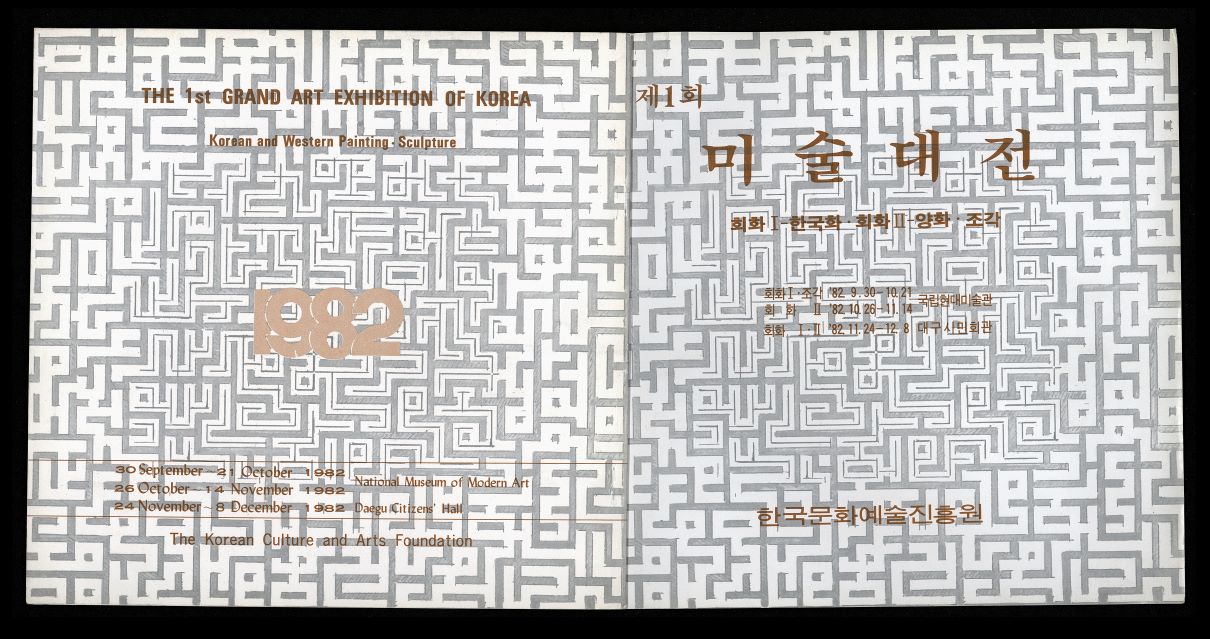
Grand Art Exhibition of Korea
The Grand Art Exhibition of Korea [Daehanminguk misul Daejeon] is an arts contest hosted by the Korean Fine Arts Association. National Art Exhibition (Gukjeon), which had been held from 1949 through 1981, was transferred to the private sector and renamed the “Grand Art Exhibition of Korea.” During its transitional period from 1982 through 1985, the Grand Art Exhibition of Korea was run by the Korea Culture and Arts Foundation, a semi-governmental organization. Starting in 1986, the Korean Fine Arts Association hosted the exhibition with support for the operating budget from Arts Council Korea. It had been held with five sections: Korean painting, Western painting, sculpture, crafts, and calligraphy (including the Four Gentlemen). In 1986, its crafts section was separated from the Grand Art Exhibition of Korea and established as the Grand Craft Exhibition of Korea, and in 1989 the calligraphy section was separately installed as the Grand Calligraphy Exhibition of Korea. At the same time, a printmaking section was newly established in the Grand Art Exhibition of Korea. From 1993 onward, due to the increase in entries and lack of exhibition space, the Grand Art Exhibition of Korea was divided into two parts: a spring exhibition on non-figurative art and a fall exhibition on figurative art. It played an instrumental role in establishing the terms “Eastern painting” as “hangukhwa (Korean painting)” and “Western painting” as “yanghwa (Western style painting).”
Timelines

Sign Up for Email Updates