MMCA Deoksugung ⓒKim Taedong
Deoksugung Museum of Art


* Source: Multilingual Glossary of Korean Art. Korea Arts Management Service
Related
-
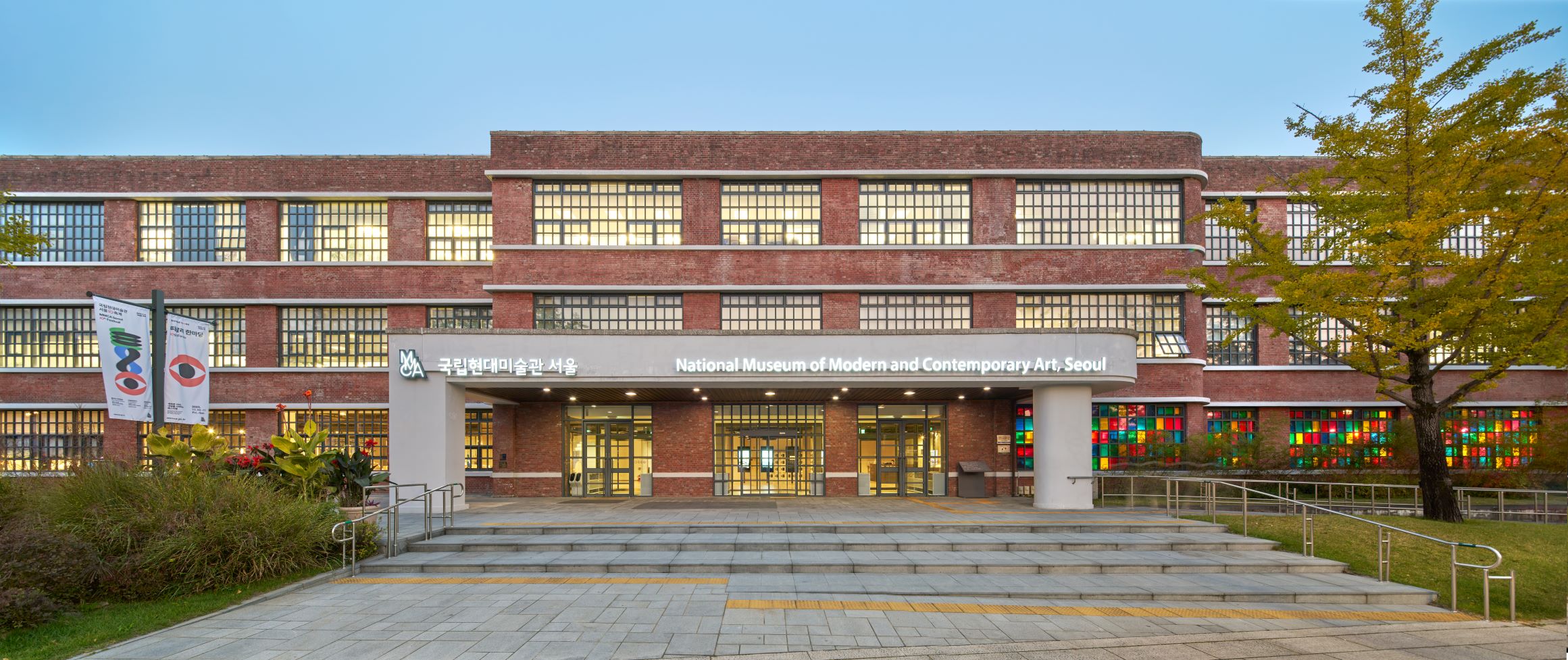
National Museum of Modern and Contemporary Art, Korea (MMCA)
A national museum established in 1969 that researches, collects, and exhibits modern and contemporary art. As of 2018, there are branches in Gwacheon, Deoksugung, Seoul, and Cheongju. When first established, the National Museum of Modern Art (now MMCA) was located within Gyeongbokgung palace. In 1973, the museum moved to the East Wing of the Deoksugung Seokjojeon building. Then, in 1986, the museum moved to its current location in Gwacheon, to occupy a new building equipped with an outdoor sculpture exhibition space, and has since opened a new chapter in Korean art. The perceived need for a space to focus specifically on Korean contemporary art led to the establishment of further site, the National Museum of Contemporary Art, Deoksugung in 1998. In November 2013, a further demand for contemporary art exhibitions led to the establishment of another Seoul branch being created in the Defense Security Command building in Sogyeok-dong, Jongno-gu, which has since its inception engaged in multifaceted exhibitions of both domestic and overseas contemporary art. Also, as a further component of the MMCA complex, a disused tobacco factory in Cheongju was remodeled to provide a home to the National Art Storage Center.
-
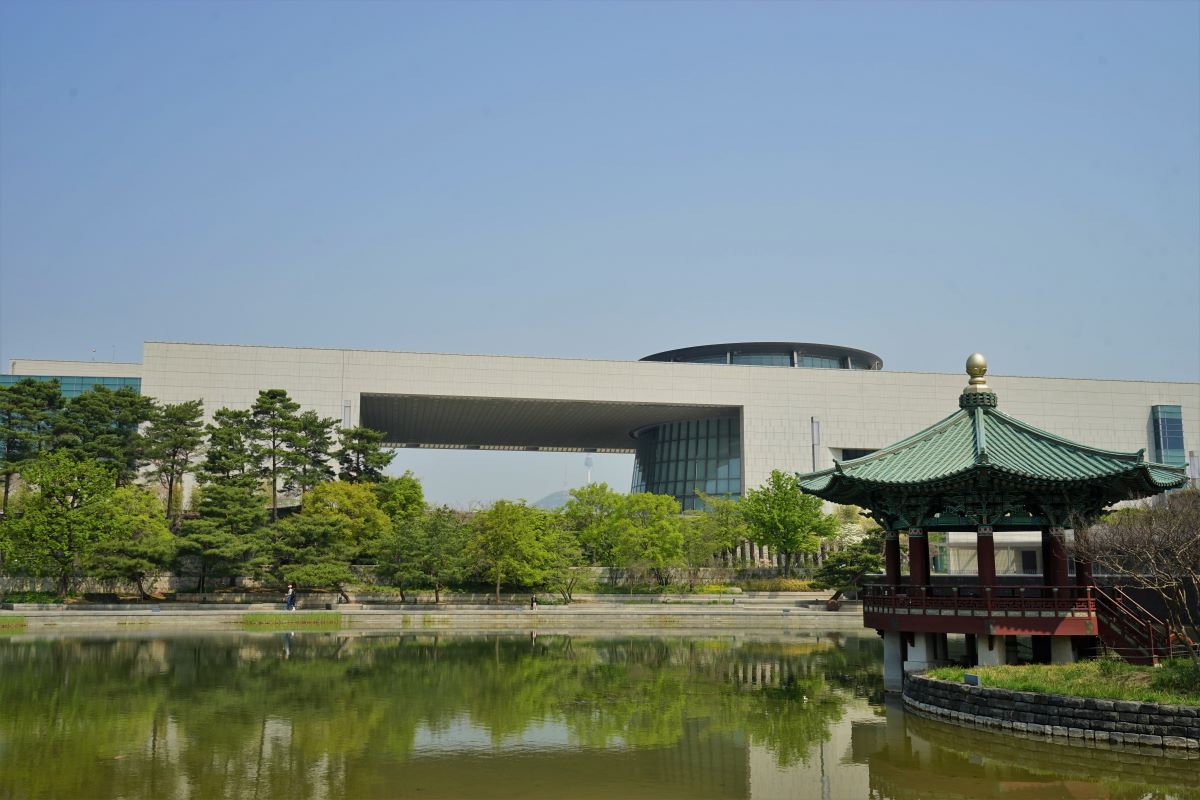
National Museum of Korea
The National Museum of Korea is located at 137 Seobinggo-ro, Yongsan-gu, Seoul. The predecessor to the National Museum is the Yi Royal Family Museum founded in September 1908. The Yi Royal Family Museum showcased artwork owned by the royal family of Korea and was opened to the public in November 1909. The museum was relocated from its original home in the Japanese Government-General of Korea building to Gyeongbokgung Palace in 1910 and renamed the Japanese Government-General of Korea Museum in December 1915. The Japanese Government-General of Korea Museum collected and exhibited excavated artefacts and donated items from temples while conducting historical and archaeological research and archiving. The National Museum of Korea was established following the acquisition of the Japanese General-Government Museum in December 1945. In 1969, the National Museum of Korea merged with the Deoksugung Museum, the successor of the Yi Royal Family Museum. In October 2005, the National Museum of Korea moved to a newly constructed building at its current location in Seoul. As of December 31st, 2018, the museum holds a collection of approximately 410,000 pieces that span from the prehistoric to the modern era, and includes works from China, Japan, and Central Asia.
-
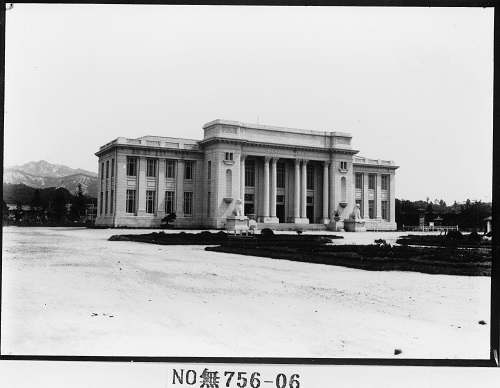
National Museum
The National Museum was established by the Korean government in 1945 after Independence. It consists of a general museum and a special museum. The National Museum of Korea as a general museum took over the Museum of the Japanese Government-General of Korea and opened at Gyeongbokgung Palace in 1945. It annexed the Gyeongju, Buyeo, Gongju, and Kaesong museums. It also annexed Song Seokha’s National Museum of Anthropology and accepted the collection of Deoksugung Museum of Art (former Yi Royal Family Museum) in 1969. The museum was called “National Museum” from 1945 to 1972, and the “National Museum, of Korea” after the reorganization in 1972. Meanwhile, local annex museums were upgraded to local national museums, such as Gyeongju National Museum and Buyeo National Museum. Since Independence, national museums have been constructed in many local cities, including Gyeongju, Buyeo, Gongju, Gwangju, Jinju, Cheongju, Jeonju, Daegu, Gimhae, Jeju, Chuncheon, Naju, and Iksan. These museums play pivotal roles in maintaining local histories and cultures. Special museums within the National Museum of Korea include the National Palace Museum (the history and culture of the Joseon Dynasty), the Maritime Museum (maritime culture), the Forest Museum, the Diplomatic Museum, the Police Museum, the Custom Museum, the Lighthouse Museum, the Postal Museum, and the Museum of Korean Traditional Music.
Timelines

Sign Up for Email Updates