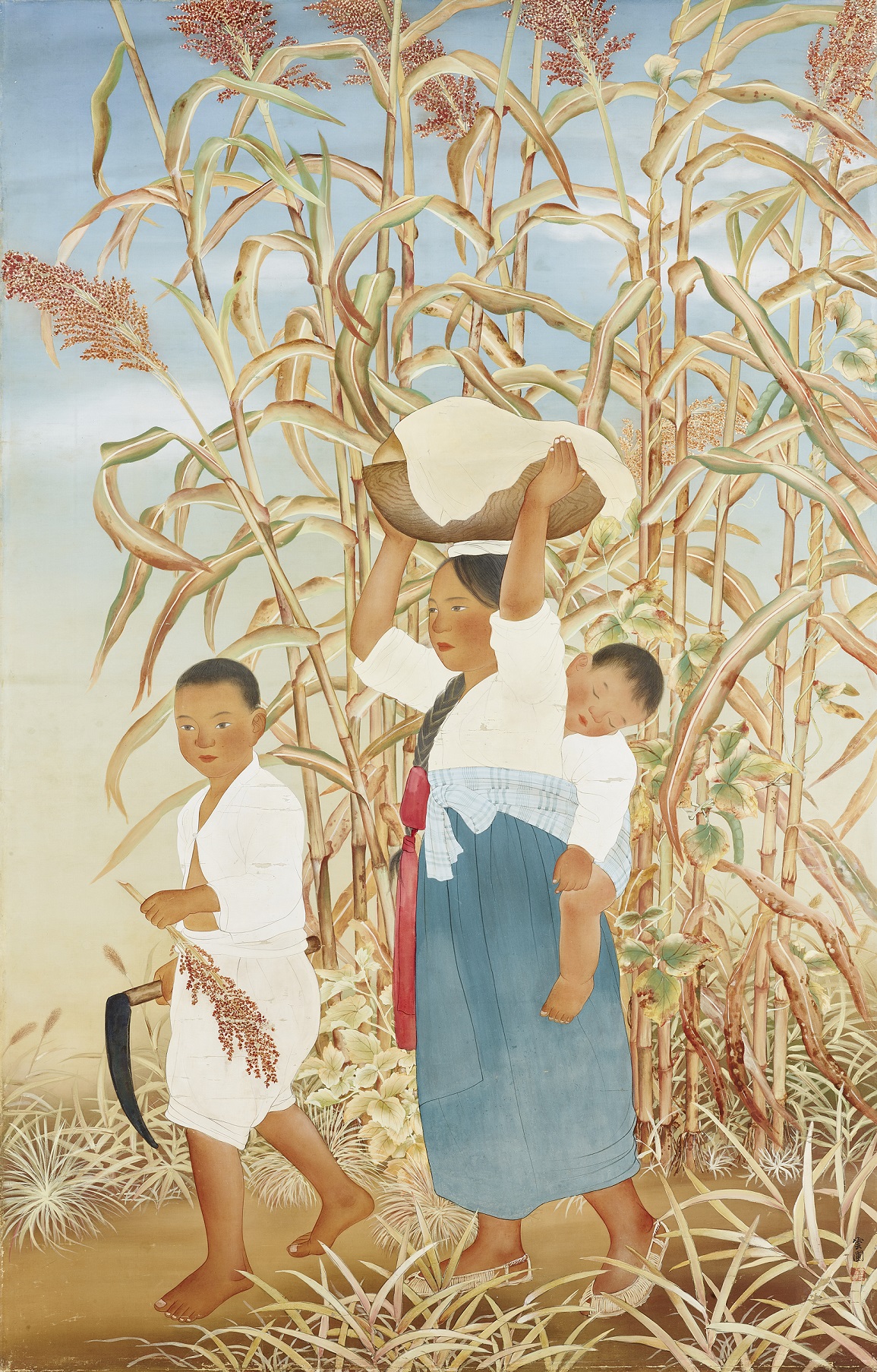
Park Rehyun, Open Stalls, 1956, Ink and color on paper, 267×210cm. MMCA collection
Park Rehyun


* Source: Multilingual Glossary of Korean Art. Korea Arts Management Service
Related
-
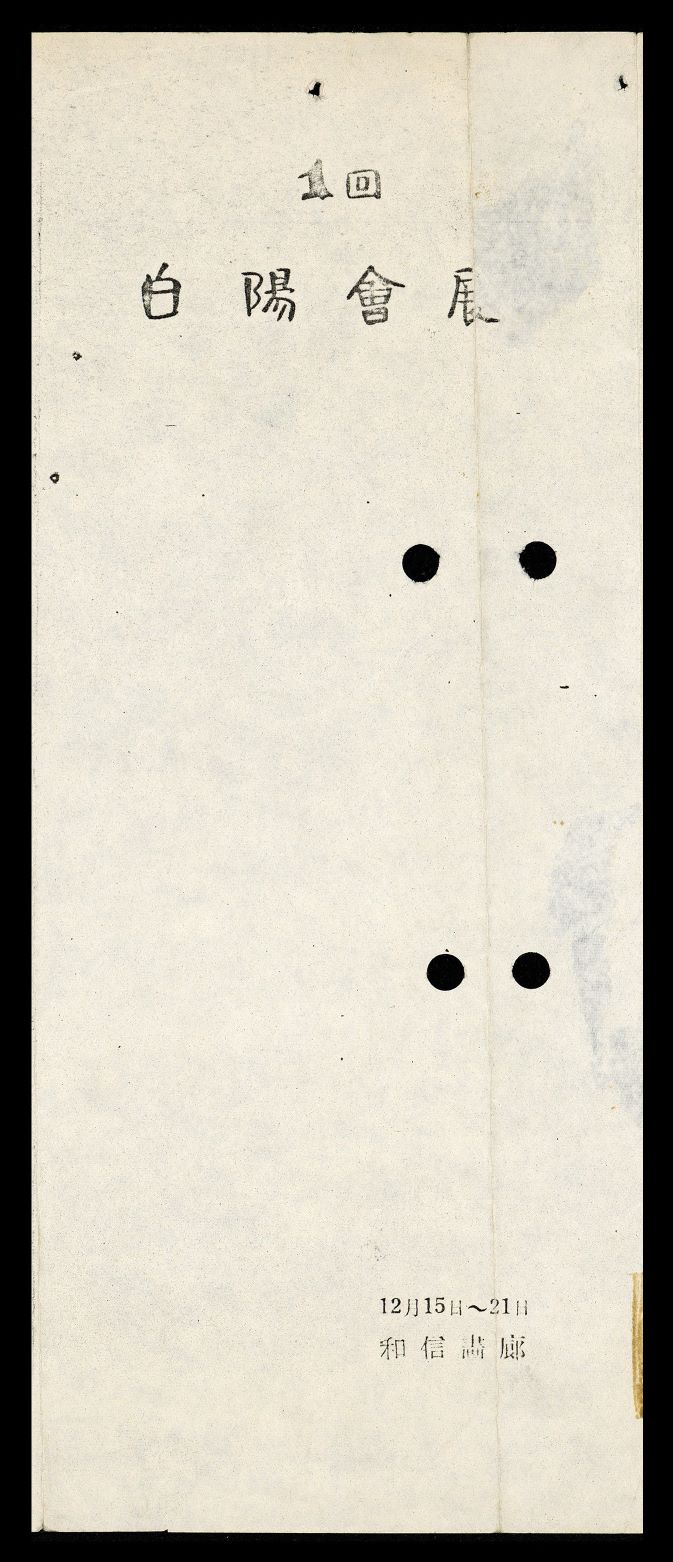
Paek Yang Painting Association
An art group formed in 1957 to explore new perspectives on Korean paintings and educate future artists. The group was formed by nine artists including Kim Kichang and Park Rehyun of the Husohoe (who were students of Kim Eunho, also known by his pen name I-dang), Kim Youngki, and Chun Kyungja. In January 1961, the group organized a touring exhibition in Southeast Asia, which is noteworthy as the first overseas exhibition held by a Korean private-sector art organization. In this traveling exhibition, the term “hangukwa (Korean painting)” was used for the first time to refer to traditional ink painting, instead of the previously dominant term “Eastern painting.”
-
Kim Kichang
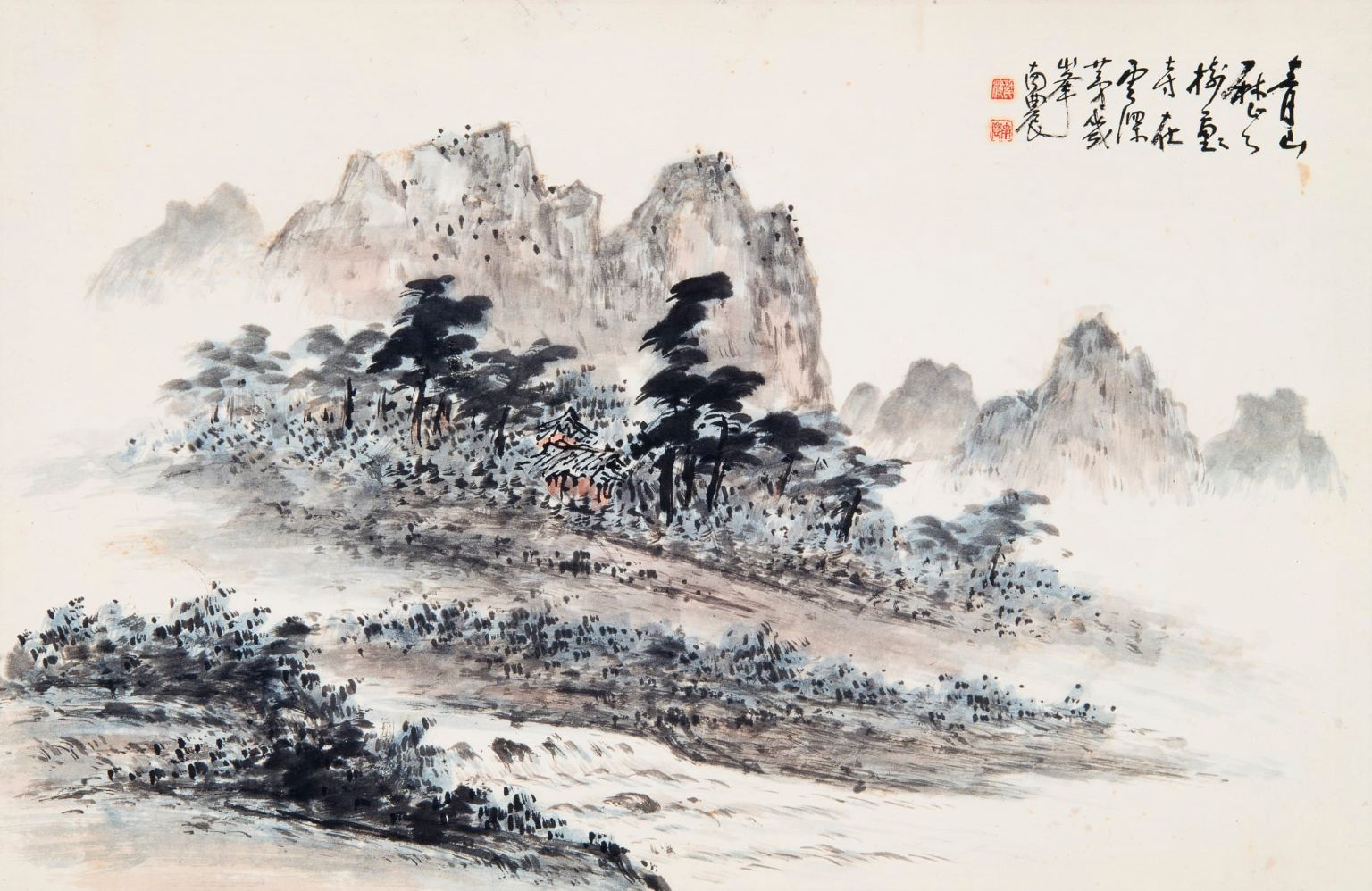
Kim Kichang (1913-2001, pen name Unpo or Unbo) studied Eastern painting at Kim Eunho’s art studio Nakcheongheon. After his debut in the tenth Joseon Art Exhibition [Joseon misul jeollamhoe] in 1931, he won special selections from 1937 to 1940, and became a renowned painter. He was appointed as the first president of Paek Yang Painting Association and became a professor at Hongik University and Soodo Women's Teachers College. He was awarded the Order of Civil Merit, Peony Medal in 1981 and the Korean Art Academy Award in 1983. After he passed away in 2001, he was awarded a posthumous Geumgwan Order of Culture Merit award. Although Kim initially focused on colorful figure paintings, following in the legacy of his mentor Kim Eunho, in his later career he collaborated with his wife Park Rehyun to modernize Korean painting by adopting cubism and abstraction. He reinterpreted traditional folk paintings in his representative works, such as Blue-green Landscape Painting series started in the 1970s and his Fool’s Landscape Painting in the 1980s and was inspired by portraits of historical figures. He contributed to the development of Korean modern art by working in an expanded formal territory from figuration to abstraction and addressing subject matter from folk painting, to figure and landscape painting.
-
Eastern painting
Eastern painting (dongyanghwa) refers to the overall body of works created using traditional East Asian materials and methods, in contrast to Western painting. In Korea, Byeon Yeongro’s essay “On Eastern Painting” published in Dong-A Ilbo on 7th, July, 1920 was the first use of the term. The term then began to be used in Japan first to distinguish Oriental style paintings from Western ones. Until the late Joseon era, both calligraphy and painting were categorized under the term seohwa, but during the Japanese occupation of Korea in 1922, the first Joseon Art Exhibition [Joseon misul jeollamhoe] divided the painting section into Western and Eastern styles. Thereafter, the term Eastern-style painting entered official use in the country. After independence, the National Art Exhibition (Gukjeon) continued to use the term “Eastern painting,” but since 1970, numerous arguments were made to replace it with "Korean painting," because the term was imposed unilaterally during the Japanese colonial era.
Timelines

Sign Up for Email Updates