Byeon Gwansik, Samseon-rock in Outer Mt. Geumgang in Fall, 1966, Ink and color on paper, 125.5×125.5cm. MMCA collection
Byeon Gwansik


* Source: Multilingual Glossary of Korean Art. Korea Arts Management Service
Related
-
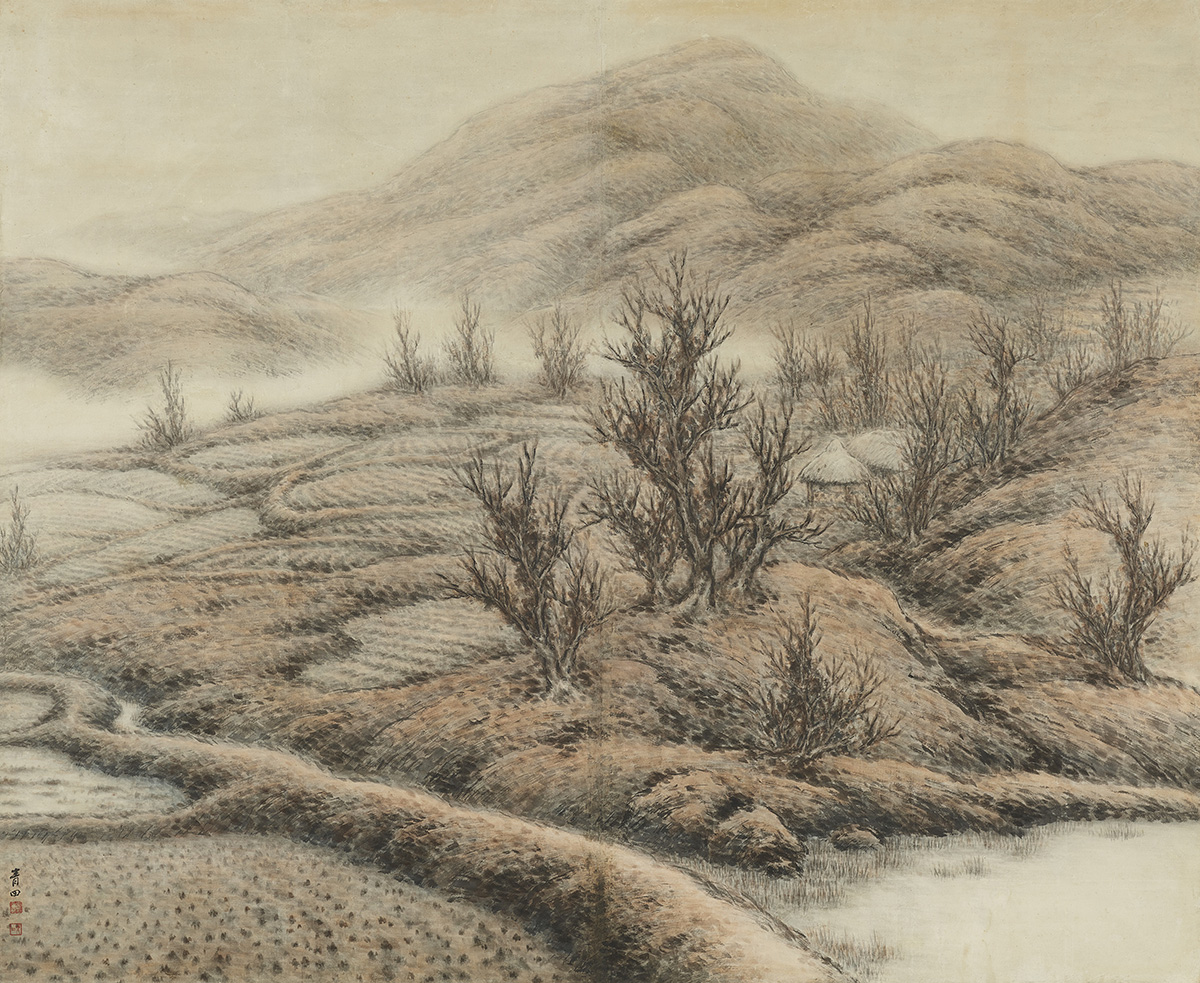
Lee Sangbeom
Lee Sangbeom (1897-1972, pen name Cheongjeon) learned painting from An Jungsik and Cho Seokjin at the Calligraphy and Painting Society [Seohwa misulhoe] and graduated in 1918. He became a member of the Calligraphy and Painting Association [Seohwa hyeophoe] founded in 1918 and submitted his work to the first Joseon Art Exhibition [Joseon misul jeollamhoe] in 1922. He repeatedly won special prizes and was appointed as a Noteworthy Artist and Participating Artist of Eastern painting in the Joseon Art Exhibition. In 1920, he participated in the Changdeokgung Palace mural project and created the work Samseongwanpado. He founded the Cheongjeon Art Studio to educate art students in 1933 and gained notoriety by contributing illustrations to serialized pro-Japanese newspaper novels. After independence, he was accused of being pro-Japanese, but continued to focus on his art nonetheless, becoming an important figure in art circles. In the 1950s, he created his own original ‘Cheongjeon’ style. This Korean-style landscape ink wash painting was based on real Korean scenery and represented what many consider as the essential aesthetics of Korean landscape painting. While he consistently participated in the National Art Exhibition (Gukjeon), he never hosted a solo exhibition of his own, and in terms of his teaching in the post-independence period he taught as an art professor at Hongik University.
-
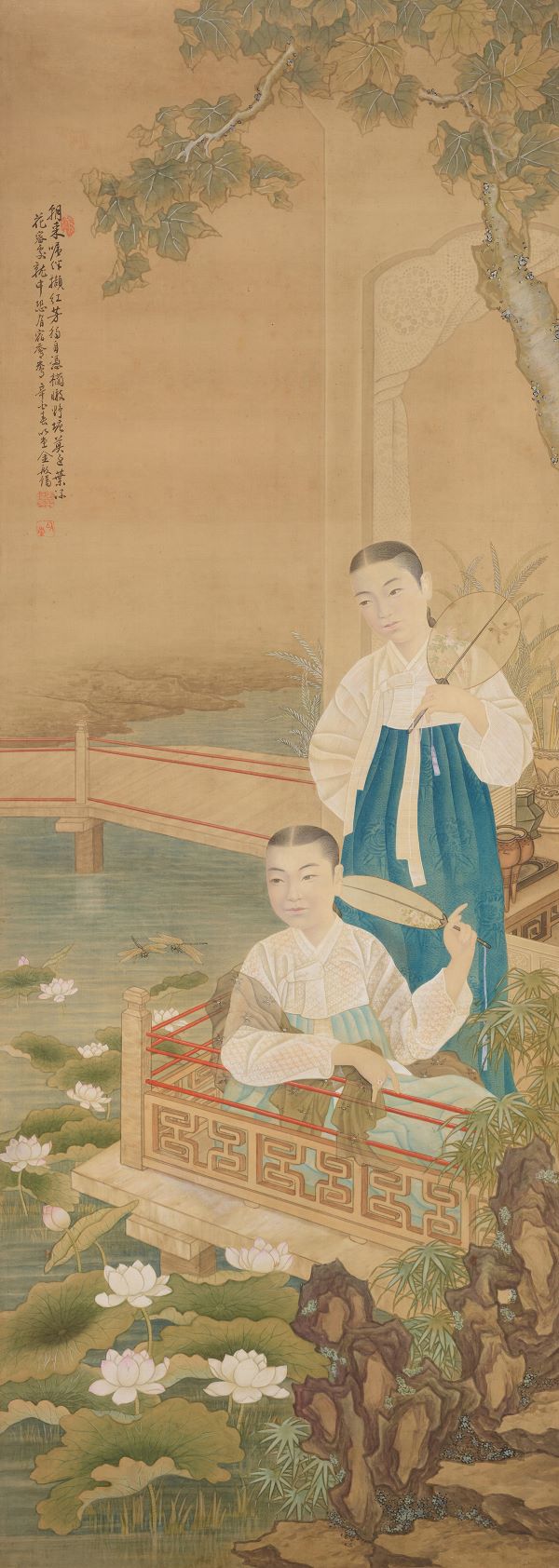
Kim Eunho
Kim Eunho (1892-1979, pen name Yidang) joined the Calligraphy and Painting Society (Seohwa misulhoe) in 1912 and learned Oriental painting under An Jungsik and Cho Seokjin. He was known for his sophisticated brush strokes and attention to detail. Early in his career he was appointed as a court portrait painter. He produced several portraits of kings from the Joseon dynasty and gained a reputation for his portraits and colored figure paintings. He contributed his works to the first exhibition of the Calligraphy and Painting Association (Seohwa hyeophoe) and the Joseon Art Exhibition. His trainees organized Husohoe in 1936, which contributed enormously to the Modern Oriental Art community in Korea. However, he was accused of pro-Japanese activities due to his overt acquiescence to Japanese Imperialism and his involvement in its wartime propaganda. He tried his hand at ink paintings in the 1950s and experimented with modernized colored landscape painting from the 1960s into his later years. In the 1960s, he painted several portraits of historic figures and published Hwadanilgyeong (1968) and Seohwabaeknyeon (1977).
-
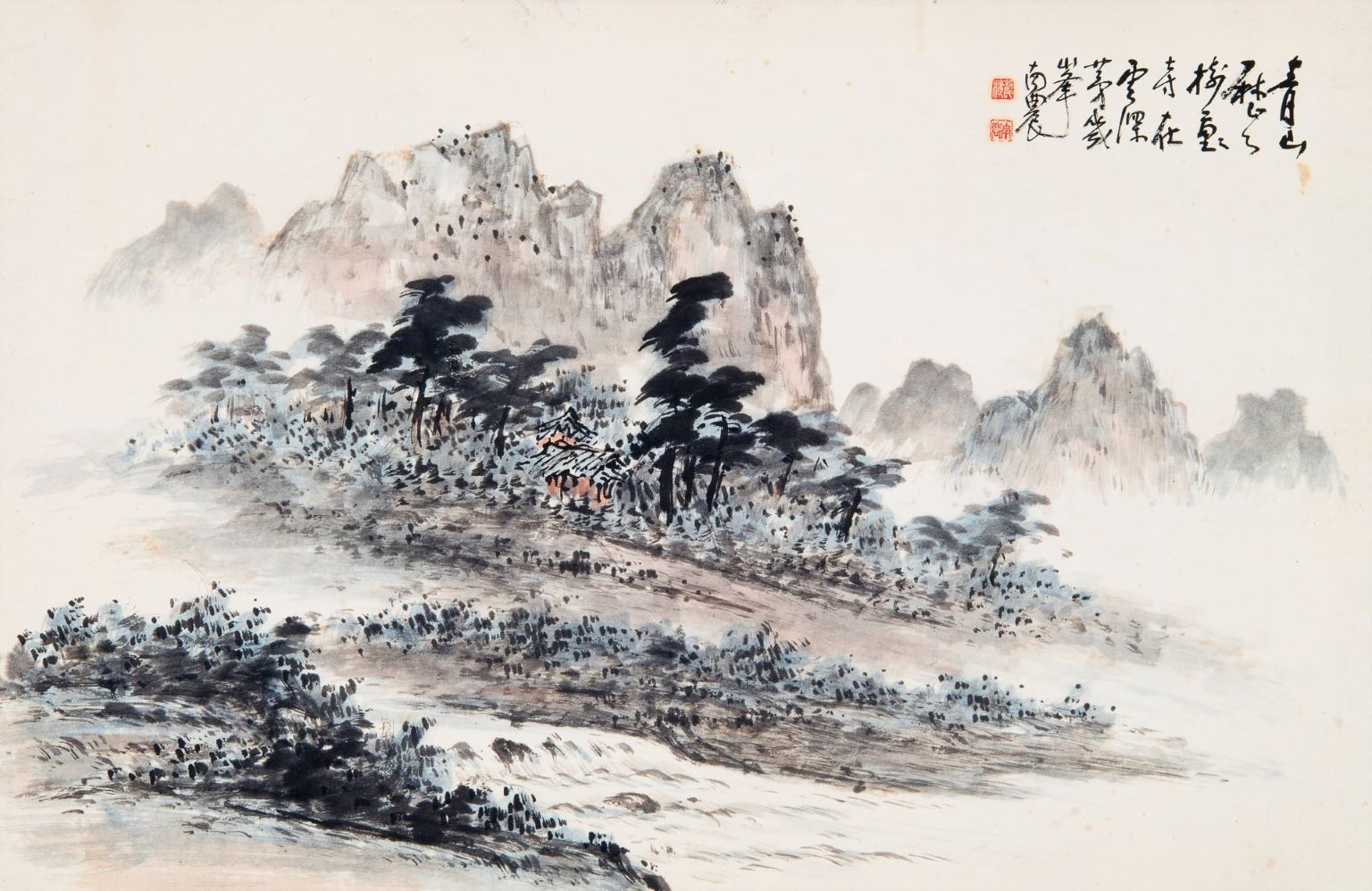
Eastern painting
Eastern painting (dongyanghwa) refers to the overall body of works created using traditional East Asian materials and methods, in contrast to Western painting. In Korea, Byeon Yeongro’s essay “On Eastern Painting” published in Dong-A Ilbo on 7th, July, 1920 was the first use of the term. The term then began to be used in Japan first to distinguish Oriental style paintings from Western ones. Until the late Joseon era, both calligraphy and painting were categorized under the term seohwa, but during the Japanese occupation of Korea in 1922, the first Joseon Art Exhibition [Joseon misul jeollamhoe] divided the painting section into Western and Eastern styles. Thereafter, the term Eastern-style painting entered official use in the country. After independence, the National Art Exhibition (Gukjeon) continued to use the term “Eastern painting,” but since 1970, numerous arguments were made to replace it with "Korean painting," because the term was imposed unilaterally during the Japanese colonial era.
Timelines

Sign Up for Email Updates