SSix Eastern Painters Exhibition, Brochure, 1971, MMCA Art Research Center Collection.
Six Eastern Painters Exhibition


* Source: Multilingual Glossary of Korean Art. Korea Arts Management Service
Related
-
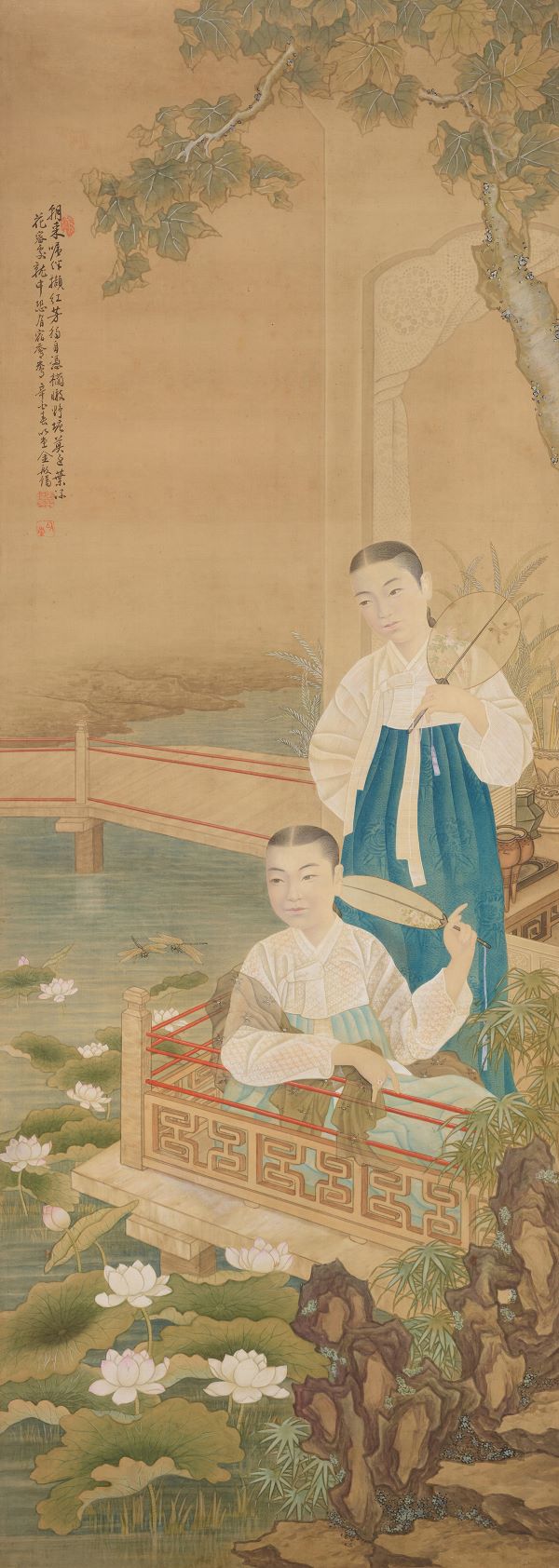
Kim Eunho
Kim Eunho (1892-1979, pen name Yidang) joined the Calligraphy and Painting Society (Seohwa misulhoe) in 1912 and learned Oriental painting under An Jungsik and Cho Seokjin. He was known for his sophisticated brush strokes and attention to detail. Early in his career he was appointed as a court portrait painter. He produced several portraits of kings from the Joseon dynasty and gained a reputation for his portraits and colored figure paintings. He contributed his works to the first exhibition of the Calligraphy and Painting Association (Seohwa hyeophoe) and the Joseon Art Exhibition. His trainees organized Husohoe in 1936, which contributed enormously to the Modern Oriental Art community in Korea. However, he was accused of pro-Japanese activities due to his overt acquiescence to Japanese Imperialism and his involvement in its wartime propaganda. He tried his hand at ink paintings in the 1950s and experimented with modernized colored landscape painting from the 1960s into his later years. In the 1960s, he painted several portraits of historic figures and published Hwadanilgyeong (1968) and Seohwabaeknyeon (1977).
-
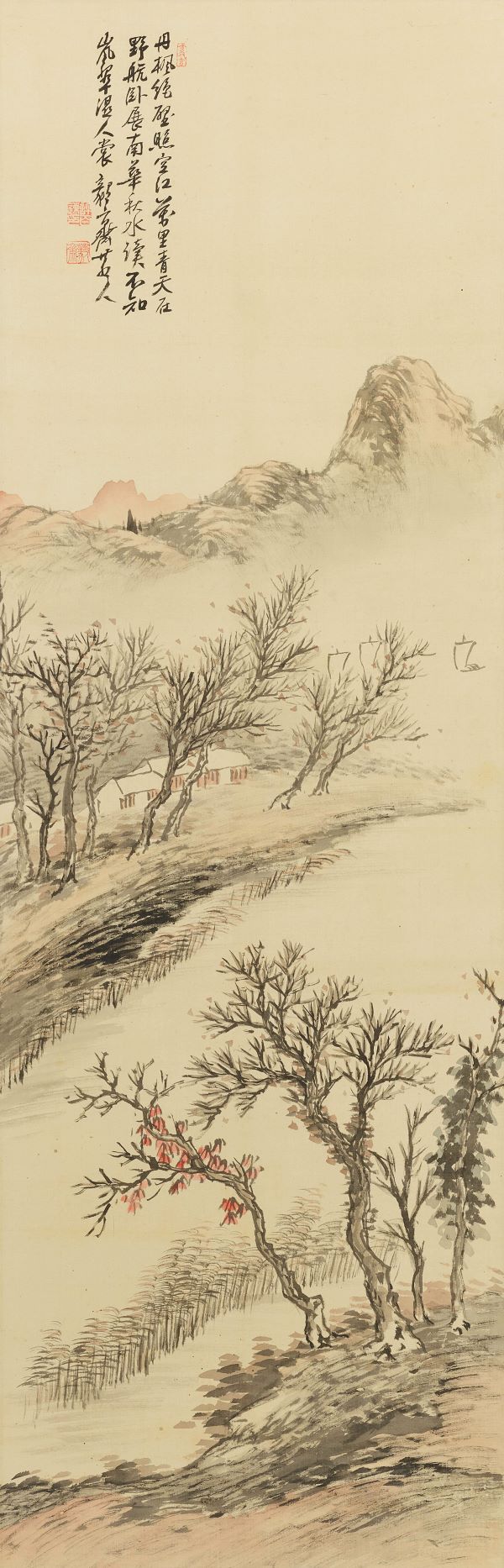
Huh Baeklyun
Huh Baeklyun (1891-1976, pen name Uijae) learned Chinese classics from Jeong Manjo, who was in political exile in Jindo. His education began from Hoe Hyung, a son of Hoe Ryon in 1911. Later, he studied law, but quit in 1917 in order to be trained by Komuro Suiun. In the spring of 1920, he held a return exhibition at the Mokpo convention center, and his Fall Landscape won second prize at the first Joseon Art Exhibition [Joseon misul jeollamhoe] in 1922. From the seventh exhibition, he focused on creating paintings independently and stopped submitting work to the Joseon Art Exhibition. In 1938, he organized Yeonjinhoe in Gwangju and fostered local artists, such as Jeoung Un-myoun, Ku Cheolu, and Heo Haengmyeon. He became a strong presence as a modern landscape painter through The Ten Landscape Painters Exhibtion organized by Oh Bongbin in 1940. In 1949, he became a Noteworthy Artist, Invited Artist, and judge at the National Art Exhibition (Gukjeon) as well as a member of the National Academy of Arts, Republic of Korea. He studied traditional Namjong painting that emphasized the literati spirit through forms such as Wangyu, Soshik, and Mibul. He played a pivotal role in establishing the Gwangju art community which highlighted traditional Eastern painting during the Japanese colonial period.
-
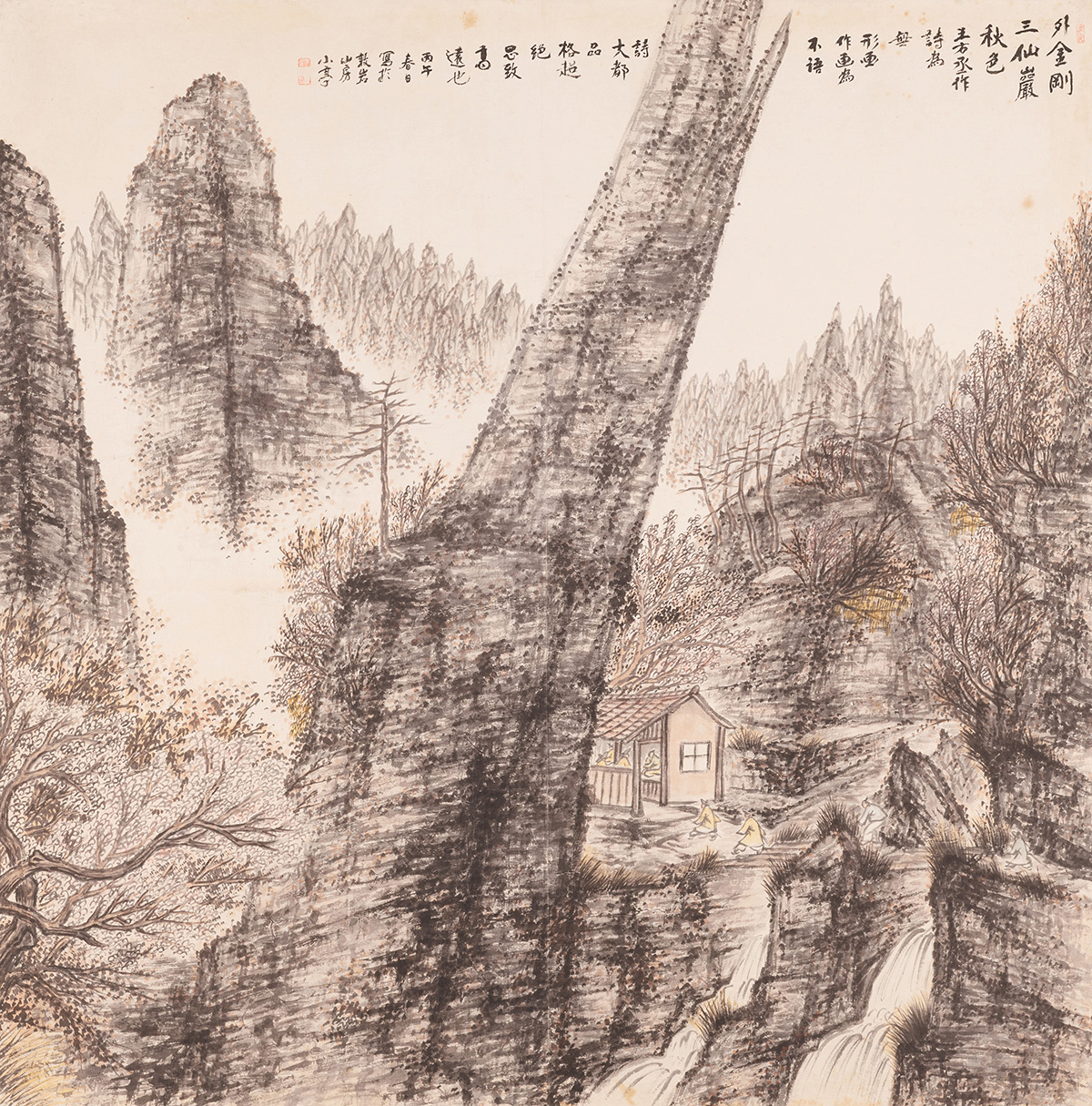
Byeon Gwansik
Byeon Gwansik (1899-1976, pen name Sojeong) was born in Ongjin, Hwanghae-do. He was a grandson of the last painter of the Joseon royal family, Sorim Cho Seokjin. He attended the Calligraphy and Painting Society [Seohwa Misulhoe] in 1917 when he turned 18. In 1923, he tried to organize Dongyeonsa with Lee Yongwoo, No Soohyeon, and Lee Yongwoo to look for harmony between old and new styles, but Dongyeonsa was disbanded the following year due to financial difficulties. In 1925, he moved to Japan with Kim Eunho and sat in on classes at the Tokyo School of Fine Arts. There, he developed a new style called Shinnamhwa that incorporated Nambukjong style with western painting techniques. After his return to Korea in 1929, his last official activity was to submit his work to the Joseon Art Exhibition [Joseon misul jeollamhoe]. He left Seoul in 1937 to focus on his art exploring diverse landscapes in Korea. He uniquely depicted Korea landscapes in his painting by using multiple ink-application painting method, broken line method, and unconventional compositions. His representative works include Farm Village (1957), Muchangchunsaegdo, and Oegeumgangsamseonamdo (1970).
Timelines

Sign Up for Email Updates