Search Results
Timeline
-
1999
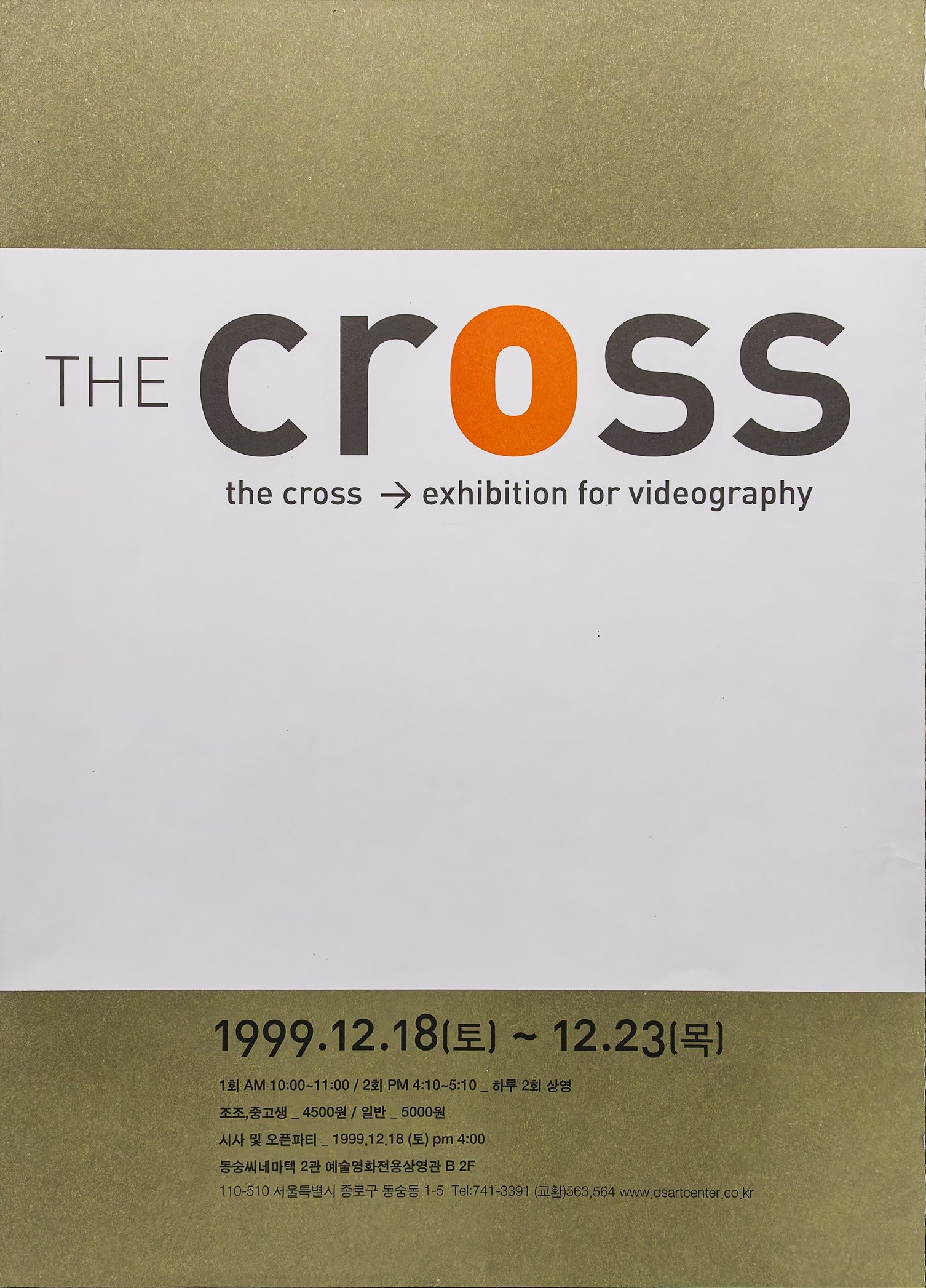
Curated by Kim Sejin, The Cross: Exhibition for Videography (Dongsoong Cinematheque, Jongno-gu, Seoul, December 18–23) is held. A total of ten artists participate, including Hong Sungmin, Kang Hong-goo, Kang Young Mean, Kim Hyunsoo, Kim Sejin, Lee Dongi, Lee Jungjae, Park Eun-young,...
-
1999
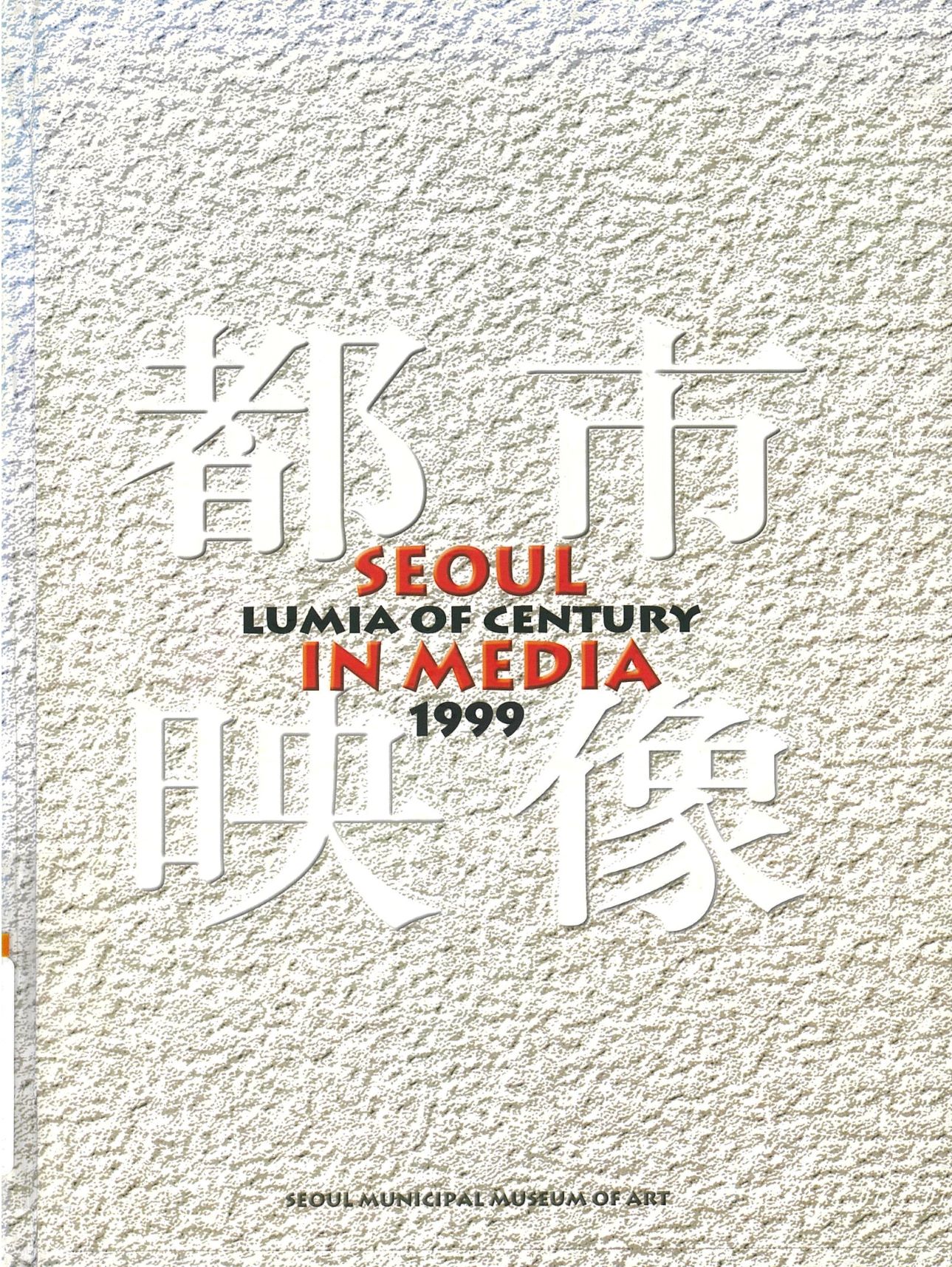
Haemin, Shin Hyunjung, Yeom Eunkyung, and Oh Byungkwon. A total of thirty-three artists participate, including Chae Mihyun, Cho Duckhyun, Cho Taibyung, Choe U-ram, Han Kyeryun, Heo Kuyoung, Hur Unkyung, Hwang Gyutae, Kim Daesoo, Kim Haemin, Kim Heesun, Kim Hyunhee, Kim Jaegwon, Kim Jinsoo, Kim...
-
1999
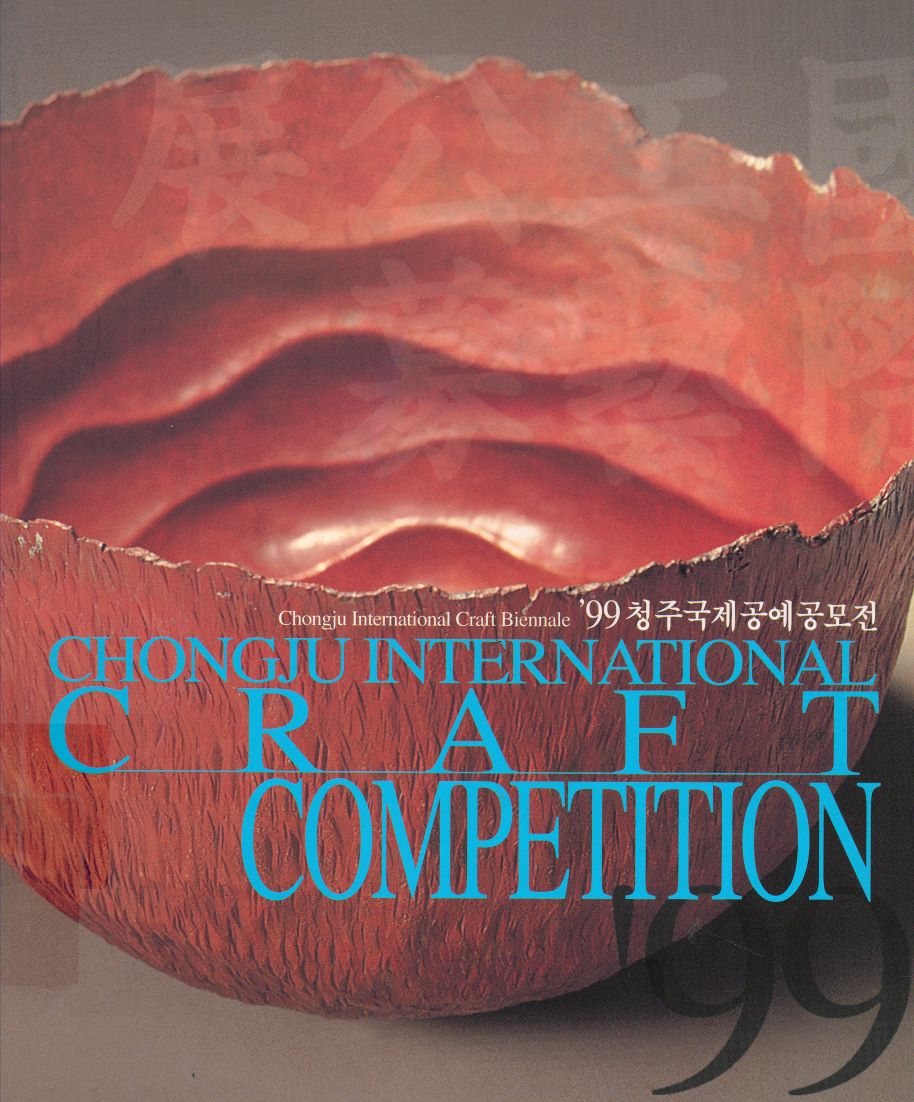
The First Cheongju International Craft Biennale (Cheongju Arts Center and Sports Complex, Chungcheongbuk-do, September 30–October 31) is held. The organizing committee chair is Na Gijeong, and the curator is Jang Dong-gwang. Under the theme "Hands of Harmony", the Biennale consists...
-
1999
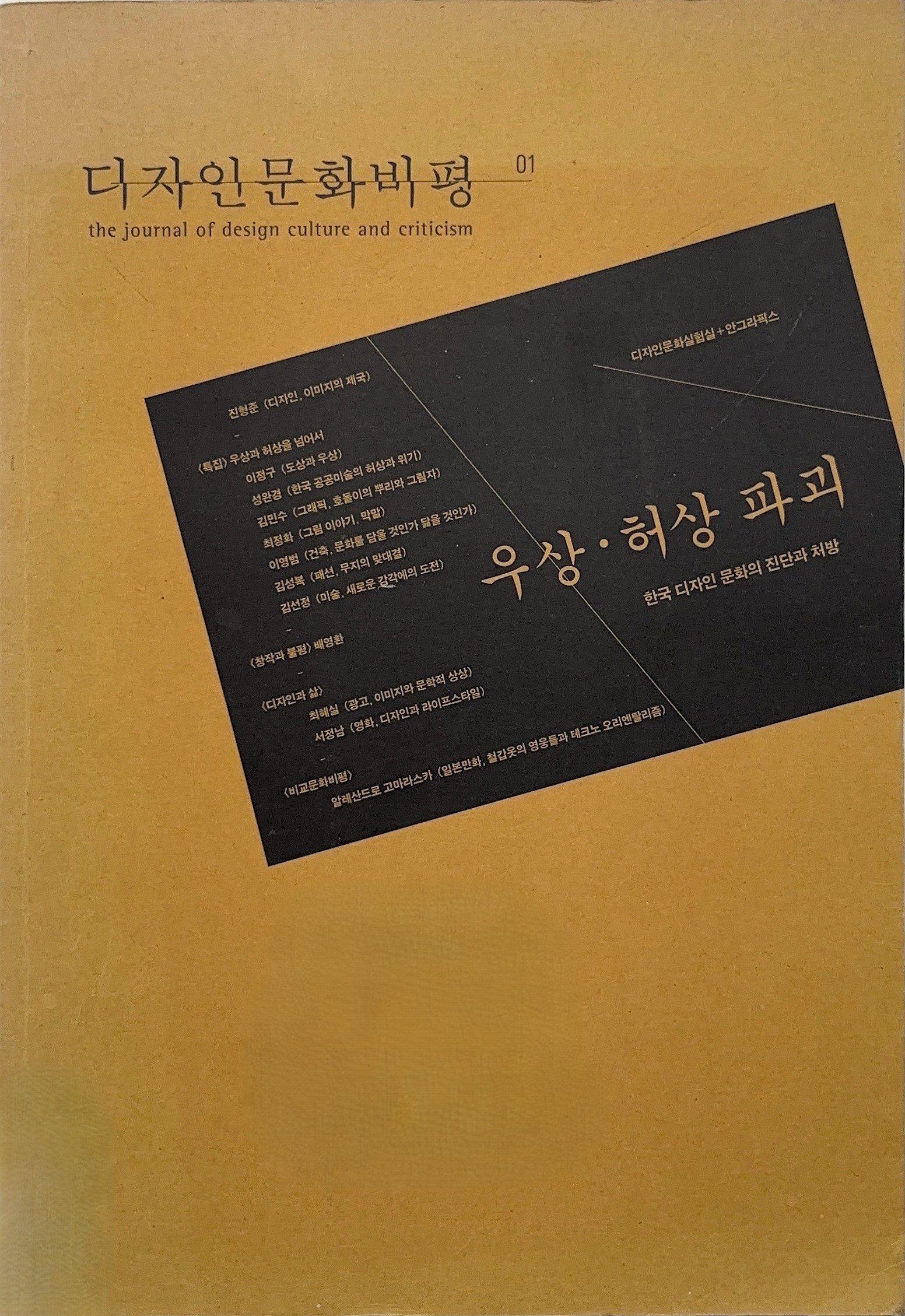
Ahn Graphics launches a irregular publication Journal of Design Culture and Criticism [Dijain munhwa bipyong]. The editor is Kim Minsu. It is published until Issue No. 6 in 2002.
-
1999
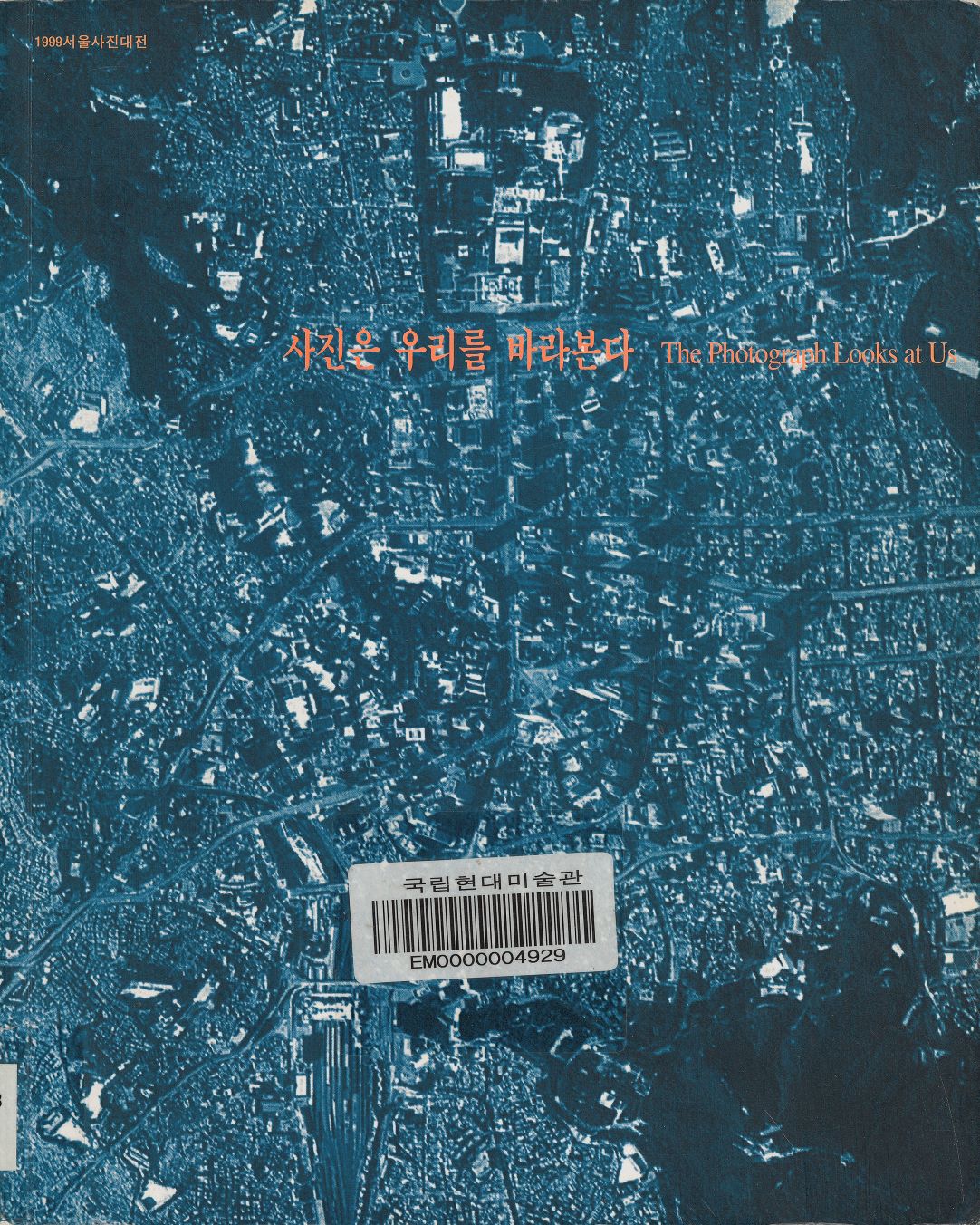
Koo Bohnchang, Lee Changjoon, Lee Jooyong, Lim Minouk and Frederic Michon, Meta4, Mok Najung, Noh Jungha, Park Heejin, Park Jongsung, Park Kyungil, Park Youngsook, Shin Hyekyung, Shin Kyungchul, Son Seunghyun, Song Kyungseok, Um Sangbin, Yeom Eunkyung, Yeom Jongsook, Yoon Jungmi, Yum Joongho.
-
1999
Ssamzie Art Studio 1: 1998–1999 (Ssamzie Art Studio, Gangdong-gu, Seoul, July 3–9) is held, showcasing the achievements of the first-term resident artists. A total of nine artists participate: Chang Younghae, Chung Seoyoung, Gimhongsok, Hong Sounmyoung, Kho Nakbeom, Park...
-
1999
The Forty-eighth Venice Biennale (June 12–November 7) is directed by Harald Szeemann and held under the theme dAPERTutto (“Everywhere”), with sixty countries participating. Song Misook serves as commissioner of the Korean Pavilion and selects Noh Sangkyoon and Lee Bul. Lee...

-
1999
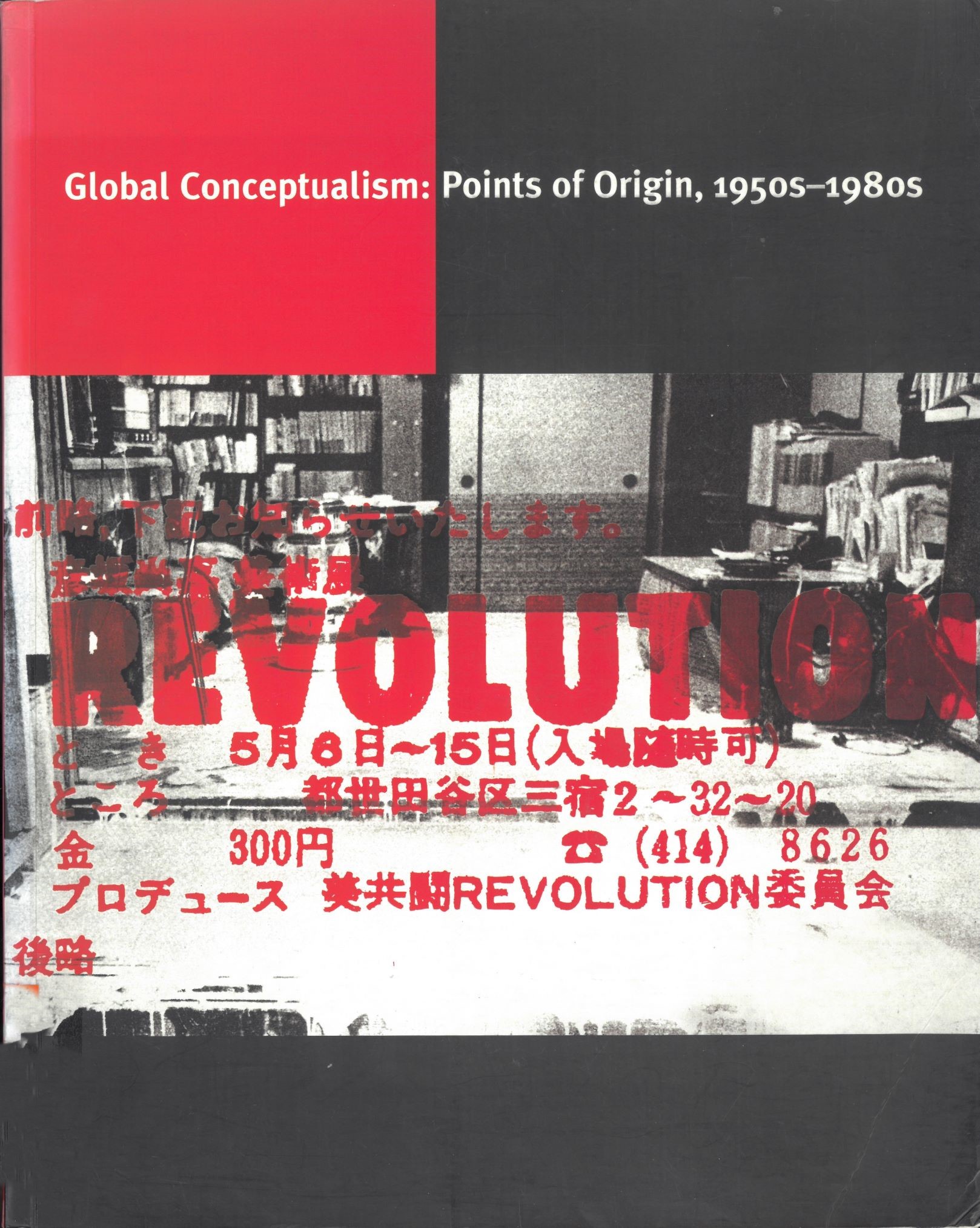
Global Conceptualism: Points of Origin, 1950s–1980s (Queens Museum of Art, New York, April 28–August 29) is held. The exhibition is directed by Luis Camnitzer, Jane Farver, and Rachel Weiss, with co-curators László Beke (Eastern Europe), Chiba shigeo and Reiko...
-
1998
participate, including Hong Su-ja, Hur Unkyung, ium, Jeon Yongseok, Kim Hyeonsu, Kim Hyungkwan, Kim Jungwook, Kim Kichul, Kim Mikyoung, Kim Sangwoo, Kim Seongnam, Kim Yongsu, Kho Nakbeom, Lee Jungjae, and Shin Hyungsub. ium presents the video performance Body Drawing-The Yellow Feather.

-
1998
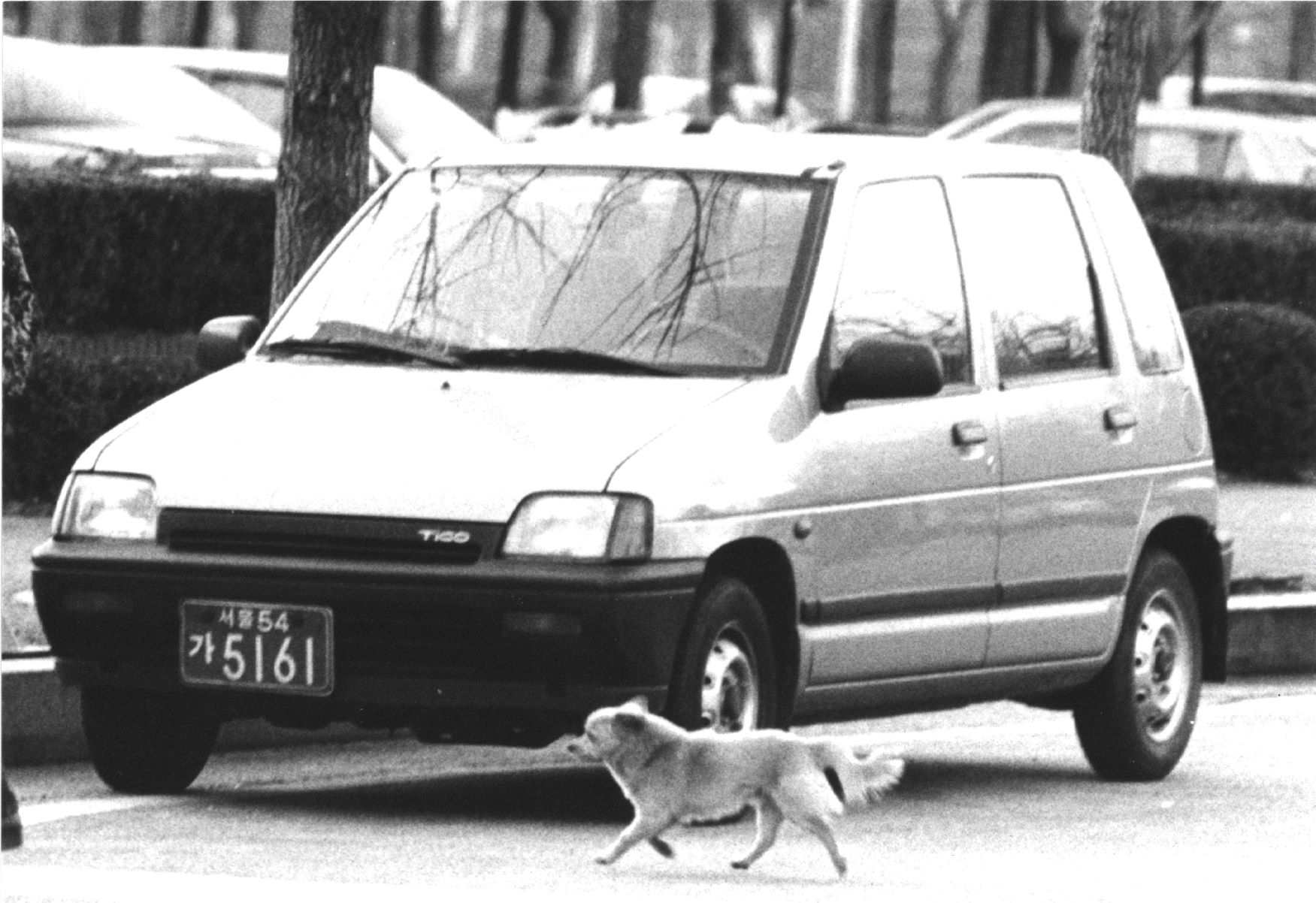
TEUM: Single Channel Video Show (Art Sonje Center, Seoul, November 21–December 20) is held. Participating artists Park Hwayoung, Seo Hyunsuk, and Hong Sungmin present single-channel video works that convey specific images and narratives through a single screen. Individual works...
-
1998
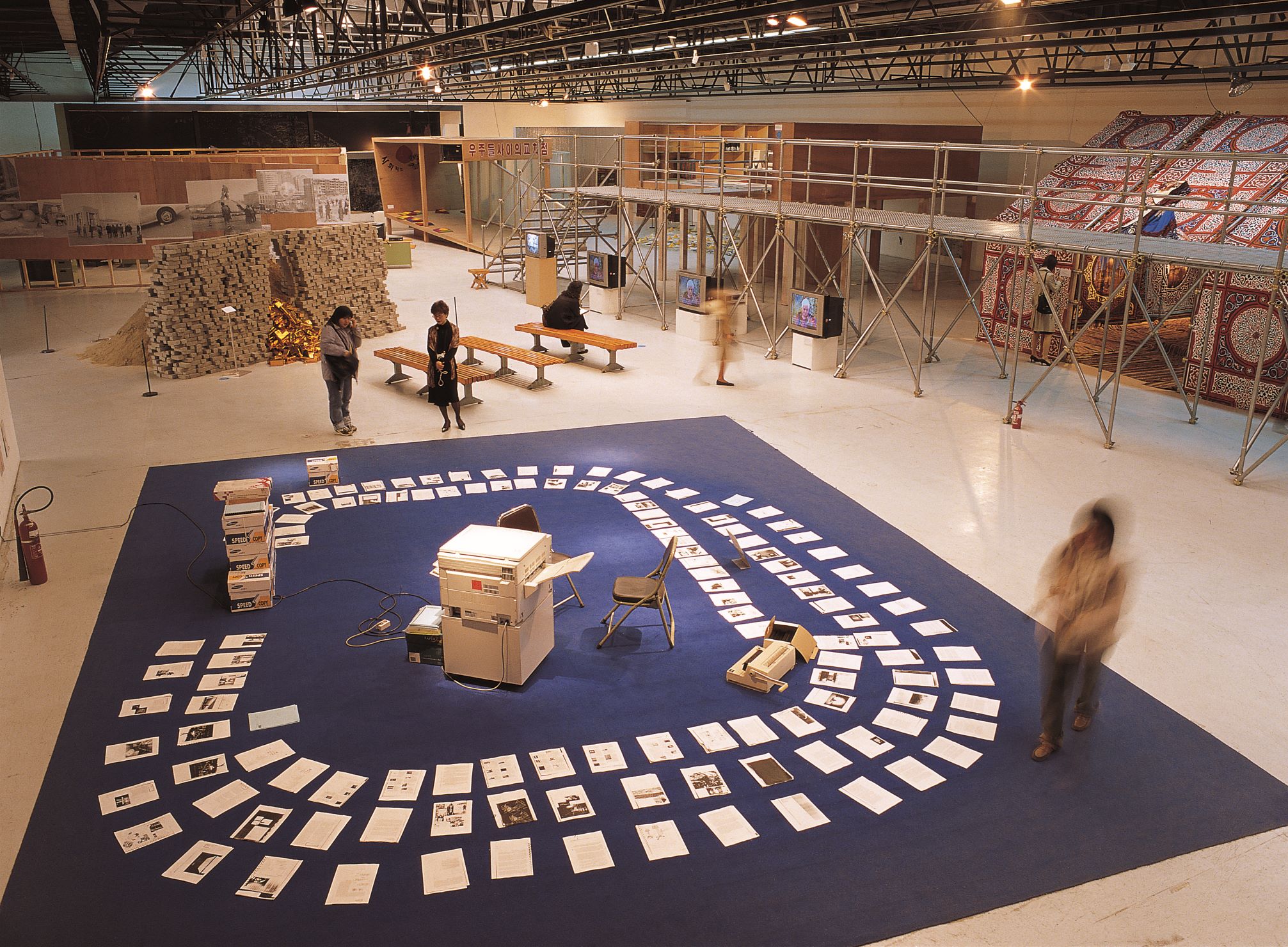
by Min Sunjoo. A total of seventy-three artists participate, including Ahn Kyuchul, An Seunh-Urp, Bahc Yiso (Bahc Mo), Bun-Zinn Joh, Choi Minhwa, Chung Soleil, Chung Suejin, Electronic Billboard Art (Choi Eunkyoung, Kim Yoon), Group Owl (Kim Kiduck, Lee Byungok, Jung Sejin), Ham Kyungah, Ham...
-
1998
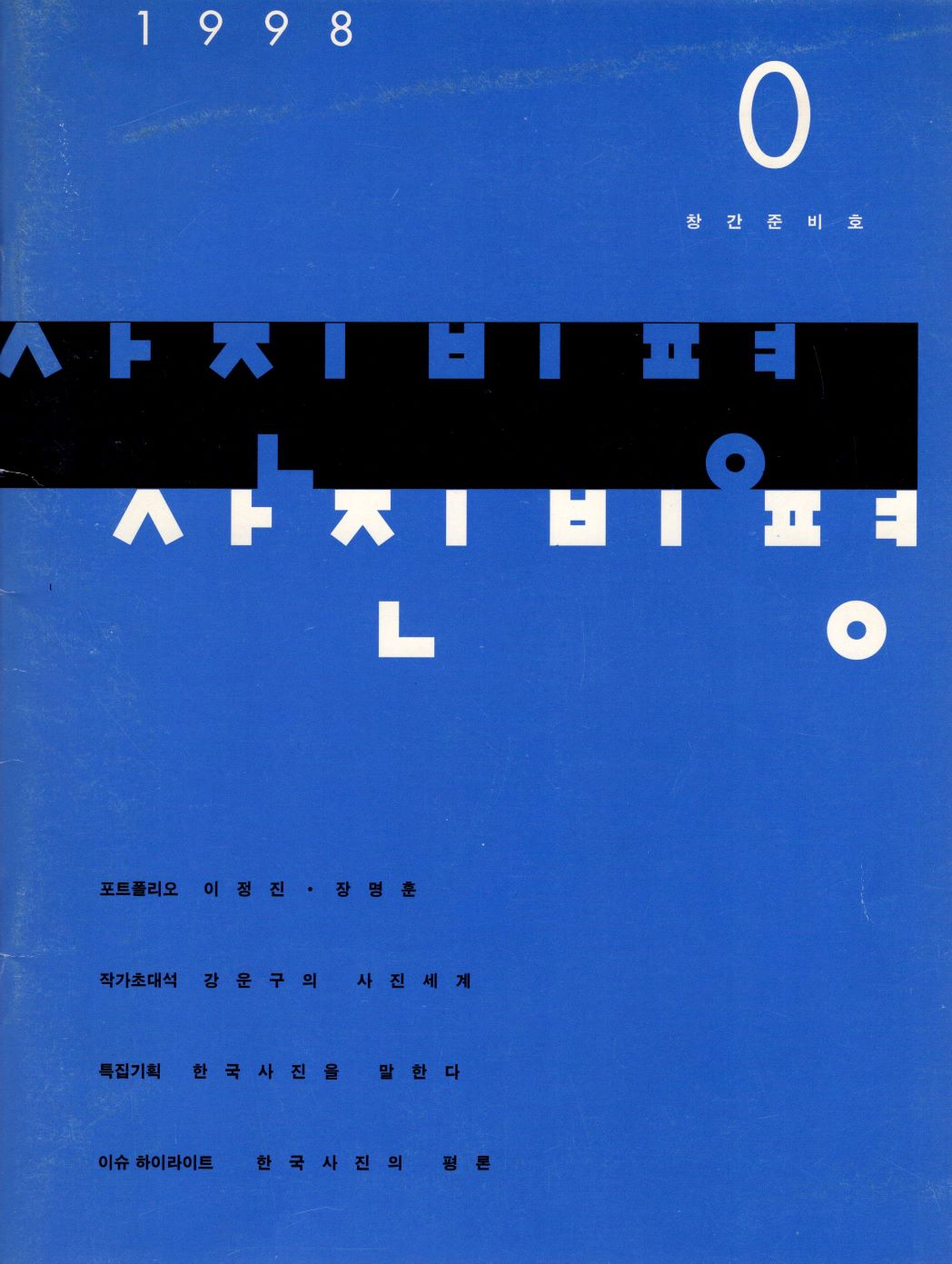
Sajin Bipyong Publishing, led by CEO Im Hyang-ja, launches the quarterly journal of photography criticism Sajin Bipyong in conjunction with the “Year of Photography and Video.” The editorial board consists of Kim Seung-gon, Lee Kyungmin, and Jin Dongseon. The journal...
-
1998
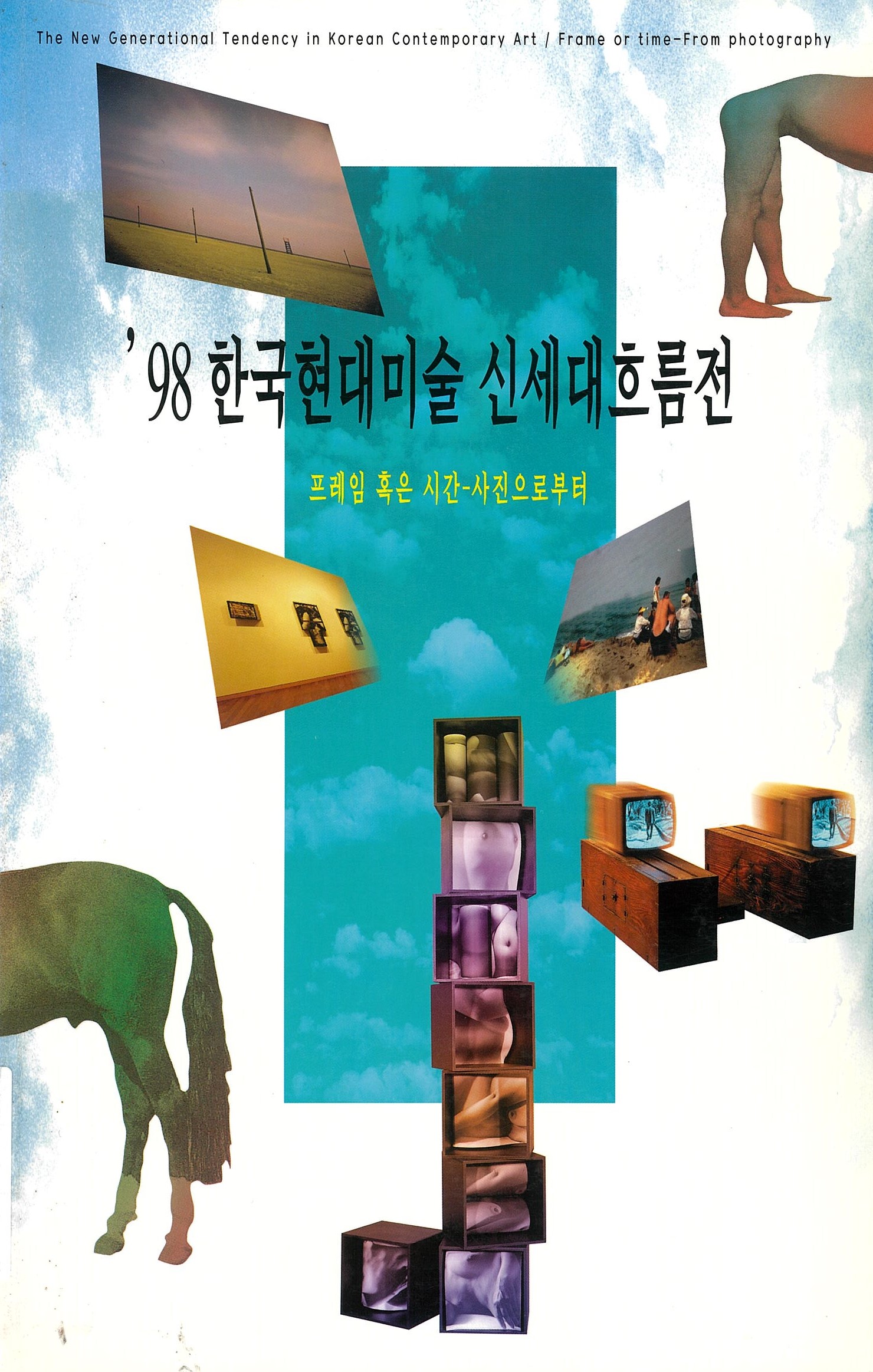
Kim Jangseop serves as commissioner, and a total of fourteen artists participate, including Bang Jihyun, Hong Su-ja, Kang Hong-goo, Kim Hyunhee, Kim Hyunpil, Kwon Jungjoon, Kwon Soonpyeong, Lee Sangyun, Park Hongchun, Park Jinho, Park Youngseun, Shin Minjoo, Yang Manki, and Yook Taejin.
-
1998
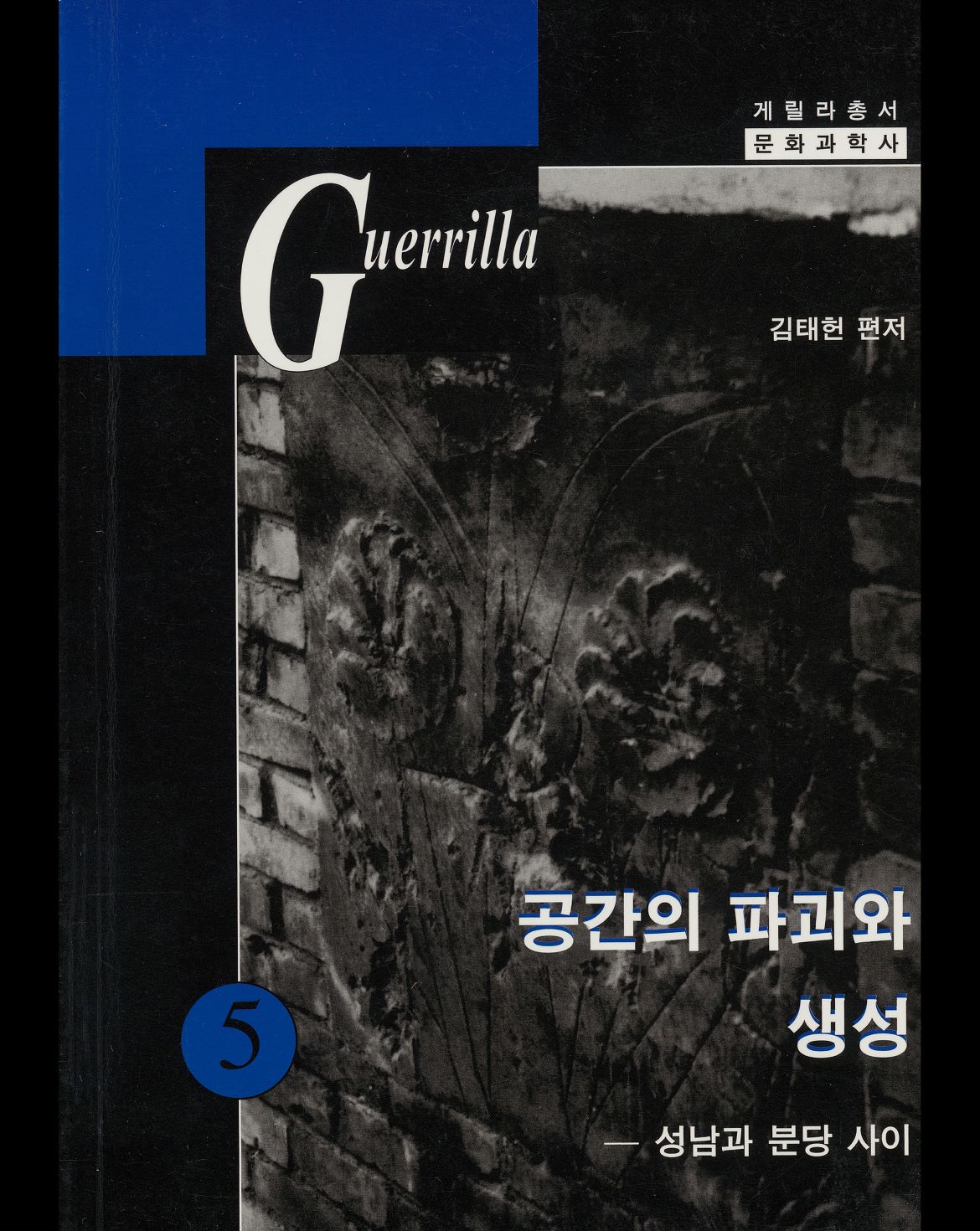
The Sungkok Art Museum selects Kim Taeheon as the first artist in its discovery and support program "Artist of Tomorrow" and presents the exhibition Destruction and Formation of Space: Between Seongnam and Bundang (March 5–29). This exhibition leads to the formation of...
-
1997
The feminist artist group Ipgim is formed. Its founding members are Ha Insun, Je Miran, Jung Jungyeob, Kim Myungjin, Kwak Eunsook, Ryu Junhwa, Woo Shinhee, and Yoon Heesu. The name signifies the idea that “women come together to breathe warmth into society and bring about change.” The...
-
1997
The Kim Swoogeun Foundation (Chairman: Lee Kyungsung) establishes the Seoul School of Architecture at the Space Group building in Jongno-gu, Seoul. The school is founded with the aim of fostering the next generation of architects to lead international architectural culture and providing continuing...
-
1997
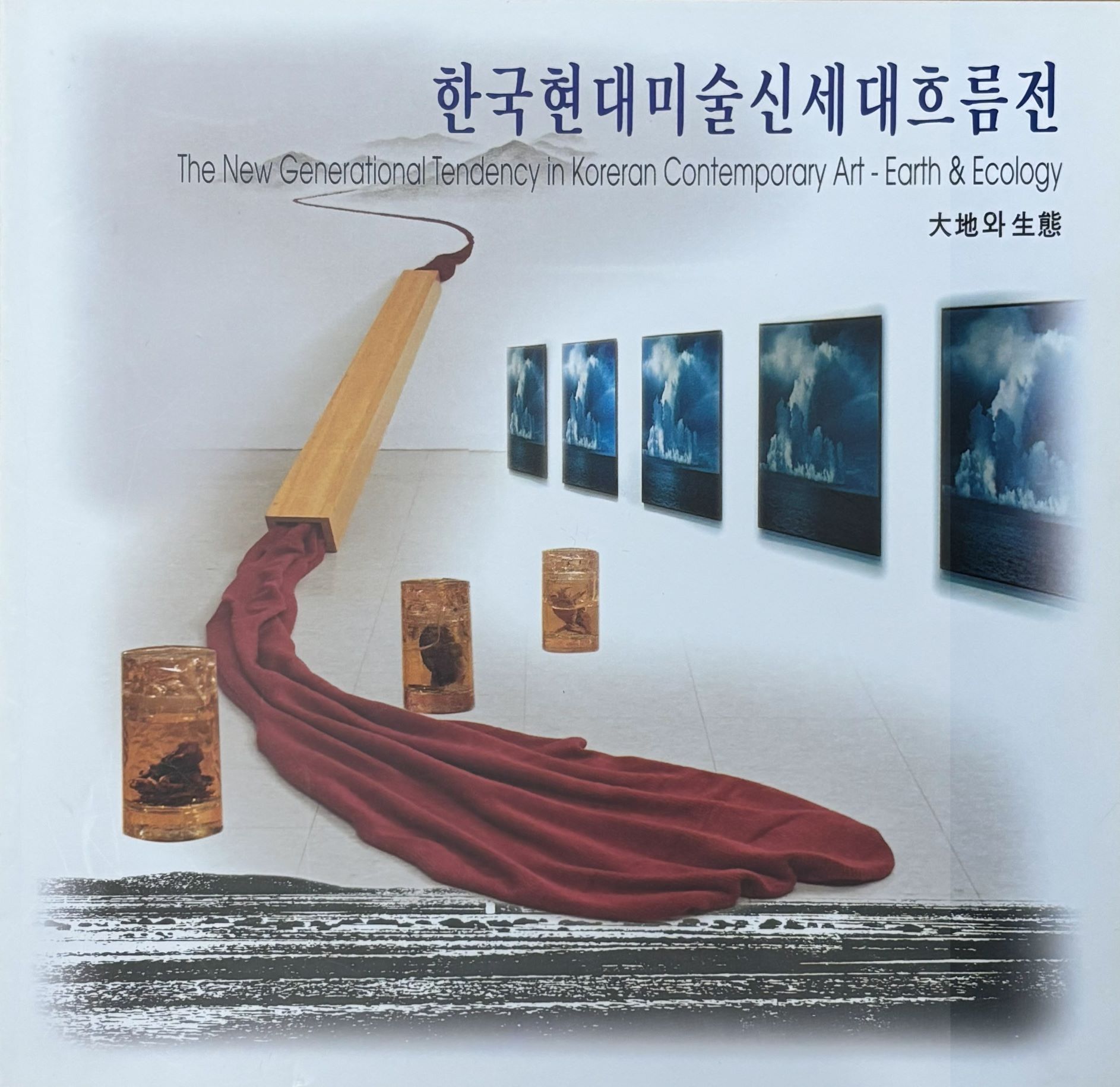
in a formative context. Jeong Youngmok serves as commissioner, and fourteen artists participate including Chae Mihyun, Hong Donghee, Hwang Hyesun, Hwang Jae-sook, Jeon Yongseok, Jung Yonghun, Kang Kitae, Kim Hyungkwan, Kim Jun, Kim Mukee, Kim Myoung-hye, Kim Wonil, Shin Yicheol, and Yoo Youngho.
-
1997
The Second Gwangju Biennale, Unmapping the Earth (Jungoe Park Culture Belt, Gwangju, September 1–November 27) is held. Yu Jun-sang serves as the chairman of the organizing committee, and Lee Youngchul is the exhibition director. A total of seventy-eight artists from thirty-five countries...
-
1997
The Forty-seventh Venice Biennale (June 15–November 9) is held. Directed by Germano Celant under the theme “Future, Present, Past,” the exhibition features approximately 190 participants from 58 countries. Oh Kwang-su serves as commissioner of the Korean Pavilion and selects Kang...
-
1997
Curated by Kim Sunjung, Fei Dawei, and Shimizu Toshio, Korea, China, and Japan, Promenade in Asia (Shiseido Gallery, Tokyo, January 17–February 8) is held. A total of seven artists participate, including Kim Beom, Suh Doho, Sone Yutaka, Choi Jeonghwa, Cai Guoqiang, Zhou Tiehai, and...
Essays
-
Lee Yil
Thinking White?
Lee Yil Thinking White? It has been not long since contemporary Korean art was introduced to Japan. The first exhibition of modern Korean art in Japan which reflected the general situation and broad aspects of recent trends was the one held in 1968 at the Kyoto National Museum of Modern Art under...
-
Lee Yil
Contemporary Art as an Art of Participation Rather than of Resistance
Lee Yil Contemporary Art as an Art of Participation Rather than of Resistance The dazzling outpouring of vitality—referred to as “Hot Abstraction” or “Lyrical Abstraction”—entered a critical juncture in the 1960s, confronting history with its summation....
-
Lee Yil
Toward a New Perspective
Toward a New Perspective Lee Yil From a purely art-world standpoint, it can be said that in recent times a series of highly encouraging phenomena has appeared. In short, this may be described as a historical consciousness of solidarity binding the younger generation together, and, through that...
-
Lee Yil
Change, Search, and Experiment: Ten Years of Korean Contemporary Painting
Seungjio, Kim Sooik, Shin Kiock, Choi Changhong, Lee Sangrak, and Ham Sup, consisted of painters belonging to the so-called “Generation of April 19 Revolution” and represented the cohort that directly succeeded the Informel generation. These artists shared, first and foremost,...
-
Lee Yil
A Report on Visiting the Forty-Second Venice Biennale
A Report on Visiting the Forty-Second Venice Biennale Lee Yil It is rather unusual for an exhibition to open on a Sunday, but the official opening ceremony of the Forty-Second Venice Biennale, held in 1986, was scheduled for Sunday, June 29, at 11 a.m. To make matters more complicated,...
-
Shin Chunghoon
Korean Art after the “Contemporary Art System”: Rebellion of Space (1995), Global Conceptualism (199
In the 1980s, ‘contemporary art’ became routinized, circulating as an everyday term stripped of its earlier charge. Yet beyond the boundaries of official institutions, the term came under unprecedented critique. It came to designate the dominant tendencies of 1970s Korean art, which were...
-
Kim Yujin
From Gwacheon to Seoul: Commemorative Exhibition of the Opening of the New Museum at MMCA Gwacheon (
Among the many exhibitions organized by the National Museum of Modern and Contemporary Art, Korea (MMCA) to commemorate the opening of new venues, two are of particular interest here: the Commemorative Exhibition of the Opening of the New Museum held in 1986 to mark the opening of the MMCA Gwacheon,...
-
Kim Yujin
The Expansion of the MMCA Venues: Inaugural Exhibition(s) Commemorating Each Opening
The term “commemoration” is defined as “the act of remembering and cherishing in one’s heart for a long time a meaningful event or an admirable figure it.”1 Various events intended to recall the significance of the figure or occasion may be held on an annual basis,...
-
Kim Yujin
From Gwacheon to Seoul: MMCA Seoul’s Beginning of New Era (2009)
The year 2009 marked the fortieth anniversary of the inauguration of the National Museum of Modern and Contemporary Art, Korea (MMCA). It was also the year in which the museum faced a major transformation with its spatial expansion into Seoul. Since the inauguration of the MMCA Gwacheon in 1986, the...
-
Shin Chunghoon
Toward Contemporary Art: Hyundae Fine Artists Association Exhibition (1957), Union Exhibition of Ko
In the 1950s, the Korean art world witnessed the simultaneous emergence of exhibitions, lectures, and writings that explicitly foregrounded “contemporary art” (hyeondae misul). Never before had the term so thoroughly dominated artistic discourse or carried such weight of expectation....
-
Shin Chunghoon
Toward ‘Korean Contemporary Art’: Korea: The Trend for the Past 20 Years of Contemporary Arts (1978
Fueled by the economic growth generated by industrialization and urbanization in the 1970s, Korea witnessed the full-scale consolidation of its art institutions. The establishment of the National Museum of Modern Art, Seoul (now MMCA) in 1969, the successive openings of private galleries beginning...
-
Jeon Yushin
Reflection of Socio-Political Realities: Across the Pacific (1993), Facing Korea (200
major artists associated with the Minjung art movement, including Shin Hakchul, Min Joungki, and Choi Minhwa. This curatorial orientation was likewise reflected in the contemporary Korean art exhibitions organized by ARKO in which Beck participated while serving at both institutions. Beck Jee-sook...
-
Tiffany Yeon Chae
From a Site of Memory to a Global Platform: The Founding of the Gwangju Biennale and Beyond the
The development of international biennales can generally be divided into three waves.1 The Venice Biennale, which began in 1895, represents the Eurocentric art system, while Documenta in Kassel, Germany, launched in 1955, developed within the context of postwar Germany and reconstruction. Beginning...
-
Tiffany Yeon Chae
Postcolonial Subjects in the Age of Globalisation: Unmapping the Earth (1997) and Annual
critical issues in post-1980 Korean art, scholars and critics including Park Chan-kyong, Lee Youngwook, Sim Sang Yong, Seo Dongjin, and Moon Young Min engaged in presentations and discussions. A symposium was also convened under the theme of “Formations of Global Civil Society and Domains of...
-
Jeon Yushin
Korea’s First Generation of Curators and the Overseas Exhibitions of Contemporary Korean Art
Exhibitions intended to introduce contemporary Korean art abroad have been held since the 1950s; however, the 1990s are widely regarded as a turning point in the history of such efforts. From this period onward, the number of exhibitions of contemporary Korean art held internationally increased...
-
Jeon Yushin
Naturalism and Eastern Tradition: Working with Nature (1992), The Tiger’s Tail (1995),
The exhibition Working with Nature: Traditional Thought in Contemporary Art from Korea, jointly organized by the National Museum of Contemporary Art, Korea (now National Museum of Modern and Contemporary Art, MMCA) and Tate Liverpool in 1992, featured works by six prominent Korean artists of...
-
Mok Soohyun
“Modern Art” in the Context of Korean Art The Posthumous Exhibition of Three Artists — Kim Junghyun,
(1927), to later works like Kim Whanki’s Rondo (1938) and Moon Shin’s Self-portrait (1943).3 It presented not only works produced before liberation but also contemporaneous pieces, offering a wide-ranging perspective on the historical trajectory of Korean art. It marked the beginning of...
-
Mok Soohyun
60 Years of Modern Korean Art (1972): Categorizing Modern Art in Korea
Following the establishment of the National Museum of Modern Art (now National Museum of Modern and Contemporary Art, MMCA) in 1969 at the Gyeongbokgung Palace Museum, the exhibition 60 Years of Modern Korean Art (June 27–July 26, 1972) was held as an effort to build its collection and...
-
Mok Soohyun
Defining the Period and Scope of “Modern Art”: Glimpse Into Korean Modern Exhibition Series (1997–2
chrysanthemum, and bamboo), still life, animal paintings, and figure painting. For example, the flower-and-bird section spans from Shin Myeong-Yeon’s Flower and Bird (nineteenth century) to Park Saengkwang’s Peony (1969); the landscape section from Heo Ryeon’s Landscape (1877) to...
-
Kim Hong-Ki
The Korean Pavilion at the Venice Biennale (1995–1997): Globalizing the Aesthetic Traditions of Kore
Although the official exhibitions of the Korean Pavilion at the Venice Biennale, established in the Giardini Park, Venice, began in 1995, Korea's engagement with the Biennale has an earlier history, with four participations up to 1993. Before the inauguration of the dedicated national pavilion...
Art Terms
-
Women's art [yeoseong misul]
Western ideas of feminist art, which were not in line with Korean conditions. They devised the term yeoseong misul as an alternative. Oh Hyejoo and Min Hyesook defined yeoseong misul as distinct from yeoryu misul, and the former was not merely an expression of femininity but rather art for...
![Women's art [yeoseong misul] 이미지](/admin/uploadGoods/thumb/thumb_0fa44476-4c0d-4bd7-9309-a5a4913f12e7.jpg)
-
Cultural Exhibition in Commemoration of Korean Lib
The Cultural Exhibition in Commemoration of Korean Liberation was held from August 12 through 17, 1946 at the Dong Hwa Gallery with the participation of twenty-four organizations under the Korea Federation of Cultural Organizations [Joseon munhwa danche chong yeonmaeng] in celebration of...
-
100 Years, Architecture of Korea
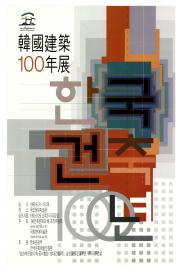
100 Years, Architecture of Korea was a special exhibition on the theme of modern and contemporary Korean architecture held at the National Museum of Contemporary Art, Korea (now MMCA) from August 31 to October 28 in 1999 under the auspices of the '99 Year of Architecture Organizing...
-
War Documentation Art Exhibition
War Documentation Art Exhibition was the third exhibition of the war correspondent painters, who were part of the Ministry of Defense during the Korean War. It was held from September 28 to October 4, 1951 at the former diplomatic club building in the provisional wartime capital of Busan....

-
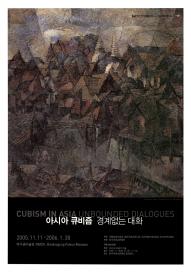
Cubism in Asia: Unbounded Dialogue
Cubism in Asia: Unbounded Dialogues was a touring exhibition co-organized by the National Museum of Contemporary Art, Korea (now MMCA); the Japan Foundation; the National Museum of Modern Art, Tokyo; and the Singapore Art Museum, and held in Japan, Korea, and Singapore between 2005 and...
-
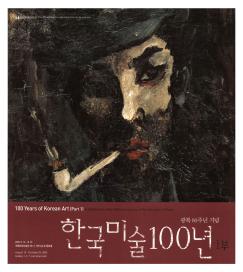
100 years of Korean art
100 Years of Korean Art was a special exhibition held at the National Museum of Contemporary Art, Korea (now MMCA) to commemorate the sixtieth anniversary of Korea's independence. It offered an overview of Korean art from 1905 to 2005 in two parts. Art historian Kim Hyunsook...
-
Gyeongbuk Art Exhibition
The Gyeongbuk Art Exhibition was a group exhibition organized by the Gyeongbuk Culture Construction Federation [Gyeongbuk munhwa geonseol yeonmaeng] and held from March 1 to 10, 1946 at the Daegu Public Hall. A Gyeongbuk regional branch of the Central Committee for the Construction of...
-
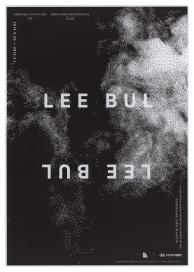
MMCA Hyundai Motor Series
MMCA Hyundai Motor Series is an annual exhibition event that has been organized by the MMCA and sponsored by Hyundai Motor Company for ten years since 2014, featuring large-scale solo exhibitions of mid-career Korean artists. It began in November 2013, when Hyundai Motor Company announced a ten-year...
-
National Folk Museum of Korea
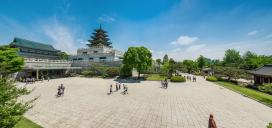
The National Folk Museum of Korea is located within the precincts of Gyeongbokgung Palace on Samcheong-ro, Jongno-gu, Seoul. Its predecessor was the National Museum of Ethnology (first director Song Seokha) established on November 8, 1945 at 2 Yejang-dong, Jung-gu, Seoul. In December 1950, it was...
-
Federation of Artistic and Cultural Organization o
The Federation of Artistic and Cultural Organization of Korea [Hanguk yesul munhwa dance chongyeonhaphoe; FACO] was established on January 5, 1961 in an effort to contribute to the development and international exchange of Korean art and culture and to promote the rights and interests of artists....
-
Portrait Photography Research Society of Seoul
Portrait Photography Research Society of Seoul [Seoul insang sajin yeonguhoe; PPRSS] is an organization of photographers founded in October 1946 in Seoul. Hyun Ilyeong served as its president, and other members include Lim Sukje, Han Sanghui, Kim Jinhae, Lee Changgyu, Kim Gwangbae, and Park Pilho....
-
Eastern Painting Research Institute
The Eastern Painting Research Institute [Dongyanghwa yeonguso] is an Eastern painting education institution located at 23, 2-ga Hoehyeon-dong in Seoul. It was founded in December 1948 by mid-career Eastern-style painters, Kim Kichang, Park Rehyun, Lee Geonyeong, Lee Seokho, Lee Palchan, Chung...

-
Korean Photography Alliance
The Korean Photography Alliance [Joseon sajin dongmaeng; KPA] was a leftist photography organization founded on June 13, 1947 at the Young Men’s Christian Association (YMCA) Hall in Jongno-gu, Seoul. Kim Jinsu, Lee Tae-ung, Lee Yongmin, and twenty other promoters gathered, held a founding...
-
Korean Applied Artists Association
include Paik Taewon, Park Daisoon, Yim Hongsoon, Bong Sangkyun, Kang Huisu, Paik Taiho, Lee Dongchan, Lee Shinja, Min Chulhong, and Kwon Giljung. The first member exhibition of the KAAA was held in May 1961 at the Korean Information Service Gallery, and the second edition was held three years later...
-
Korea Packaging Machinery Association
The Korea Packaging Technology Association (Hanguk pojang gisul hyeophoe, KPTA) is a private association established in 1966 in order to enhance the value of products by improving packaging technology and contribute to export promotion. The founding general meeting was held in October 1965, and the...
-
Hwang Jonggu
Hwang Jonggu (1919–2003) was a ceramist active from the second-half of the 1950s through the second-half of the 1990s. He was born as the son of the celadon master Hwang Inchun (1894–1950) in Seoul in 1919. He took a course at the annex of the Seto Institute of Ceramics in Japan in 1939....

-
Lee Seokho
Lee Seokho (1904-1971, pen name Ilgwan) learned Chinese classics and calligraphy at a young age and then studied painting under Kim Eunho. He received an honorable mention for his calligraphy at the sixth Joseon Art Exhibition [Joseon misul jeollamhoe] in 1927. He then made his presence known in...
-
Nature Art
Nature art refers to artistic activities where artists use natural objects or become a part of nature preferably in a desolate natural setting. The members of the YATOO Outdoor Field Art Research Association [Yaoe hyeonjang misul yeonguhoe; YATOO] founded in 1981 refused to present (exhibit) their...

-
Industrial Design and Packaging Promotion Act.
The Industrial Design and Packaging Promotion Act (No. 4321) was the new title given to the Design and Packaging Promotion Act (No. 3070), which was enacted in 1977, when it was amended in its entirety in 1991. When first enacted in 1977, the purpose of the Design and Packaging Promotion Act was to...
-
Enforcement Ordinance of the Design and Packaging
The Enforcement Ordinance of the Design and Packaging Promotion Act is a presidential decree (No. 9011) enacted in May 1978 to prescribe matters necessary for the implementation of the Design and Packaging Promotion Act enacted in December 1977. It mainly discussed activities of the Design and...
Features
-
Korean Art and Exhibition Histories: The Modern / Contemporary
Kim Yujin, Mok Soohyun, Shin Chunghoon, Study Group 2 │ Korean Art and Exhibition Histories: The Modern / Contemporary
Mok Soohyun, Defining the Period and Scope of “Modern Art”: Glimpse Into Korean Modern Exhibition Series (1997–2000)
Mok Soohyun, 60 Years of Modern Korean Art (1972): Categorizing Modern Art in Korea
Mok Soohyun, “Modern Art” in the Context of Korean Art The Posthumous Exhibition of Three Artists — Kim Junghyun, Gu Bonung and Lee Insung (1954) and Special Exhibition of Modern Korean Painting (1954)
Shin Chunghoon, Korean Art after the “Contemporary Art System”: Rebellion of Space (1995), Global Conceptualism (1999), You Are My Sunshine (2004)
Shin Chunghoon, Toward ‘Korean Contemporary Art’: Korea: The Trend for the Past 20 Years of Contemporary Arts (1978), Korea: Five Artists, Five Hinsek—White (1975), Korea: Facet of Contemporary Art (1977)
Shin Chunghoon, Toward Contemporary Art: Hyundae Fine Artists Association Exhibition (1957), Union Exhibition of Korean Young Artists (1967)
Kim Yujin, From Gwacheon to Seoul: MMCA Seoul’s Beginning of New Era (2009)
Kim Yujin, From Gwacheon to Seoul: Commemorative Exhibition of the Opening of the New Museum at MMCA Gwacheon (1986)
Kim Yujin, The Expansion of the MMCA Venues: Inaugural Exhibition(s) Commemorating Each Opening
-
Korean Art and Exhibition Histories: Globalization
Bae Myungji, Jeon Yushin, Kim Hong-Ki, Tiffany Yeon Chae, Study Group 2 │ Korean Art and Exhibition Histories: Globalization
Kim Hong-Ki, The Korean Pavilion at the Venice Biennale (1995–1997): Globalizing the Aesthetic Traditions of Korea
Kim Hong-Ki, A Study of the Korean Pavilion at the Venice Biennale (1999–2001): Particularity and Universality in Contemporary Era
Kim Hong-Ki, A Study of Korean Pavilion at the Venice Biennale (2003–2005): ‘Site-Specificity’ and articulating the ‘Here and Now’
Jeon Yushin, Reflection of Socio-Political Realities: Across the Pacific (1993), Facing Korea (2003), The Battle of Visions (2005), Activating Korea (2007)
Jeon Yushin, Naturalism and Eastern Tradition: Working with Nature (1992), The Tiger’s Tail (1995), and Leaning Forward, Looking Back (2003)
Jeon Yushin, Korea’s First Generation of Curators and the Overseas Exhibitions of Contemporary Korean Art
Tiffany Yeon Chae, Postcolonial Subjects in the Age of Globalisation: Unmapping the Earth (1997) and Annual Report (2008)
Tiffany Yeon Chae, From a Site of Memory to a Global Platform: The Founding of the Gwangju Biennale and Beyond the Borders (1995)
-
On Writing Timelines of Korean Art
Kang Min-gi, 1945–1953: Independence and “National Art” (Minjok Misul)
Kwon Heangga, 1953-1959: The Post-war Formation of Contemporary Art
Cho Soojin, 1960–1969: Avant-garde Activities and Development of the Art System
Kim Yisoon, 1970-1979: Transformation of the Art World and the Growth of “Korean” Art
Lim Shan, 1980–1989: Expanding Art Practices and the Narrative of the Times
Shin Chunghoon, 1990-1999: Korean Contemporary Art in Globalization
Cho Soojin, Kang Min-gi, Kim Yisoon, Kwon Heangga, Lim Shan, Shin Chunghoon, On Writing Timelines of Korean Art: The Roundtable
Cho Soojin, Kang Min-gi, Kim Yisoon, Kwon Heangga, Lim Shan, Shin Chunghoon, Study Group 1 │ On Writing Timelines of Korean Art: The Keyword
-
Korean Art and Exhibition Histories: Diversification of Media and Formats
Jang Seungyoun, Rethinking the Everyday Objects, Materials, and the Expansion of Media: This Kind of Art: Dishwashing (1994) and This Kind of Art: Nostalgia (1994)
Jang Seungyoun, The Emergence of “Image Producers” Who Perceive the Everyday and Interpret Reality: Apgujeong-dong: Utopia / Dystopia (1992) and Sub Document (1992)
Jang Seungyoun, The Sharp Emergence of Visual Culture — Memory, and History: Korean Art and Visual Culture After 1945 (1997)
Mun Hye Jin, From BlindSound to 404 Object not found: A Brief but Intense History of Korean Web Art
Mun Hye Jin, The Face of Hybridity: TEUM: Single Channel Video Show vs The Cross: Exhibition for Videography
Mun Hye Jin, Shifting from Technology Art to Video Art: The Early-to-Mid 1990s Video Landscape through the Work of Hong Sungmin
Jung Hyun, Daejeon as a Hub of Art and Science: The Daejeon Art and Science Biennale (2014)
Jung Hyun, Media and Technology in Korean Art of the 1990s
-
Contemporary art and Feminism
Hur Hojeong, The Curator’s Dilemma
Hur Hojeong, The Title of “Feminist Artists” and “Feminist Art”
Hur Hojeong, The Methodology of Questioning
Lee Jinshil, Bone and Wrapper: Moving Body Fragments
Lee Jinshil, Fishy Paintings: The Tentacular Sensibilities of Women Painters
Lee Jinshil, Labor and the Woman’s Body as a Battleground of Emotion
siren eun young jung, What Does Feminist Art/Artist Do? (1)
siren eun young jung, What Does Feminist Art/Artist Do? (2)
siren eun young jung, What Does Feminist Art/Artists Do? (3)
Kim Hyeonjoo, An Overview of South Korean Feminist Art
Kim Hyeonjoo, Traversing South Korea and the United States - Diaspora Women Artists Theresa Hak Kyung Cha and Yong Soon Min
Kim Hyeonjoo, Time to study Noh Wonhee
Hur Hojeong, siren eun young jung, Kim Hyeonjoo, Lee Jinshil, Contemporary Art and Feminism (Study Group 1 Roundtable)
Kim Hyeonjoo, An Overview of South Korean Feminist Art (Study Group 1 Presentation)

Sign Up for Email Updates