Search Results
Timeline
-
1999
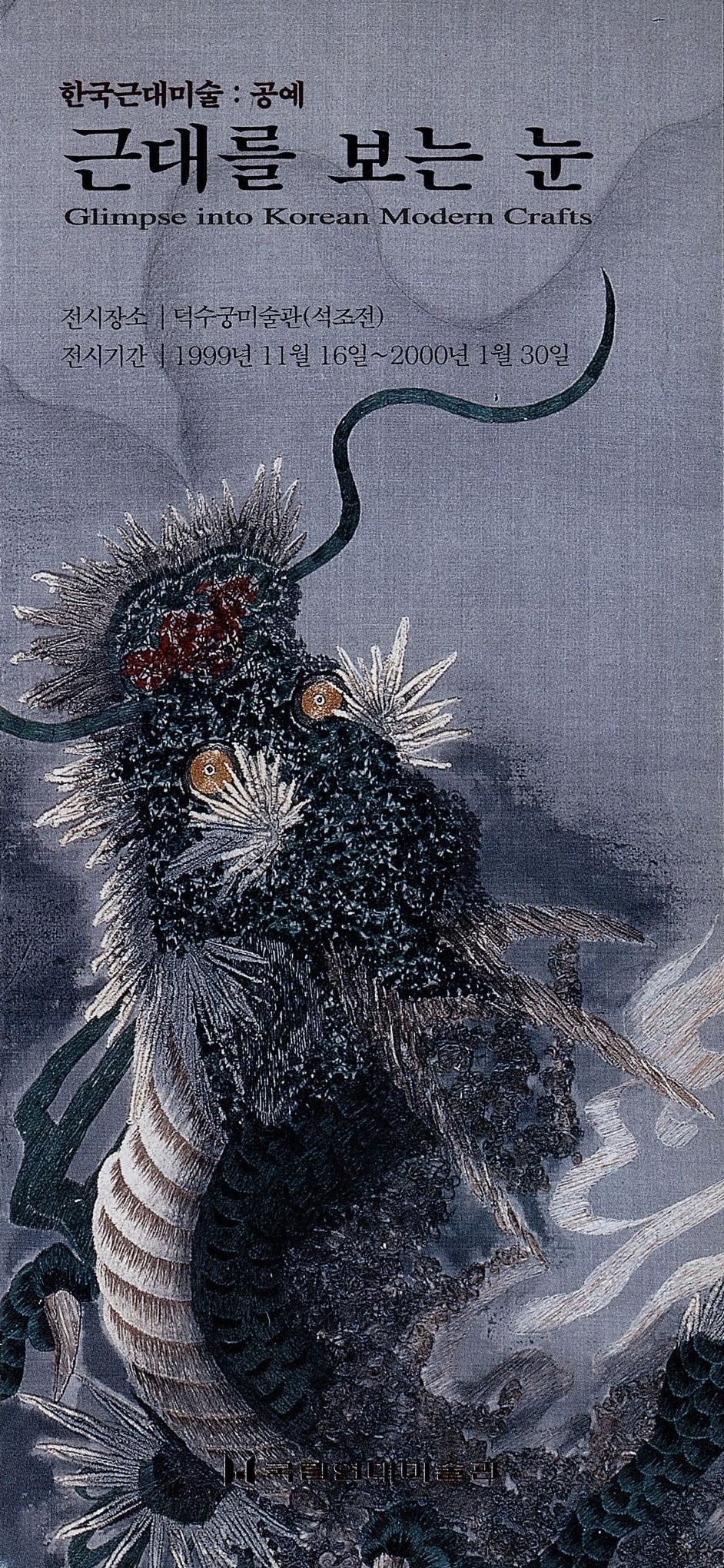
in the “Glimpse into Korean Modern” series, Glimpse into Korean Modern Crafts (National Museum of Contemporary Art, Deoksugung (now MMCA), November 16-February 6, 2000) is held. The exhibition surveys the origins and development of modern crafts as well as the transition toward...
-
1999
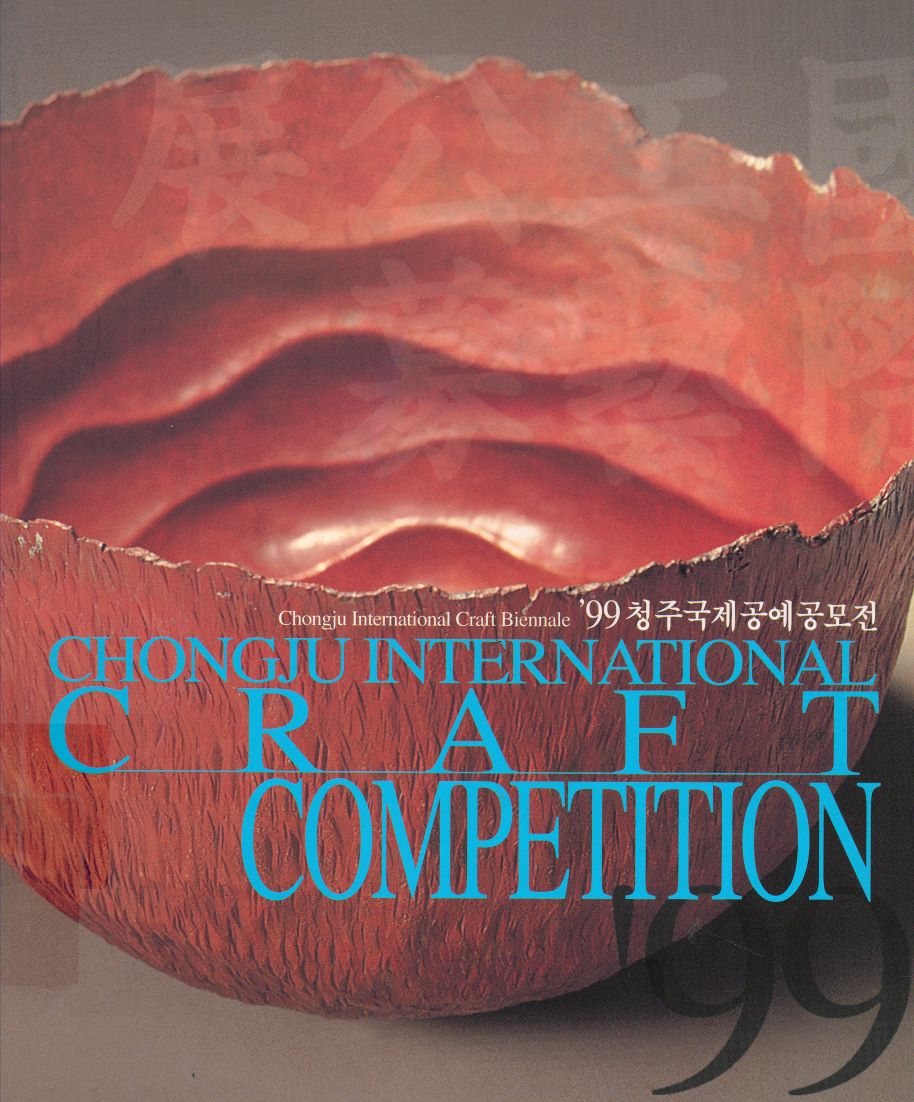
Na Gijeong, and the curator is Jang Dong-gwang. Under the theme "Hands of Harmony", the Biennale consists of Today’s World Contemporary Craft: International Invitational Exhibition, International Craft Competition, and an international academic symposium. The main...
-
1999
Younghae Chang Heavy Industries showcases Samsung, a flash animation consisting of texts and music, at the Ssamzie Space open studio in Jongno-gu, Seoul.
-
1998
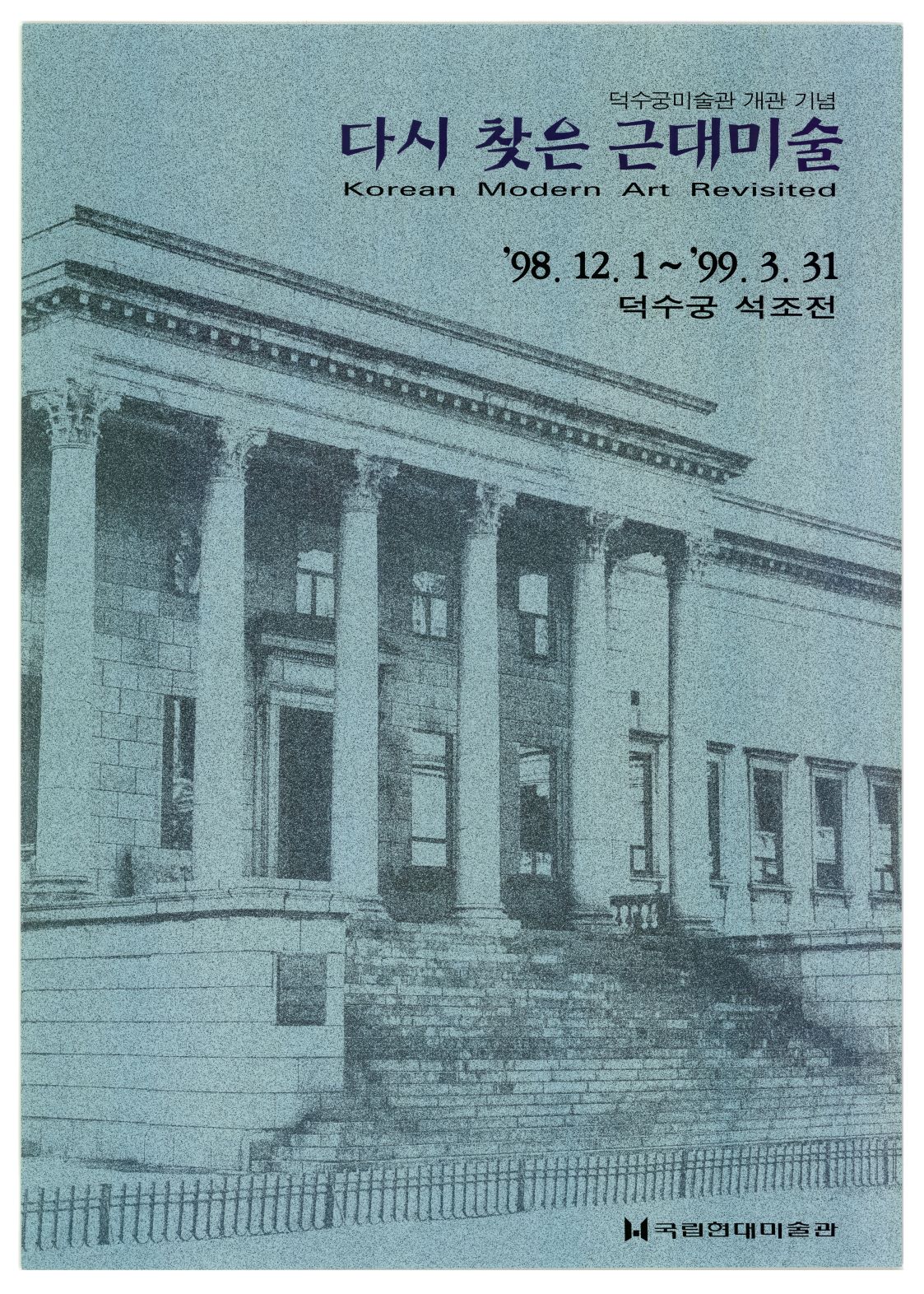
Contemporary Art presents Korean Modern Art Revisited (National Museum of Contemporary Art, Deoksugung (now MMCA), December 1–March 31, 1999). As an annex of the museum, the West Wing of Seokjojeon Hall at Deoksugung Palace is used as exhibition space on the second and third floors. A...
-
1998
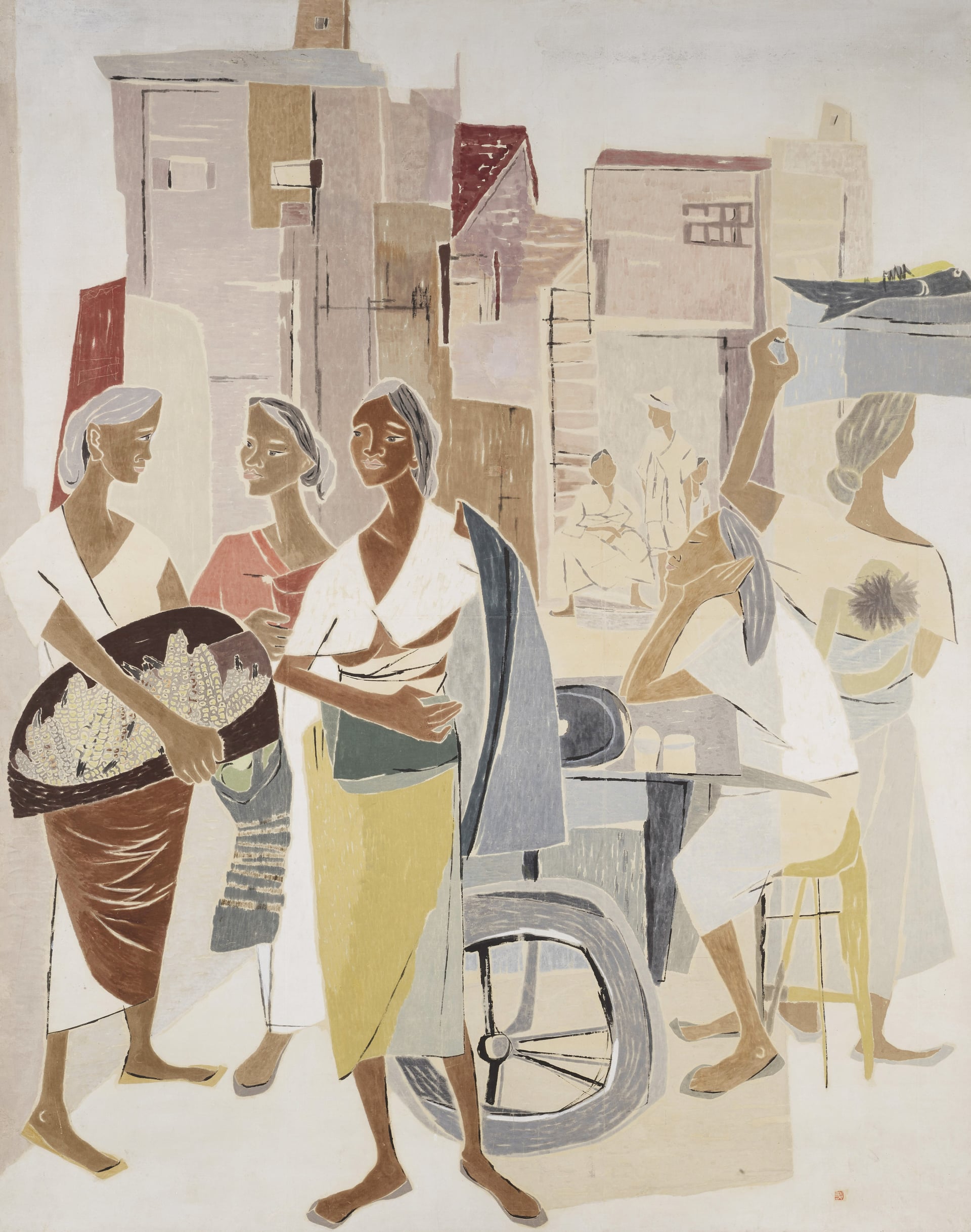
in the “Glimpse into Korean Modern” series, Glimpse into Korean Modern Ink Wash and Color Painting (National Museum of Contemporary Art, Gwacheon (now MMCA), September 4–November 4) is held. The exhibition surveys trends in ink and color painting from the late eighteenth...
-
1998
(Kukje Gallery, Sogyeok-dong, Jongno-gu, Seoul, January 16–February 7) is held. The exhibition presents installations using objects, such as Encore, Encore, Encore and Funny Game, as well as sculptures made of synthetic vinyl and air compressors, and video works.
-
1997
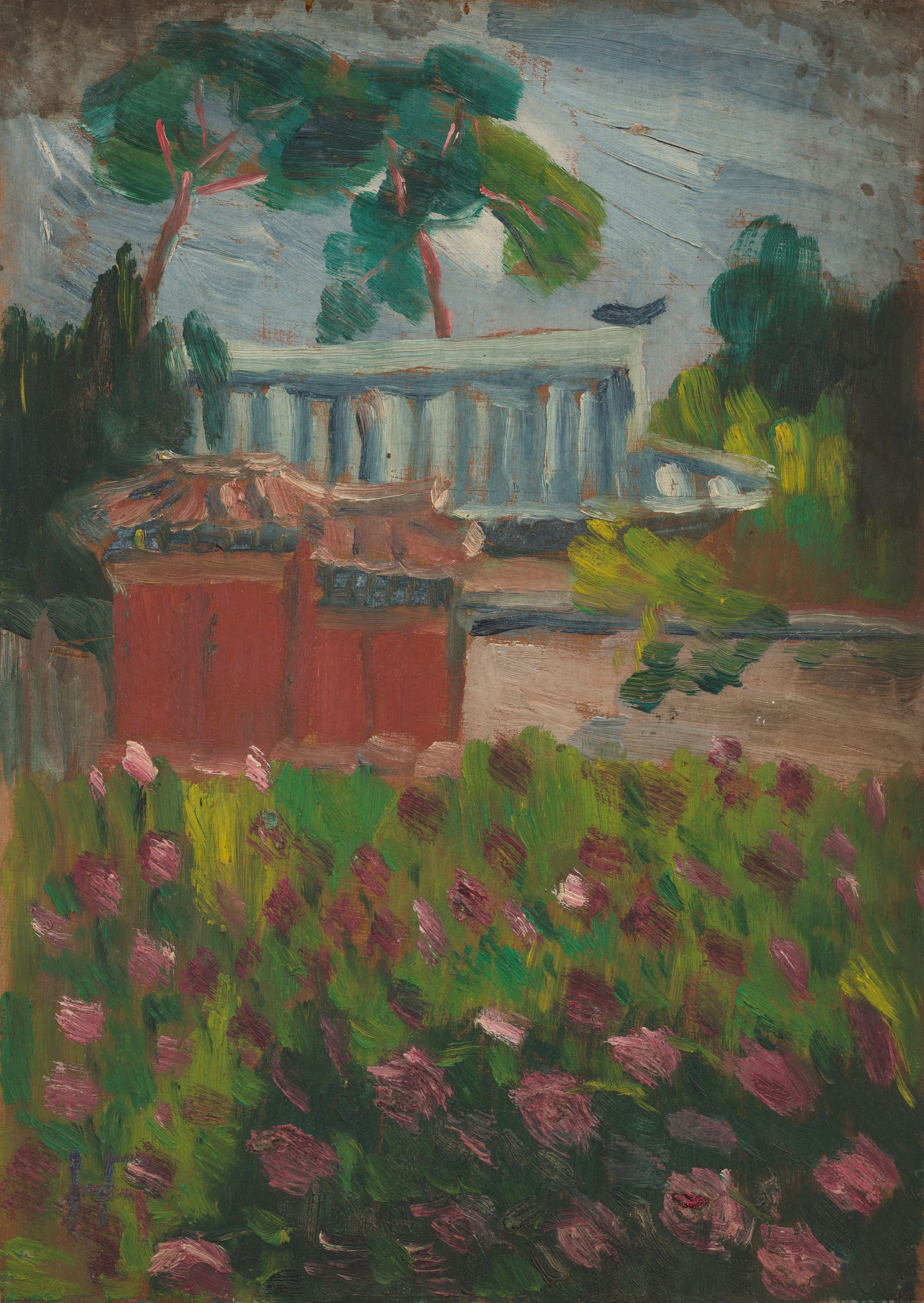
Glimpse into Korean Modern Oil Painting (National Museum of Contemporary Art, Gwacheon (now MMCA), December 9-March 10, 1998) is held. It is the first exhibition in the museum’s Glimpse into Korean Modern series, organized to establish a new understanding and...
-
1997
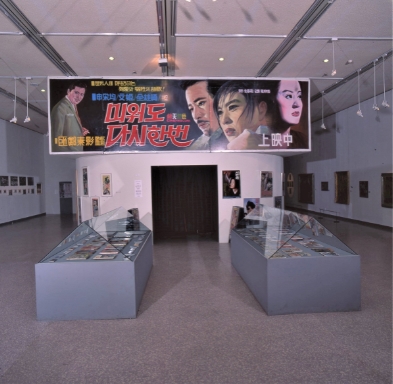
/> Special exhibitions include Memory and History: Korean Art and Visual Culture after 1945 (curated by Kim Jinsong), Nomadic Passages: Folk Beliefs and Korean Contemporary Art (curated by Park Youngtaek), Crossings East and West (curated by Yu Jun-sang), Gwangju...
-
1997
24, 1997). The “Projects Series” has been organized by MoMA since 1971 to introduce emerging artists and contemporary art. In 2006, it was renamed the “Elaine Dannheisser Projects Series” and has since presented works by approximately two hundred artists.
-
1997
by Kim Sunjung, Fei Dawei, and Shimizu Toshio, Korea, China, and Japan, Promenade in Asia (Shiseido Gallery, Tokyo, January 17–February 8) is held. A total of seven artists participate, including Kim Beom, Suh Doho, Sone Yutaka, Choi Jeonghwa, Cai Guoqiang, Zhou Tiehai, and Huang...
-
1995
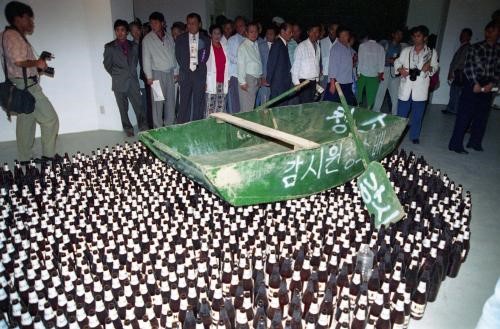
(Won Dongseok, Kwak Daewon), InfoART (Paik Nam June, Cynthia Goodman, Kim Hong-hee), Literati Painting and the Oriental Spirit (Chang Sukwon), Korean Contemporary Art Today (Seo Seong-rok, Yoon Jinsup), and Koreanness in Korean Modern Art (Youn Bummo).
-
1994
from 18 countries are presented. Korean artists Cho Duckhyun, Choi Jeonghwa, and Hong Sungmin participating. The Fukuoka Asian Art Show, an international exhibition introducing modern and contemporary Asian art, is held four times from 1979 to 1994 before concluding. It later continues, after...
-
1993
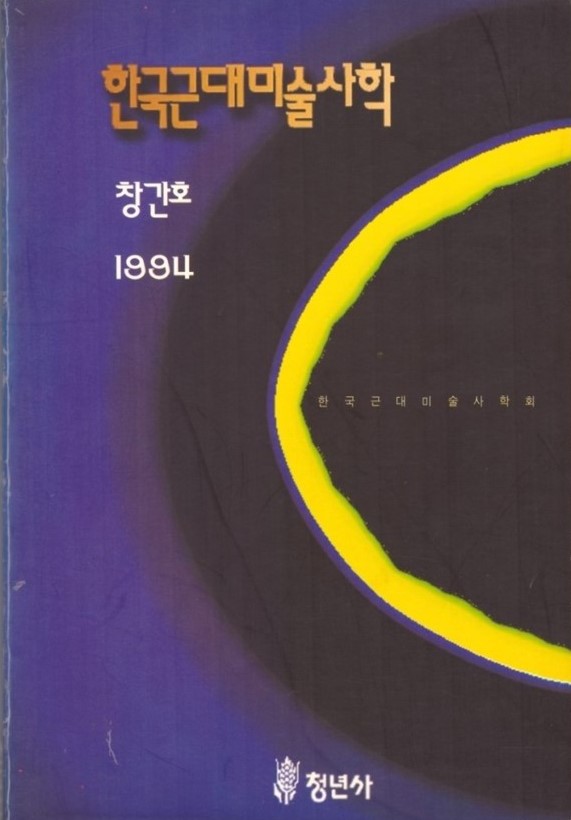
inaugural general meeting (Dong-A Gallery, Seoul, November 22). Youn Bummo serves as president, and the society consists of about forty members. In 2007, it changes its name to the Association of Korean Modern and Contemporary Art History and expands its scholarly focus to include contemporary art.
-
1993
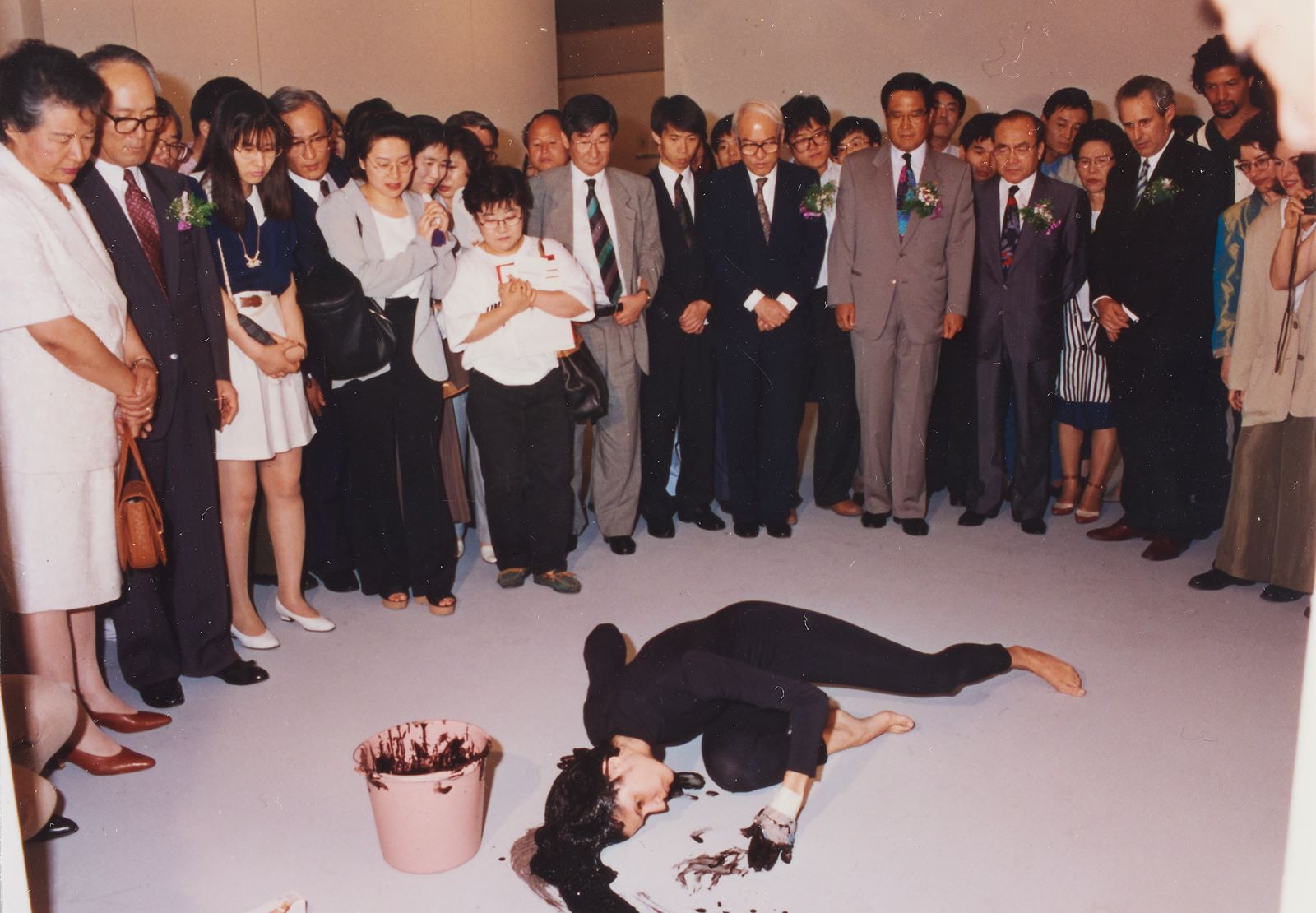
organized under the theme 'Borderline' and presents about one hundred works by sixty-one artists. It introduces contemporary American art that reflects multiculturalism, identity politics, and cultural activism. The exhibition is curated by David Ross and Elisabeth Sussman, with Kim Sunjung,...
-
1992
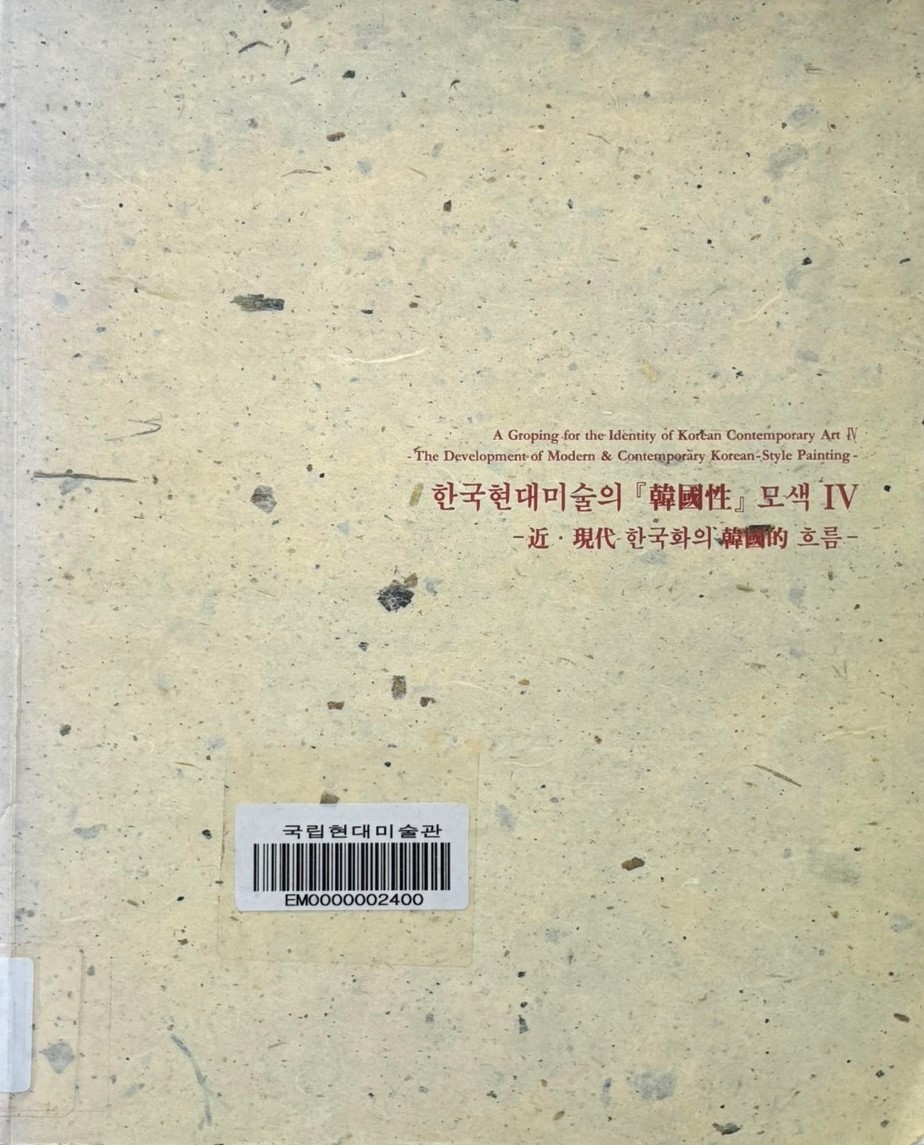
A Groping for the Identity of Korean Contemporary Art Ⅳ: The Korean Current of Modern and Contemporary Korean Painting (Hanwon Gallery, Seoul, March 12-April 18) is held. Divided into two sections, the exhibition features a total of fifty-five artists. Section 1 includes Ahn...
-
1992
of cultural productions across various fields, including art, literature, aesthetics, film, architecture, design, and music. Courses offered include “Korean History Class”, “Modern and Contemporary History of Korean Music”, “Cartoon Creation Workshop”,...
-
1986
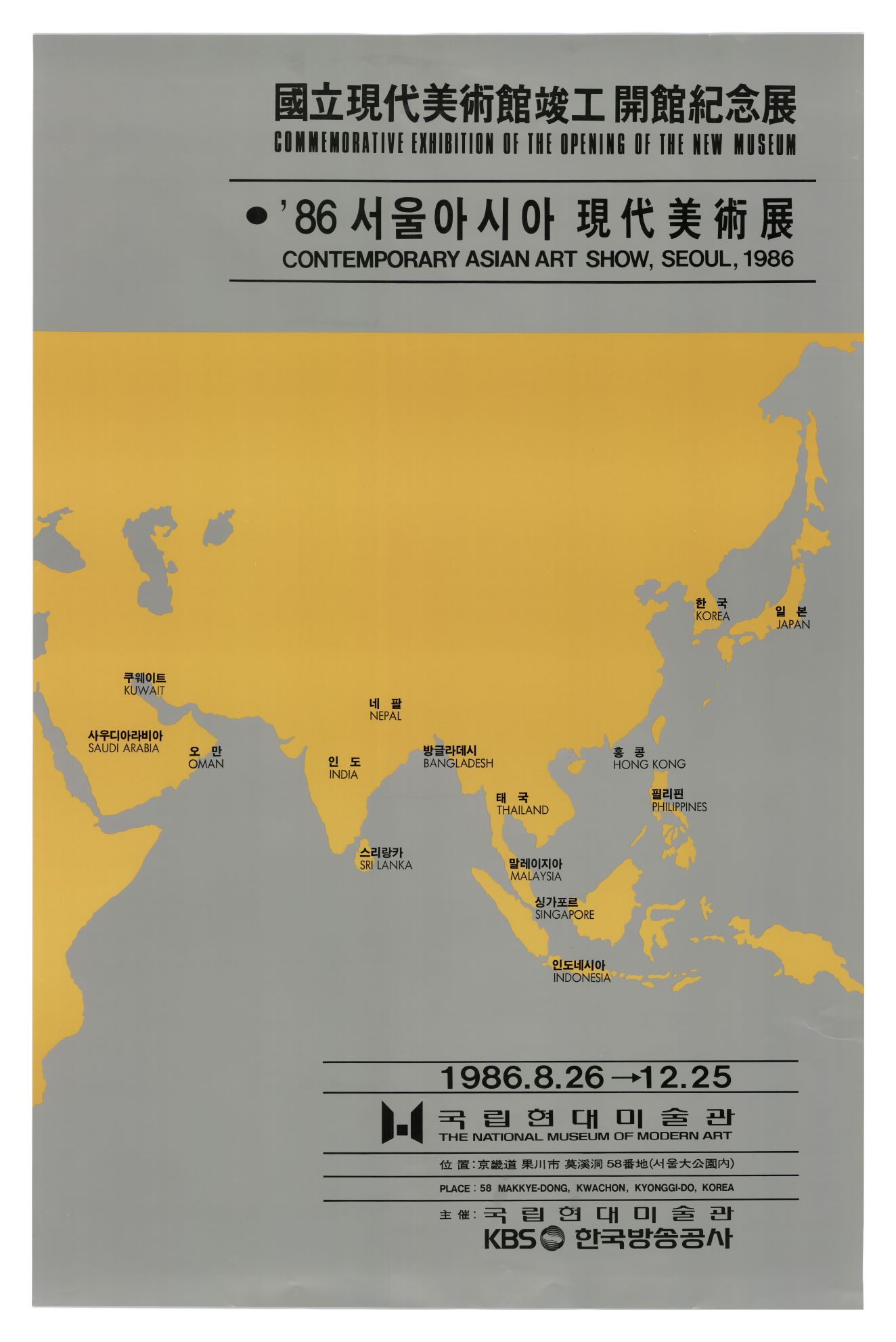
Gwacheon and holds the opening commemorative exhibition, Korean Art Today (MMCA, August 26-October 3), 20th Century Freanch Art (August 26-October 31), Frederic R.Weisman Collection (August 25-October 10), Contemporary Asian Art Show 1986 (August 26-December...
-
1985
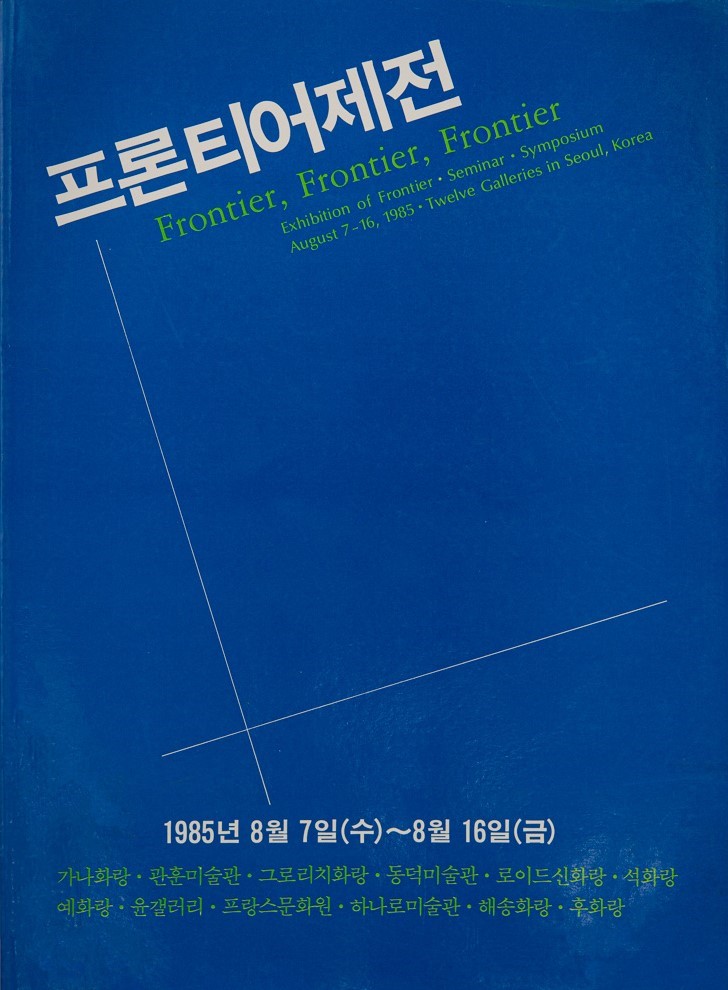
a lecture and discussion are held at the Korea Daily Auditorium on August 7. Presentations include Im Doobin’s "A Critical Perspective on the Spiritual Situation of Contemporary Art and Its Transcendence"; Seo Seong-rok’s "The Issues and Internal Critique of Minjung Art in...
-
1984
To commemorate the fifteenth anniversary of the National Museum of Modern and Contemporary Art, Korea (now MMCA), The Modern Korean Art Archives (National Museum of Modern Art, Deoksugung, December 4–30) is held. A total of 1,071 items are exhibited, including printed materials,...

-
1983
Contemporary Korean Art: One Aspect of the Late 1970s (Tokyo Metropolitan Art Museum, June 11–July 10; Tochigi Prefectural Museum of Fine Arts, July 17–August 14; National Museum of Art, Osaka, August 20–September 25; Hokkaido Museum of Modern Art, October...
Essays
-
Choi Eun-ju
Organizing the Exhibition for Artist of the Year: Jheon Soocheon
it Planet Series and attempts to explain through the symbol of planets the situation in which the spiritually wayward contemporary people are locked. The Planet Series is made up of 14 installations. The most representative works include Clay Icon in Wandering Planets-Korean's Spirit, Desire and...
-
Hong Jisuk
Newly Emergent Artist Groups of the Late 1950s and Their Significance: Focusing on the Modern Art As
of 1957 and Collective Art Movements On April 9, 1957, the first exhibition of the Modern Art Association was held at the Donghwa Gallery. Founded with the stated aim of addressing “the problem of contemporary painting” and positioning itself as an avant-garde force in that pursuit, the...
-
Lee Hyojin
The Significance of Encountering the Era of the Modern Art Association
encountered Cubism, Expressionism, Neo-Plasticism, and Suprematism, the Gukjeon-centered art world was no longer a viable arena for experimentation and development. Immediately a er liberation, the New Realism Group emerged as a collective that sought to overcome these institutional limitations and...
-
Won Dong suk
New Currents in 1980s Art —Beyond the Art of the 1970s
not affiliated with the aforementioned collectives, have risen through individual activity include Shin Hakchul and Son Sangki. In his 1982 solo exhibition, Shin appropriated contemporary techniques such as photomontage and collage to depict fragments of modern history and industrial reality through...
-
Lim Dae Geun
Traces of Being and Expanded Possibilities: The Last 20 Years of Contemporary Korean Printmaking
the works presented here were chosen through close consultation with the National Chalcography, The Royal Academy of Fine Arts, Madrid, in Spain and based on research materials accumulated over many years by the National Museum of Modern Art, Korea (now, MMCA) I believe that this selection offers a...
-
Lim Geun-jun
Contemporaneity and Generational Shifts in Korean Contemporary Art: 1987–2008
2008—and how the notion of “the now” might be redefined will be the subject of tomorrow’s discussion. *Source: Lim Geun-jun, “Contemporaneity and Generational Shifts in Korean Contemporary Art: 1987–2008,” in The 11th Academy of Modern and Contemporary Art...
-
Lee Yil
Thinking White?
White? It has been not long since contemporary Korean art was introduced to Japan. The first exhibition of modern Korean art in Japan which reflected the general situation and broad aspects of recent trends was the one held in 1968 at the Kyoto National Museum of Modern Art under the title of...
-
Lee Yil
Change, Search, and Experiment: Ten Years of Korean Contemporary Painting
of modern Korean painting. The difficulty, however, was that the sharper and more urgent such expressions became, the more rigorously artists were compelled to cultivate an acute awareness of their contemporary reality. At the same time, they were challenged to articulate more autonomous visions and...
-
Lee Yil
A Report on Visiting the Forty-Second Venice Biennale
events have been losing the prestige and authority they once enjoyed. Taking advantage of this moment, the Documenta in Kassel, Germany—a large-scale international exhibition of contemporary art held every four years—opened its doors. From the outset, Documenta adopted bold measures: it...
-
Lee Yil
Contemporary Art as an Art of Participation Rather than of Resistance
images of current events, as well as by film and comics. In the former, one encounters the typical products of modern civilization—advertisements, posters, magazine photographs, traffic signals, and images of stars—while in the latter, contemporary events are treated in the form of a...
-
Kim Inhwan, Oh Kwang-su, Lee Yil
The Dynamics of Expansion and Reduction
of Expansion and Reduction: On the Occasion of the 1970 AG Exhibition From the most basic forms to events unfolding as extensions of everyday life, or from the most primal and direct experiences to objects as concretions of ideas, today’s art appears to be undergoing an unprecedented...
-
Lee Yil
Toward a New Perspective
this was lacking, the only conclusion possible is that we were pursuing yet another kind of illusionism rather than living our own art. And there seems ample reason to think that such a conclusion has applied to much of contemporary Korean art up to now. With the founding of the Seoul Biennale, I...
-
Kim Yujin
From Gwacheon to Seoul: Commemorative Exhibition of the Opening of the New Museum at MMCA Gwacheon (
Among the many exhibitions organized by the National Museum of Modern and Contemporary Art, Korea (MMCA) to commemorate the opening of new venues, two are of particular interest here: the Commemorative Exhibition of the Opening of the New Museum held in 1986 to mark the opening of the MMCA Gwacheon,...
-
Kim Yujin
The Expansion of the MMCA Venues: Inaugural Exhibition(s) Commemorating Each Opening
is a commemorative act through which the individual joins and bonds with the community, and the museum serves as the ideal venue for conducting this commemorative ritual.2 The National Museum of Modern and Contemporary Art (MMCA), Korea, has held commemorative exhibitions in various forms, marking...
-
Kim Yujin
From Gwacheon to Seoul: MMCA Seoul’s Beginning of New Era (2009)
a hub for the comprehensive engagement with contemporary visual art. With the decision to establish MMCA Seoul finalized, Beginning of a New Era was held in the former DSC building in October 2009. Officially, the exhibition commemorated the fortieth anniversary of the inauguration of the National...
-
Shin Chunghoon
Toward Contemporary Art: Hyundae Fine Artists Association Exhibition (1957), Union Exhibition of Ko
a particular generation and its informel idioms weakened, the term itself broadened into a more generic designation, coming to denote artistic production of the period at large. Exhibitions such as Contemporary Korean Painting (National Museum of Modern Art, Tokyo, 1968) and Ten Korean Contemporary...
-
Shin Chunghoon
Korean Art after the “Contemporary Art System”: Rebellion of Space (1995), Global Conceptualism (199
could function as vehicles of political rhetoric. By confirming that realist approaches could hold legitimate citizenship within the field of contemporary art, these exhibitions offered historical and institutional validation for the emergence of Minjung Art. The fissures in the “regime of...
-
Shin Chunghoon
Toward ‘Korean Contemporary Art’: Korea: The Trend for the Past 20 Years of Contemporary Arts (1978
a shift he described as marking the “transition from modern art to contemporary art.”2 Although the diverse artistic experiments that emerged in the Korean art field of the 1970s varied in form, they remained closely aligned with the renewed discursive field of anti-illusionist and...
-
Tiffany Yeon Chae
Postcolonial Subjects in the Age of Globalisation: Unmapping the Earth (1997) and Annual
through the complex cultural-political strategies of postcolonial subjectivity. For the postcolonial state the pressure to modernize and develop not only the superstructure of the state, but also the substructure of culture became the contemporary manual for exiting peripheralization....
-
Tiffany Yeon Chae
What Can a Biennial Become Here and Now? Two Curatorial Experiments: MAN + SPACE (2000) and P_A_U_S_
Biennale. Recognizing the year 2000 as a historical turning point, he proposed the human as an overarching theme, aiming to examine the conditions and circumstances that shape human existence in the contemporary era.2 Since this was the first edition to implement the artistic director system,...
Art Terms
-
Women's art [yeoseong misul]
In modern Korea, works of art created by women were referred to as "yeoryu misul" to distinguish between the genders, implying that women's work was inferior to men's. Until the 1970s, the term yeoryu misul was used to separate and disparage women within the male-dominated...
![Women's art [yeoseong misul]](/admin/uploadGoods/thumb/thumb_0fa44476-4c0d-4bd7-9309-a5a4913f12e7.jpg)
-
100 Years, Architecture of Korea
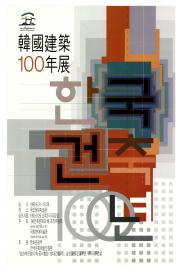
was a special exhibition on the theme of modern and contemporary Korean architecture held at the National Museum of Contemporary Art, Korea (now MMCA) from August 31 to October 28 in 1999 under the auspices of the '99 Year of Architecture Organizing Committee. A total of 189 architects and...
-
Zeitgeist Korea
Korean contemporary art from the 1960s to the 1990s into three keywords: conceptual, virtual, and material. Regarding the intention of organizing the exhibition, Jung stated "Firstly, we chronologically identify the major currents of Korean contemporary art since the Korean War, but do not list...
-
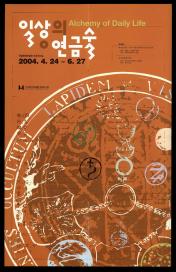
Alchemy of Daily Life
o Waiwhetū, New Zealand, and supported by the Korea Foundation. It was held from November 18, 2005 to February 26, 2006 at the Christchurch Art Gallery Touring Exhibition Room and the Borg Henry Exhibition Room. It was the first exhibition of Korean contemporary art to be presented in New Zealand.
-
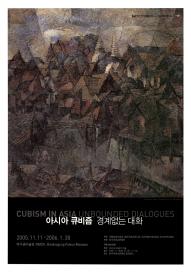
Cubism in Asia: Unbounded Dialogue
Contemporary Art, Korea (now MMCA); the Japan Foundation; the National Museum of Modern Art, Tokyo; and the Singapore Art Museum, and held in Japan, Korea, and Singapore between 2005 and 2006. Based on two years and three months of preparation and four joint field surveys, 113 works by seventy-six...
-
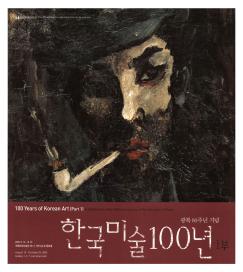
100 years of Korean art
as well as archives, in Gallery 1, 2, and 7 and the central hall of the National Museum of Contemporary Art, Korea Gwacheon. It was also an attempt to show 100 years of Korean art as an integrated product formed in political, social, and cultural contexts. The exhibition catalogue for Part I was...
-
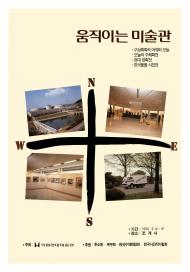
Traveling Art Museum
such as the Husohoe, Mokwoohoe, Korea Watercolor Association [Hanguk suchaehwa hyeophoe], and the Photo Artists Society of Korea [Hanguk sajin jakga hyeophoe]. Four exhibitions, The Past and Present of Figurative Painting, Watercolor Paintings of Today, Contemporary Prints...
-
MMCA Hyundai Motor Series
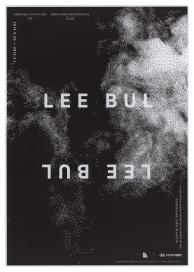
a unique body of work, and Hyundai sponsors them to inject new vitality into contemporary Korean art. Hyundai Motor Company stated that “the company, in addition to supporting the production of large-scale new works, hoped to establish it as a representative platform for introducing Korean...
-
National Folk Museum of Korea
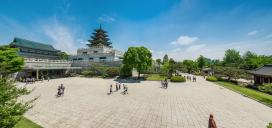
by collecting, researching, preserving, and exhibiting traditional, modern, and contemporary folk cultural items. It houses more than 140,000 artifacts (as of 2022), including nationally designated cultural heritage items such as Portrait of Three Jo Brothers (treasure, designated in 2006),...
-
Korean Applied Artists Association
bookbinding, architectural planes, wall decorations, and mosaics. The second exhibition featured roughly 100 works by fifty members. The membership and activities of the KAAA testify to the fact that crafts and designs were still grouped together and understood under the concept of applied art until...
-
Korea Packaging Machinery Association
in October 1965, and the association was officially launched in January 1966 with the permission of the Minister of Commerce and Industry. The founding general meeting was attended by representatives from eleven private enterprises. They were Korea Express Co., Ltd., Korea Trade Promotion Agency,...
-
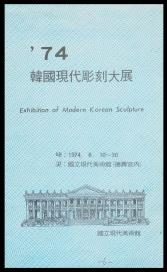
Modern Korean Art Exhibition
Art Exhibition: Calligraphy, Architecture, and Photography (June 16–September 15, 1978). Over the course of five editions of the Modern Korean Art Exhibition, some 900 artists were introduced, and a large number of works were discovered or revisited. In conjunction with each...
-
Hwang Jonggu
in creation, research, education, and experimentation that maintained the legacy of traditional ceramics while adopting the trend of Western contemporary ceramics. Among the prizes he won are the Seoul Cultural Award (1966), the Presidential Award for the twenty-fifth anniversary of Korea’s...

-
Special Exhibition of Modern Korean Painting
Daiwon, Lee Madong, Lee Bongsang, Lee Seduk, Lee Chongwoo, Lee Joon, Chang Ucchin, Chung Kyu, Cho Byungduk, Han Mook, and Hwang Yeomsoo. During the exhibition, the museum provided a five-day lecture series on contemporary art taught by Park Kosuk, Lee Bongsang, Kim Byungki, Kim Sou, and Chung Kyu at...
-
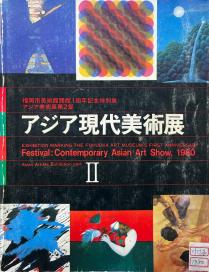
Asian Art Show
Show, Fukuoka was an international exhibition held every four to five years from 1980 through 1994 at Fukuoka Art Museum in Japan to introduce modern and contemporary art from Asia. The first edition of the exhibition presented 417 works by 417 artists and was divided into two sections with the...
-
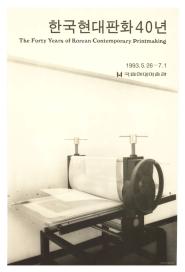
The Forty Years of Korean Contemporary Printmaking
of Contemporary Art, Korea (now MMCA) from May 26 through July 1, 1993. The exhibition was designed to explore the history and current status of contemporary Korean prints with an organizing committee consisting of Lee Gu-yeol, Youn Myeungro, Kim Hyungdae, Oh Kwang-su, Ha Dongchul, and Kim Taeho. It...
-
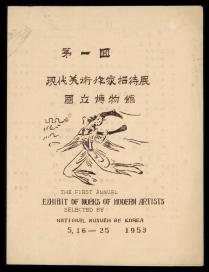
Exhibition of Works of Modern Artists
The Exhibition of Works of Modern Artists was a modern art exhibition hosted by the National Museum in 1953 during the Korean War. It was held from May 16 through 25, 1953 at the temporary building of the National Museum in Gwangbok-dong, Busan, the temporary capital of Korea during the...
-
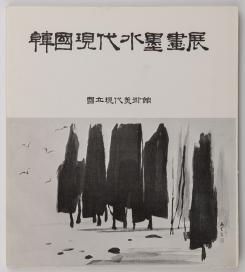
Korean Contemporary Ink Wash Painting
Korean Contemporary Ink Wash Painting was a special exhibition held from August 18 through September 2 in 1981 at the National Museum of Modern Art, Korea (now MMCA). The MMCA declared that the exhibition was intended to overcome the sharp stagnation of Eastern-style painting after the...
-
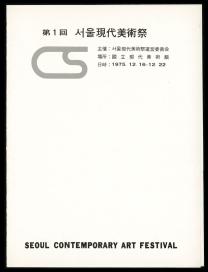
Seoul Contemporary Art Festival
The Seoul Contemporary Art Festival was a large-scale art festival held since 1975 by avant-garde artists of the time to counter the academism of the National Art Exhibition (Gukjeon). The first festival was held from December 16 through 22, 1975 at the National Museum of Modern Art, Korea...
-
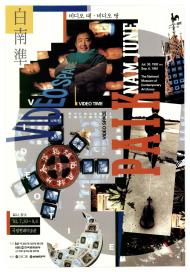
Paik Nam June· Video Time · Video Space
this exhibition and his activities there exerted a direct impact on the domestic art scene. His subsequent exchanges with international theorists and curators offered an opportunity to publicize Korean contemporary art to the world. The exhibition attracted an average of 4,000 visitors per day and...
Features
-
Korean Art and Exhibition Histories: The Modern / Contemporary
Kim Yujin, Mok Soohyun, Shin Chunghoon, Study Group 2 │ Korean Art and Exhibition Histories: The Modern / Contemporary
Mok Soohyun, Defining the Period and Scope of “Modern Art”: Glimpse Into Korean Modern Exhibition Series (1997–2000)
Mok Soohyun, 60 Years of Modern Korean Art (1972): Categorizing Modern Art in Korea
Mok Soohyun, “Modern Art” in the Context of Korean Art The Posthumous Exhibition of Three Artists — Kim Junghyun, Gu Bonung and Lee Insung (1954) and Special Exhibition of Modern Korean Painting (1954)
Shin Chunghoon, Korean Art after the “Contemporary Art System”: Rebellion of Space (1995), Global Conceptualism (1999), You Are My Sunshine (2004)
Shin Chunghoon, Toward ‘Korean Contemporary Art’: Korea: The Trend for the Past 20 Years of Contemporary Arts (1978), Korea: Five Artists, Five Hinsek—White (1975), Korea: Facet of Contemporary Art (1977)
Shin Chunghoon, Toward Contemporary Art: Hyundae Fine Artists Association Exhibition (1957), Union Exhibition of Korean Young Artists (1967)
Kim Yujin, From Gwacheon to Seoul: MMCA Seoul’s Beginning of New Era (2009)
Kim Yujin, From Gwacheon to Seoul: Commemorative Exhibition of the Opening of the New Museum at MMCA Gwacheon (1986)
Kim Yujin, The Expansion of the MMCA Venues: Inaugural Exhibition(s) Commemorating Each Opening
-
Korean Art and Exhibition Histories: Globalization
Bae Myungji, Jeon Yushin, Kim Hong-Ki, Tiffany Yeon Chae, Study Group 2 │ Korean Art and Exhibition Histories: Globalization
Kim Hong-Ki, The Korean Pavilion at the Venice Biennale (1995–1997): Globalizing the Aesthetic Traditions of Korea
Kim Hong-Ki, A Study of the Korean Pavilion at the Venice Biennale (1999–2001): Particularity and Universality in Contemporary Era
Kim Hong-Ki, A Study of Korean Pavilion at the Venice Biennale (2003–2005): ‘Site-Specificity’ and articulating the ‘Here and Now’
Jeon Yushin, Reflection of Socio-Political Realities: Across the Pacific (1993), Facing Korea (2003), The Battle of Visions (2005), Activating Korea (2007)
Jeon Yushin, Naturalism and Eastern Tradition: Working with Nature (1992), The Tiger’s Tail (1995), and Leaning Forward, Looking Back (2003)
Jeon Yushin, Korea’s First Generation of Curators and the Overseas Exhibitions of Contemporary Korean Art
Tiffany Yeon Chae, What Can a Biennial Become Here and Now? Two Curatorial Experiments: MAN + SPACE (2000) and P_A_U_S_E_止 (2002)
Tiffany Yeon Chae, Postcolonial Subjects in the Age of Globalisation: Unmapping the Earth (1997) and Annual Report (2008)
Tiffany Yeon Chae, From a Site of Memory to a Global Platform: The Founding of the Gwangju Biennale and Beyond the Borders (1995)
-
Korean Art and Exhibition Histories: Diversification of Media and Formats
Jang Seungyoun, Rethinking the Everyday Objects, Materials, and the Expansion of Media: This Kind of Art: Dishwashing (1994) and This Kind of Art: Nostalgia (1994)
Jang Seungyoun, The Emergence of “Image Producers” Who Perceive the Everyday and Interpret Reality: Apgujeong-dong: Utopia / Dystopia (1992) and Sub Document (1992)
Jang Seungyoun, The Sharp Emergence of Visual Culture — Memory, and History: Korean Art and Visual Culture After 1945 (1997)
Mun Hye Jin, From BlindSound to 404 Object not found: A Brief but Intense History of Korean Web Art
Mun Hye Jin, The Face of Hybridity: TEUM: Single Channel Video Show vs The Cross: Exhibition for Videography
Mun Hye Jin, Shifting from Technology Art to Video Art: The Early-to-Mid 1990s Video Landscape through the Work of Hong Sungmin
Jung Hyun, Daejeon as a Hub of Art and Science: The Daejeon Art and Science Biennale (2014)
Jung Hyun, Media and Technology in Korean Art of the 1990s
-
On Writing Timelines of Korean Art
Kang Min-gi, 1945–1953: Independence and “National Art” (Minjok Misul)
Kwon Heangga, 1953-1959: The Post-war Formation of Contemporary Art
Cho Soojin, 1960–1969: Avant-garde Activities and Development of the Art System
Kim Yisoon, 1970-1979: Transformation of the Art World and the Growth of “Korean” Art
Lim Shan, 1980–1989: Expanding Art Practices and the Narrative of the Times
Shin Chunghoon, 1990-1999: Korean Contemporary Art in Globalization
Cho Soojin, Kang Min-gi, Kim Yisoon, Kwon Heangga, Lim Shan, Shin Chunghoon, On Writing Timelines of Korean Art: The Roundtable
Cho Soojin, Kang Min-gi, Kim Yisoon, Kwon Heangga, Lim Shan, Shin Chunghoon, Study Group 1 │ On Writing Timelines of Korean Art: The Keyword

Sign Up for Email Updates