Search Results
Timeline
-
1999
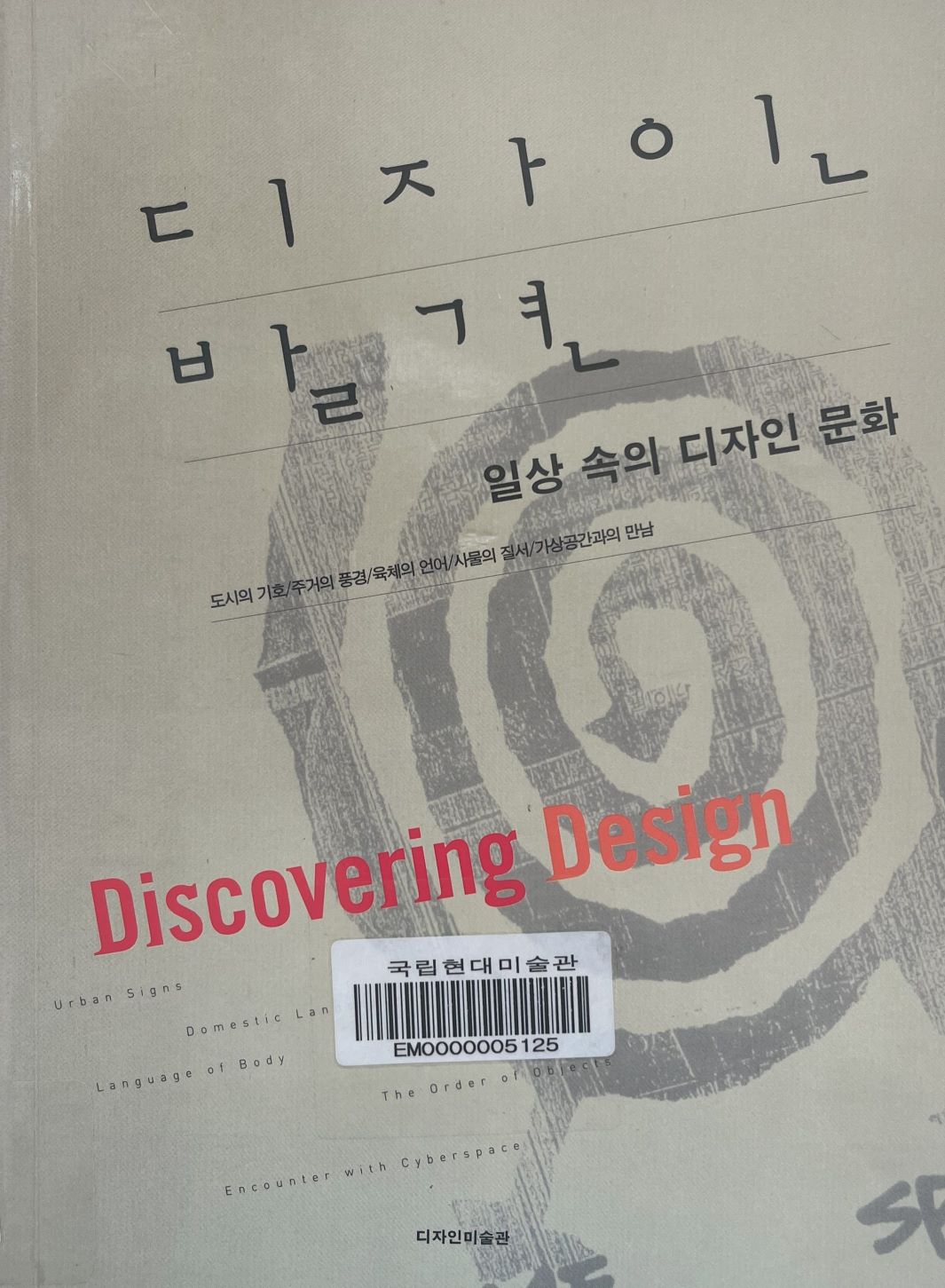
The Ministry of Culture and Tourism opens the Design Museum (Arts Center, Seocho-gu, Seoul, now the Hangaram Design Museum). The steering committee members are Kang Woohyun, Kim Yeongsun, Kim Jungheun, Min Chulhong, Bae Jinhan, Ahn Sang-Soo, An Jeongeon, and Jung Gukhyeon. For the inaugural...
-
1999
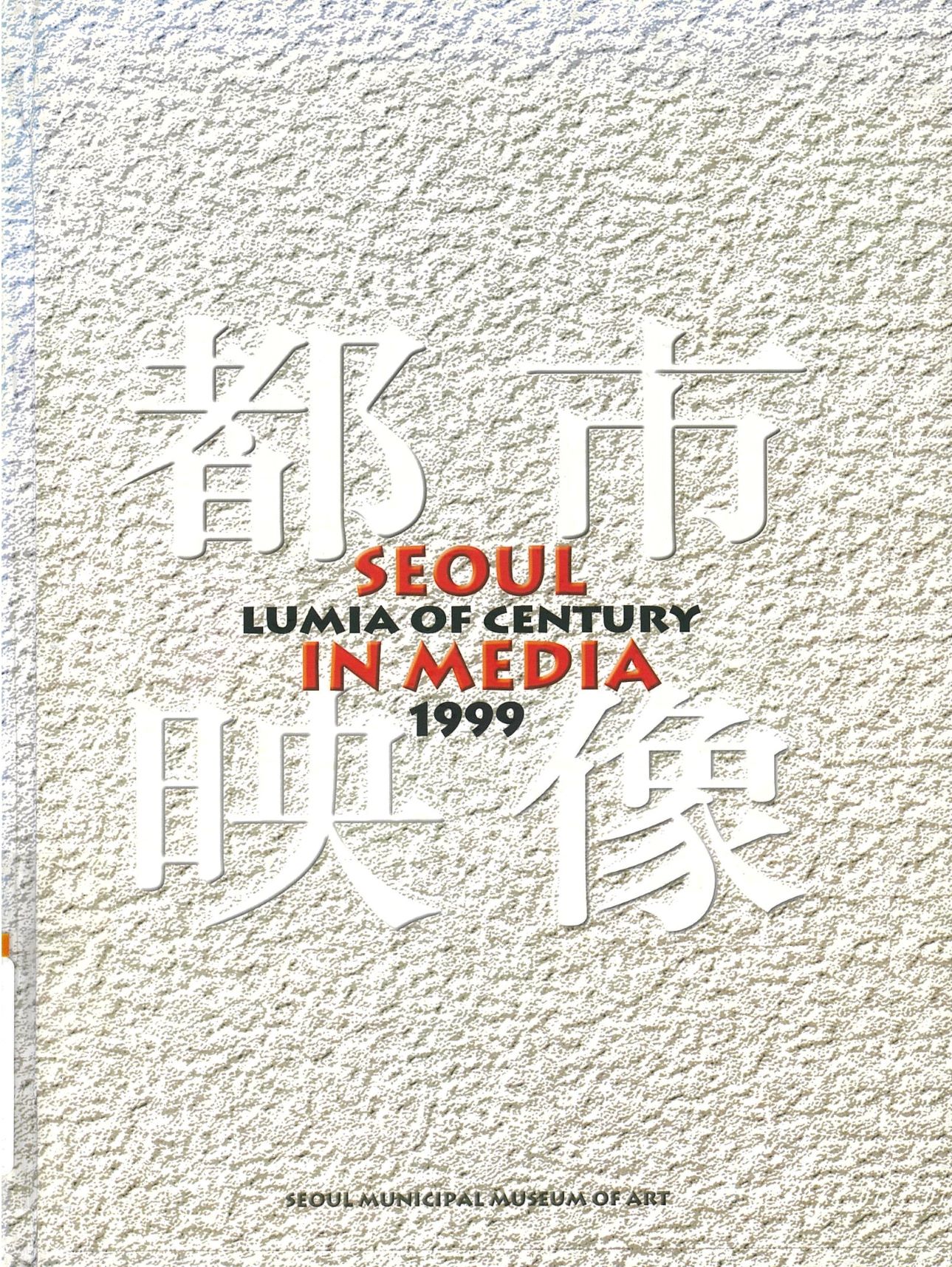
Lim Youngsun, Moon Joo, Oh Sang-Ghil, Olover Griem, Suh Yangbyum (Video performance), Shin Hyunjung, U Sunok, Yeom Eunkyung, Yim Heejoong, Yook Taejin, Yoon Youngseok. The exhibition presents diverse media works, including video art, computer-based art, photography, laser, and holograms.
-
1999
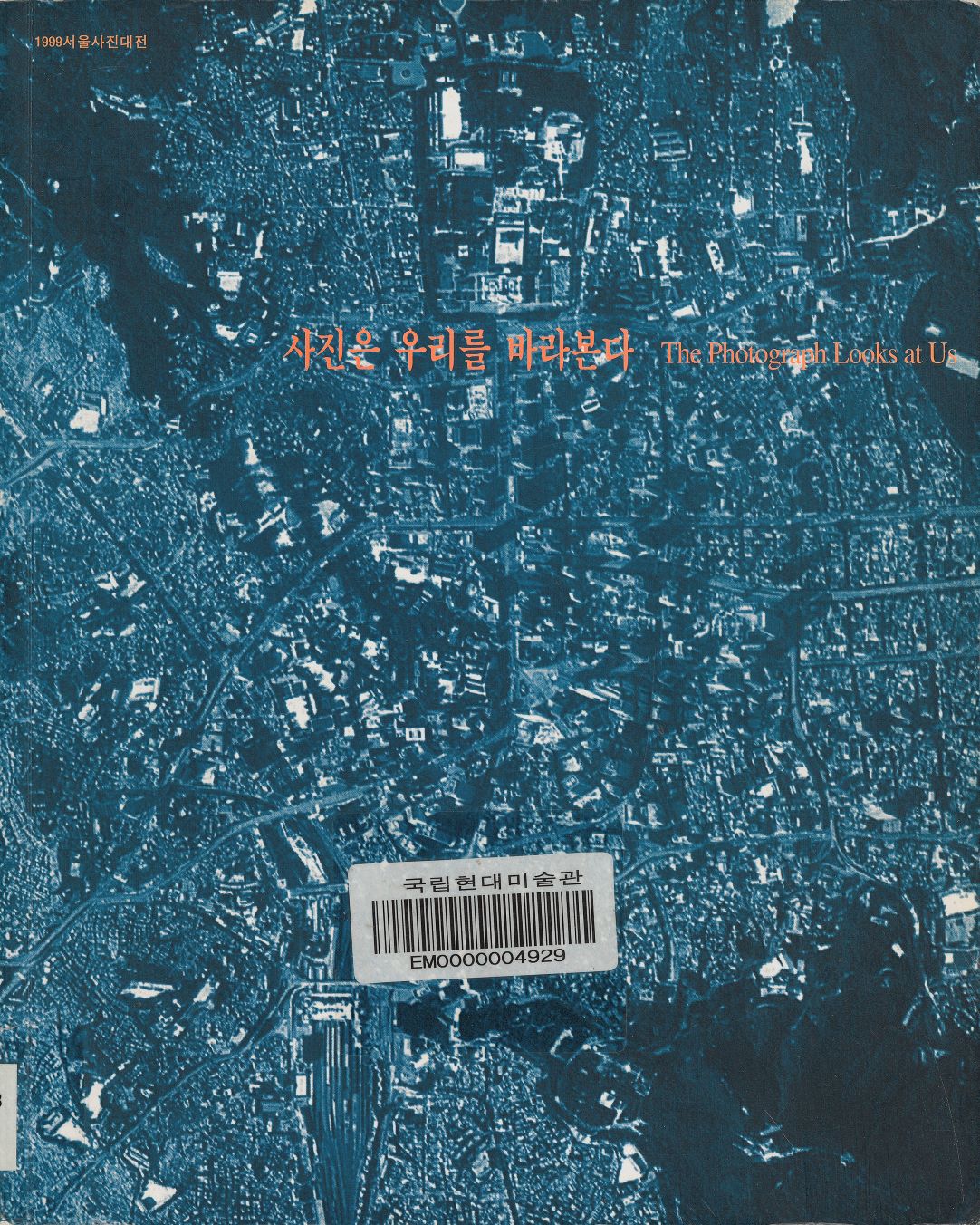
’99 Seoul Photography Exhibition: The Photograph Looks at Us (Seoul Museum of Art, August 27–September 15) is held. The chair of the steering committee is Lee Youngjune, with committee members Park Youngsook, Shin Hyekyung, Lee Ju-yong, and Hwang Gyutae. The exhibition presents...
-
1999
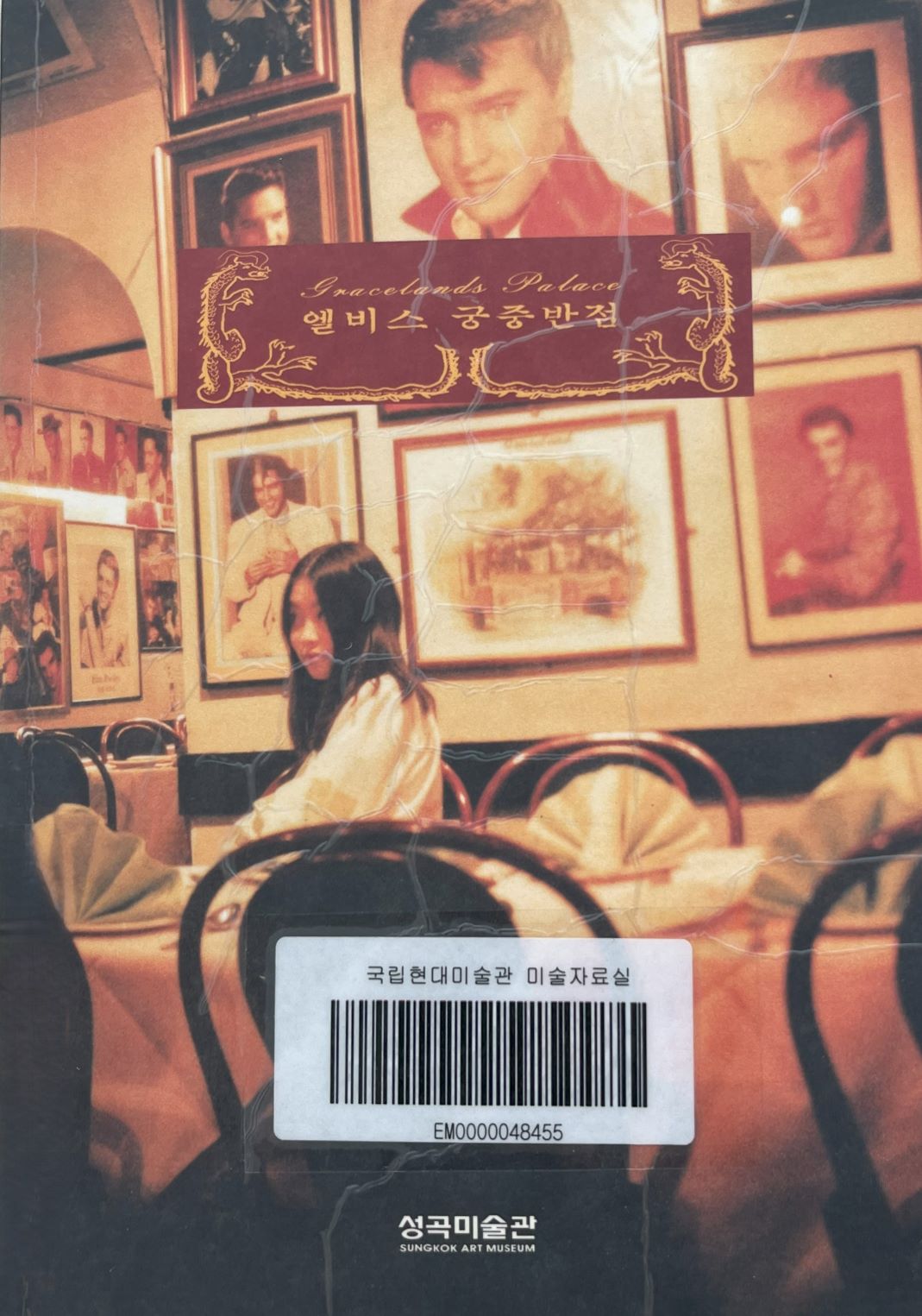
by Andreas Schlaegel, Elvis Koonjoongpanjom (Sungkok Art Museum, Seoul, May 14–June 30) is held. The Gracelands Place Project Team—composed of artists from Korea, Germany, Canada, the Netherlands, and Israel (Andreas Schlaegel, Guy Bar-Amotz, Michael Raedecker, Lisa Cheung, and...
-
1999
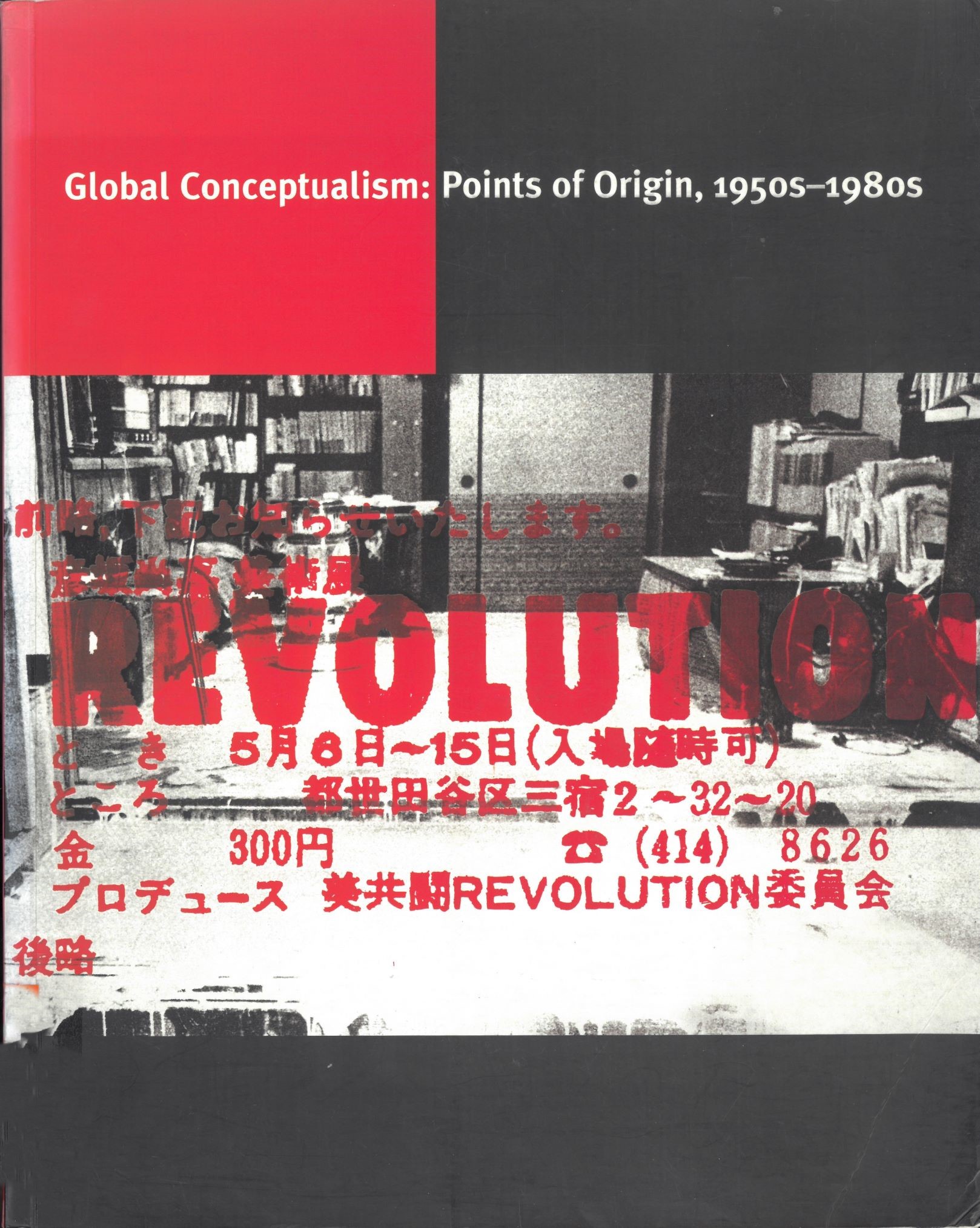
well as Kim Yongtae, Park Buldong, and Choi Byungsoo from the Minjung Art movement. Through these selections, the conceptual practices in Korean art that traversed both modernism and Minjung art are highlighted. The exhibition subsequently travels to the Walker Art Center, Minneapolis (December 19,...
-
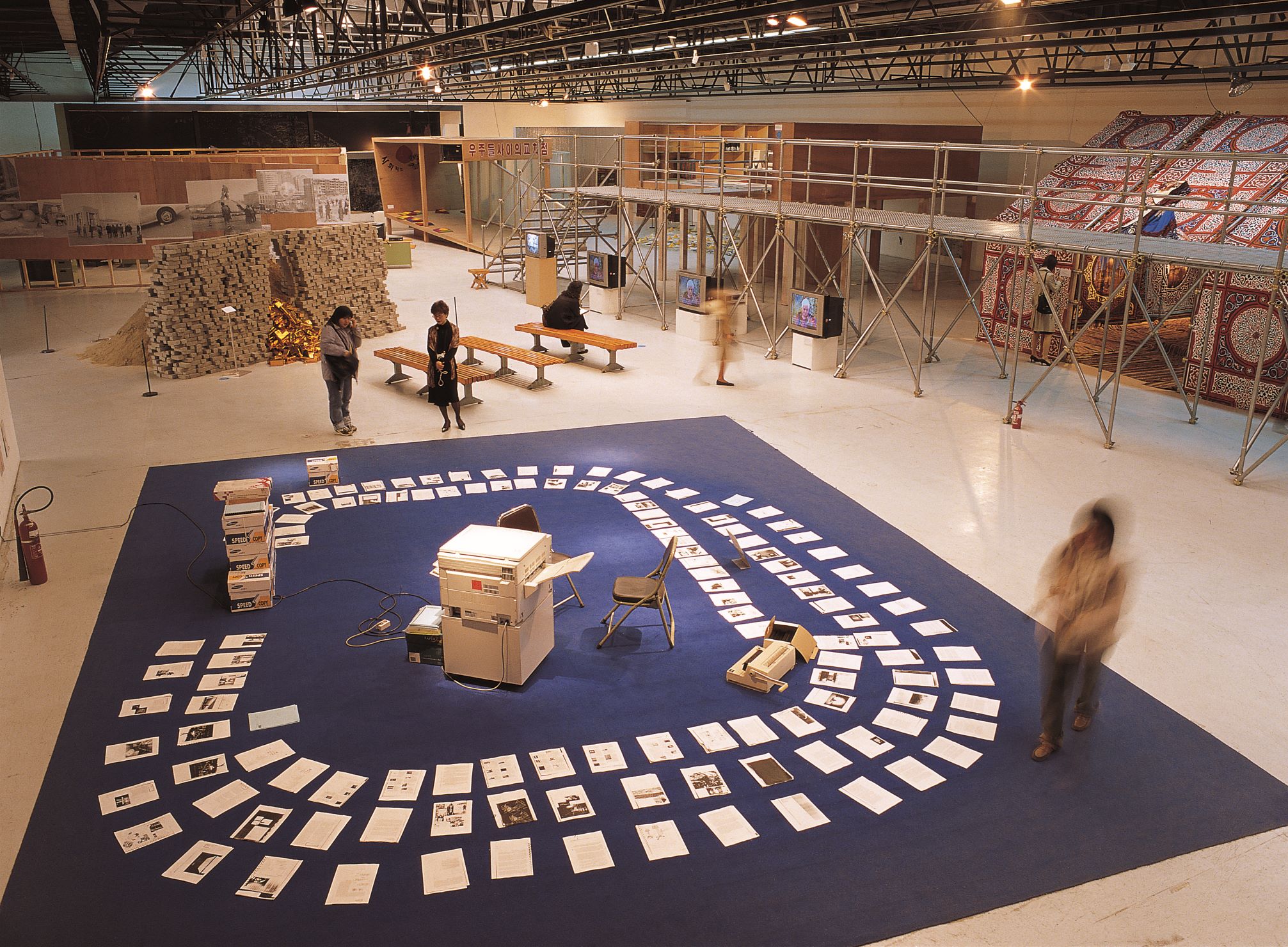
1998
of the "Year of Photography and Video", ’98 City and Image—Food, Clothing, and Shelter (Seoul Museum of Art, formerly the Seoul 600th Anniversary Memorial Hall, October 16–November 4) is organized by Lee Youngchul. The spatial design is by Min Sunjoo. A...
-
1998
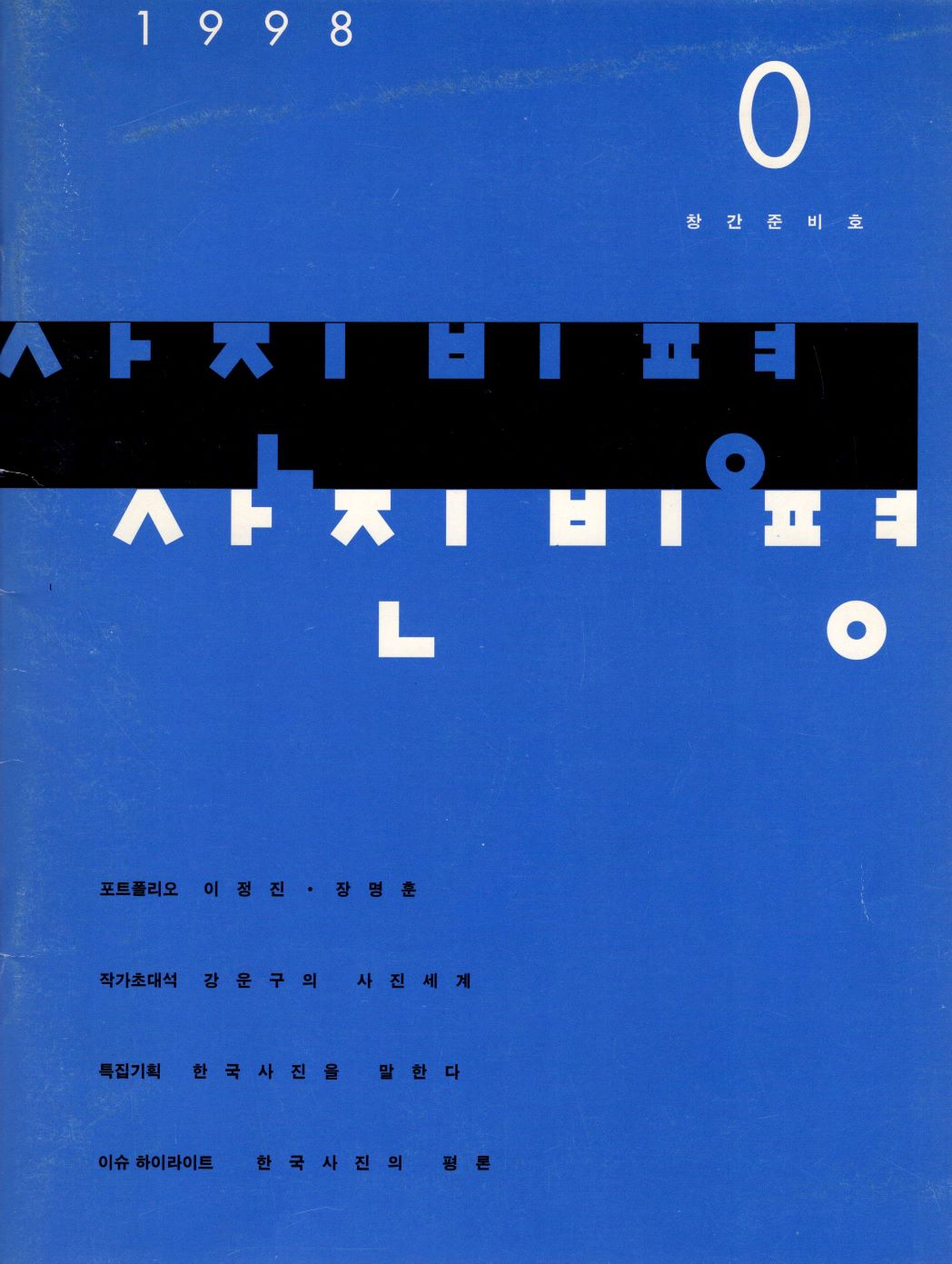
Sajin Bipyong Publishing, led by CEO Im Hyang-ja, launches the quarterly journal of photography criticism Sajin Bipyong in conjunction with the “Year of Photography and Video.” The editorial board consists of Kim Seung-gon, Lee Kyungmin, and Jin Dongseon. The journal...
-
1998
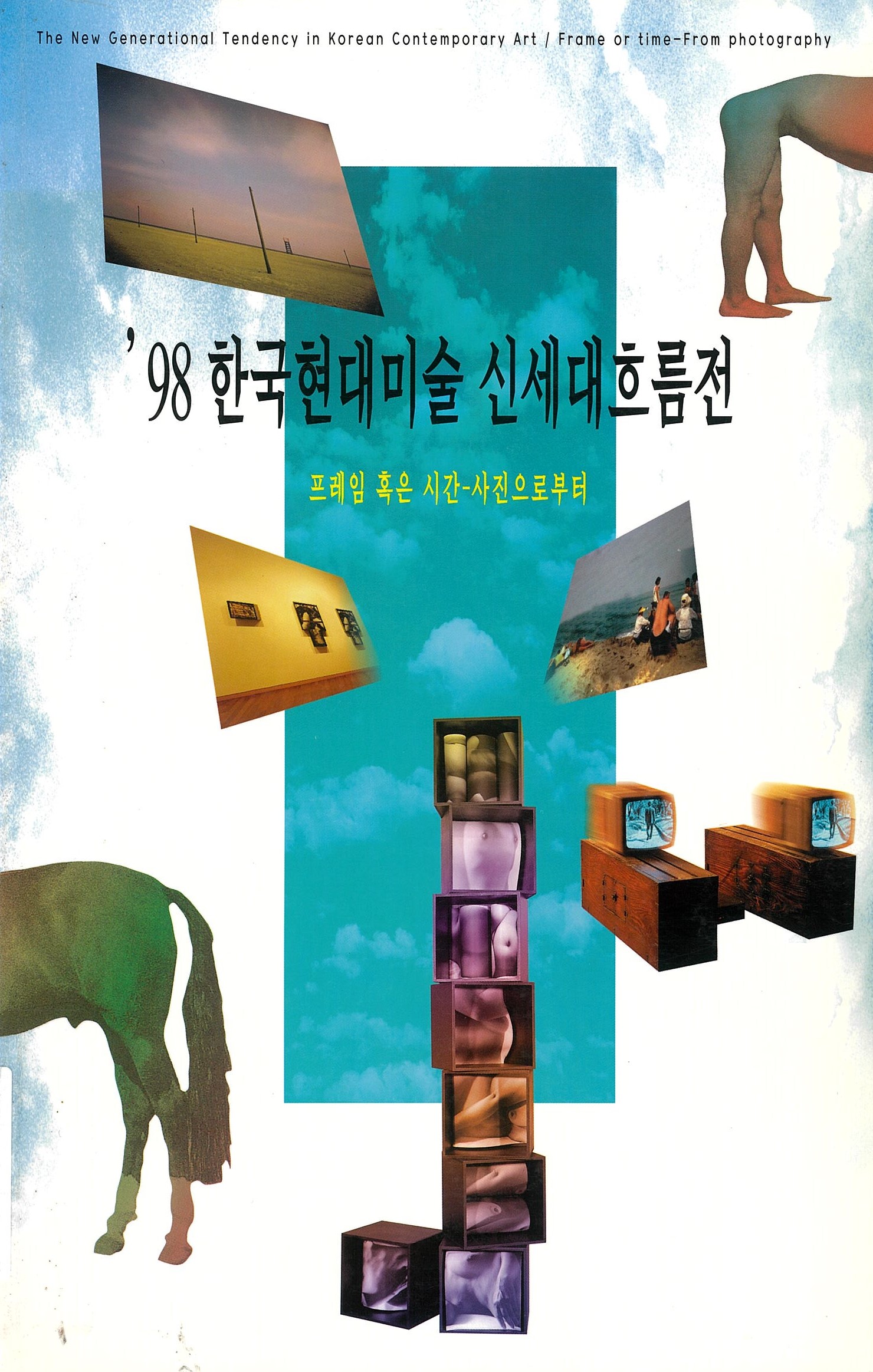
as Art, Art as Photography.” Kim Jangseop serves as commissioner, and a total of fourteen artists participate, including Bang Jihyun, Hong Su-ja, Kang Hong-goo, Kim Hyunhee, Kim Hyunpil, Kwon Jungjoon, Kwon Soonpyeong, Lee Sangyun, Park Hongchun, Park Jinho, Park Youngseun, Shin Minjoo, Yang...
-
1997
Tendency in Korean Contemporary Art: Earth & Ecology (Misulhoegwan (now ARKO Art Center), Seoul, September 29-October 14). Held in conjunction with the “International Year of the Environment,” the exhibition interprets issues of environment and ecology in a formative...
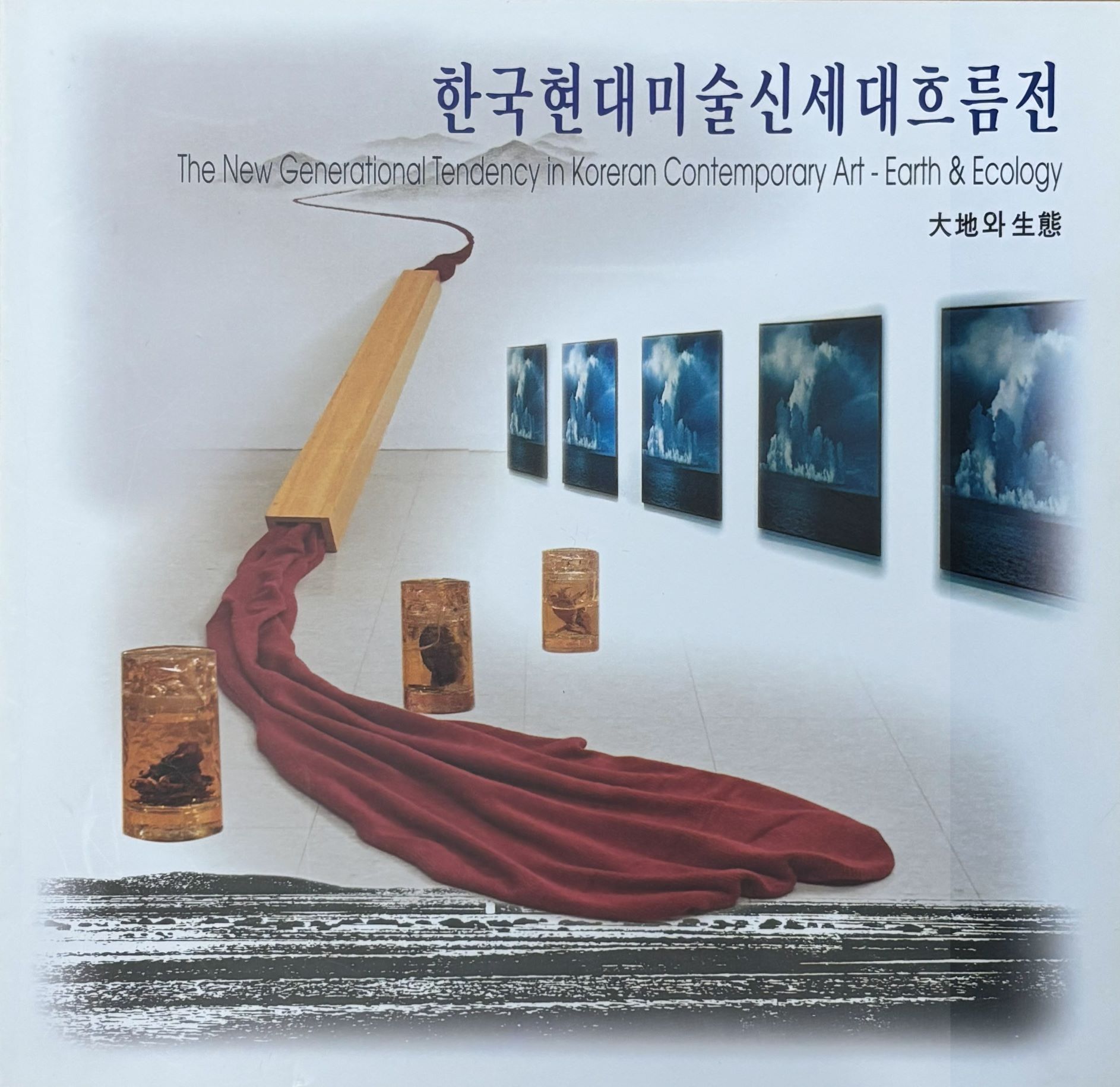
-
1997
Cai Guoqiang, Zhou Tiehai, and Huang Yongping. Shiseido Gallery supports the publication of Kim Beom’s artist book The Art of Transformation, which presents, in the form of instructional texts, various methods for a human being to transform into a tree, a door, grass, a...
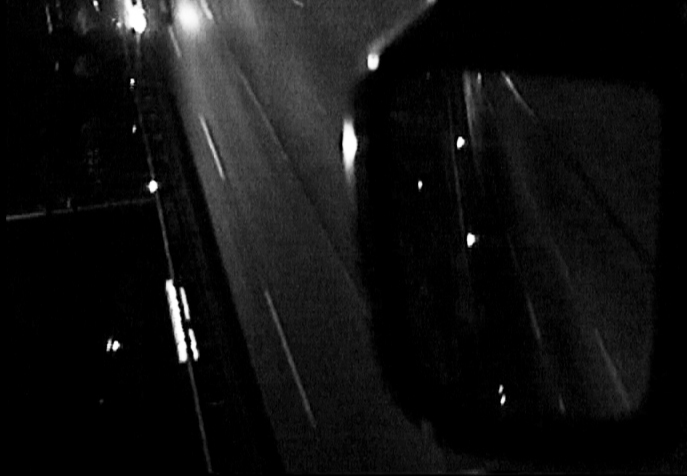
-
1996
Young Korean Artists ’96 (National Museum of Contemporary Art, Gwacheon (now MMCA), October 8–November 12) is held. A total of twenty artists participate Ahn Pilyun, Cho Gyehyung, Choi Jian, Choi Kiseog, Hong Hyunsook, Hong Miseon, Kim Dongyoo, Kim Eelkwon, Kim Hyunghyun,...
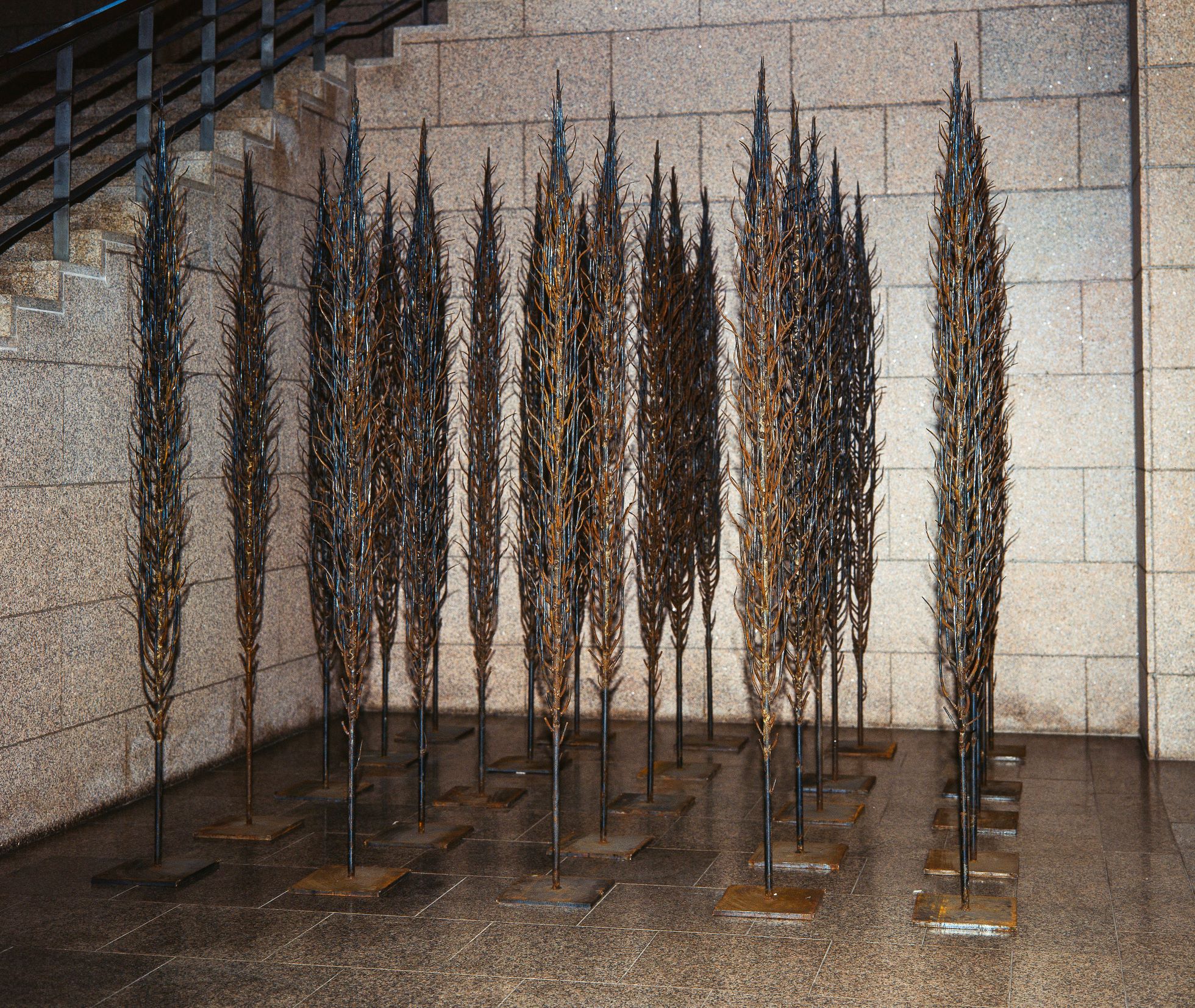
-
1996
March 21-April 30) is held as the third edition of the exhibition Examination and Search for Contemporary Korean Art. It features nine artists including Choi Seong-hwan, Hwang Eunyoung, Jang Hyeonju, Kang Bokyung, Kang Hyeseung, Kang Hyunjoo, Lee Yong-taek, Shin Hasoon, and Yoo Geuntaek.
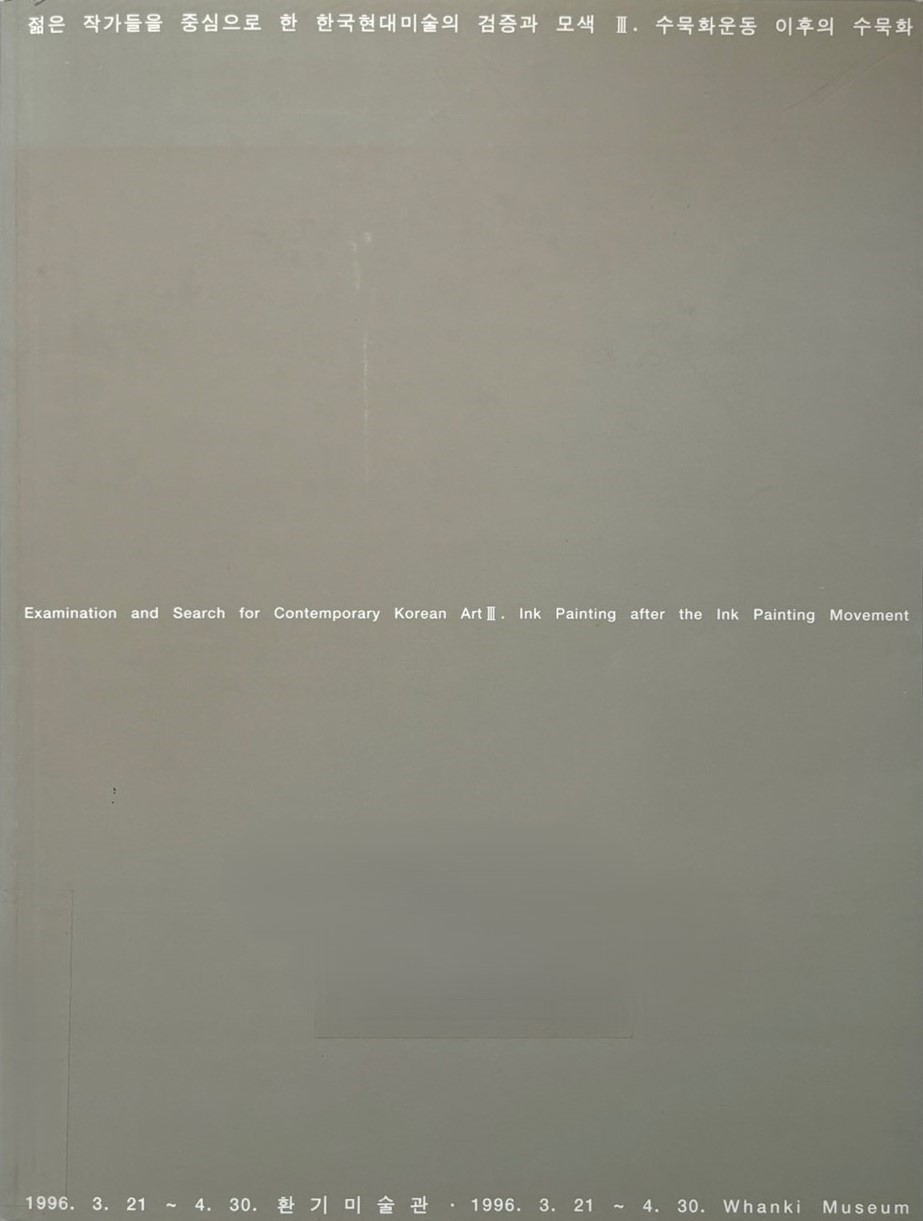
-
1995
of Art, formerly the Seoul 600th Anniversary Memorial Hall, August 26-September 2) is held. The exhibition provides an overview of three decades of sculpture and installation art since the 1960s. It is presented in two parts: “Historical Archives” and “The Present of...

-
1995
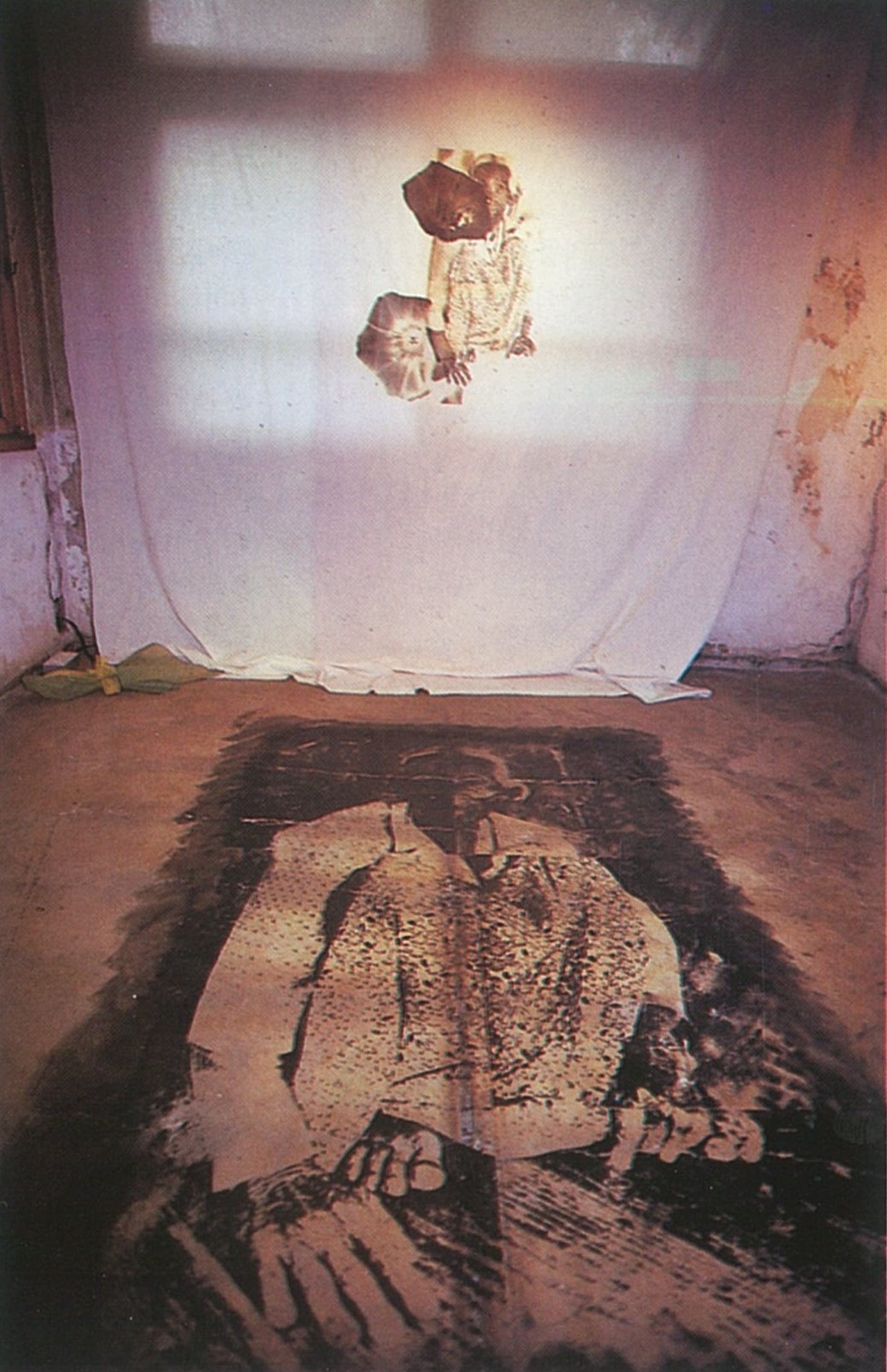
of the Art Sonje Center. A total of sixteen artists participate, including Ahn Kyuchul, Bahc Mo (Bahc Yiso), Choi Jeonghwa, Choi Keumhwa, Hong Sungmin, Kim Wooil, Kim Yousun, Koh Nakbeom, Kong Sunghun, Lee Bul, Lee Dongi, Oh Heinkuhn, Park Soyoung, Park Youngsook, Yook Keunbyung, and Yun Suknam.
-
1994
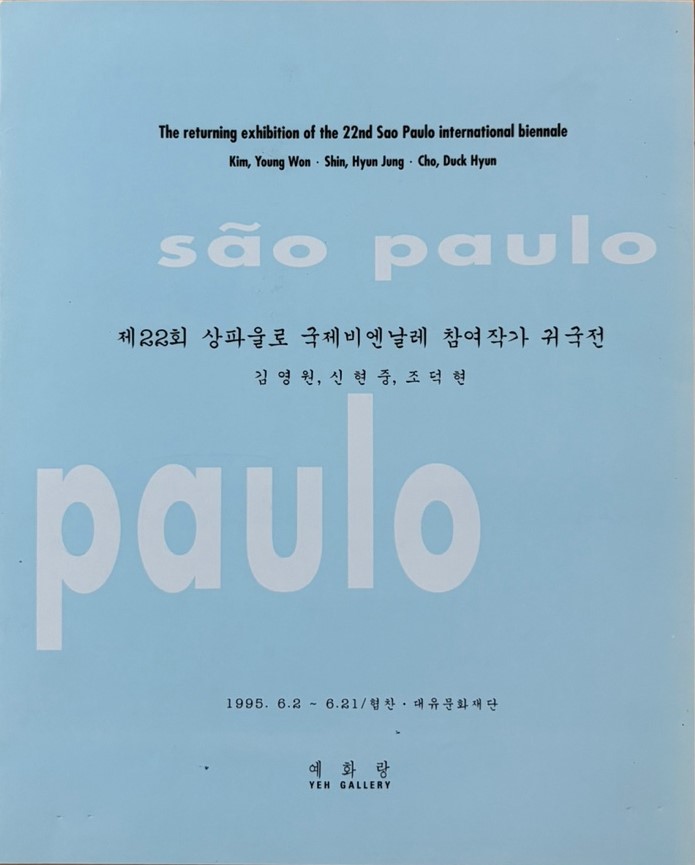
The twenty-second Sao Paulo Art Biennial (October 12-December 11) is held. Kim Bokyoung serves as commissioner for the Korean artists and selects four artists, including Kim Youngwon, Shin Hyunjung, and Cho Duckhyun.
-
1994
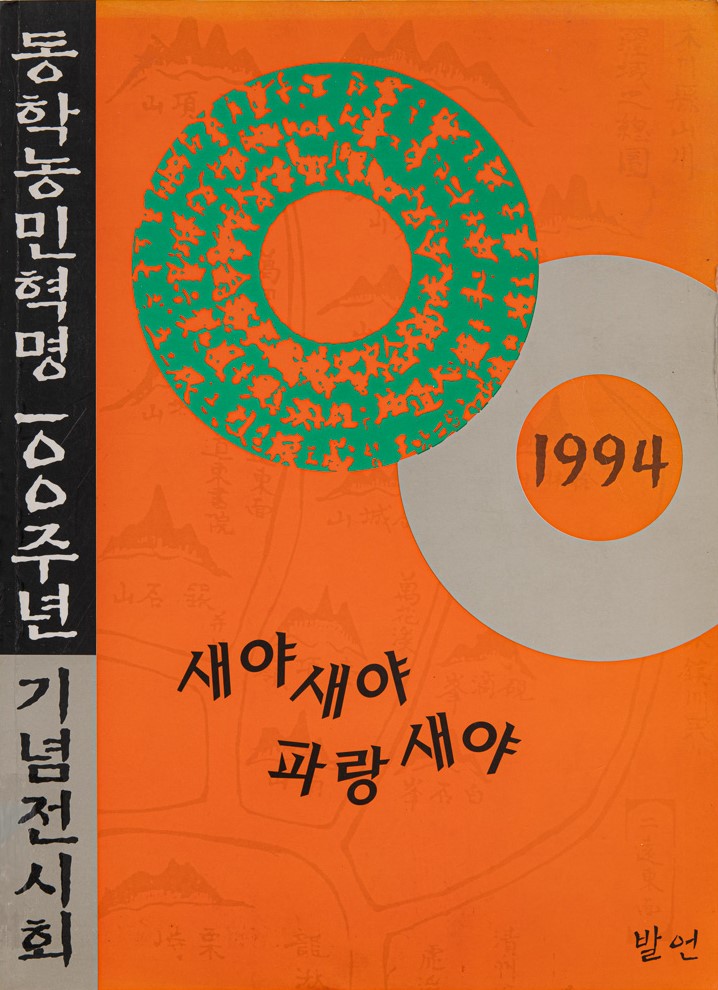
“Modernism,” Section 2 “Figuration or Minjung Art,” and Section 3 “Artists Between the Two.” The exhibition seeks to provide a space for reflection and renewal of Minjung art in the 1990s, and its legacy continues with the establishment of Art Space Pool in 1999.
-
1994
Bird, Bird, Blue Bird: 100th Anniversary Exhibition of the Donghak Peasant Revolution (Hangaram Art Museum at the Seoul Arts Center, March 30-April 17) is held. About 160 works by ninety-one artists are presented. The exhibition consists of two sections: a thematic exhibition...
-
1994
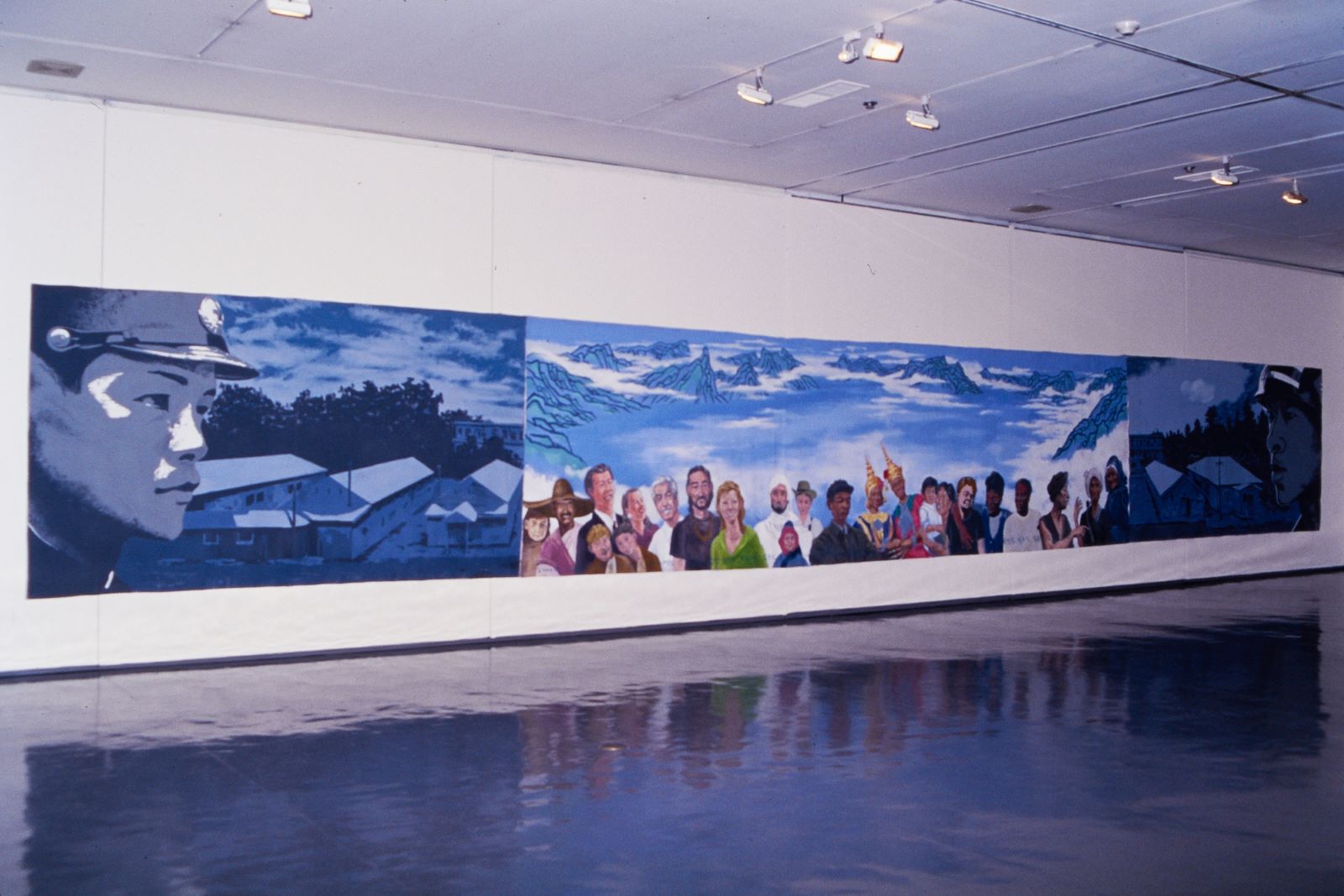
Years of Korean Minjung Arts: 1980-1994 (National Museum of Contemporary Art, Gwacheon (now MMCA), February 5-March 16) is held. As a large-scale exhibition surveying the trajectory of Minjung art, it is organized by an exhibition committee chaired by Kim Jungheun, You Hongjune, Lim Oksang, Lim...
-
1994
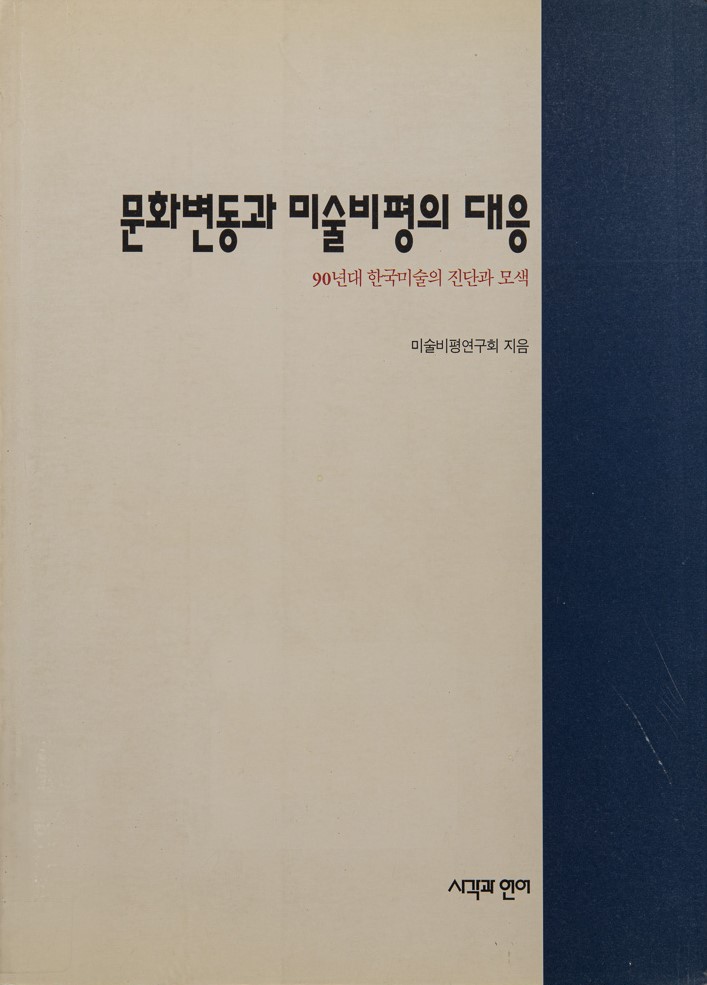
from April 1989 to July 1993, is dissolved. Its members publish Cultural Change and the Response of Art Criticism: Diagnosis and Search of Korean Art in the 1990s, a collected volume of their writings. The publication signals how the concerns of the next generation of Minjung ar...
-
1994
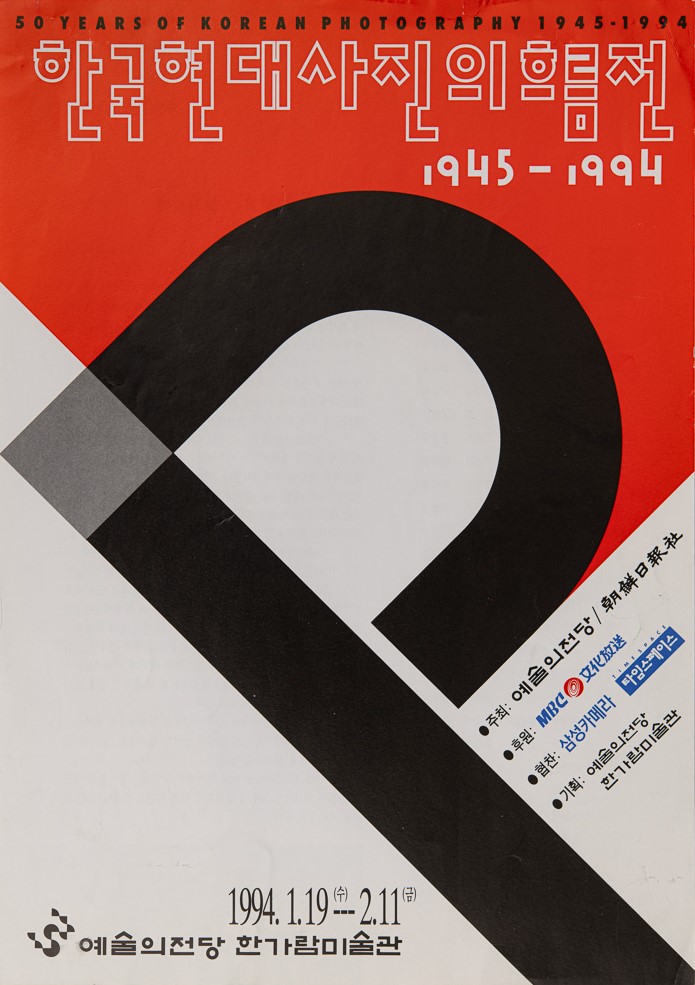
Korean Photography: 1945-1994 (Hangaram Art Museum at the Seoul Arts Center, January 19-February 11) is held. The exhibition sheds light on half a century of Korean photography, showcasing more than five hundred works by one hundred two photographers active from the liberation of Korea to the...
Essays
-
Lee Yil
A Report on Visiting the Forty-Second Venice Biennale
the eminent art historian and senior Italian art critic. According to later reports, approximately 1,500 distinguished guests, including eighteen ambassadors from various countries, attended the ceremony. Among the distinguished figures, there was one special guest who arrived belatedly and could...
-
Lee Yil
Change, Search, and Experiment: Ten Years of Korean Contemporary Painting
Expressionism (1966–67) If 1957 is regarded as the year that Art Informel was introduced into Korea, then by 1966–67, a decade later, the prevailing tendencies of the art world were marked by the decline of Abstract Expressionism and by the inability, or relative absence, of a...
-
Kim Yujin
From Gwacheon to Seoul: Commemorative Exhibition of the Opening of the New Museum at MMCA Gwacheon (
museum of contemporary art.”2 This moment represented the point at which the MMCA could begin to operate as a comprehensive art museum. By contrast, Beginning of New Era at MMCA Seoul is noteworthy in two respects: it was staged in the former buildings of Defense Security Command prior to...
-
Shin Chunghoon
Toward ‘Korean Contemporary Art’: Korea: The Trend for the Past 20 Years of Contemporary Arts (1978
minjung (people’s) discourse, fueling a conviction that art should engage the sensibilities and lives of ordinary audiences. In this sense, following the aborted Reality Group Exhibition (Hyeongsil dongin) in 1969 and anticipating the minjung art of the 1980s, these discursive practices...
-
Shin Chunghoon
Korean Art after the “Contemporary Art System”: Rebellion of Space (1995), Global Conceptualism (199
Minjung Art. The fissures in the “regime of contemporary art” deepened in the 1990s. A key factor in this shift was the widespread turn toward locality and specificity as central values of Korean art, particularly in the wake of Minjung Art. Yet an unpromising pattern was repeated: the...
-
Kim Yujin
From Gwacheon to Seoul: MMCA Seoul’s Beginning of New Era (2009)
of Modern and Contemporary Art, Korea (MMCA). It was also the year in which the museum faced a major transformation with its spatial expansion into Seoul. Since the inauguration of the MMCA Gwacheon in 1986, the MMCA had functioned as the country’s leading national art museum; yet the MMCA...
-
Jeon Yushin
Reflection of Socio-Political Realities: Across the Pacific (1993), Facing Korea (200
the Korean art world of the 1990s as one in which the heirs of “Korean modernism” adopted postmodernist theory to aggressively oppose Minjung art, while, conversely, Minjung artists and their intellectual successors turned their focus toward media art and the emerging discourse of the...
-
Tiffany Yeon Chae
Postcolonial Subjects in the Age of Globalisation: Unmapping the Earth (1997) and Annual
was that the emergence of voices in the public sphere was not external, but internal. In order to trace the trajectories of contemporary Korean art and criticism from the 1980s, there was an attempt to revisit modernism, Minjung art, and postmodern criticism—not solely to address artistic...
-
Jeon Yushin
Korea’s First Generation of Curators and the Overseas Exhibitions of Contemporary Korean Art
to introduce contemporary Korean art abroad have been held since the 1950s; however, the 1990s are widely regarded as a turning point in the history of such efforts. From this period onward, the number of exhibitions of contemporary Korean art held internationally increased significantly, and the...
-
Tiffany Yeon Chae
From a Site of Memory to a Global Platform: The Founding of the Gwangju Biennale and Beyond the
Meanwhile, Lee Yongwoo underscores the significance of Minjung art in contemporary Korean art, attributing its philosophical foundation to the civic spirit of Gwangju—the epicenter of the May 18 Democratization Movement in 1980.15 This “Gwangju spirit,” he argues, serves as a...
-
Jeon Yushin
Naturalism and Eastern Tradition: Working with Nature (1992), The Tiger’s Tail (1995),
of Contemporary Art, Korea (now National Museum of Modern and Contemporary Art, MMCA) and Tate Liverpool in 1992, featured works by six prominent Korean artists of Dansaekhwa (Korean monochrome painting): Kim Tschang-Yeul, Park Seo-Bo, Yun Hyongkeun, Lee Kangso, Lee Ufan, and Chung Changsup. In the...
-
Kim Hong-Ki
A Study of Korean Pavilion at the Venice Biennale (2003–2005): ‘Site-Specificity’ and articulating
a trajectory beginning with the convergence of modernism and Minjung art, continuing into the present moment."3 Jang Sunhee further elaborates that unlike the 1980s, which were polarized between modernism and Minjung art, “the Korean art scene in the post-1990s era underwent significant...
-
Kuroda Raiji
Fragmentary Notes on Postwar Japanese Avant-garde Art Viewed from South Korean Minjung Art
how I first acknowledged the importance of the minjung art. For example, I visited Im Oksang, one of the artists of the minjung art for I had been interested in his work. He said, “well, this is the very first time a foreign curator visited me.” I had known Furukawa Mika, who had been...
- Beck Jee-Sook Minjung Art in the Year 2005, or the Year 2005 in Minjung Art
-
Jung Hyun
Media and Technology in Korean Art of the 1990s
to media art—an area that has long been marginalized in research on Korean art of the 1990s. The exhibition histories has only recently begun to garner scholarly attention. Importantly, the aim of this study is not to propose specific frameworks or methodologies for writing exhibition history....
-
Jang Seungyoun
Rethinking the Everyday Objects, Materials, and the Expansion of Media: This Kind of Art: Dishwashin
and culture imbued with the sensibility of the times, and a sincere attempt to interpret the emerging era”. When discussing Korean art of the 1990s, the fact that Choi Jeonghwa—a representative figure of “New Generation Art”—and Beck Jee-sook—a leading...
-
Mun Hye Jin
Shifting from Technology Art to Video Art: The Early-to-Mid 1990s Video Landscape through the Work o
level of awareness of the Western discourse surrounding video art. However, the article served primarily as an introductory overview of Western video art.2 Given that Korean video art can be traced back at least to the 1970s, with artists such as Kim Kulim and Park Hyunki, and that the genre began t...
-
Mun Hye Jin
The Face of Hybridity: TEUM: Single Channel Video Show vs The Cross: Exhibition for Videography
In the late 1990s, the Korean video art scene was a hybrid field where multiple trajectories and approaches coexisted in a rather fragmented manner. One strand consisted of video installations that had evolved since the early 1990s as part of installation and technology art, while the second one was...
-
Mun Hye Jin
From BlindSound to 404 Object not found: A Brief but Intense History of Korean Web Art
of the art system itself. Art magazines quickly joined the digital boom, featuring columns on the latest digital processes, introducing key websites, and publishing interviews and special features with Western experts in digital art. Concepts associated with digital technology—such as...
-
Jang Seungyoun
The Sharp Emergence of Visual Culture — Memory, and History: Korean Art and Visual Culture After 194
Chonghyun; then the Minjung art movement of the 1980s, including banners and works by Oh Yoon, Shin Hakchul, and the art group Dureong; and finally phenomenal and unconventional practices of younger artists active in the 1990s, such as Park Buldong, Lee Kangwoo, Lee Dongi, and Choi Jeonghwa. At the...
Art Terms
-
Women's art [yeoseong misul]
view that women's issues are issues of all human beings, however, she argued that it is necessary to move away from the rigid thinking within the Minjung art movement that equates yeoseong misul with the liberation movement of working-class women. She also urged that Minjung art should move beyo...
![Women's <span class='highlight'>art</span> [yeoseong misul] 이미지](/admin/uploadGoods/thumb/thumb_0fa44476-4c0d-4bd7-9309-a5a4913f12e7.jpg)
-
Traveling Art Museum
of Contemporary Art, Korea (now MMCA) to provide opportunities for the public to actively engage with art and culture. It involved exhibiting artworks from the MMCA collection at various existing cultural facilities, such as palaces, civic centers, subway stations, and district centers, enabling...
-
MMCA Hyundai Motor Series
a unique body of work, and Hyundai sponsors them to inject new vitality into contemporary Korean art. Hyundai Motor Company stated that “the company, in addition to supporting the production of large-scale new works, hoped to establish it as a representative platform for introducing Korean...
-
Korean Applied Artists Association
featured roughly 100 works by fifty members. The membership and activities of the KAAA testify to the fact that crafts and designs were still grouped together and understood under the concept of applied art until the first half of the 1960s when the concept of contemporary design was being formed.
-
Lee Seokho
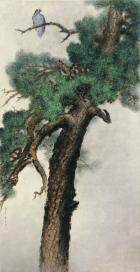
the sixth Joseon Art Exhibition [Joseon misul jeollamhoe] in 1927. He then made his presence known in Korean painting circles by submitting his works to the exhibition of the Calligraphy and Painting Association [Seohwa hyeophoe] and to the Eastern painting section of the Joseon Art Exhibition. He...
-
Asian Art Show
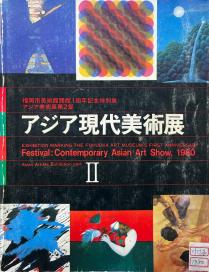
essay regarding Minjung art of Korea for the catalogue. With the active participation of Asian countries including Korea, the Asian Art Show played a role in promoting Asian art worldwide in the 1980s and 1990s. The research results and collected works of this exhibition led to the opening...
-
The Forty Years of Korean Contemporary Printmaking
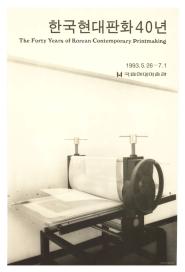
of Contemporary Art, Korea (now MMCA) from May 26 through July 1, 1993. The exhibition was designed to explore the history and current status of contemporary Korean prints with an organizing committee consisting of Lee Gu-yeol, Youn Myeungro, Kim Hyungdae, Oh Kwang-su, Ha Dongchul, and Kim Taeho. It...
-
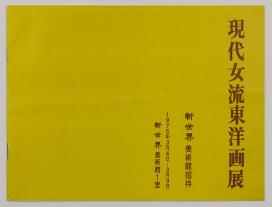
Modern Women’s Eastern Paintings Exhibition
the three art universities, namely, Seoul National University, Ewha Womans University, and Hongik University. The nine selected artists were Lee Insil, Hong Junghee, and Yang Jeongja from Seoul National University; Won Moonja, Oh Jungja, and Kim Jeonghui from Ewha Womans University; and Moon Eunhee,...
-
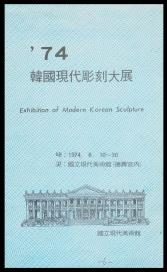
Modern Korean Art Exhibition
Museum of Modern Art, Korea (now MMCA) from 1974 through 1978 with the intention of chronicling the history of contemporary art by genre. Starting with the Exhibition of Modern Korean Sculpture (June 10–30, 1974), it was held annually for five years, the Modern Korean Crafts Grand...
-
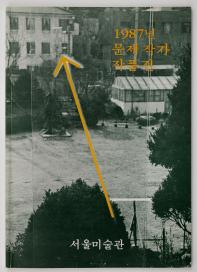
Artists in Focus
Son Kihwan, Lee Myoungbok, Bae Hyungkyung, Lim Youngsun, Park Jaedong, Photo Collective for Social Movement [Sahoe sajin yeonguso], and Women's Art Research Society [Yeoseong misul yeonguhoe]. After the month-long ’88 Artists in Focus held in February 1989, no more exhibitions were further...
-
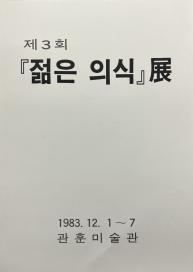
Young Minds
capitalist society, and the art scene dominated by Western art. They intended to reveal young consciousness by finding “living art.” The exhibition was mainly curated by Jang Gyeong-ho, who had served as a curator at Hangang Museum since its opening in 1984. Accordingly, the Young Minds...
-
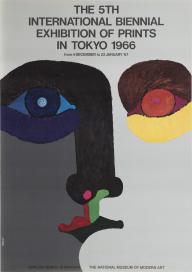
International Biennial Exhibition of Prints in Tok
of Education Award in the eighth. In the eleventh, Chin Ohcsun won the Minister of Foreign Affairs Award and Lee Ufan won the Kyoto National Modern Art Award. In the eighth, the art critic Lee Il participated as an international judge. The International Biennial Exhibition of Prints in Tokyo exerted...
-
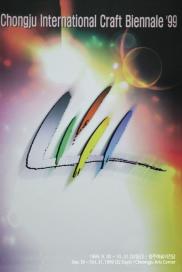
Cheongju Craft Biennale
international multidisciplinary art event that encompasses all areas of crafts, including ceramics, wood lacquerware, textile, and metalwork, and is held every two years in the fall. The first Cheongju International Craft Biennale was held from September 30 through October 31, 1999 at the...
-
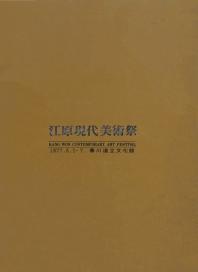
Gangwon Provincial Contemporary Art Festival
Festival was launched with the goal of fostering art in the Gangwon-do region and promoting the art of its local people. The first festival was held from May 1 to 14, 1977 at the Gangwon Provincial Cultural Center in Chuncheon with 150 artists participating. In the first catalogue, Lee Unsik, a...
-
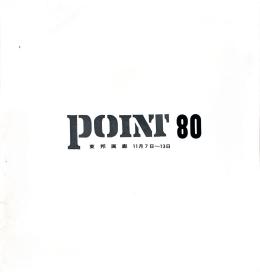
Point
POINT was the first small Minjung art collective active in Suwon from 1979 to 1985. It was founded by holding the exhibition POINT-79 of Baek Jonggwang, Chang Younggook, and Choi Choonil in December 1979 at the third-floor exhibition hall of Croba Department Store. In its second exhibition...
-
Color painting
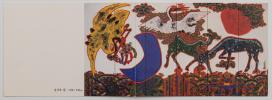
of Japanese imperialism and building national art after Korea’s liberation from Japan. Eastern painting centering around colors was defined as being Japanese. However, Eastern-style painters who employed colors, such as Chun Kyungja, Cho Bok-soon, and Park Saengkwang, constantly trained the...
-
Seoul City Cultural Prize
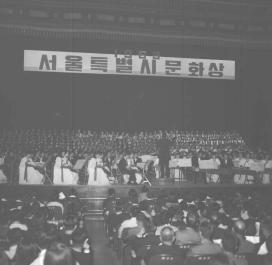
of its art and culture. At the time of its establishment, there were five categories: literature, art, theater, music, and craft and architecture. From the second edition (1950), film, academics, and physical education were added, bringing the total to eight. In 1954, it was categorized into...
-
Korea Designer’s Council
The Korea Designer’s Council (Hanguk dijaineo hyeopuihoe, KDC) was founded in 1972 by Park Daesun, a leading design educator, with the goal of forming an organization of designers that spanned academia and industry. It has its roots in the Korean Craftspeople Association whose establishment in...
-
Korea Fashion Designer Association
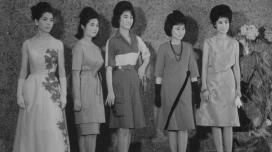
The Korea Fashion Designer Association (KFDA) [Daehan boksik dijaineo hyeophoe] is the oldest fashion designers’ organization in South Korea. It aims to enhance the development of Korean fashion design, promote the welfare of its members, and establish the status of fashion designers....
-
Oh Yoon
sculptor, printmaker, and painter who participated in the Minjung art movement in the 1980s. He graduated from the Department of Sculpture at the College of Fine Arts, at Seoul National University. In 1969, while still a student at Seoul National University, he participated in the preparation of the...

Features
-
Contemporary art and Feminism
Hur Hojeong, The Curator’s Dilemma
Hur Hojeong, The Title of “Feminist Artists” and “Feminist Art”
Hur Hojeong, The Methodology of Questioning
Lee Jinshil, Bone and Wrapper: Moving Body Fragments
Lee Jinshil, Fishy Paintings: The Tentacular Sensibilities of Women Painters
Lee Jinshil, Labor and the Woman’s Body as a Battleground of Emotion
siren eun young jung, What Does Feminist Art/Artist Do? (1)
siren eun young jung, What Does Feminist Art/Artist Do? (2)
siren eun young jung, What Does Feminist Art/Artists Do? (3)
Kim Hyeonjoo, An Overview of South Korean Feminist Art
Kim Hyeonjoo, Traversing South Korea and the United States - Diaspora Women Artists Theresa Hak Kyung Cha and Yong Soon Min
Kim Hyeonjoo, Time to study Noh Wonhee
Hur Hojeong, siren eun young jung, Kim Hyeonjoo, Lee Jinshil, Contemporary Art and Feminism (Study Group 1 Roundtable)
Kim Hyeonjoo, An Overview of South Korean Feminist Art (Study Group 1 Presentation)

Sign Up for Email Updates