Search Results
Timeline
-
2009
Gyeonggi Creation Center (Ansan, Gyeonggi-do, October 29) opens. Established by remodeling the former Gyeonggi Provincial Vocational Training School, it is a large-scale art residency supporting the creative and research activities of Korean and international artists. Sixteen Korean artists move...
-
2009
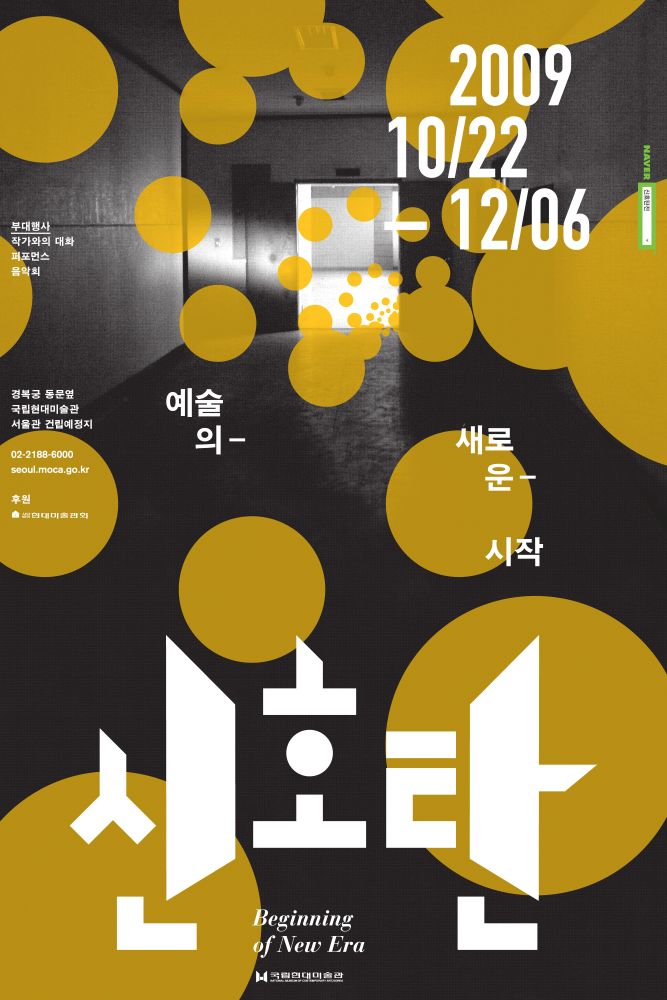
Kyuchul, Ahn Sang-Soo, Yang Jinwoo, Won Dayeon, Yun Suknam, Yoo Youngho, Lee Yongbaek, Lim Oksang, Chung Hyun, Choe U-ram, Choi Jeonghwa, Hong Boram, Hwang Ran, Hwang Hyungsin, Hwang Hyeseon, and UPSETPRESS (Space Transformation Project); and Moon Kyungwon and Park Donghyun (Documentary Project).
-
2009
Sindang Art Arcade (basement of Jungang Market, Seoul, October 16) opens as a craft and design-focused residency space under the Seoul Foundation for Arts and Culture. The space consists of thirty-five studios created by remodeling vacant shops, along with shared workshops. Centered on craft and...
-
2009
Seoul Art Space Geumcheon (Seoul, October 7.) opens under the Seoul Foundation for Arts and Culture. Established by remodeling a former printing factory, the space includes twenty-two studios, a shared workspace, and a performance hall. Fifteen artists and groups are selected for the first residency...
-
2009
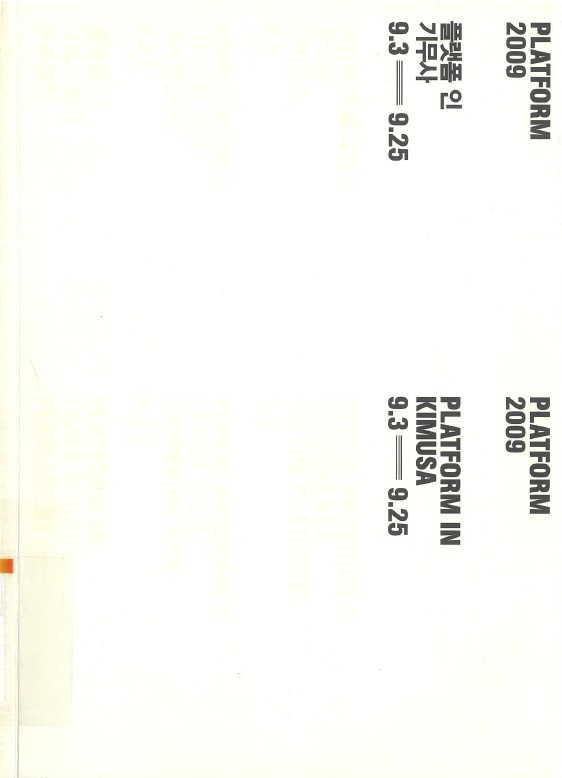
Incheon Art Platform (Incheon, September 25.) opens, established by the Incheon Foundation for Arts and Culture. Directed by Choi Seunghoon, the complex cultural and artistic space is created by renovating warehouses and modern architectural structures from the port-opening period. It includes...
-
2009
HA, Hyun chang-min, HWANG Se-jun, Guido van der Werve, Nedko Solakov, Nina Fischer & Maroan el Sani, Normal Type, The Books, David Griggs, Rainbow Okayama, Royce Ng, Runa Islam, Louise Paramor, Rikrit Tiravanija, Magnus Bärtås, Martin Sastre, Matthew Darbyshire, Megan Keating, Mona...
-
2009
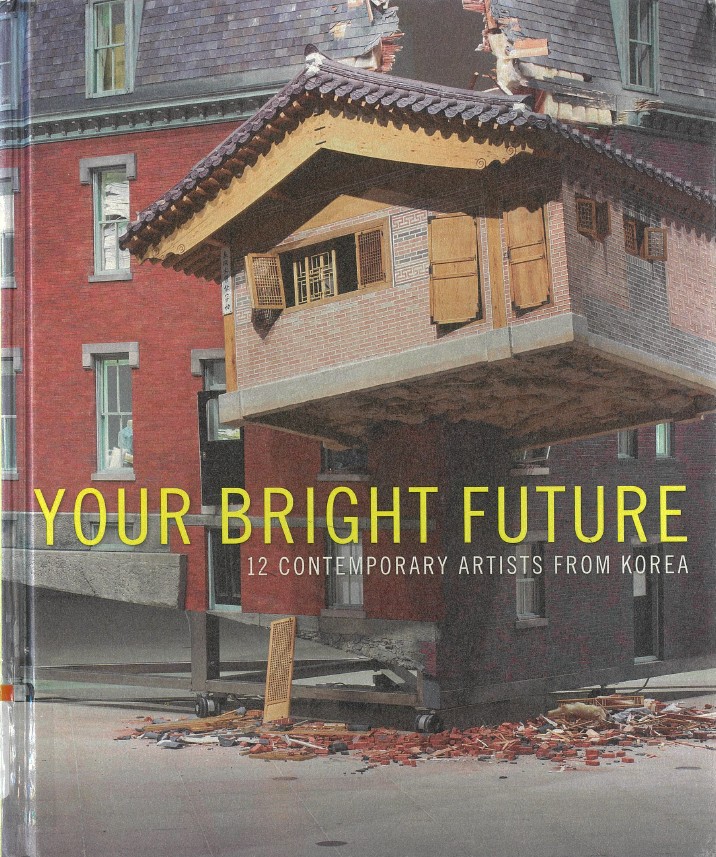
Your Bright Future: Twelve Contemporary Artists from Korea (Los Angeles County Museum of Art, Los Angeles, June 28–September 20; Museum of Fine Arts, Houston, November 22–February 14, 2010) is held. Curated by Lynn Zelevansky and Christine Starkman, in collaboration with Kim...
-
2008
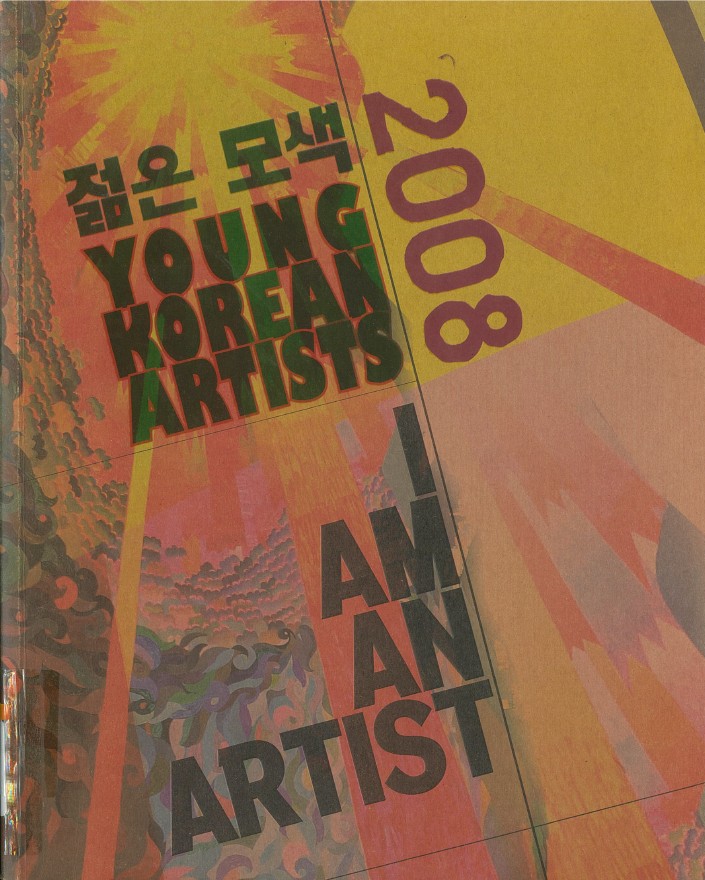
Young Korean Artists 2008: I AM AN ARTIST (National Museum of Contemporary Art, Gwacheon (now MMCA), December 5, 2008–March 8, 2009) is held. A total of seventeen artists participate, including Kang Seokho, Safranski Mackerel, Kwon Kyunghwan, Kim Siwon, Kim Yunho, Na Hyun, LiilLiil, Ahn...
-
2008
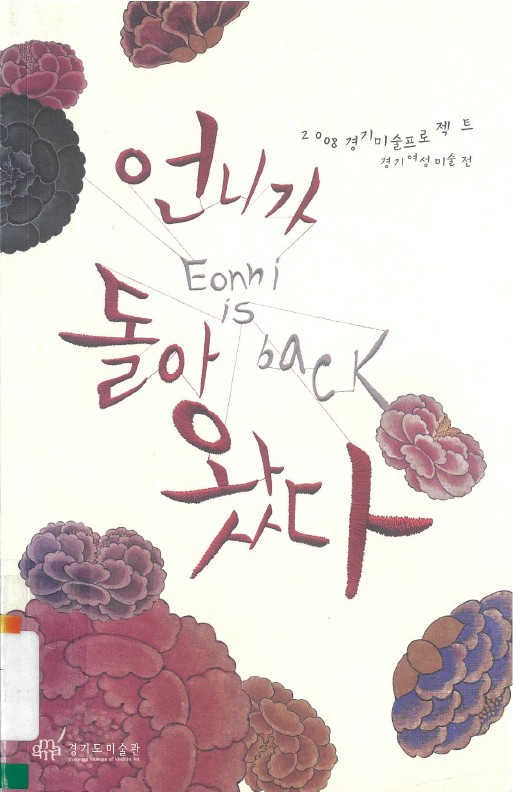
Eonni Is Back (Gyeonggi Museum of Modern Art, Ansan, Gyeonggi-do Province, October 1–January 4, 2009) is held. Highlighting Korean women’s art, the exhibition is organized into four themes: “Womad,” “Herstory,” “Sister Act,” and “Femme...
-
2008
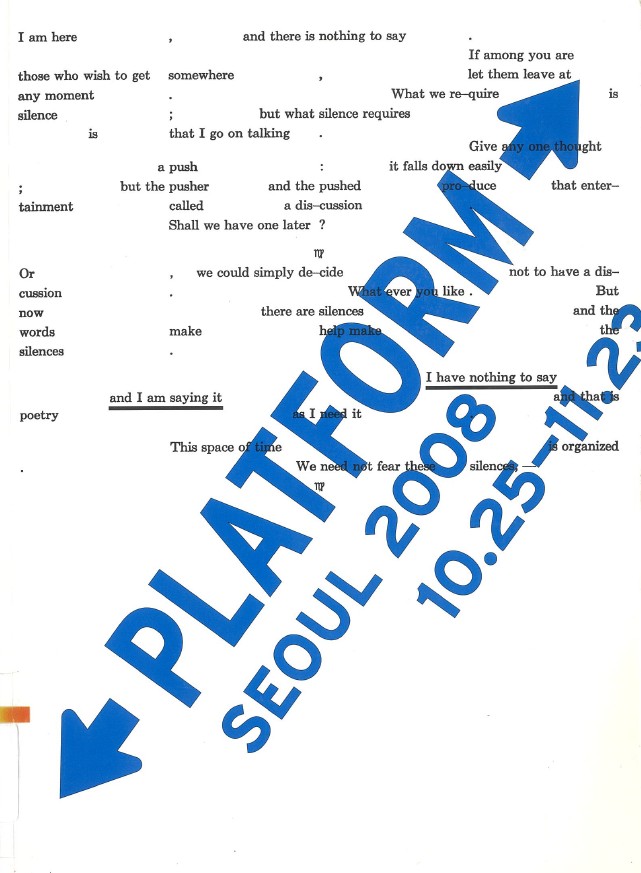
Platform Seoul 2008 I Have Nothing to Say and I Am Saying It (Art Sonje Center, the former Seoul Station, and galleries across Jongno-gu, Seoul, October 25–November 23) is held across twelve venues. Taking its title from a statement by John Cage, the exhibition presents works that...
-
2008
video and installation works addressing the manipulation of images and distortion of information produced by television and mass media. Broadcast images of major events such as the September 11 attacks, the Iraq War, and the Hwang Woo-suk scandal are reconstructed using miniatures and cameras.
-
2007
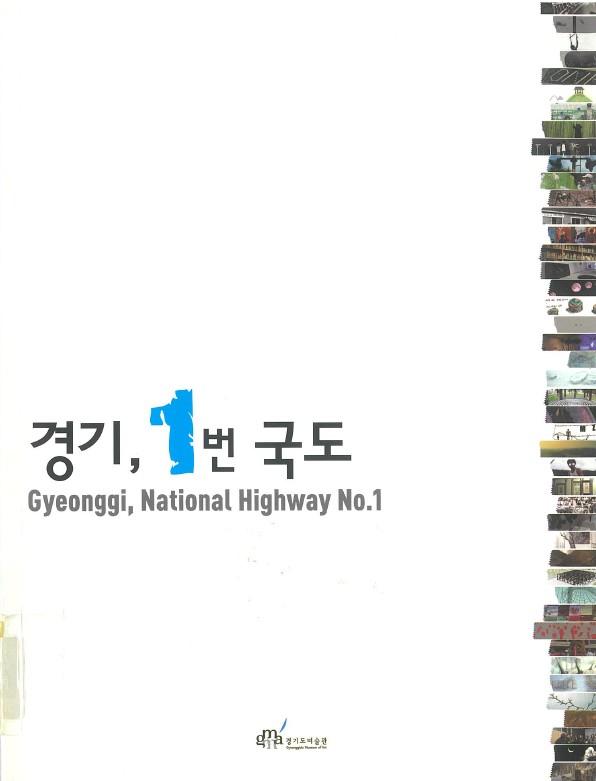
Gyeonggi, National Highway No. 1 (Gyeonggi Museum of Modern Art, Danwon-gu, Ansan, Gyeonggi-do Province, November 10–January 23, 2008) is held. The exhibition addresses contemporary issues facing Gyeonggi-do Province, including urbanization, division following the Korean War, and...
-
2006
Heinkuhn, Lee Eunu, Rhii Jewyo, Lim Minouk, Joo Jaehwan, FlyingCity, Aida Makoto, Jens Haaning, Jonas Dahlberg, and Köken Ergun. Through works addressing social and cultural issues such as the May 18 Gwangju Democratization Movement, globalization, urbanization, and inter-Korean relations, the...
-
2005
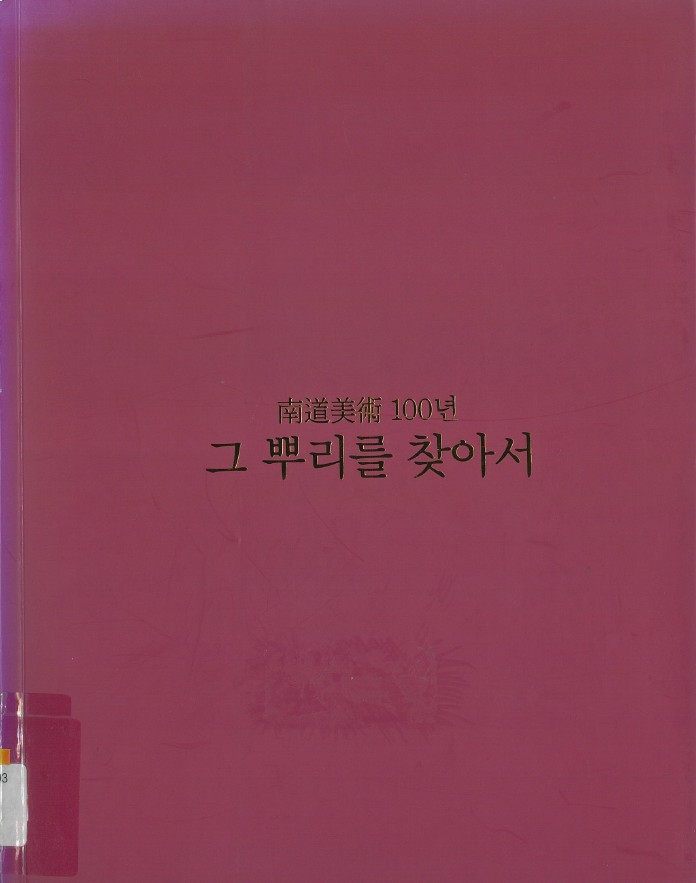
One Hundred Years of Namdo* Art: Tracing Its Roots (Gwangju Museum of Art, Gwangju, December 29–February 19, 2006) is held. Through more than one hundred forty works by thirty-seven artists who played major roles in the formation of modern and contemporary art in Gwangju and...
-
2005
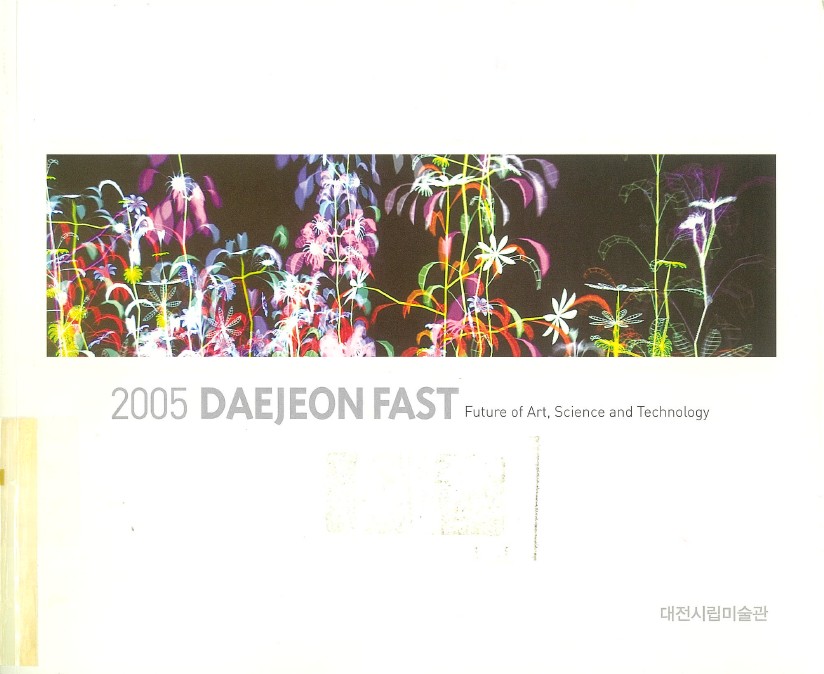
Daejeon FAST: Future of Art, Science and Technology (Daejeon Museum of Art, KBS Daejeon Broadcasting Center, Alternative Space Banjihwa, Yuseong Cultural Center, and Hanbat Library, Daejeon) is held. Based on the Innopolis Daedeok, the exhibition highlights Daejeon’s identity as a city of...
-
2005
Seo Byeonggap, Sim Euntaek, Lee Namho, Lee Sanggil, Lee Younggyun, Lee Yongwoo, Lim Shin, Cho Jungtae, Chae Yongshin, Choi Seokhwan, Chu Gyoyoung, Hwang Seongha, and Hwang Jongha (Korean Painting); Ko Whahum, Kwon Youngsul, Kim Youngchang, Kim Yongbong, Kim Hyuncheol, Moon Yunmo, Park Byungsoo, So...
-
2004
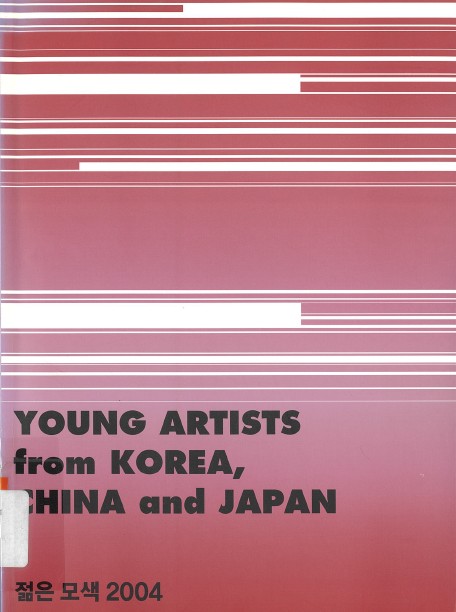
Hwang Hyesun (Korea); Wang Qingsong (王庆松), Xing Danwen (邢丹文), Wei Dong (魏东), Zhao Bandi (赵半狄), Feng Zhengjie (俸正杰), Hong Lei (洪磊), and Hong Hao (洪浩) (China); and Kawashima Hideaki (川島秀明), Muragishi Manabu (村岸学), Kuwakubo Ryota (桑久保徹), Nakamura Tetsuya (中村哲也), and Yanobe...
-
2004
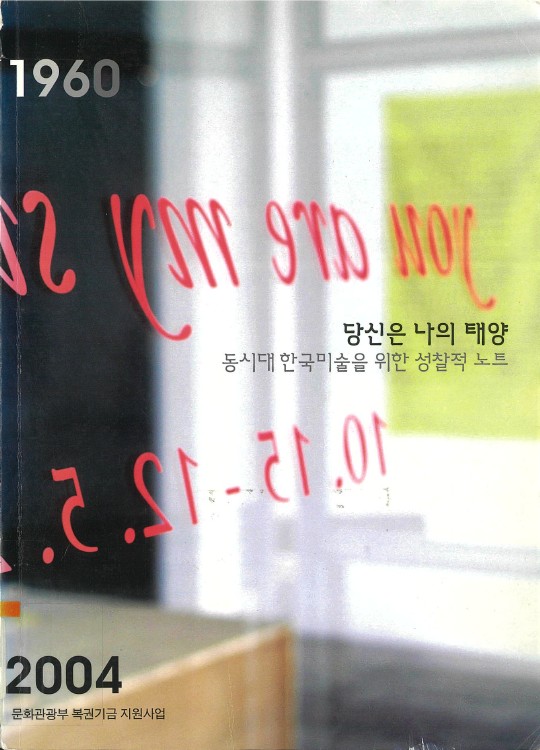
Keunbyung, Yoo Seungho, Yun Suknam, Lee Kangso, Lee Kun-Yong, Lee Seungha, Lee Seungtaek, Lee Ungno, Lee Joong Keun, Yi Taeho, Chang Jia, Jang Jin-yeong, Jung Bocsu, Cho Sungmook, Joo Jaehwan, Choi Byungmin, Choi Jeonghwa, Hong Myung-seop, Hong Seonwung, Hong Sungdam, Hong Soonmo, Hong Seunghye.
-
2004
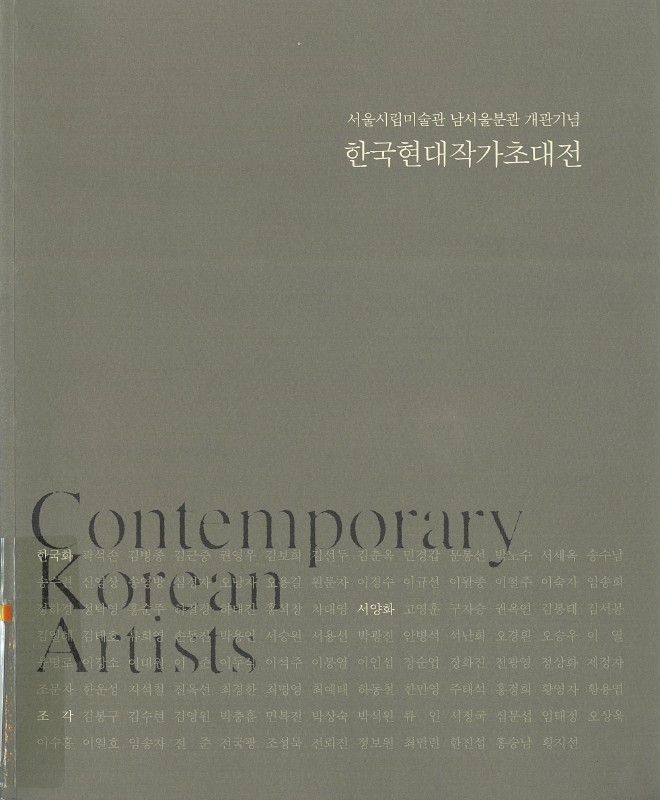
Ha Dongchul, Han Manyoung, Han Unsung, Hong Junghee, Hwang Young-Ja, Hwang Yongyop (Western style painting), Kim Bong-goo, Kim Soohyun, Kim Youngwon, Min Bokjin, Park Sangsook, Park Suk-won, Park Choongheum, Ryu In, Seo Jung-Kug, Shim Moonseup, Um Taijung, Oh Sangwook, Lee Soohong, Lee Ilho, Rim...
-
2004
Stranger than Paradise (Total Museum of Art, Seoul, June 4-July 11) is held, organized by the Paradise Culture Foundation. The exhibition presents works by artists supported through the Art Omi Residency program, operated by the Paradise Culture Foundation since 1997. Twelve artists...
Essays
-
Lee Eunjoo
Korean Art Exhibition History Re-reading Project: Artist of the Year
The exhibition history of the National Museum of Modern and Contemporary Art, Korea (MMCA) dates back to 1969, when the museum opened in the Gyeongbokgung Art Museum building to host the Eighteenth National Art Exhibition (Gukjeon). It began without a curatorial staff or even a single work in its...
-
Kim Kyoung-woon
Artist of the Year 2009 Suh Yongsun "The Discreet Charm of Suh Yongsun’s Art"
Here, you see people. These people seem to be enduring their lives rather than enjoying them. The eyes of some of them do not have pupils so that their expressions are hard to read, but all of them have seemingly blank faces on the surface behind which the burning flames in each mind are gushing out...
-
Park Soo-Jin
A Story of 23 Artists: Artist of the Year 1995–2010
I It has been 16 years since the exhibition of Artist of the Year started. The National Museum of Contemporary Art, Korea (now MMCA) had already been holding the Special Exhibition for Senior Artists and Artist of the Month.1 As part of the museum’s efforts to revamp both exhibitions, the...
-
Won Dong suk
New Currents in 1980s Art —Beyond the Art of the 1970s
distinctive character. Centered around two artists—Chung Munkyu and Hwang Yooyup—whose work offers striking perspectives on the human figure, the exhibition identifies significant emerging artists, presents their work collectively, dissolves afterward, and then reconstitutes itself with...
-
Lim Dae Geun
Traces of Being and Expanded Possibilities: The Last 20 Years of Contemporary Korean Printmaking
and emerge as unique, liberated entities that exist somewhere between the dual realms of human and nature, representation and abstraction. Hwang Kyubaik has been devoted to the exploration of the mezzotint technique since the 1970s, a period when the method had yet to become established in Korea....
-
Lim Geun-jun
Contemporaneity and Generational Shifts in Korean Contemporary Art: 1987–2008
Lim Geun-jun (a.k.a. Lee Chungwoo) Contemporaneity and Generational Shifts in Korean Contemporary Art: 1987–20081, 2 When did contemporary art first emerge in South Korea, and when did the foundation for its driving force—contemporaneity—begin to take shape? Is it valid to adopt...
-
Lee Yil
Change, Search, and Experiment: Ten Years of Korean Contemporary Painting
Kim Gwangjin, Kim Myeong-su, Kim Taeho, Noh Jaeseung, Yang Seung-ock, Lee Byungyong, Lee Ilho, Chun Kook-hwang, and Hwang Hyochang). The Esprit Group, moreover, created a broader forum for younger artists, staging the ambitious Exhibition of Contemporary Artists in Their Twenties (1973),...
-
Lee Yil
A Report on Visiting the Forty-Second Venice Biennale
A Report on Visiting the Forty-Second Venice Biennale Lee Yil It is rather unusual for an exhibition to open on a Sunday, but the official opening ceremony of the Forty-Second Venice Biennale, held in 1986, was scheduled for Sunday, June 29, at 11 a.m. To make matters more complicated,...
-
Kim Yujin
From Gwacheon to Seoul: Commemorative Exhibition of the Opening of the New Museum at MMCA Gwacheon (
Among the many exhibitions organized by the National Museum of Modern and Contemporary Art, Korea (MMCA) to commemorate the opening of new venues, two are of particular interest here: the Commemorative Exhibition of the Opening of the New Museum held in 1986 to mark the opening of the MMCA Gwacheon,...
-
Shin Chunghoon
Korean Art after the “Contemporary Art System”: Rebellion of Space (1995), Global Conceptualism (199
In the 1980s, ‘contemporary art’ became routinized, circulating as an everyday term stripped of its earlier charge. Yet beyond the boundaries of official institutions, the term came under unprecedented critique. It came to designate the dominant tendencies of 1970s Korean art, which were...
-
Jeon Yushin
Naturalism and Eastern Tradition: Working with Nature (1992), The Tiger’s Tail (1995),
tradition. Alongside Jung, the participating artists included Kim Hongju, Cho Duckhyun, and Hwang Inkie, whose works similarly reflect this characteristic. In other exhibitions organized by the National Museum of Contemporary Art, Korea, artists whose work engaged with themes of nature or tradition...
-
Jeon Yushin
Reflection of Socio-Political Realities: Across the Pacific (1993), Facing Korea (200
The 1993 exhibition Across the Pacific: Contemporary Korean and Korean-American Art, held at the Queens Museum of Art (now Queens Museum) in New York, can be seen as a starting point for exhibitions of contemporary Korean art that reflected Korea’s political and social realities. The...
-
Tiffany Yeon Chae
Postcolonial Subjects in the Age of Globalisation: Unmapping the Earth (1997) and Annual
The thematic focus of the first Gwangju Biennale—“the coexistence and harmony of humankind”—was, to a certain extent, overshadowed by the celebratory nature of its auxiliary programs, such as performances and marketplaces, rather than the exhibition itself. In response to...
-
Mok Soohyun
“Modern Art” in the Context of Korean Art The Posthumous Exhibition of Three Artists — Kim Junghyun,
Following Korea’s liberation from colonial rule, the Korean art world actively moved to establish a foundation for contemporary art. In the immediate postcolonial context, what regrets did people of the time harbor about the art of the past, and what hopes did they hold for the art they sought...
-
Tiffany Yeon Chae
What Can a Biennial Become Here and Now? Two Curatorial Experiments: MAN + SPACE (2000) and P_A_U_S_
The Gwangju Biennale articulated its position on the discourse of globalization that dominated the 1990s through its exhibitions which showcased a large number of multinational and multimedia works in the First edition (1995) and adopted a deconstructive approach in the Second edition (1997)....
-
Jeon Yushin
Korea’s First Generation of Curators and the Overseas Exhibitions of Contemporary Korean Art
such as Kim Seungduk and Joo Eungie also played a prominent role in shaping the field during this period. In the 1990s, the principal curatorial agents behind exhibitions of contemporary Korean art were first-generation curators and the National Museum of Contemporary Art. These figures emphasized...
-
Kim Hong-Ki
A Study of the Korean Pavilion at the Venice Biennale (1999–2001): Particularity and Universality i
had begun to match or exceed that of the artists. The exhibition featured two artists: Michael Joo and Suh Doho. Joo, a Korean American, was the first foreign artist to participate in the Korean Pavilion, while Suh had studied at Seoul National University before pursuing further education and a...
-
Kim Hong-Ki
The Korean Pavilion at the Venice Biennale (1995–1997): Globalizing the Aesthetic Traditions of Kore
Although the official exhibitions of the Korean Pavilion at the Venice Biennale, established in the Giardini Park, Venice, began in 1995, Korea's engagement with the Biennale has an earlier history, with four participations up to 1993. Before the inauguration of the dedicated national pavilion...
-
Kuroda Raiji
Fragmentary Notes on Postwar Japanese Avant-garde Art Viewed from South Korean Minjung Art
If we understand that South Korea’s minjung art fully evolved and expanded during the period between Chun Doo-hwan’s coup d’etat in 1980 and the outset of democratization from the triumph of the June Democratic Struggles in 1987, I wonder what was happening in the Japanese art...
-
Jung Hyun
Daejeon as a Hub of Art and Science: The Daejeon Art and Science Biennale (2014)
Background of the Daejeon Expo The Daejeon Expo ’93 (then Taejon Expo ’93) was conceived from the perspective of an ‘economic Olympics’ during the time of the Seoul Olympics in 1988. In the early stages of Expo, the event was primarily envisioned as a trade fair, with the...
Art Terms
-
Traveling Art Museum
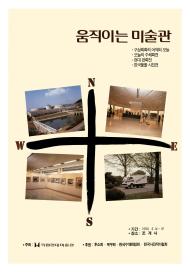
“Traveling Art Museum” was a cultural project undertaken by the National Museum of Contemporary Art, Korea (now MMCA) to provide opportunities for the public to actively engage with art and culture. It involved exhibiting artworks from the MMCA collection at various existing cultural...
-
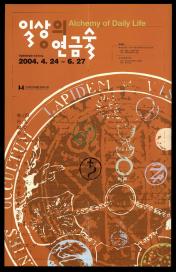
Alchemy of Daily Life
in the exhibition, including Kim Beom, Park Gye-hoon, Park Buldong, Ahn Kyuchul, Ahn Yun-Mo, Lee Jaehyo, Joo Jaehwan, Choi Jeonghwa, Ham Jin, Choi Jung-hyun, Kim Hongju, Kim Soojin, Kwon Youngwoo, Cho Sungmook, Chung Kyungyeun, Noh Sangkyoon, Lee In-Hee, Kim Siha, Kwon Jaehong, Lee Dongwook, Cho...
-
MMCA Hyundai Motor Series
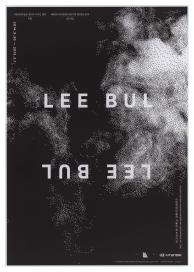
MMCA Hyundai Motor Series is an annual exhibition event that has been organized by the MMCA and sponsored by Hyundai Motor Company for ten years since 2014, featuring large-scale solo exhibitions of mid-career Korean artists. It began in November 2013, when Hyundai Motor Company announced a ten-year...
-
Eastern Painting Research Institute
The Eastern Painting Research Institute [Dongyanghwa yeonguso] is an Eastern painting education institution located at 23, 2-ga Hoehyeon-dong in Seoul. It was founded in December 1948 by mid-career Eastern-style painters, Kim Kichang, Park Rehyun, Lee Geonyeong, Lee Seokho, Lee Palchan, Chung...

-
Korean Photography Alliance
The Korean Photography Alliance [Joseon sajin dongmaeng; KPA] was a leftist photography organization founded on June 13, 1947 at the Young Men’s Christian Association (YMCA) Hall in Jongno-gu, Seoul. Kim Jinsu, Lee Tae-ung, Lee Yongmin, and twenty other promoters gathered, held a founding...
-
Korea Packaging Machinery Association
The Korea Packaging Technology Association (Hanguk pojang gisul hyeophoe, KPTA) is a private association established in 1966 in order to enhance the value of products by improving packaging technology and contribute to export promotion. The founding general meeting was held in October 1965, and the...
-
Hwang Jonggu
Hwang Jonggu (1919–2003) was a ceramist active from the second-half of the 1950s through the second-half of the 1990s. He was born as the son of the celadon master Hwang Inchun (1894–1950) in Seoul in 1919. He took a course at the annex of the Seto Institute of Ceramics in Japan in 1939....

-
Lee Seokho
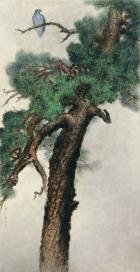
Lee Seokho (1904-1971, pen name Ilgwan) learned Chinese classics and calligraphy at a young age and then studied painting under Kim Eunho. He received an honorable mention for his calligraphy at the sixth Joseon Art Exhibition [Joseon misul jeollamhoe] in 1927. He then made his presence known in...
-
Special Exhibition of Modern Korean Painting
Youngkuk, Lee Kyusang, Lee Daiwon, Lee Madong, Lee Bongsang, Lee Seduk, Lee Chongwoo, Lee Joon, Chang Ucchin, Chung Kyu, Cho Byungduk, Han Mook, and Hwang Yeomsoo. During the exhibition, the museum provided a five-day lecture series on contemporary art taught by Park Kosuk, Lee Bongsang, Kim Byungk...
-
Asian Art Show
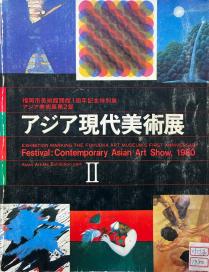
The Asian Art Show, Fukuoka was an international exhibition held every four to five years from 1980 through 1994 at Fukuoka Art Museum in Japan to introduce modern and contemporary art from Asia. The first edition of the exhibition presented 417 works by 417 artists and was divided into two...
-
Korean Painting Society Exhibition
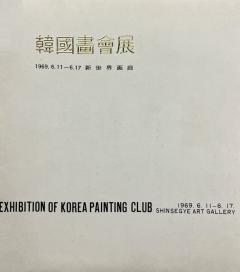
The Korean Painting Society Exhibition was a member exhibition of the Korean Painting Society [Hangukhwahoe] formed in Spring 1967 by Eastern-style painters in their thirties who graduated from the Seoul National University. The Korean Painting Society held its inaugural exhibition from May...
-
Contemporary Printing Arts Exhibition for Decade
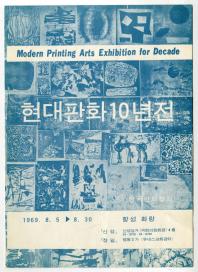
Contemporary Printing Arts Exhibition for Decade was an exhibition held by the Korea Prints Association [Hanguk panhwa hyeophoe] from August 5 through 30, 1969 at Sinseong Coffee Shop (on the fourth floor of the National Assembly Hall) and Changil Coffee Shop (behind the UNESCO Center on...
-
Korean Experimental Artists Exhibition
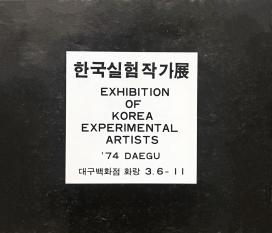
Artists Exhibition was an exhibition on experimental art held by artists from Daegu, including Lee Kangso, Lee Hyangmi, Park Hyunki, and Hwang Hyunwook, from March 6 through June 11, 1974 at the Daegu Department Store Gallery. After forming a collective called Sincheje with his colleagues from...
-
Korean Calligrapher Association
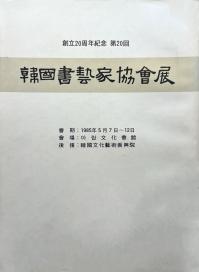
The Korean Calligrapher Association Exhibition is a regular exhibition of the Korean Calligrapher Association [Hanguk seoyega hyeophoe] founded at the end of 1964 to advocate for the rights of calligraphers and develop calligraphy. Its inaugural exhibition was held from June 29 through July...
-
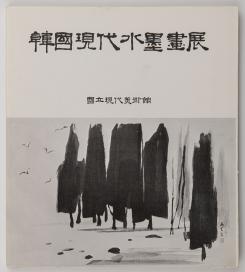
Korean Contemporary Ink Wash Painting
Kang Nammi, Kim Ahyoung, Hwang Changbae, Han Jinman, and Jeong Jonghae, took part in the exhibition as well. The organizing a large-scale exhibition on ink by a national institution exerted great impact on the Eastern-style painting circles at the time. Korean Contemporary Ink Wash Painting...
-
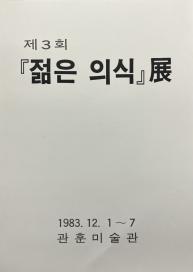
Young Minds
Yi Heechoung, Yim Chungjae, Jang Gyeongho, Jang Changik, Jung Bocsu, Cheong Jinyun, Choe Cheolin, Hwang Sehun, Hong Seonwung, and Hong Suncheol. The second edition was held in February 1983 at Kwanhoon Gallery. The participating artists were Kang Yongdae, Ko Kyeong-hun, Kwon Chilin, Kim Bo-jung, Kim...
-
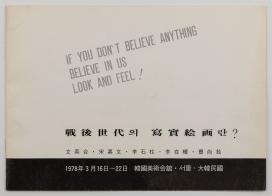
What is the Realistic Painting of the Postwar Gene
What Is the Realistic Painting of the Postwar Generation? is an exhibition on hyper-realist paintings held from March 16 through 22, 1978 at Art Center. Five young artists born between 1950 and 1954, Moon Youngtae, Song Gamun, Lee Sukju, Rhee Jaikwon, and Jo Sang-hyeon, participated in the...
-
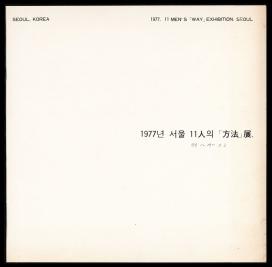
1977, 11 Men's ‘Way’ Exhibition, Seoul
They were Kang Kukjin, Kim Sun, Kim Jungsoo, Kim Yongchul, Kim Juyeong, Kim Han, Kim Hongjoo, Sung Neungkyung, Shin Hakchul, Lee Kun-Yong, and Hwang Hyochang. Among them, Sung Neungkyung, Shin Hakchul, and Lee Kun-Yong had participated in ’75 Today’s 'Way' Exhibition in...
-
Artists in Focus
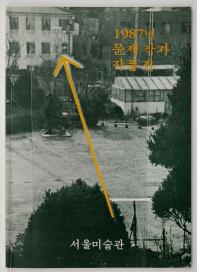
Sangki, Ahn Changhong, Yoon Miran, Lim Oksang, Jung Bocsu, Jo Sanghyeon, Ji Seokcheol, and Chun Junyeup. The 1984 artists in focus were Kang Myonghi, Hwang Jaihyoung, and Lee Hongwon. The purpose of organizing the exhibition was shifted to “focusing on the selection of artists or groups who ha...
-
A feast of Eastern paintings
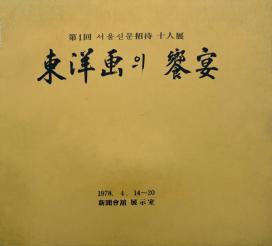
Exhibition of Ten Eastern Painters was an invitational exhibition of ten mid-career Eastern-style painters held under the theme of “a feast of Eastern paintings” by the Seoul Shinmun newspaper company from April 14 through 20, 1978 at the Seoul Press Center in Seoul. It is also...
Features
-
Korean Art Exhibition History Re-reading Project: Artist of the Year
Choi Eun-ju, Artist of the Year 1995 Jheon Soocheon
Jeong Junmo, Artist of the Year 1998 Kwon Youngwoo "The Subtle Scent of Ink and Luminous Whiteness"
MMCA Curatorial Office, Artist of the Year 2000 Noh Sangkyoon · Lee Bae "Searching for the True Character of Identity"
Lee Chu-Young, Artist of the Year 2002 Seung H-Sang
Park Soo-jin, Artist of the Year 2006 Chung Hyun
Kim Kyoung-woon, Artist of the Year 2009 Suh Yongsun "The Discreet Charm of Suh Yongsun’s Art"
Park Soo-Jin, A Story of 23 Artists: Artist of the Year 1995–2010
Kang Soo-jung, Artist of the Year 2003 Kwak Duckjun "The Life and Art of Kwak Duckjun"
Ryu Hanseung, Artist of the Year 2005 Lee Jonggu "Lee Jonggu, Painter of Rural Korea"
Ryu Hanseung, Artist of the Year 2007 Jung Yeondoo "The Star of the Stage"
Jeong Junmo, Artist of the Year: The Exhibition That Shaped MMCA’s Future
Lee Eunjoo, Korean Art Exhibition History Re-reading Project: Artist of the Year

Sign Up for Email Updates